

Love the beagle face but not the 6 a.m. baying?
These compact scent hounds rank 6th on the AKC list, and their noses still run the show.
They’re warm with kids, low on grooming, and fit many homes, but they’re loud, stubborn off-leash, and prone to separation anxiety if left too long.
This post lays out the real-life pros and cons you don’t always hear, so you can decide: yes, no, or not right now.
Key Beagle Breed Pros and Cons for Choosing the Right Dog
Beagles sit at number 6 out of 195 breeds on the AKC list, and they’ve earned that spot for good reason. But here’s the thing: what works brilliantly for one family can turn into a daily struggle for another. These compact scent hounds were bred to track rabbits, and that hunting instinct hasn’t gone anywhere. You’ll see two size categories. Dogs under 13 inches (usually under 20 pounds) and those between 13 and 15 inches (typically 20 to 30 pounds). Both share the same personality quirks and the same challenges.
The beagle’s pack-oriented, friendly nature makes them fantastic family dogs, especially if you’ve got kids, other pets, or someone home during the day. Their short coat is genuinely easy to manage compared to most breeds, and they adapt to both city flats and countryside homes as long as you meet their social and exercise needs. Fun fact: the USDA uses beagles at airports to sniff out illegal plants and animals. Their noses are incredible, and they don’t look intimidating.
But that nose? It’s also where most of the friction starts. Beagles are scent-obsessed in ways that catch people off guard. They’ll stop every twenty seconds on a walk. Ignore your recall when a rabbit scent crosses their path. Dig under fences just to follow a smell. Add in frequent barking and howling, a stubborn streak that shows up during training, and a genuine risk of separation anxiety if left alone too long. You’re looking at a breed that needs patience, secure containment, and daily engagement.
Core lifestyle impacts to consider:
- Pro: Social and friendly with people, kids, and other dogs.
- Pro: Playful, affectionate, thrives in family life.
- Pro: Compact size, minimal grooming.
- Pro: Adapts to different living situations if exercise is consistent.
- Pro: Food-motivated, which can help training.
- Con: Loud, frequent barking and howling that bothers neighbours.
- Con: Strong prey drive and scent obsession make recall unreliable.
- Con: Prone to digging, especially in gardens.
- Con: Stubborn during training. Selective hearing is common.
- Con: High risk of separation anxiety and destructive behaviour when alone.
Beagle Temperament Pros and Cons in Real-Life Homes
Beagles are naturally cheerful and outgoing. They greet strangers with enthusiasm, play well with children, and usually enjoy the company of other dogs. If you want a dog that welcomes visitors and happily joins family activities, this breed delivers. That pack-hound background means they bond closely and prefer being around people most of the day. Many owners describe them as affectionate lap dogs who also love a good game of fetch or a long sniff-walk.
The flip side? Stubbornness and selective hearing. Beagles will obey a command one moment and completely ignore it the next, especially if they’ve caught a scent. Training sessions need patience, high-value treats, and short bursts of focus because their attention span is limited. Barking and baying come with the territory. It’s how they communicate excitement, boredom, or the presence of a squirrel three gardens over. If you’re in a flat or have close neighbours, this vocal nature can become a serious problem.
Temperament traits in practice:
- Pro: Friendly and approachable with strangers and children.
- Pro: Social with other dogs. Enjoys dog parks and group play.
- Pro: Affectionate and loyal to family members.
- Con: Stubborn and independent. Training takes consistent effort.
- Con: Loud vocalisations including howling and baying.
- Con: High prey drive affects reliability around small animals and recall outdoors.
Beagle Exercise Needs: Key Pros and Cons for Owners
Beagles need up to two hours of exercise each day. That’s not optional if you want a calm dog at home. A tired beagle is manageable. A bored one will invent trouble. These dogs were bred to run for miles following scent trails, and that energy doesn’t disappear just because they live in a suburban house. Brisk walks, runs in secure areas, and interactive play all help, but mental stimulation matters just as much. Scent-based games, treat treasure hunts, and puzzle toys tap into their natural abilities and keep them engaged.
The challenge is their prey drive and wandering instinct. Off-leash exercise is risky unless you’re in a securely fenced area. Even then, beagles are known for digging under fences or finding gaps. Leash walks require attention because they’ll pull toward every interesting smell, and recall training is notoriously difficult. Many owners report that their beagle will come when called in the house but disappear the moment a rabbit crosses their path outdoors.
Suitable activities for beagles:
- Brisk daily walks of at least 30 to 45 minutes.
- Free running in a fully fenced garden or secure dog park.
- Scent-based games like hide-and-seek with treats.
- Puzzle feeders and interactive toys for mental engagement.
- Supervised playtime with other dogs.
- Short training sessions using high-value treats to maintain focus.
Grooming and Shedding Pros and Cons of Beagles

Beagles have short, dense coats that need minimal grooming effort. Weekly brushing is usually enough to keep the coat healthy and reduce loose hair around the house. During spring shedding, increasing brushing to twice a week helps manage the heavier hair loss. Baths with shampoo are only needed about every six months unless the dog gets muddy or dirty. In between, a quick rinse of paws or a wipe-down is usually sufficient.
The downside is that beagles do shed year-round, and it’s more than many people expect for a short-coated breed. You’ll find hair on furniture, clothes, and floors. They’re not hypoallergenic, so homes with allergy concerns should plan accordingly. Beagles also need regular ear checks because their floppy ears trap moisture and debris, increasing the risk of infections. Nail trims are required about once a month if the nails don’t wear down naturally, and dental care (brushing or daily chews) should be part of the routine.
Beagle Health Issues and Lifespan Cons to Plan For
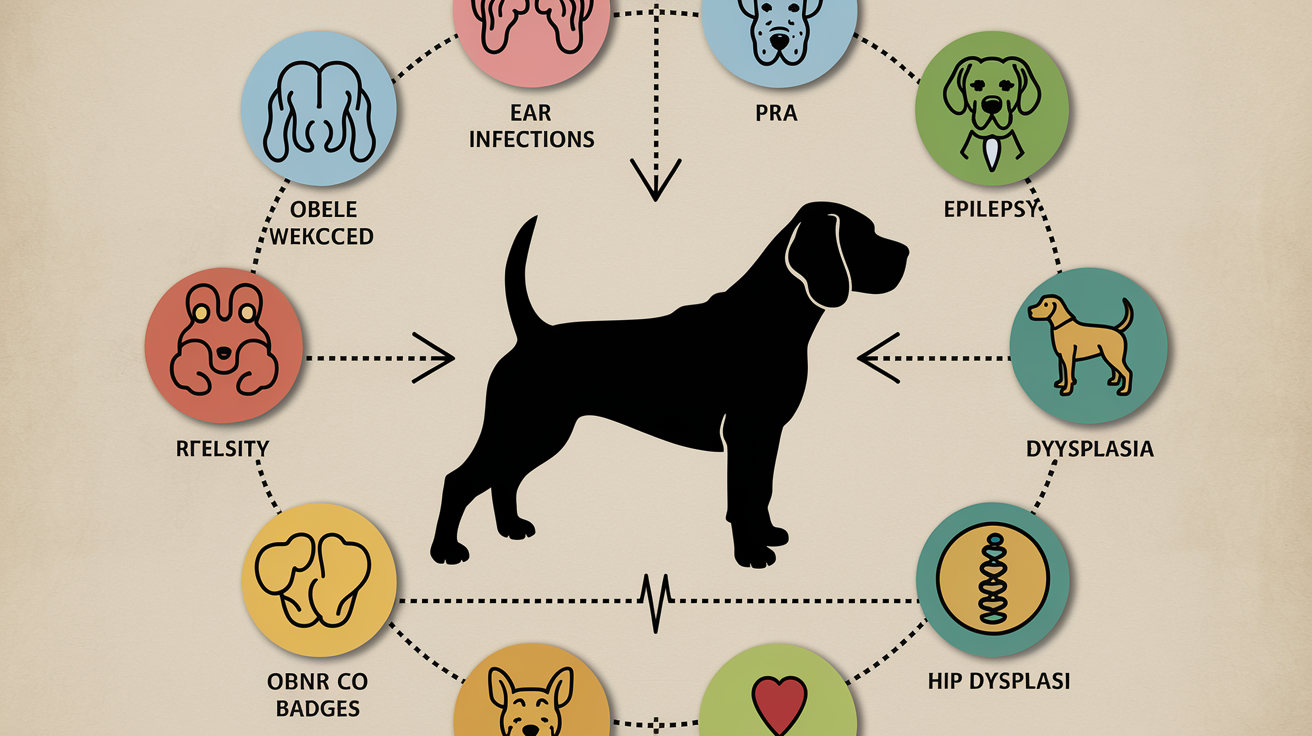
Beagles typically live 12 to 15 years, which is a solid lifespan for a medium-small breed. Annual vet visits are standard for adults, and senior dogs (seven years and older) usually need more frequent checkups. The breed is generally healthy, but there are several conditions that appear often enough to plan for. Obesity is the most common issue because beagles are food-driven and will overeat if given the chance. Ear infections are frequent due to their floppy ears, and allergies (both environmental and food-related) can cause skin problems.
Hip dysplasia, progressive retinal atrophy (PRA), glaucoma, hypothyroidism, and cherry eye all appear in the breed with some regularity. Epilepsy is another concern. Seizures often start before the dog turns five. Beagle Pain Syndrome (also called steroid-responsive meningitis-arteritis) affects puppies between five and ten months old and requires prompt veterinary care. Reputable breeders screen for hip scores and PRA, so asking for health paperwork is essential.
| Condition | What Owners Should Know | Typical Onset |
|---|---|---|
| Obesity | Food-driven beagles overeat easily; portion control is critical | Any age; common in adults |
| Ear Infections | Floppy ears trap moisture; weekly checks and cleaning reduce risk | Any age |
| Hip Dysplasia | Joint malformation; may require surgery or lifelong management | Young adult to middle age |
| Progressive Retinal Atrophy (PRA) | Gradual vision loss; genetic screening available | Middle age to senior |
| Epilepsy | Seizures usually start before age five; often manageable with medication | Before age five |
| Beagle Pain Syndrome | Affects puppies; causes fever and pain; requires vet attention quickly | Five to ten months |
Beagle Living Situation Pros and Cons (Apartments, Houses, Gardens)
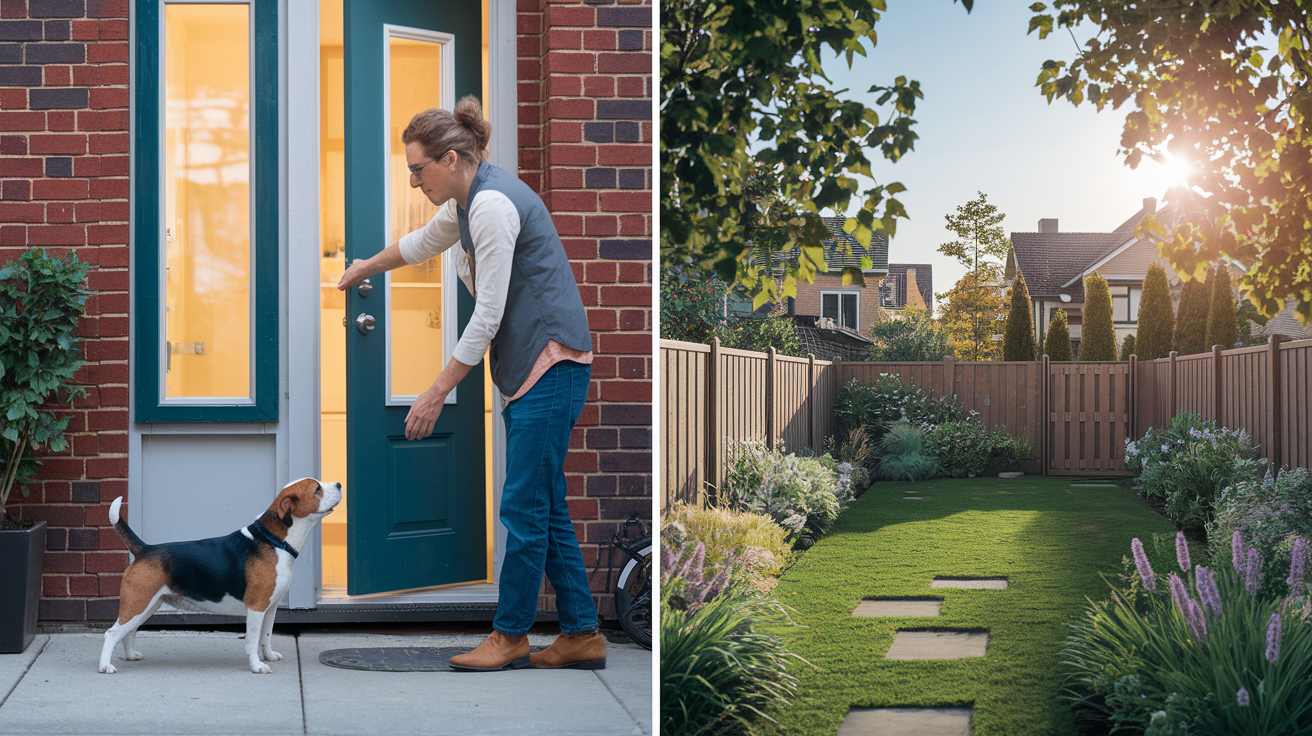
Beagles can adapt to city flats or rural homes, but success depends on how much time you spend at home and how well you manage their vocal nature. In a flat or high-rise, barking and howling become a real concern. Neighbours hear it, and unless you’re committed to training and enrichment, complaints are likely. Beagles left alone for eight to ten hours will often develop separation anxiety, which leads to excessive noise and destructive behaviour.
Homes with gardens are a better fit because the dog can run off energy and satisfy some of their digging and sniffing instincts. That said, secure fencing is essential. Beagles will dig under fences or find gaps to escape, especially if they catch a scent. They’re also excellent at slipping out of doors when visitors arrive. The ideal owner is home frequently, able to provide daily exercise, and lives somewhere with either a secure garden or close access to dog parks and walking trails.
Beagles are generally good with children and other pets, though supervision is always recommended. Their prey drive means small animals like rabbits or hamsters may trigger chasing behaviour, so introductions should be gradual and monitored. Families with very young children might consider adopting a young adult beagle rather than a puppy, simply because puppies require intense time and training that can be overwhelming alongside toddler care.
Living situation challenges:
- Barking and howling can disturb flat neighbours.
- Extended alone time (eight to ten hours) often leads to anxiety and destruction.
- Gardens must be securely fenced to prevent escape and digging under barriers.
- Recall outdoors is unreliable. Leash or containment is necessary for safety.
Beagle Training Pros, Cons, and Practical Solutions
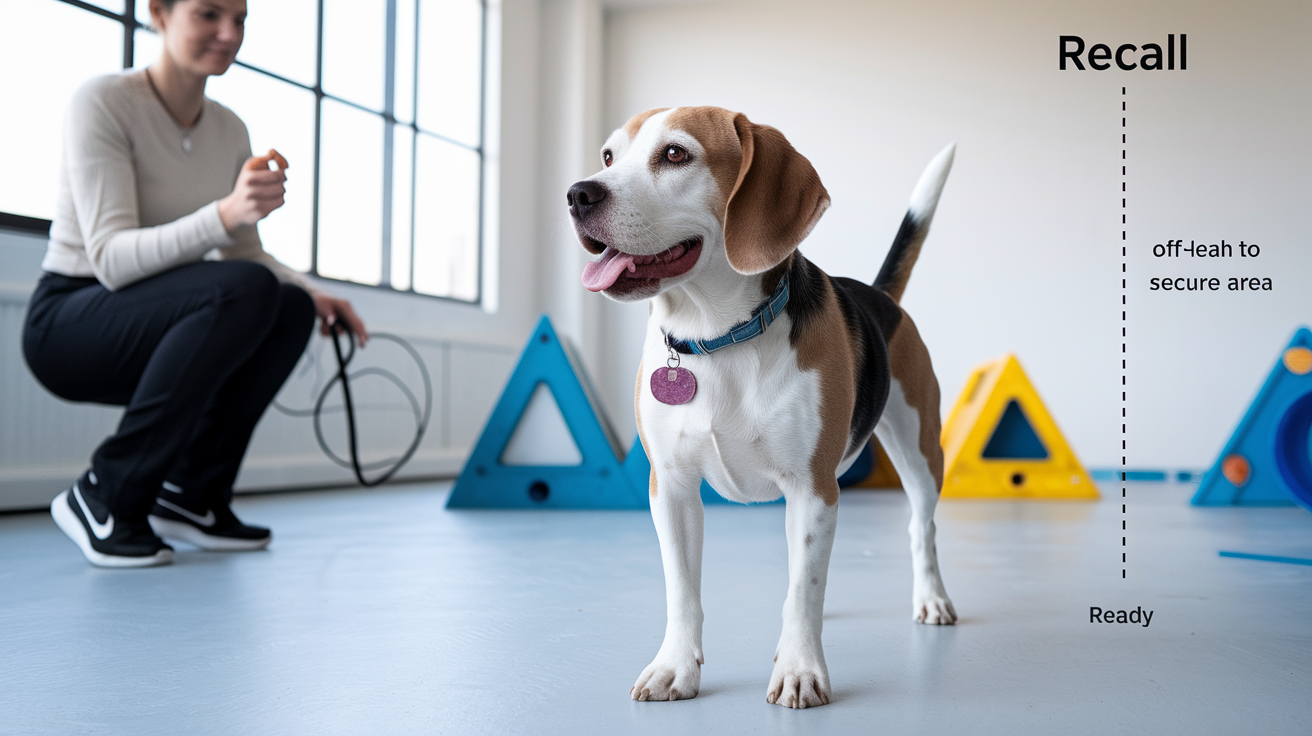
Beagles are intelligent, but their scent-driven nature and independent streak make training more challenging than many first-time owners expect. They respond well to positive reinforcement and high-value treats, but sessions need to be short (about ten minutes) because their attention wanders quickly. Puppy kindergarten and basic obedience classes are strongly recommended. Even with consistent effort, you’ll encounter moments where the dog simply tunes you out, especially outdoors.
Food motivation is a genuine advantage during training, but it also requires portion control. If you use too many treats, weight gain becomes a problem. Housetraining can take longer than with other breeds because their powerful noses make them easily distracted. Setting a consistent feeding and potty schedule helps. Crate training and gradual absences are essential for preventing separation anxiety, which is common in beagles left alone too often.
Recall and Off-Leash Control
Recall is one of the hardest skills to teach a beagle. Once they catch a scent, they’re gone. Many owners report that their dog responds perfectly at home and ignores them completely in the park. Off-leash time should only happen in fully fenced areas where escape isn’t possible. Long-line leashes help practise recall in open spaces without the risk of losing your dog. Even with training, assume your beagle’s nose will win most of the time.
Leash Manners and Indoor Foundations
Puppies commonly pull hard on the leash, and adult beagles will stop every few steps to investigate smells. Start leash training indoors where distractions are minimal. Teach loose-leash walking in your hallway or living room, then gradually move to the front garden, then the street. Consistency is everything. If you allow pulling sometimes and correct it other times, the dog learns the behaviour is optional.
Separation Anxiety and Crate Training
Beagles are pack animals and don’t like being alone. Start practising short absences early (five to ten minutes at first) and gradually increase the duration. Crate training provides a safe, calm space and reduces destructive behaviour when you’re out. Leave puzzle toys or frozen treat-stuffed toys to keep them occupied. Don’t make a big fuss when you leave or return. Calm, low-key departures and arrivals reduce anxiety triggers.
Beagle Food Drive, Weight Gain Risks, and Feeding Pros/Cons

Beagles are famously food-motivated. They’ll eat anything, anytime, and beg relentlessly at the table. This makes treat-based training easier, but it also creates a real obesity risk. Adult beagles are typically fed two to three meals per day, and portion control is critical. Free-feeding or leaving food out all day is a bad idea because beagles won’t self-regulate. Treats used during training must be counted as part of the daily calorie intake.
Pica (eating non-food items) is another issue seen in the breed. Boredom and food obsession both contribute. Keeping the environment clean and providing mental stimulation through puzzle feeders and scent games can reduce the behaviour. Obesity in beagles leads to joint problems, heart issues, and shorter lifespans, so monitoring weight and adjusting portions is a constant responsibility.
Weight management tips:
- Measure food portions using a cup or scale. Don’t eyeball it.
- Count training treats as part of daily calorie intake.
- Don’t give table scraps or human food, no matter how much they beg.
- Use low-calorie treats or break standard treats into smaller pieces.
- Monitor body condition regularly. Ribs should be easy to feel but not visible.
Cost of Owning a Beagle: Financial Pros and Cons

Beagles cost between £500 and £1,000 to purchase from a reputable breeder in the UK. Prices vary based on pedigree, breeder reputation, and health screening. Adoption from a rescue typically costs less, though you’ll still need to budget for initial setup. Puppies require primary vaccinations at around £40 to £70 each, microchipping, and eventual neutering or spaying, which runs £110 to £300 depending on the clinic and location.
Ongoing monthly costs can reach up to £100, depending on food quality, insurance level, and routine care. Food alone ranges from £25 to £100 per month. Pet insurance for a beagle without pre-existing conditions averages around £387 per year, though premiums vary by location, age, and coverage. Annual vet visits, flea and worming treatments, dental care, and unexpected health issues all add up over the dog’s 12 to 15 year lifespan.
Grooming costs are low because most beagles only need occasional baths and weekly brushing you can do at home. Nail trims and ear cleaning can be done at home or during vet visits. The biggest variable is health care. Hip dysplasia, ear infections, allergies, and other breed-specific conditions can lead to ongoing expenses. Budgeting for both routine and emergency care is essential.
| Cost Type | Estimated Range | Notes |
|---|---|---|
| Purchase Price | £500–£1,000 | Varies by breeder, pedigree, and health screening |
| Initial Setup (vaccines, microchip, neuter) | £150–£370 | Includes vaccinations and spay/neuter |
| Monthly Food | £25–£100 | Depends on brand and diet quality |
| Annual Insurance | ~£387 | Average for a beagle without pre-existing conditions |
| Ongoing Monthly (food, insurance, routine care) | Up to ~£100 | Includes preventive treatments and basic vet visits |
Beagle Pros and Cons for First-Time Owners

Beagles are friendly and forgiving, which makes them appealing to first-time owners. Their size is manageable, they’re affectionate, and they don’t require professional grooming. If you’re home frequently, able to commit to daily exercise and training, and willing to work through stubbornness, a beagle can be a good match. They’re patient with mistakes and resilient when training doesn’t go perfectly.
The challenge is that they demand more time and consistency than many first-time owners expect. Puppies are especially intense. Housetraining takes longer, separation anxiety is common, and leash pulling requires daily work. If your schedule involves long workdays or frequent travel, a beagle will struggle. Owners who are away for eight to ten hours regularly often come home to destroyed furniture, constant barking complaints, and a stressed dog. Families with very young children may find a young adult beagle from a rescue easier to manage than a high-energy puppy. Adult dogs often have basic training in place and calmer energy, which reduces the learning curve.
Adoption vs Breeder: Ownership Pros and Cons
Adopting a beagle from a rescue can be a great option, especially for first-time owners or families who want to skip the intense puppy phase. Many rescued beagles are young adults with some training already in place. Some rescues come with behavioural baggage (fear of men, trust issues, or anxiety from previous neglect), but most adapt with patience and consistency. Rescued dogs are typically already neutered or spayed, vaccinated, and microchipped, which reduces upfront costs.
Buying from a reputable breeder gives you more control over health history and early socialisation. Never purchase a puppy under eight weeks old, and always view the mother and puppies in person. Ask for health paperwork, including hip scores and screening for progressive retinal atrophy. Don’t buy from breeders who sell multiple breeds, offer significantly below-market prices, or ask for payment before you’ve visited. Red flags like these often signal puppy mills or unethical breeding practices.
What to ask breeders or rescues:
- Can I see the mother and puppies together in their home environment?
- What health screening has been done (hip scores, PRA, general vet check)?
- Are the puppies microchipped and vaccinated, and can I see records?
- What is the return or support policy if the dog doesn’t fit my home?
Quick Reference: Full Beagle Pros and Cons Checklist
- Pro: Sociable, friendly, and good with children and other dogs.
- Pro: Compact size makes them manageable in most living situations.
- Pro: Low grooming needs. Weekly brushing is usually sufficient.
- Pro: Playful, affectionate, and thrives in family settings.
- Pro: Food-motivated, which helps during training sessions.
- Pro: Adaptable to urban and rural environments if exercise needs are met.
- Con: Loud barking and howling that can disturb neighbours.
- Con: Strong scent drive and prey instinct make recall unreliable outdoors.
- Con: Prone to digging, especially in gardens with interesting smells.
- Con: Stubborn and independent. Training requires patience and consistency.
- Con: High risk of separation anxiety and destructive behaviour when alone.
- Con: Moderate shedding year-round. Not hypoallergenic.
Final Words
You just read a straight-up look at what owning a beagle really means: friendly and family-ready, easy coat care, but loud, stubborn, nose-first, and escape-prone.
We walked through temperament, exercise, grooming, health, training, costs, and living fit, and the common gotchas like separation anxiety and weight gain.
Use this beagle breed pros and cons rundown to see if your daily life matches theirs. If you like active walks, scent games, and patient training, a beagle can be a joyful, messy companion.
FAQ
Q: What are the disadvantages of Beagles?
A: The disadvantages of Beagles include loud barking and baying, a strong scent drive that makes recall unreliable, stubbornness, escape and digging risks, separation anxiety, and moderate shedding, so training and management help.
Q: Is a Beagle a good house dog?
A: A Beagle can be a good house dog if you provide daily exercise, a secure yard or leashed walks, consistent training, and company—otherwise vocalizing and boredom can create problems if left alone long hours.
Q: What is the no. 1 lazy dog? / What is the calmest dog to have?
A: The no. 1 lazy dog is often named as the English Bulldog or Basset Hound, while calm breeds people recommend include Cavalier King Charles Spaniel and Greyhound; individual energy still varies by age and routine.