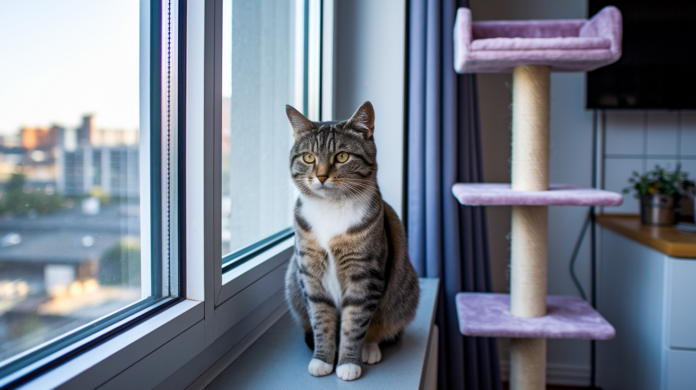

Think a cat will thrive anywhere, even a tiny apartment?
Not true. Some breeds get anxious, loud, or destructive without room to roam.
The best apartment cats are calm, handle indoor routines, and don’t need a backyard to be content.
We focus on real life: noise, grooming, exercise needs, and how much alone time a cat can tolerate.
Read on for the breeds that fit small spaces, and the trade-offs you should know before you bring one home.
Key Qualities That Make Certain Cats Ideal for Apartment Living
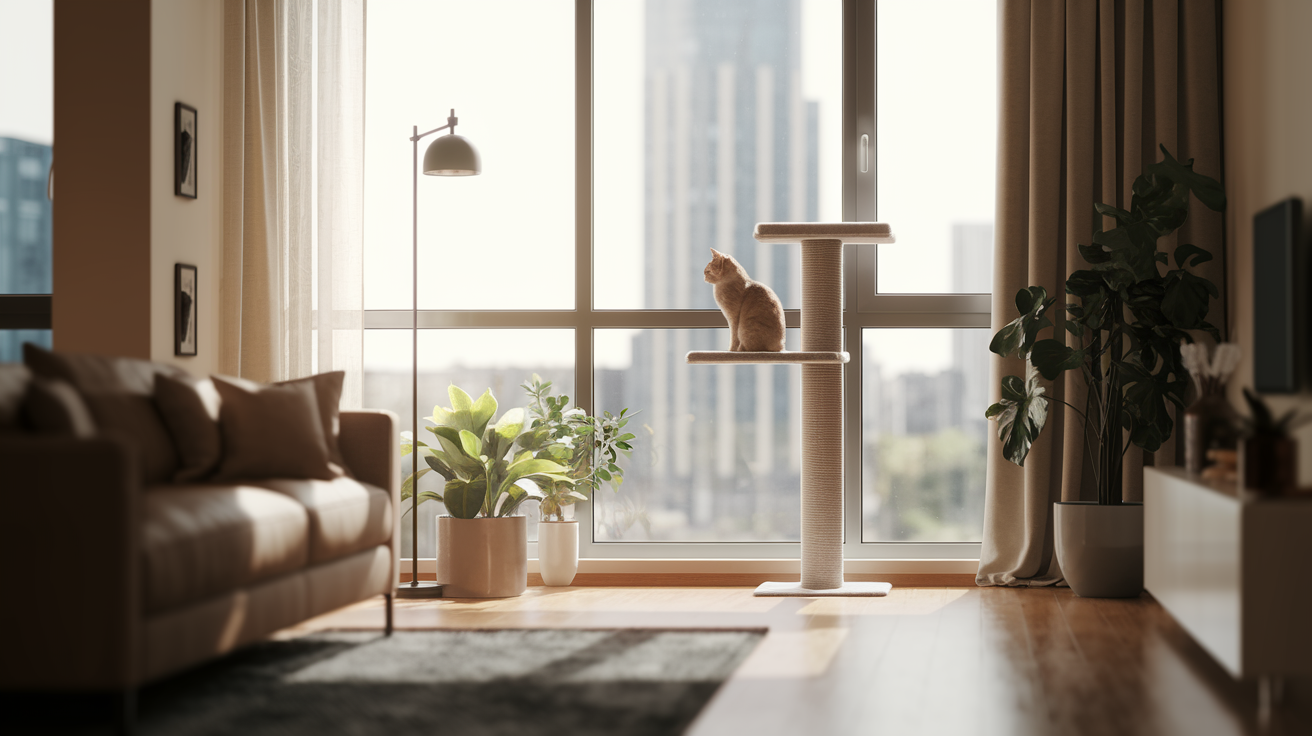
The best apartment cats share a few foundational traits. Calmness, comfort with indoor routines, and activity levels that don’t require a backyard. These cats adapt to smaller spaces without stress, and they’re content with vertical exploration instead of long sprints down hallways. Apartment friendly breeds typically have lower energy needs, meaning they can get enough stimulation from short play sessions, window watching, and climbing a cat tree.
Noise level matters when you share walls with neighbors. Quiet cats are less likely to trigger complaints. They’re easier on your own nerves during work calls or early mornings too. Shedding tendencies also come into play, as loose fur in a small space can feel overwhelming quickly. Sociability is important, but independence is just as valuable. The ideal apartment cat enjoys company but doesn’t demand constant interaction, especially if you work full time or travel occasionally.
Energy level determines how much enrichment work you’ll need to put in. High energy cats can thrive in apartments, but they’ll require intentional daily play, puzzle feeders, and climbing structures to burn off steam indoors. Lower energy breeds are easier to manage because they’re naturally more sedentary and less likely to invent trouble when bored.
Top traits to look for in an apartment cat:
- Quiet or low to moderate vocalization
- Low to moderate energy, content with indoor life
- Friendly but not clingy, tolerates alone time
- Easily trained to routines and boundaries
- Adaptable to daily schedules and smaller territory
Best Cat Breeds for Apartment Living
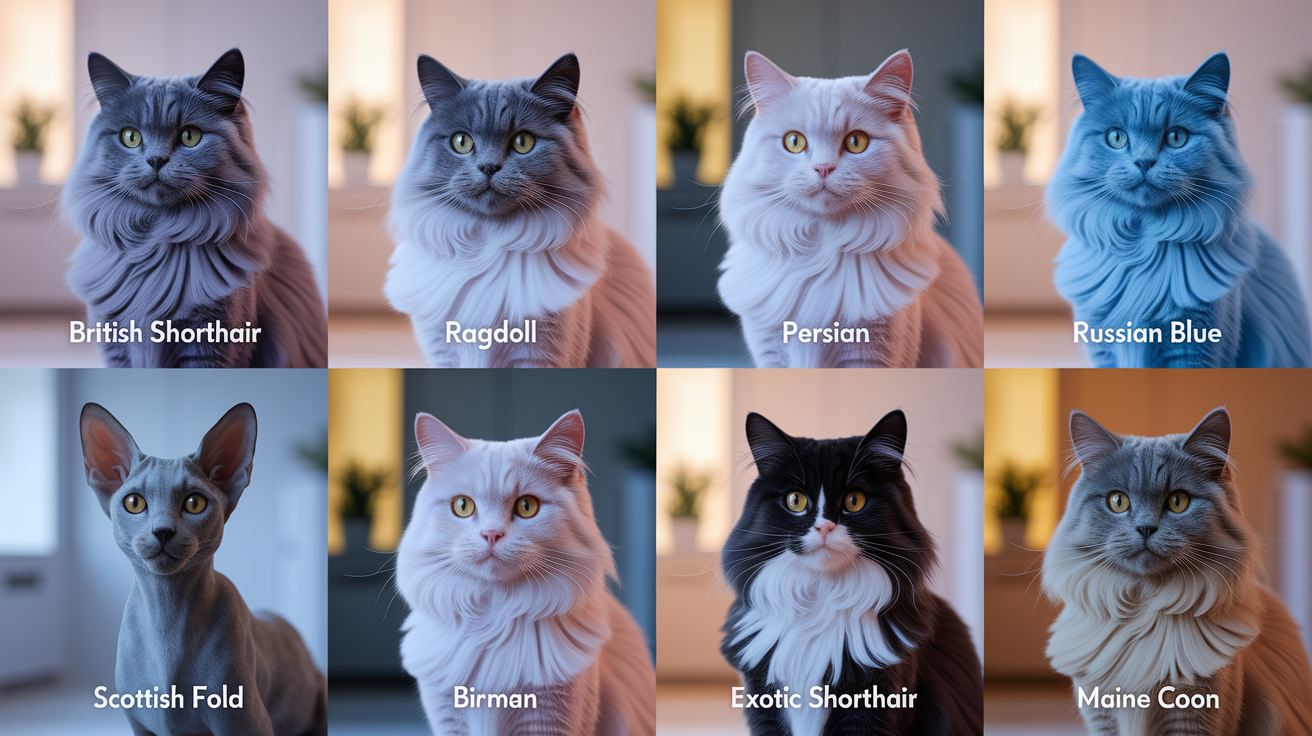
These breeds consistently show up on apartment friendly lists because they check the key boxes for calm temperament, manageable activity, and indoor contentment. Each one brings a slightly different personality and care requirement, so you can match a breed to your daily schedule and what you’re willing to handle for grooming or interaction.
1. British Shorthair
Calm, easygoing, and happy to lounge most of the day. The British Shorthair tolerates being left alone during work hours without acting out. This breed is affectionate on its own terms and doesn’t demand constant attention, making it a solid fit for working singles or couples.
2. Ragdoll
Despite being a larger breed, Ragdolls are famously docile and low energy, content to drape themselves across furniture or follow you from room to room without hyperactivity. They’re gentle. Quiet. And they thrive indoors with minimal outdoor curiosity.
3. Persian
Persians are the definition of low activity. They prefer lounging to jumping, and they’re observant rather than mischievous. The trade off is daily grooming to prevent mats and regular face cleaning, so this breed works best for someone who enjoys hands on cat care.
4. Russian Blue
Affectionate yet independent, Russian Blues bond with their people but handle alone time gracefully. They’re playful in short bursts, intelligent enough to entertain themselves with puzzle toys, and naturally quiet. That makes them excellent for noise conscious apartment dwellers.
5. Scottish Fold
Recognizable by their folded ears, Scottish Folds are laid back and low energy, happy to spend most of the day in a sunny spot or curled up on the couch. They adapt well to routines and are generally quiet, with no strong urge to roam large spaces.
6. Birman
Birmans are gentle, social cats that form close bonds without being clingy. They’re quieter than breeds like Siamese, moderately active, and content with indoor play and vertical climbing. Their semi long coat requires brushing a few times a week but isn’t as high maintenance as a Persian.
7. Exotic Shorthair
Think of the Exotic Shorthair as a Persian with a short coat and slightly more energy. They’re calm, affectionate, and happy indoors, but grooming is far easier. Just weekly brushing. This breed suits someone who wants Persian like companionship without the daily grooming commitment.
8. Maine Coon
Despite their size, Maine Coons are surprisingly apartment friendly because of their gentle, easygoing nature. They’re adaptable to indoor life, not hyperactive, and they get along well with families or other pets. They do need vertical space to stretch out and climb, and weekly brushing keeps their coat manageable.
How to Prepare Your Apartment for a Cat
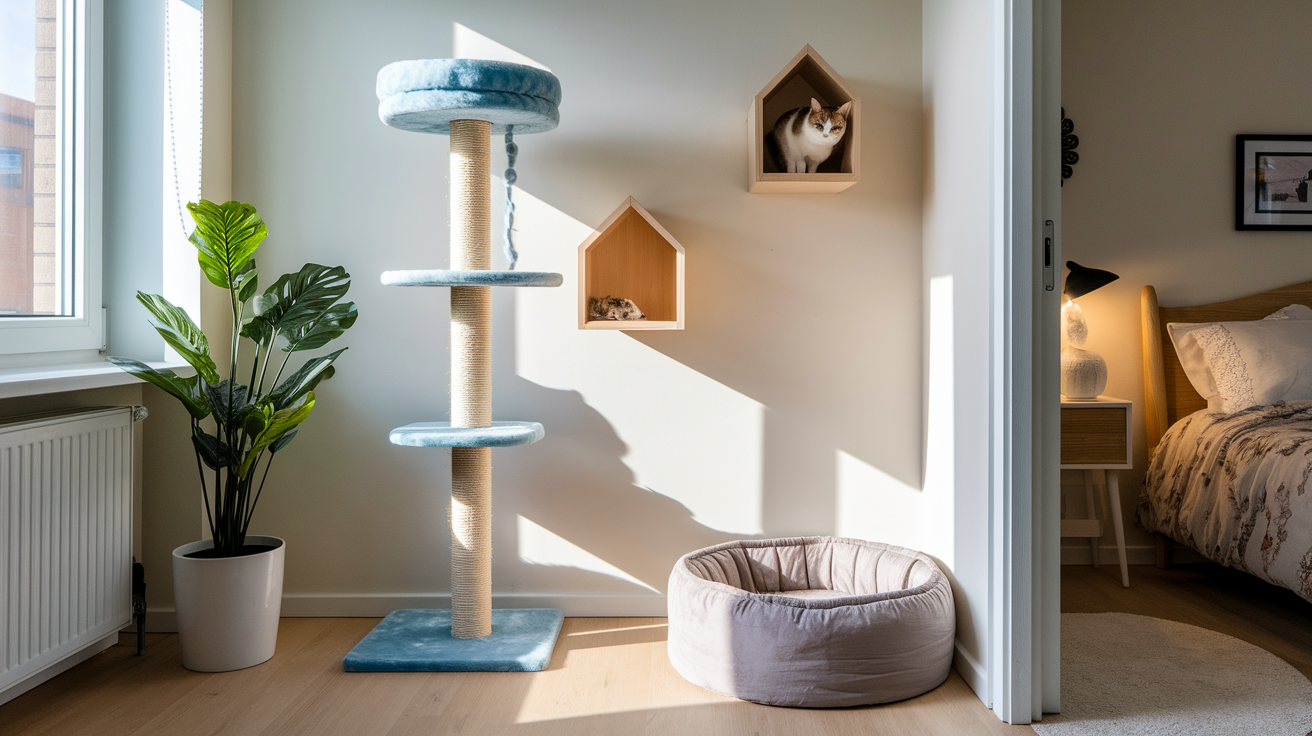
Cats thrive in apartments when you give them vertical space, not just floor space. Installing a cat tree near a window or adding shelves along a wall lets a cat climb, perch, and survey their territory without needing a large footprint. Vertical zones also help cats feel secure and reduce stress in small quarters. If you have high ceilings, use them.
Scratching areas prevent furniture damage and give cats a healthy outlet for natural behaviors. Place at least one scratching post near where your cat sleeps and another near a main doorway or high traffic area. Mix vertical posts with horizontal scratching pads to cover different preferences. Resting spots matter too. Cats need quiet corners or enclosed beds where they can retreat when overstimulated. Avoid placing beds in high traffic paths or near noisy appliances.
Safety checks are essential before bringing a cat home. Secure window screens or install netting on balconies to prevent falls. Remove toxic plants like lilies, pothos, and philodendron. Bundle loose cords with clips or covers to reduce chewing risk. Check under sinks and cabinets for cleaning supplies or chemicals, and make sure they’re locked or moved to higher storage. A small apartment means fewer hiding spots for hazards, but it also means you can cat proof thoroughly in an afternoon.
Enrichment Ideas to Keep Apartment Cats Happy
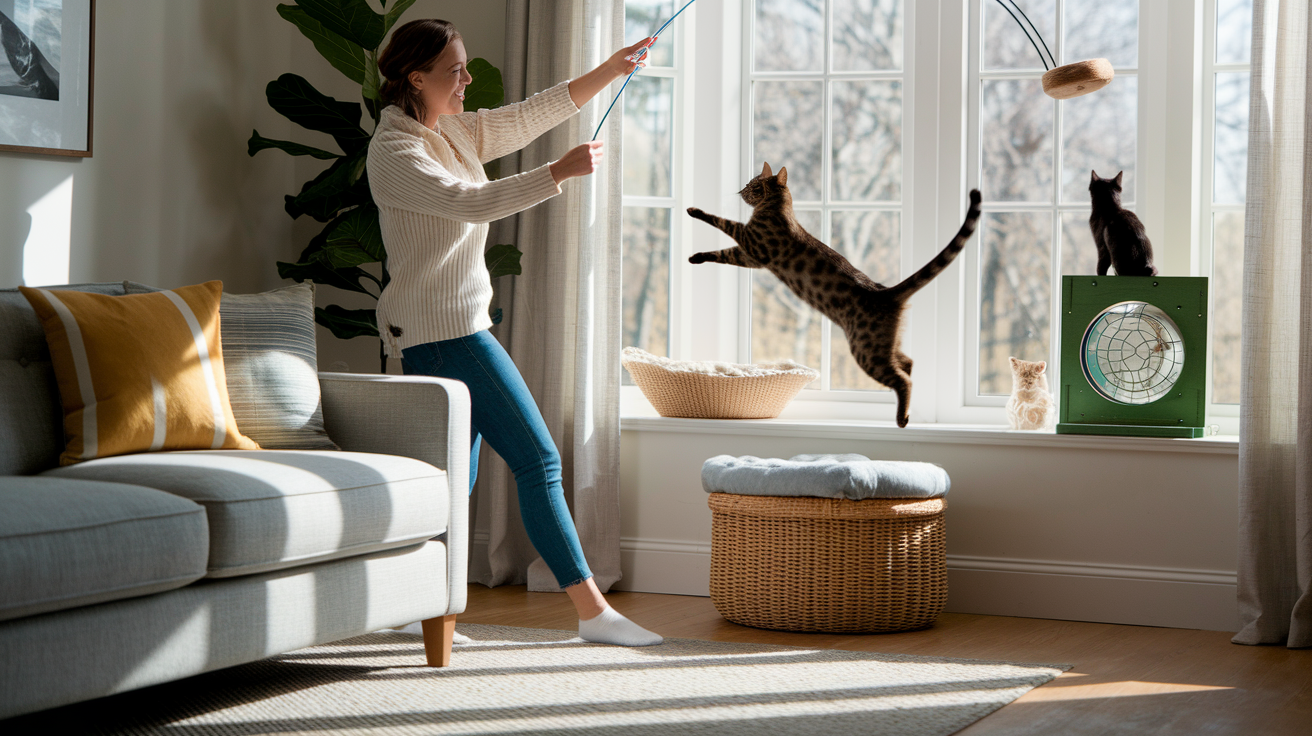
Enrichment prevents boredom, stress, and destructive behavior in indoor cats. Without it, even calm breeds can develop anxiety, vocalize excessively, or redirect energy into scratching furniture or knocking things off counters. Daily interactive play, even just 10 to 20 minutes split into two sessions, makes a huge difference. Wand toys, laser pointers, and crinkle balls let you mimic hunting behavior, which satisfies natural instincts and burns off energy.
Mental stimulation matters as much as physical play. Rotating toys every few days keeps them interesting. Puzzle feeders slow down eating and make mealtime an activity instead of a quick gulp. Window perches give cats hours of passive entertainment watching birds, people, or traffic. Some cats enjoy cat TV videos or apps designed with moving prey on screen.
Practical enrichment tools for apartment cats:
- Puzzle feeders or treat dispensing toys for mental work
- Wand toys or laser pointers for daily 10 to 15 minute play sessions
- Window perches or cat shelves for passive observation time
- Rotating toy selection (keep 6 to 10 toys, swap half every week)
Understanding Apartment Pet Policies and Restrictions
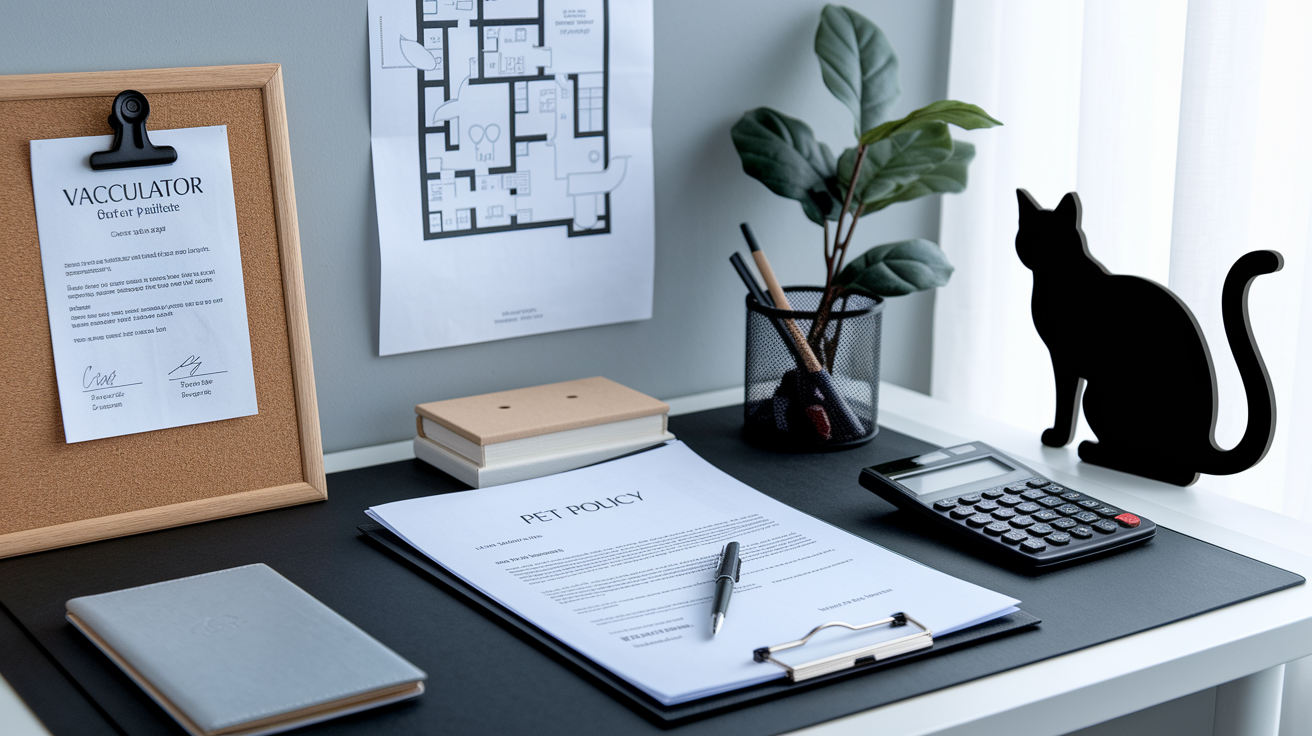
Most apartments allow cats, but the specifics vary widely by building and landlord. Common requirements include a one time pet deposit (typically $200 to $500), monthly pet rent ($25 to $75), and proof of vaccinations or spay/neuter status. Some complexes limit the number of pets to one or two, and a few have breed restrictions, especially for exotic or “designer” breeds. Read your lease carefully before committing.
Weight limits are less common for cats than dogs, but noise rules apply universally. If your cat vocalizes frequently or causes neighbor complaints, you could face warnings or lease violations. Choosing a quieter breed and providing enrichment reduces that risk. Landlords may also require renter’s liability insurance that covers pet damage, especially if you’re adopting a high energy or younger cat.
Check lease terms for move out expectations. Some deposits are refundable if there’s no damage. Others are nonrefundable fees that cover cleaning or wear. Ask whether the building allows scratching posts attached to walls or if you’re limited to freestanding furniture. Clarify balcony rules if you plan to install netting or let your cat enjoy supervised outdoor time. The earlier you understand the rules, the fewer surprises you’ll face later.
Final Words
Jump right in: we covered the traits that make a cat suited to small spaces—quiet, calm, adaptable—and gave a short list of breeds that often fit apartment life, from British Shorthair and Ragdoll to Persian, Russian Blue, Scottish Fold, Birman, Exotic Shorthair, and even Maine Coon (gentle for its size).
We also walked through prepping your place, simple enrichment ideas, and checking lease rules. Focus on daily energy and noise. With a bit of planning, the best cats for apartments can be relaxed, playful companions.
FAQ
Q: What is the 3-3-3 rule for cats?
A: The 3-3-3 rule for cats is a guide for new-cat adjustment: 3 days hiding, 3 weeks to learn the home and routine, and about 3 months to feel fully settled and confident.
Q: What is the calmest indoor cat?
A: The calmest indoor cat is often breeds like Ragdoll, British Shorthair, Persian, Exotic Shorthair, or Russian Blue — generally low-energy, quiet, and affectionate, though individual personalities vary.
Q: Why do landlords say no to cats?
A: Landlords say no to cats because of allergies, potential damage, noise, extra cleaning, liability, and building rules; always check lease pet clauses, ask about deposits or fees, and get permission in writing.
Q: What annoys cats the most?
A: What annoys cats most are sudden loud noises, rough or unpredictable handling, blocked exits, dirty litter boxes, and inconsistent routines — fixable with calm handling, clean boxes, and steady daily routines.