

Think all cats make fine solo roommates? Not true for every cat.
Some breeds really do better on their own, and picking one can save you stress, messy litter surprises, and a lot of midnight meows.
This ranked guide points to the top independent felines—Russian Blue, British Shorthair, Maine Coon, and more—and tells you what alone time actually looks like at home: how long they tolerate it, grooming and enrichment needs, and the simple prep to keep them calm.
Read on to see if an independent cat fits your life.
Ranked Overview of Cat Breeds Best Suited for Being Left Alone

Some cats just do better on their own. It’s not that they don’t like you, they’re just wired differently.
- Russian Blue – Reserved, loves routine, doesn’t need much from you socially
- British Shorthair – Calm, independent, shows affection when they feel like it
- Norwegian Forest Cat – Born explorer, pretty self-sufficient
- Chartreux – Quiet watcher, perfectly fine with solitude
- Exotic Shorthair – Laid-back buddy, can handle long stretches alone
- Maine Coon – Friendly but not clingy, manages alone time like a champ
- Ragdoll – Relaxed by nature, adjusts to solo hours
- American Shorthair – Easy-going, doesn’t demand constant attention
- Siamese – Social sure, but handles a full workday
- Scottish Fold – Gentle couch companion, content doing their own thing
Most adult cats from these breeds can handle 8 to 24 hours alone without stress if they’ve got enrichment, clean litter, and fresh water. Some adapt to 24 to 48 hours with timed feeders and predictable routines, though you shouldn’t push past two days without someone checking in.
Understanding Independent Cat Personality Traits

Independent cats share a few key traits that make alone time manageable instead of stressful. They’re self-entertaining, they like routine, and they’re usually less vocal or clingy than social butterflies. These cats prefer predictable schedules, enjoy watching the world from high perches, and play solo without demanding you drop everything for them. Temperaments like these reduce separation anxiety and help cats stay calm when you’re at work or traveling.
But independence doesn’t mean you’re off the hook. Every cat needs mental stimulation, environmental enrichment, and quality playtime when you’re home. Ignoring social needs, even in stoic breeds, can lead to boredom, weight gain, or destructive behaviors over time.
Hallmark traits of alone-friendly cats:
- Comfortable entertaining themselves with toys or exploring their space
- Low vocalization and minimal attention-seeking behavior
- Strong attachment to routine and predictable feeding times
- Preference for perching, watching, or napping over constant interaction
- Ability to settle and relax without you nearby
Breed-by-Breed Breakdown of Cats Comfortable Being Alone

Low-Maintenance Independent Breeds
British Shorthair, American Shorthair, and Exotic Shorthair all bring calm dispositions, short coats, and low activity levels that suit busy households. British Shorthairs show affection on their own terms and happily nap through long workdays with minimal grooming, just weekly brushing during shedding seasons. American Shorthairs are famously adaptable, needing little more than routine feeding and occasional play. Exotic Shorthairs bring the same laid-back vibe with a plush coat that needs weekly care, though their short-nosed structure requires attention to breathing and eye health.
Calm Solitary-Friendly Breeds
Russian Blue, Chartreux, and Scottish Fold thrive in quiet, predictable environments. Russian Blues bond selectively with one or two people but handle solitude well thanks to their reserved, routine-loving nature. Occasional brushing and a window perch keep them happy. Chartreux cats are gentle observers who prefer calm homes. They need moderate grooming and appreciate puzzle toys during alone time. Scottish Folds are easygoing loungers with signature folded ears, though genetic cartilage issues mean you should ask breeders or shelters about health screening before adopting.
Self-Sufficient Large Breeds
Maine Coon and Norwegian Forest Cat are confident, independent giants with outdoor-ancestor instincts. Maine Coons are friendly but not clingy, managing 12 to 48 hours alone if you provide climbing structures and interactive toys. Their long, shaggy coats demand grooming three times weekly to prevent mats. Norwegian Forest Cats are natural explorers who enjoy vertical space and solo hunting games, but their thick double coat requires several sessions per week, daily during heavy seasonal shedding, to stay tangle-free.
High-Energy but Independent Breeds
Abyssinian, Bengal, and Turkish Van are active, intelligent cats that self-entertain if given enough enrichment. Abyssinians are curious climbers who enjoy puzzle feeders and rotating toys. Their short ticked coats need only weekly brushing. Bengals retain wild-ancestor hunting drive and require substantial mental stimulation, cat trees, interactive play, and puzzle toys, to prevent boredom when alone. Grooming is minimal for short-coated Bengals. Turkish Vans are playful, water-loving cats who explore independently but benefit from scheduled interactive sessions when you’re home.
Unique Independent Personalities
Japanese Bobtail and Turkish Angora balance playful curiosity with comfort in solitude. Japanese Bobtails are adaptable, social explorers who enjoy both solo play and occasional companionship. Their short to medium coats are low-maintenance. Turkish Angoras are graceful, energetic cats with long silky fur that requires routine grooming to stay soft. They manage alone time well but need daily interactive play to channel high energy and prevent restlessness.
How Long Different Cat Breeds Can Be Left Alone

Adult independent breeds typically handle 8 to 24 hours of alone time without stress. Many adapt to 24 to 48 hours if you set up timed feeders, clean litter, fresh water, and plenty of enrichment before leaving. No cat should be left beyond 48 hours without a human check-in. Arrange at least one visit per day for multi-day absences, and consider boarding or professional pet-sitting for longer trips.
Kittens under six months and elderly or medically dependent cats should never be left more than 8 to 12 hours. Young cats need frequent feeding, litter checks, and socialization. Older cats may have medication schedules or mobility issues that require daily care.
| Cat Life Stage | Safe Alone-Time Range |
|---|---|
| Kittens (under 6 months) | 8 to 12 hours maximum |
| Adult independent breeds | 8 to 24 hours routinely; up to 48 hours with prep |
| Elderly or medically dependent | 8 to 12 hours maximum |
| Multi-day absence (any age) | Requires daily sitter visits or boarding |
Essential Enrichment for Cats Left Alone

Even the most independent cat needs mental and physical outlets when you’re away. Boredom leads to overeating, destructive scratching, or anxious behaviors. Enrichment prevents those problems. Aim for at least 20 minutes of interactive play daily when you’re home, using wand toys or laser pointers to simulate hunting. During alone hours, provide 3 to 5 types of independent enrichment so your cat can rotate activities and stay engaged.
A well-enriched environment includes vertical space for climbing and perching, windows for birdwatching, and food puzzles that slow eating and add challenge. Predictable routines, feeding at the same times, scheduled play sessions, help cats feel secure. Clean litter boxes and fresh water (ideally from a fountain to encourage drinking) are non-negotiable basics.
Essential enrichment tools:
- Puzzle feeders or food-dispensing toys to slow meals and stimulate problem-solving
- Window perch or cat tree for birdwatching and safe high vantage points
- Multiple independent toys (balls, springs, crinkle toys) rotated weekly to maintain novelty
- Scratching posts in main living areas to satisfy instinct and protect furniture
- Hiding spots or enclosed beds for security and rest between activities
- Automated water fountain to encourage hydration throughout the day
Grooming and Care Requirements for Independent Breeds
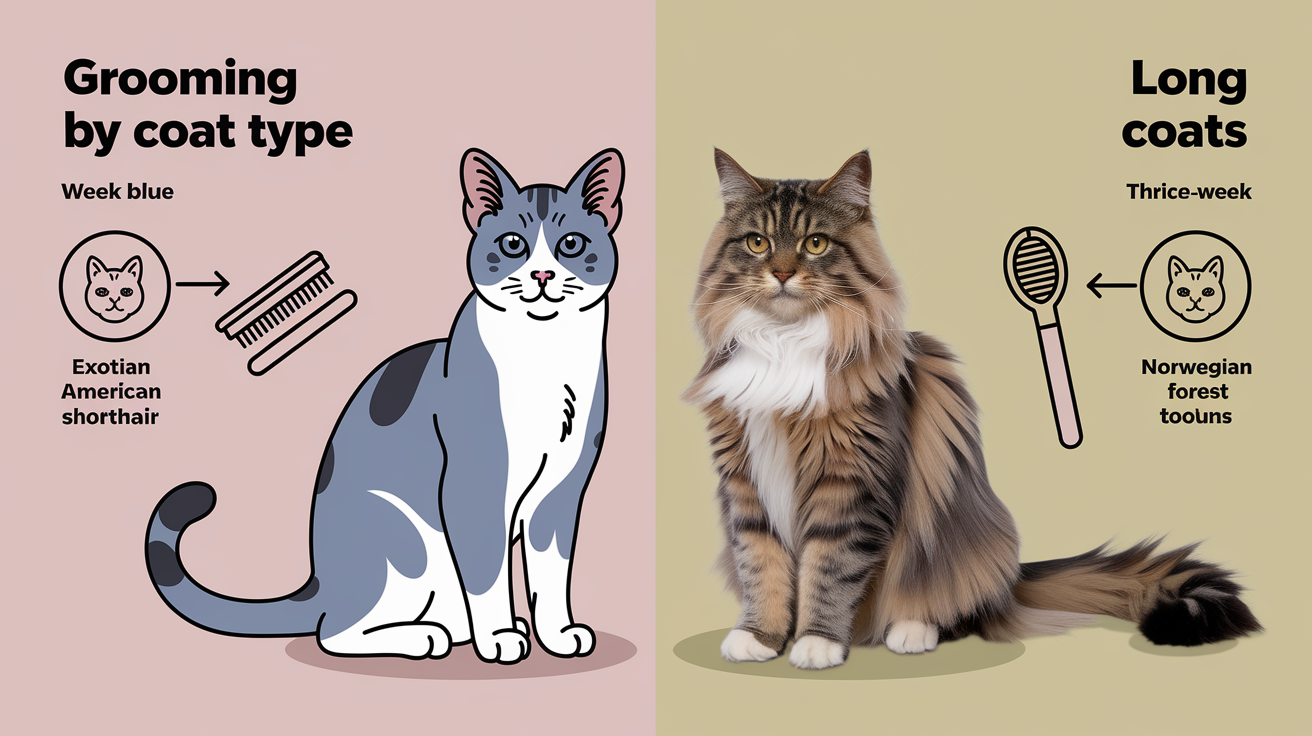
Grooming demands vary widely among independent breeds, and choosing one that matches your available time prevents stress for both of you. Short-coated cats like Russian Blue, American Shorthair, and Exotic Shorthair need weekly brushing to control shedding and keep coats smooth. Long-haired breeds, Maine Coon, Norwegian Forest Cat, Siberian, require grooming three times per week, with daily attention during seasonal shedding to prevent painful mats.
Clean litter is critical for any cat left alone regularly. The standard rule is one litter box per cat plus one extra, scooped daily. If you’re gone more than 12 hours, consider an automatic litter box, though you’ll still need to monitor and maintain the unit. Timed feeders help regulate meals and prevent overeating. Water fountains encourage drinking and reduce the risk of dehydration during long workdays.
Grooming frequency by coat type:
- Short, smooth coats (Abyssinian, Russian Blue, American Shorthair): weekly brushing
- Short, dense coats (British Shorthair, Exotic Shorthair): weekly brushing, more during shedding seasons
- Long, thick coats (Maine Coon, Norwegian Forest Cat): 3 times per week; daily during heavy shedding
- Silky long coats (Turkish Angora, Siberian): routine grooming several times per week to prevent tangles
Tools and Tech That Support Cats Spending Time Alone
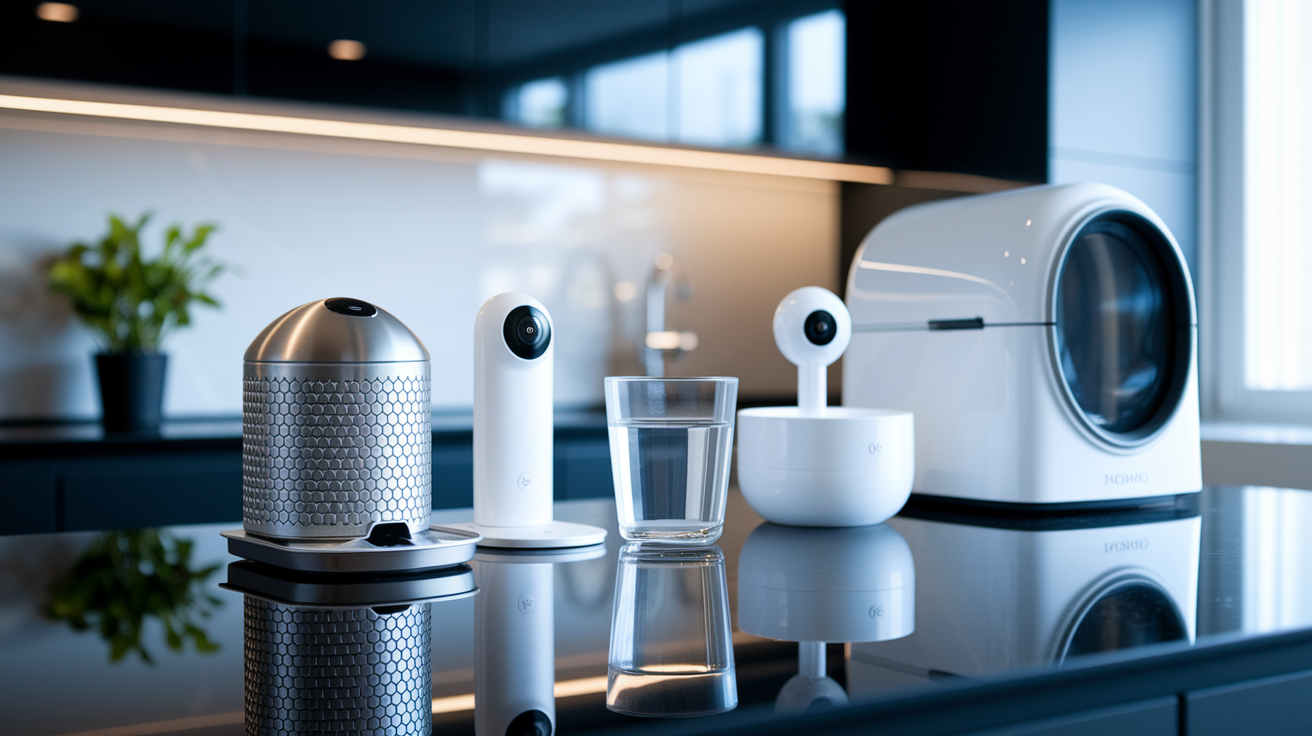
Modern devices make it easier to care for independent cats when you’re away for long hours. Automatic feeders deliver meals on schedule, preventing overeating and maintaining routine. Basic timed models work well, though Wi-Fi-enabled versions let you adjust portions remotely and monitor feeding via smartphone. Puzzle feeders add mental stimulation while slowing eating, which helps prevent boredom and weight gain.
Cat cameras provide peace of mind by letting you check in visually and, in some models, dispense treats or play recorded voice messages. Water fountains encourage hydration with moving water that stays fresher longer. Automatic litter boxes reduce odor and keep the box cleaner between scoops, though they require regular maintenance and aren’t suitable for all cats. Some find the noise startling.
Helpful tech tools:
- Timed or Wi-Fi automatic feeders for consistent meal schedules
- Puzzle feeders to combine feeding with mental enrichment
- Pet cameras with two-way audio for visual check-ins and voice interaction
- Water fountains to encourage drinking and maintain fresh water
- Automatic litter boxes to reduce daily scooping (monitor acceptance and maintain regularly)
Choosing the Right Independent Cat for a Busy Household

Matching a cat’s activity level and grooming needs to your schedule prevents frustration and ensures a good long-term fit. High-energy independent breeds like Abyssinians and Bengals handle alone time if you provide substantial enrichment and commit to daily interactive play when home. They’re less suited to very busy owners who can’t offer that stimulation. Calmer breeds like British Shorthair, Chartreux, and Exotic Shorthair require less daily engagement and adapt well to predictable workday absences with minimal fuss.
Adult cats, typically one to two years and older, handle solitude far better than kittens. Shelter cats often show mature independence and come with known temperament information from foster families or shelter staff. Ask about activity level, past living situations, and how the cat behaved when left alone. Those insights help you predict compatibility better than breed alone.
Individual personality always trumps breed tendencies. Spend time with a cat before adopting, watch how it reacts to your presence and absence, and ask about medical history, especially for breeds with known genetic issues like Scottish Fold cartilage problems or Exotic Shorthair breathing concerns. The right independent cat is one whose energy, grooming demands, and social needs align with the time and attention you can realistically offer every day.
Final Words
Match one of the top alone-tolerant breeds to your daily rhythm, then set up enrichment, reliable feeding, and a clean litter area.
This guide ranked helpful breeds, explained independent personality traits, gave a breed-by-breed breakdown, covered how long cats can be left alone, and listed grooming needs and tech that makes solo time safer.
If you need a quick pick, consider adult Russian Blue, British Shorthair, or Maine Coon. With planning, cat breeds that tolerate being alone can be calm, happy companions, and you’re ready to choose with more confidence.
FAQ
Q: What breed of cat can be left alone?
A: The breeds of cat that can be left alone include Russian Blue, British Shorthair, Maine Coon, Norwegian Forest, Chartreux, Ragdoll, and Sphynx—many tolerate 8–24 hours with enrichment and routines.
Q: What is the 3-3-3 rule for cats?
A: The 3-3-3 rule for cats means three days to adjust to a new place, three weeks to settle into routines, and three months to fully bond and show true personality.
Q: What breed of cat is quiet independent? What breed of cat is affectionate but independent?
A: Quiet, independent breeds include Russian Blue, Chartreux, and British Shorthair; affectionate but independent breeds include Ragdoll, Maine Coon, and Scottish Fold—match energy and grooming to your life.