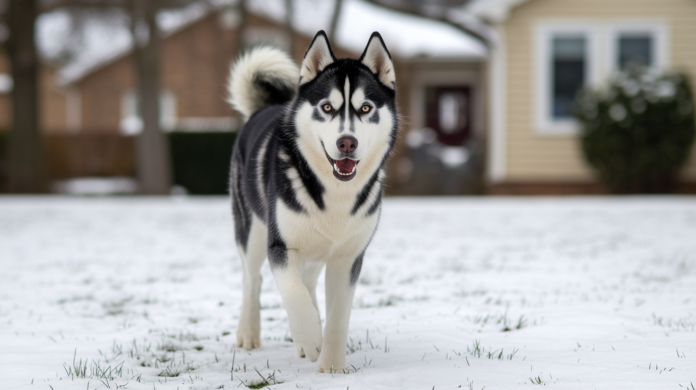

Love the wolf-like look of a Siberian Husky? That dazzling face hides a dog that needs way more time, exercise, and secure fencing than most people expect.
Huskies can be loyal, clean, and high-energy companions for active homes, but they’re also barky, stubborn, heavy shedders and expert escape artists, so they don’t fit well with long workdays, small apartments, or people who skip daily runs.
This post breaks down the honest pros and cons so you can decide yes, no, or not right now.
Is a Siberian Husky Right for You? (Quick Answer)

A Siberian Husky can be an incredible companion for the right household, but this breed demands way more time, energy, and patience than most first-time owners expect. If you’re working long hours, living in a small apartment, or you’d prefer a calm, low-maintenance pet, a Husky probably isn’t your best match. These dogs were bred to run for miles in brutal conditions, and that working-dog drive doesn’t just vanish because they’re living in a suburban home.
Huskies do best with active owners who can provide structure, secure containment, and daily vigorous exercise. They’re social, affectionate, and surprisingly clean. But they’re also vocal, stubborn, and expert escape artists. Before you fall for those striking blue eyes, think about whether your daily routine and living situation can realistically support what this breed needs.
Key factors that determine fit:
- Time commitment. You’re looking at 1 to 2+ hours of exercise daily, plus grooming and training time.
- Secure fencing. A 6 foot solid fence with buried barriers is often necessary to prevent escapes.
- Noise tolerance. Huskies howl, “talk,” and vocalize constantly. Not ideal for noise-sensitive housing.
- Climate considerations. They tolerate cold well but struggle in heat without air conditioning and shade.
- Experience level. Independent and strong-willed. Can be tough for first-time dog owners without training support.
Key Advantages of Owning a Siberian Husky
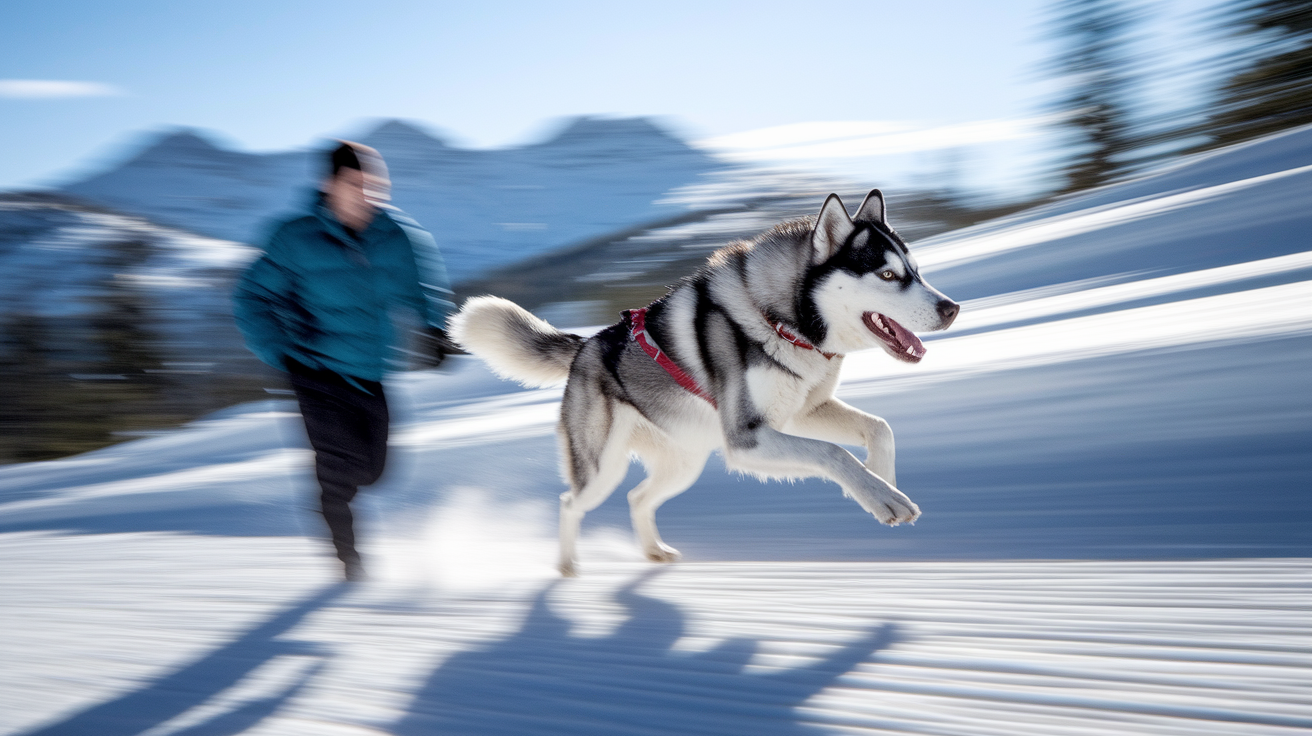
Huskies bring a unique combination of athleticism, loyalty, and surprisingly low-maintenance cleanliness that appeals to active families and outdoor enthusiasts. They’re pack-oriented dogs who form strong bonds with their humans and tend to be friendly rather than aggressive. This makes them terrible guard dogs but excellent companions for social households. Many owners are surprised by how naturally clean Huskies are. They groom themselves regularly and produce far less odor than many other breeds, thanks to less oily skin.
If you’re a runner, hiker, or someone who spends weekends on trails, a Husky can be the perfect adventure partner. They’ve got exceptional endurance and they’re happiest when they have a job to do, whether that’s pulling a sled, running alongside a bike, or simply keeping pace on a long mountain hike. Their intelligence and problem-solving ability also mean they can learn quickly when motivated. That same intelligence can work against you if they’re bored though.
Huskies are also generally good with children when properly socialized, and they often get along well with other dogs. Their pack mentality means they enjoy having canine companions. Many owners find that keeping two Huskies together helps meet their social and exercise needs more easily than managing a single dog.
Core advantages of the breed:
- Friendly and sociable. Rarely aggressive. Typically good with people and other dogs.
- Low odor and self-grooming. Naturally clean with less “dog smell” than many breeds.
- Exceptional stamina. Built for endurance. Ideal for active outdoor lifestyles.
- Striking appearance. Wolf-like look with distinctive eyes and thick coat turns heads.
- Pack-oriented loyalty. Forms strong bonds with family members.
- Adaptable companionship. Can thrive in active households with proper training and structure.
Main Disadvantages of Owning a Siberian Husky
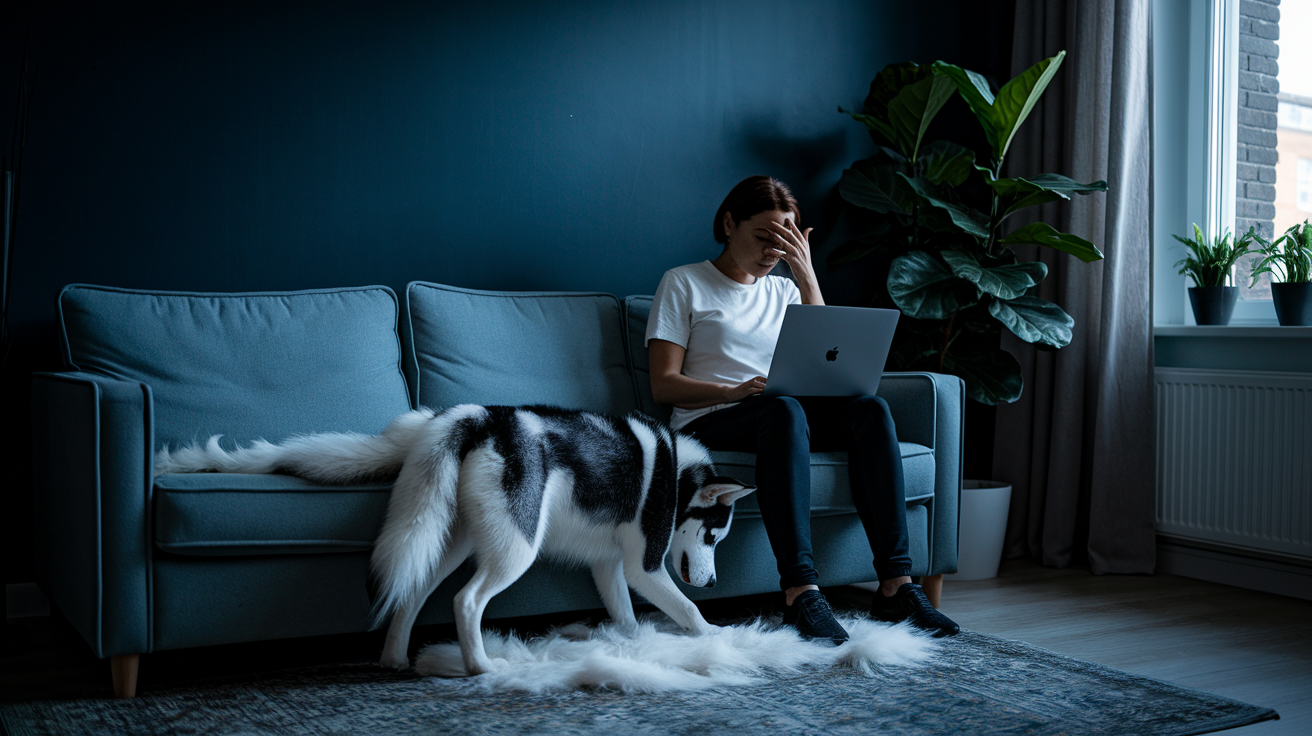
The same traits that make Huskies appealing can become serious challenges if you’re not prepared. Their independence and intelligence translate into stubbornness during training, and they’ll test boundaries repeatedly if they sense inconsistency. Many new owners underestimate how much daily exercise this breed truly needs. Skipping a day or two of vigorous activity often results in destructive chewing, digging, or other problem behaviors. A bored Husky will invent their own entertainment, and it’s rarely something you’ll appreciate.
Escape behavior is one of the most commonly reported frustrations. Huskies are notorious for slipping collars, squeezing through small gaps, digging under fences, and jumping over barriers that would contain other breeds. Owners describe them as “masters of escape,” and many have stories of their dog vanishing within seconds of an open door or gate. Secure containment isn’t optional. It’s a daily necessity.
Shedding is another reality that surprises people. Huskies shed heavily year-round and “blow” their undercoat twice a year in dramatic fashion. During those blowout periods, which last several weeks, you’ll find clumps of fur everywhere no matter how often you brush. Add in their vocal nature (howling, “talking,” and other persistent noises) and you have a breed that’s often unsuitable for apartment living or close-neighbor situations.
Primary downsides to consider:
- High escape risk. Skilled at digging, climbing, and slipping restraints. Requires vigilant containment.
- Heavy year-round shedding. Constant fur plus two intense seasonal blowouts lasting weeks.
- Stubborn and independent. Training takes consistency and patience. Not eager-to-please like some breeds.
- Extremely high exercise needs. Minimum 1 to 2 hours daily. Under-exercised dogs become destructive.
- Strong prey drive. May chase cats, rabbits, and other small animals. Risky around small pets.
- Very vocal. Frequent howling and “talking” can disrupt neighbors and households.
Exercise and Activity Requirements
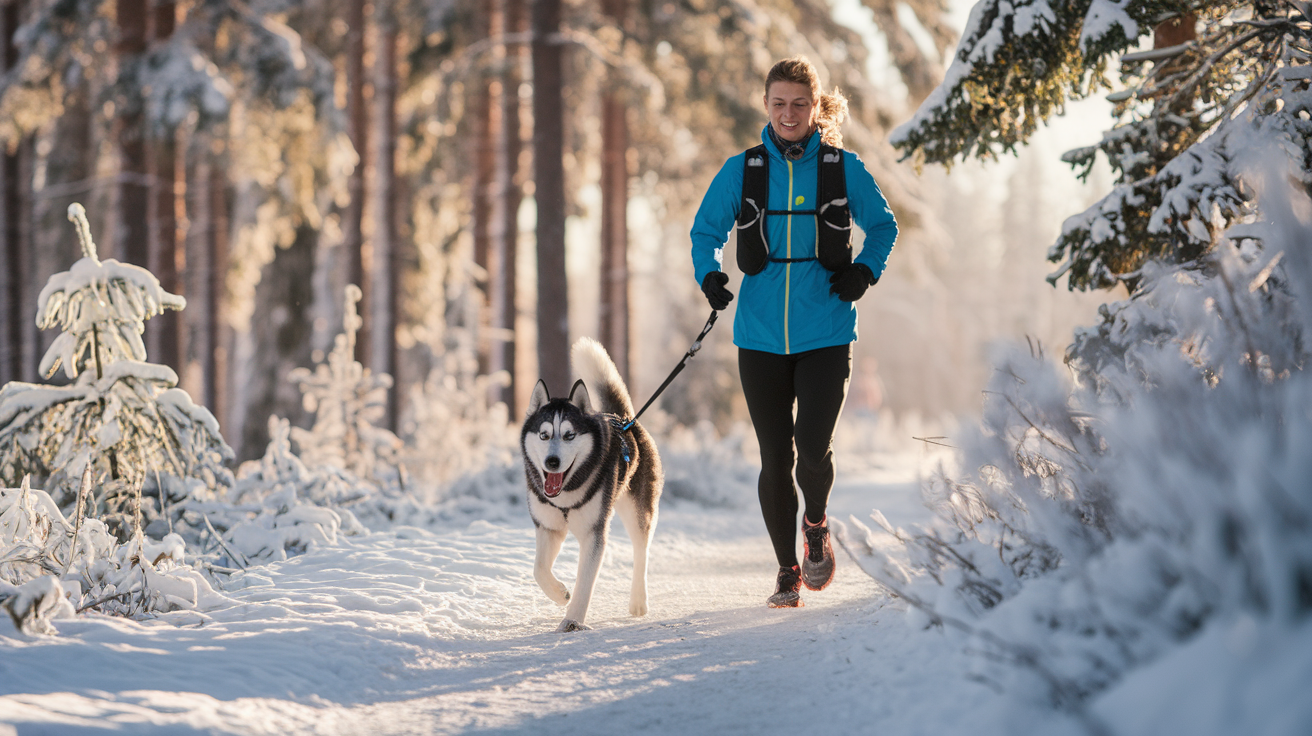
Siberian Huskies were bred to pull sleds across frozen tundra for hours at a time, and that working-dog stamina is still hardwired into the breed. A short walk around the block won’t cut it. Most owners report needing at least two 30 minute sessions of vigorous exercise daily as an absolute minimum, and many recommend far more. Some cite 2 to 3 hours of strenuous activity for a truly fit adult Husky. This isn’t a “nice to have” recommendation. It’s the baseline for preventing behavioral problems.
What counts as adequate exercise? Think running, hiking, bike rides where the dog can trot alongside, or off-leash play in a secure area where they can sprint. Huskies often run hard for 15 minutes and then rest for hours, so a mix of high-intensity bursts and steady endurance activities works well. Mental stimulation is just as important. Puzzle toys, training sessions, and interactive games help tire out their sharp minds and reduce boredom-driven mischief.
Suitable activities for meeting a Husky’s needs:
- Long-distance running or jogging. Gradually build stamina. Ideal for marathon-training owners.
- Hiking and trail running. Natural fit for their endurance and love of outdoor exploration.
- Pulling sports. Sledding, carting, or bikejoring tap into their bred purpose.
- Structured fetch or agility training. Combines physical and mental engagement.
Grooming and Shedding Expectations
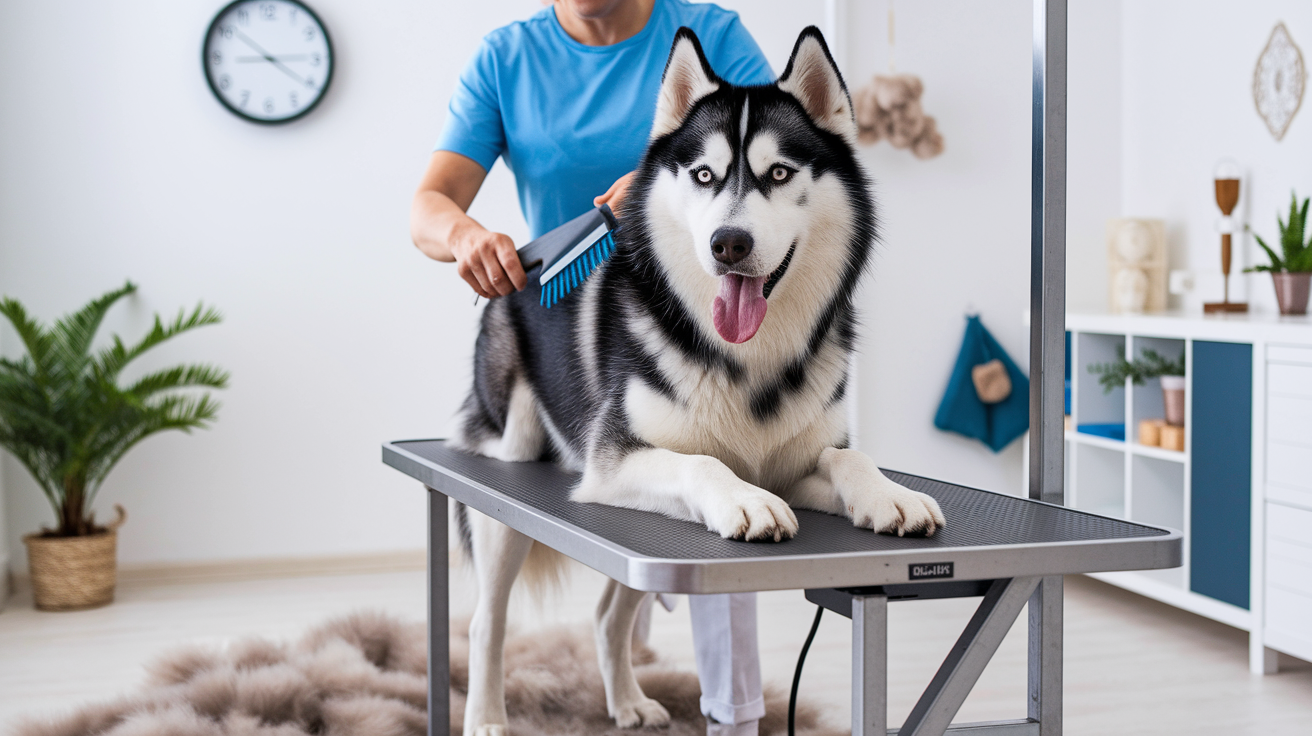
Huskies have a thick double coat. A soft undercoat for insulation and a coarser topcoat for protection. They shed constantly. Year-round, you’ll find fur on furniture, clothing, and floors, no matter how often you vacuum. Twice a year, in spring and fall, they “blow” their undercoat in a dramatic molt that lasts 2 to 4 weeks. During blowouts, brushing daily still won’t stop clumps of loose fur from appearing all over your home.
Regular brushing is necessary. Most owners brush weekly during normal periods and switch to daily brushing during seasonal sheds. An undercoat rake and a slicker brush are the go-to tools for managing the thick fur and pulling out loose undercoat before it lands on your couch. Despite the heavy shedding, Huskies are surprisingly low-maintenance in other grooming areas. They rarely need baths (every 2 to 3 months unless they get into something messy) and tend to keep themselves clean.
Core grooming tasks and tools:
- Weekly brushing (increase to daily during blowouts) with an undercoat rake and slicker brush.
- Seasonal blowout management. Expect 2 to 4 weeks of intense shedding twice a year. Budget extra time for brushing.
- Infrequent bathing. Every 2 to 3 months or as needed. Over-bathing can dry out skin.
- Routine maintenance. Nail trims, ear checks, and dental care on a regular schedule.
Training Difficulty and Behavior Tendencies
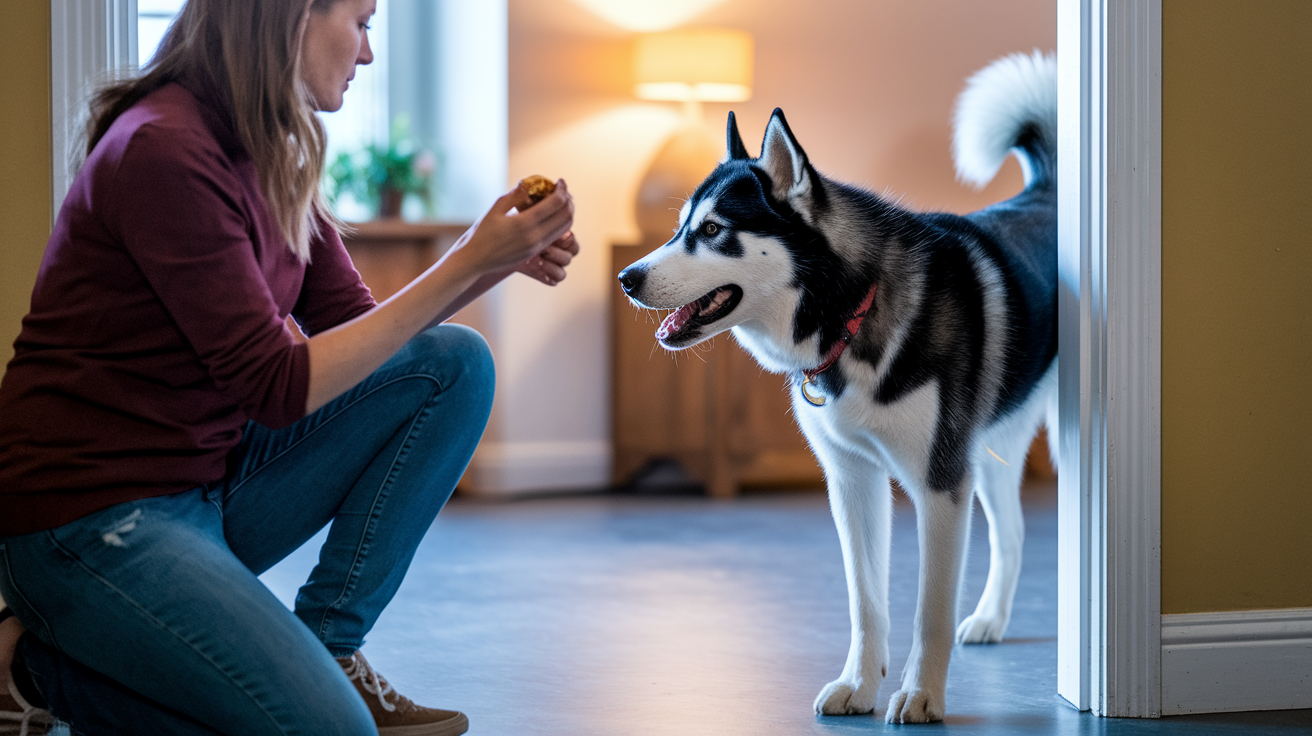
Siberian Huskies are intelligent, but they’re not bred to follow commands the way a Border Collie or Golden Retriever is. They were developed to make independent decisions while running long distances, and that independence shows up as stubbornness during training. A Husky will understand what you want. They’ll just decide whether it’s worth doing. Consistency and patience are non-negotiable, and even experienced owners report that training takes more time and creativity than with other breeds.
Early socialization and obedience training starting as puppies give you the best chance of success. Puppy classes typically run 6 to 8 weeks, and many owners continue with advanced training or regular refreshers to maintain good behavior. Positive reinforcement works far better than harsh corrections. Huskies shut down or become more defiant when treated too firmly. Recall training is particularly important given their tendency to bolt, but even well-trained Huskies may ignore commands if they catch an interesting scent or see something worth chasing.
Behavioral maturity can take 12 to 24 months, and some Huskies retain a mischievous, puppy-like energy well into adulthood. That problem-solving intelligence means they’ll test boundaries repeatedly, especially around doors, gates, and fencing. Treat every exit point as a potential escape route and supervise carefully until you’re confident in your dog’s training and your containment setup. This is the part people underestimate. Huskies require active management, not passive supervision.
Ideal Living Situations for a Siberian Husky

Huskies are best suited to homes with secure outdoor space and owners who spend significant time outside. A large, fenced yard in a suburban or rural setting is ideal, especially in cooler climates where the dog can enjoy outdoor time without overheating. Apartment living is possible but challenging. You’d need to commit to multiple long outings daily, manage noise complaints from howling, and accept that your living space will accumulate a lot of fur.
Climate matters. Huskies were bred for cold environments and tolerate winter weather far better than heat. In warm or tropical regions, you’ll need air conditioning, plenty of shade, constant access to water, and carefully timed exercise to avoid heat stress. Many owners in hot climates report keeping indoor temperatures around 69°F for comfort and limiting outdoor activity to early mornings or evenings. Increased shedding and potential overheating are real risks if you live somewhere consistently above 75 to 80°F.
| Environment Factor | Suitability Level | Notes |
|---|---|---|
| Cold climate (below 50°F / 10°C) | Excellent | Natural fit; thrives in snow and cold weather. |
| Warm climate (above 75°F / 24°C) | Poor to Fair | Requires AC, shade, water, and limited midday activity. |
| Apartment or condo | Poor | Noise and exercise needs make it difficult; only works with very active owners. |
| House with large, secure yard | Excellent | Ideal; provides space for activity and safe containment. |
| Urban setting with parks nearby | Fair | Workable if owner commits to multiple daily outings and secure leash control. |
Family and Household Compatibility

Siberian Huskies are generally friendly and affectionate with children, especially when raised with them or properly socialized from a young age. They’re playful and patient, and many families report that their Husky becomes a loyal companion to kids. That said, supervision is important with very young children. Huskies are energetic and strong, and an excited dog can accidentally knock over a toddler during play.
Other dogs are usually not a problem. Huskies are pack animals and often prefer having a canine companion. Multiple-dog households are common among Husky owners, and many find that keeping two dogs together helps meet social and exercise needs more effectively than managing a single dog. The challenge comes with small pets. Huskies have a moderate to high prey drive, and they may view rabbits, guinea pigs, cats, and other small animals as prey. Unless raised together from puppyhood, cohabitation with small pets is risky and requires constant supervision and secure separation.
Huskies aren’t ideal for owners who are away from home for long hours. They’re social dogs who don’t tolerate isolation well, and separation anxiety or destructive behaviors are common when they’re left alone regularly. If your work schedule keeps you out of the house most of the day, a Husky is likely to struggle. This breed thrives with active singles, couples, or families who can provide time, attention, and daily engagement.
Final Assessment and Decision Guide

A Siberian Husky is a great fit for active, patient owners with time for daily exercise, consistent training, and grooming. If you love the outdoors, have a secure yard, and can commit to at least an hour or two of vigorous activity every day, a Husky can be a rewarding companion. They’re loyal, affectionate, and bring a unique energy to the right household.
If you’re frequently away, live in a small space, struggle with pet hair, or prefer a calm, low-maintenance dog, this breed will likely overwhelm you. The reality is that many Huskies end up in rescues because owners underestimated the time, energy, and containment requirements. Adopting an adult Husky from a rescue can be a smart move. You’ll see the dog’s true temperament and may find one with existing training, which takes some pressure off the first year.
Questions to ask yourself before adopting:
- Can you provide 1 to 2+ hours of vigorous exercise every single day? If you skip walks for a few days, what happens in your home?
- Do you have secure fencing with no gaps, and are you prepared to reinforce it against digging and jumping? Can you supervise doors and gates carefully?
- Are you comfortable with constant shedding and two intense blowout seasons each year? Do you have time for daily brushing during those periods?
- Can you tolerate frequent howling and vocal behavior? Will your living situation allow for a noisy dog?
- Are you willing to invest time in consistent training and managing an independent, strong-willed personality? Do you have the patience for a dog who will test boundaries?
Final Words
You’ve seen what a Siberian Husky is like: friendly, high energy, stubborn, and very social. The post walked through advantages, drawbacks, exercise, grooming, training, home fit, and how they do with families.
If you want a dog that needs lots of daily activity and consistent training, a Husky can be a joyful match; if not, it’s probably not the one.
Use the decision checklist to honestly weigh the siberian husky pros and cons, and if the boxes line up, you’ll have a playful, loyal companion that fills active days with personality.
FAQ
Q: What are the downsides of having a Husky?
A: The downsides of having a Husky include heavy seasonal shedding, high daily exercise and mental stimulation needs, escape risk and vocal behavior, stubborn training, and sensitivity to heat, all requiring time and secure space.
Q: Is a Siberian Husky a good house dog?
A: A Siberian Husky can be a good house dog if you provide 1–2 hours of daily exercise, a secure yard, regular grooming, cool conditions, and consistent training; without that they tend to be noisy and destructive.
Q: Who should not own a Husky? Is owning a Husky difficult?
A: People who should not own a Husky are those lacking time, a secure yard, patience for training, or tolerance for heavy shedding; owning a Husky is difficult without daily exercise, firm rules, and some dog experience.