

Think small cats are just kittens that never grow? Think again.
Several recognized breeds stay tiny as adults, often (4 to 10 pounds), so they’ll fit your lap, carrier, and yes, sometimes your sweater drawer.
That sounds cute, but small size brings real trade-offs: energy, grooming needs, and breed-specific health notes you’ll want to know.
In this post you’ll meet the breeds that stay small, learn what life with each one really looks like, and get a quick decision guide so you can choose the right tiny companion.
Smallest Domestic Cat Breeds and Their Average Sizes

The average domestic cat weighs about 10 pounds. But some recognized breeds stay way smaller throughout their adult life, usually settling between 4 and 10 pounds. These breeds didn’t shrink by accident. Some evolved naturally in isolated regions where resources were tight. Others carry specific genetic mutations that keep their frames compact or their legs short. Knowing the typical adult weight helps you plan for litter box size, carrier fit, and how much space your cat actually needs day to day.
Here are the smallest domestic cat breeds and their typical adult weights:
Singapura – 4 to 8 pounds. Often called the tiniest purebred. Females tend toward the lower end.
Munchkin – 5 to 9 pounds. Short legs make them look even smaller than the scale shows.
Cornish Rex – 6 to 10 pounds. Slim, leggy build with a tiny waist.
Devon Rex – 5 to 9 pounds. Light frame with surprisingly large ears.
American Curl – 5 to 10 pounds. Known for curled back ears. Females often stay under 7 pounds.
Bambino – 4 to 9 pounds. Hairless Munchkin cross. Compact and warm to the touch.
Dwelf – 4 to 9 pounds. Combines hairless skin, short legs, and curled ears in one tiny package.
Siamese – 6 to 10 pounds (females). Males can reach 14 pounds, so sex matters here.
Turkish Angora – 5 to 9 pounds. Long, silky coat on a surprisingly lightweight frame.
Most of these breeds stay well below the 10 pound average, and many females never break 7 pounds. That’s the reality of living with a small cat. They fit in your lap, your carrier, and even your sweater drawer if you’re not careful.
Key Traits and Temperaments of These Smaller Breeds

Small size doesn’t predict calm behavior. Many of the tiniest breeds are also the most energetic. Singapuras and Cornish Rex cats are famous for their need to move, climb, and investigate. They treat curtain rods like jungle gyms and countertops like observation decks. If you skip a play session, expect middle of the night zoomies or creative destruction. These aren’t lap only cats. They want jobs, even if the job is chasing a feather wand for twenty minutes before dinner.
Other small breeds lean more social than athletic. Munchkins follow you from room to room and prefer being near people over solo exploring. Devon Rex cats are known for seeking warmth. Your shoulder, your laptop, the sunny spot you were about to sit in. They’re affectionate without being hyper, though they still enjoy interactive toys. Dwelf and Bambino cats, thanks to their Sphynx heritage, act like Velcro. They want skin contact, and they’ll nudge under your hand until you pet them. That’s the trade off: less running, more demanding of your time and lap space.
Temperament varies more by individual than by size, but trends exist. Small breeds developed for companionship (American Curl, Munchkin, Devon Rex) tend to tolerate handling well and adapt to routine changes. Active breeds (Singapura, Cornish Rex, Siamese) need enrichment and won’t settle for a quiet house. If your home is low key and you want a quiet companion, choose carefully. Some of these tiny cats have loud personalities.
Factors That Influence a Cat’s Adult Size

Breed genetics set the baseline. A Singapura will never grow into a Maine Coon, no matter what you feed it. The genes that control bone length, muscle mass, and overall frame are locked in at conception. When you choose a purebred kitten, you’re basically choosing a size outcome. Mixed breed cats are harder to predict, but if both parents are small, the kittens usually stay small.
Nutrition during the first six months has a lasting impact. Kittens that don’t get enough protein or calories during their fastest growth phase may end up slightly smaller than their genetic potential. Overfeeding won’t make a small breed larger. It just makes them overweight. Health issues during kittenhood, like parasites or illness, can also stunt growth. Once a cat reaches about 12 months, the window for size changes mostly closes.
Four major factors shape adult size:
Genetics and breed lineage. The single biggest predictor. Purebreds follow breed standards closely.
Sex. Males typically weigh 1 to 3 pounds more than females in the same breed.
Spay/neuter timing. Cats fixed before full maturity may grow slightly taller (longer bones) but often gain weight more easily.
Early life nutrition and health. Malnutrition or chronic illness before 6 months can reduce final size.
If you want the smallest possible adult cat, choose a female from a naturally tiny breed like Singapura or Bambino. Males of the same breed will usually be noticeably heavier.
Choosing the Right Small Cat for Your Lifestyle
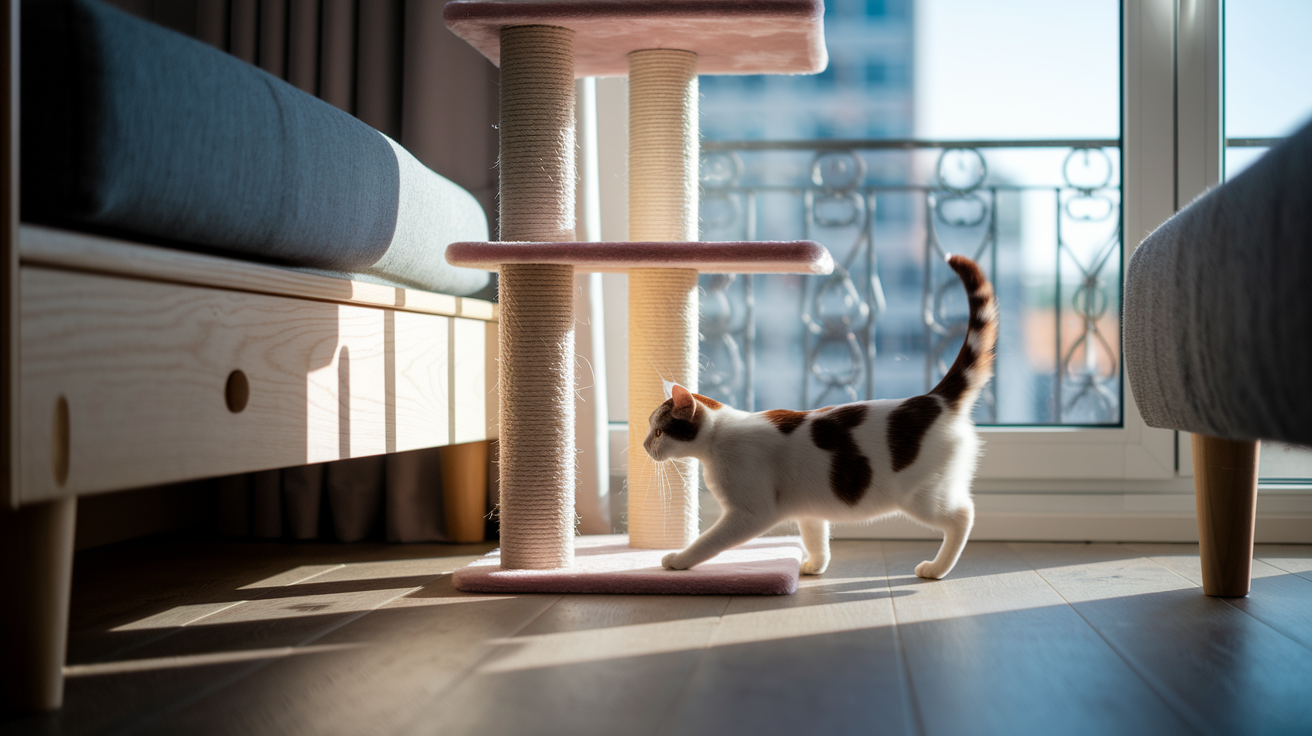
A small cat fits in a studio apartment, but that doesn’t mean every small breed thrives there. Singapuras and Cornish Rex cats need vertical space and daily play even in a 400 square foot apartment. They’ll scale your bookshelves and knock things off counters if they’re bored. Munchkins and Devon Rex cats adapt better to smaller spaces because they’re less likely to parkour off your walls, though they still need scratching posts and at least one good play session a day. If your place is tiny and your schedule is packed, look for a breed that’s affectionate but not hyperactive. American Curl or Munchkin.
Grooming is another daily life factor. The Turkish Angora has a gorgeous coat, but it mats if you skip brushing. Plan on combing twice a week minimum. Hairless breeds like the Sphynx, Bambino, and Dwelf don’t shed, but their skin produces oils that need regular bathing. Think monthly, not yearly. Cornish and Devon Rex cats shed very little and only need a quick weekly brush. If you hate vacuuming and don’t want to bathe a cat, those Rex breeds are the sweet spot.
Key compatibility points to consider:
Energy level. High energy breeds (Singapura, Cornish Rex) need active play. Moderate breeds (Munchkin, American Curl) are calmer.
Grooming commitment. Hairless breeds need baths. Long haired breeds need brushing. Short, low shedding coats are easiest.
Noise and activity tolerance. Some small cats are vocal (Siamese) or constantly in motion. Others are quieter observers.
If you have young kids, choose a breed known for patience and social confidence. Munchkin and American Curl handle handling well. If you’re home alone most of the day, avoid breeds that crave constant companionship, like Devon Rex or Dwelf.
Common Questions About Cats That Stay Small
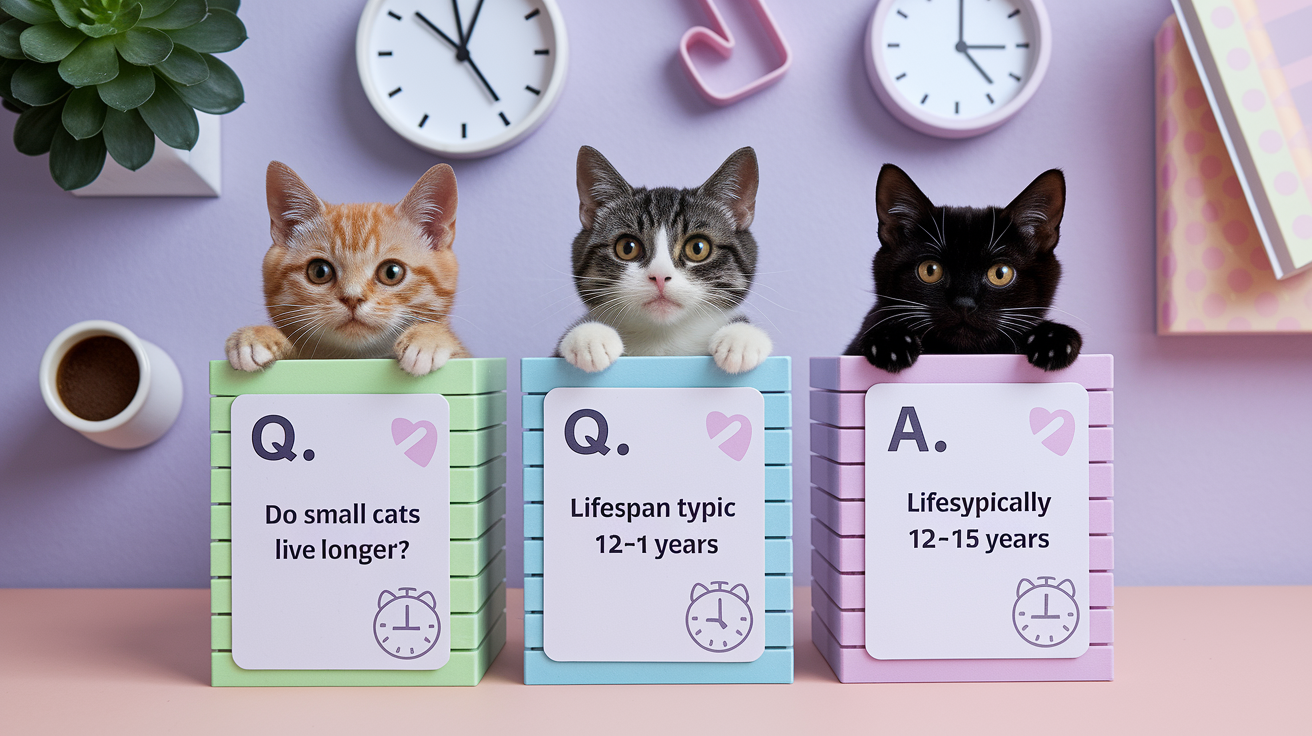
Do small cats live longer than larger cats?
Not necessarily. Lifespan depends more on genetics, health care, and breed specific issues than on size alone. Most small breeds live 12 to 15 years, which is typical for domestic cats overall. Some compact breeds, like the Singapura, are generally healthy and can reach 15+ years with good care. Others, like the Munchkin, may face joint or spine issues related to their short leg mutation, which can affect quality of life. Small size doesn’t equal fewer vet visits.
Are smaller cat breeds hypoallergenic?
No cat is truly hypoallergenic, but some small breeds produce less of the Fel d 1 protein that triggers allergies. Cornish and Devon Rex cats have less fur and shed minimally, so there’s less dander floating around your home. Hairless breeds like the Sphynx and Bambino don’t shed at all, but they still produce allergens on their skin, which transfers to furniture and your hands. If you have mild allergies, a low shedding small breed might work. Just plan to wash your hands after handling and vacuum regularly.
Will a small cat stay kitten sized forever?
Small breeds reach their adult size by about 12 months, sometimes 18 months for slower maturing individuals. They won’t stay kitten tiny, but they will remain noticeably smaller than the average 10 pound domestic cat. A 5 pound adult Singapura still looks and feels delicate compared to a standard tabby. The kitten face and playful energy often stick around longer in small breeds, which is part of their appeal. But the actual body size plateaus once growth stops.
Final Words
We listed the smallest domestic cat breeds with clear weight ranges, explained how temperament and energy vary, and showed what drives adult size.
You also got tips for picking a small cat for your home—apartment fit, grooming needs, and companionship—and quick answers to common questions people ask.
If you want a compact companion, this roundup of cat breeds that stay small should make the choice easier. Pick the one that fits your daily life, and enjoy the little cat you bring home.
FAQ
Q: What breed of cat stays tiny or doesn’t grow big?
A: Breeds that stay tiny or don’t grow big include Singapura (4–8 lbs), Munchkin (5–9 lbs), Cornish Rex (6–10 lbs), Devon Rex (5–9 lbs), American Curl (5–10 lbs), and many Siamese lines.
Q: What is the 3-3-3 rule for cats?
A: The 3-3-3 rule for cats describes settling in: 3 days hiding and adjusting, 3 weeks building a routine and trust, and 3 months to feel fully comfortable and bonded in a new home.
Q: Are there teacup cats?
A: Teacup cats are not a recognized, healthy breed; the term often markets undersized kittens and can signal genetic or health issues—opt for a reputable breeder or a naturally small breed instead.