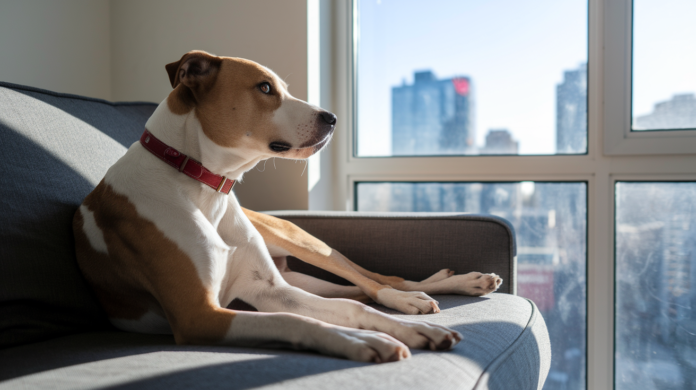

Think medium dogs need a backyard to be happy? Think again.
With the right breed and a steady routine, many 25 to 55 pound dogs do very well in apartments.
This quick guide to the best medium sized dogs for apartments points to breeds that tend to be quiet, shed less, and adapt indoors, plus the real trade-offs you’ll face: daily exercise, grooming time, health issues, and noise.
Read on so you can decide if a Whippet, French Bulldog, or Shiba Inu fits your life, not just your wish list.
Top Medium-Sized Dogs That Thrive in Apartments (Quick Answer)
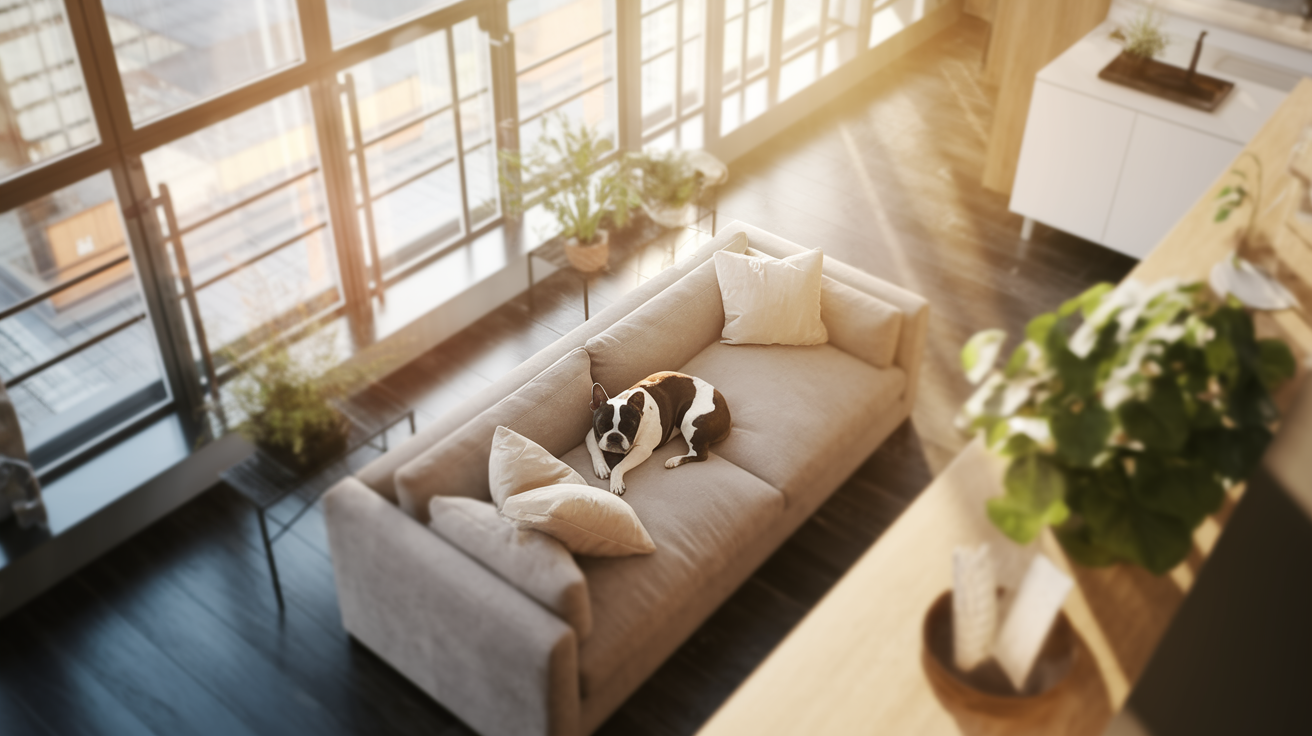
Not every medium-sized dog needs a house with a yard. Plenty of breeds in the 25 to 55 pound range live comfortably in apartments when you match them to the right routine and stay committed to their needs.
The best medium apartment dogs combine moderate energy, low noise, and manageable grooming with a calm indoor presence:
- French Bulldog — Quiet, low energy lap companion with minimal exercise needs
- Whippet — Gentle couch potato indoors despite athletic build. Needs daily walks
- Basenji — Naturally clean, minimal barking (makes unusual yodel sounds instead)
- Cocker Spaniel — Friendly and adaptable with moderate activity requirements
- Shiba Inu — Independent, tidy, and compact with cat-like grooming habits
- Shar-Pei — Calm, loyal guardian with low noise and moderate exercise needs
- Standard Poodle — Intelligent, hypoallergenic, and trainable but needs mental stimulation
These breeds succeed in smaller spaces because they adapt their energy to their environment. A Whippet will sleep twenty hours a day on your couch if you give it a good run first. A French Bulldog is happy with short potty walks and won’t demand marathon play sessions. A Basenji keeps itself clean and won’t disturb neighbors with constant barking.
The common thread? Predictability. These dogs don’t suddenly need three hours of exercise or develop nuisance barking when their needs are met. Daily structure, consistent training, and realistic expectations about grooming and activity make apartment life work.
Key Traits That Make a Medium-Sized Dog Apartment-Friendly

Energy level matters more than size. A 50 pound Whippet that naps all afternoon fits better in a studio than a 20 pound terrier that bounces off walls. Look for breeds described as “moderate energy” or “calm indoors” rather than “high drive” or “needs a job.” Dogs bred for endurance work or constant activity will invent trouble in a quiet apartment.
Noise tolerance separates good neighbors from eviction risks. Apartment walls are thin. A dog that barks at every footstep in the hallway or howls when left alone creates stress for you and complaints from neighbors. Quiet breeds like Basenjis, Whippets, and French Bulldogs rarely vocalize without reason. Breeds with guarding instincts or separation anxiety need more training to stay silent during the day.
Grooming and cleanliness define your daily load. A dog that sheds heavily means vacuuming every day and lint rollers in every room. Breeds with “doggy odor” or drool make small spaces feel smaller. Low shedding coats like the Poodle’s or naturally clean breeds like the Shiba Inu reduce daily maintenance. Regular professional grooming every six to eight weeks is manageable if it means minimal hair on furniture and clothes.
Adaptability to routine is the final test. Apartment dogs wait for scheduled potty breaks, tolerate elevator rides, and settle when you’re working from home. Stubborn or independent breeds need experienced owners who can enforce structure without frustration.
Individual Breed Profiles for Apartment Living

French Bulldog
The French Bulldog is built for apartment life. Weight typically falls between 16 and 28 pounds, with a stocky, compact frame that doesn’t need much room to move. Energy level is low. A couple of short walks per day and some indoor play satisfy most Frenchies. They’re not athletes and overheat quickly due to their short snouts, so strenuous exercise isn’t on the menu anyway.
Noise is minimal. French Bulldogs don’t bark much and tend to be quiet, content companions. They’re affectionate without being clingy and adapt well to being home alone for moderate stretches. Grooming is simple. Brush once or twice a week and clean the facial wrinkles regularly to prevent skin issues.
The trade-off is health. Breathing problems are common in the breed, and vet costs can add up. Heat sensitivity means air conditioning isn’t optional in summer.
Whippet
Whippets surprise people. They look like they need constant running, but indoors they’re gentle, quiet, and deeply lazy. Weight ranges from 25 to 40 pounds. They’ll sleep on the couch for hours, barely moving. The catch is they need a good run or brisk walk every day to stay calm. Without it, pent up energy can turn into destructive chewing or restlessness.
They’re one of the quietest breeds. Whippets rarely bark and don’t guard or alert. They’re sensitive dogs, prone to separation anxiety if left alone too long. A Whippet that feels abandoned may become destructive or anxious.
Grooming is almost non-existent. An occasional brush and nail trim is all they need. Their short coat offers no protection from cold, so sweaters are necessary in winter. Thin walls and neighbors won’t be an issue with a well exercised Whippet.
Basenji
Basenjis are called “barkless dogs” because they don’t bark. They yodel. The sound is unusual but not constant or loud enough to bother most neighbors. Weight sits between 22 and 24 pounds. They’re independent, clean, and groom themselves like cats. Shedding is minimal, and they don’t carry the typical dog smell.
Training can be difficult. Basenjis are stubborn and smart, often deciding whether a command is worth following. They need consistent, patient training from an experienced owner. Exercise requirements are moderate. Daily walks and some play keep them settled.
Separation anxiety isn’t common in the breed, but boredom is. A Basenji left alone without mental stimulation will find its own entertainment, often in ways you won’t like. If you want a low maintenance, quiet dog and can handle an independent personality, the Basenji fits.
Cocker Spaniel
Cocker Spaniels bring a friendly, adaptable temperament to apartment life. Weight ranges from 26 to 34 pounds. They’re affectionate without being overly needy and get along well with kids, other dogs, and strangers. Energy level is moderate. A couple of good walks and some playtime each day keep them happy. They’re not couch potatoes, but they’re not hyperactive either.
Grooming is the biggest commitment. Cocker Spaniels have long, silky coats that mat easily without regular brushing. Professional grooming every six to eight weeks is standard. Ears need frequent cleaning to prevent infections.
Separation sensitivity is a real concern. Cockers bond closely with their people and can become anxious or destructive if left alone too often. If you’re home frequently or can bring your dog to work, a Cocker Spaniel adapts beautifully to apartment living.
Shiba Inu
Shiba Inus are compact, clean, and independent. Weight typically ranges from 17 to 23 pounds. They’re naturally tidy, groom themselves often, and don’t shed excessively outside of seasonal coat blows. Shedding happens twice a year in heavy bursts, but regular brushing keeps it manageable. They’re quiet dogs. Barking is rare, and they don’t vocalize much indoors.
Training is harder than with most breeds. Shiba Inus are smart but stubborn. They’ll ignore commands if they see no benefit. Early socialization and firm, consistent training are necessary. Exercise needs are moderate to high. Daily walks and active play prevent boredom. A bored Shiba Inu may become destructive or difficult.
They’re also independent and don’t mind being alone during the day. If you want a low maintenance, quiet dog with a strong personality and can commit to training, the Shiba Inu is an excellent apartment fit.
Comparison Table: Best Medium-Sized Apartment Dogs by Key Factors

| Breed | Barking Level | Exercise Needs | Grooming | Overall Apartment Rating |
|---|---|---|---|---|
| French Bulldog | Low | Low (short walks) | Low (weekly brush, wrinkle care) | Excellent |
| Whippet | Very Low | Moderate (daily run or walk) | Very Low (occasional brush) | Excellent |
| Basenji | Low (yodels, doesn’t bark) | Moderate (daily walks) | Low (minimal shedding) | Good |
| Cocker Spaniel | Moderate | Moderate (two walks daily) | High (frequent brushing, pro grooming) | Good |
| Shiba Inu | Low | Moderate to High (daily exercise) | Moderate (seasonal shedding) | Good |
This table assumes you’re meeting each breed’s basic exercise and training needs. A Whippet that doesn’t get its daily run becomes restless. A Shiba Inu without consistent training becomes stubborn and difficult. The ratings reflect realistic apartment success when owners commit to the breed’s requirements.
Challenges of Owning a Medium-Sized Dog in an Apartment
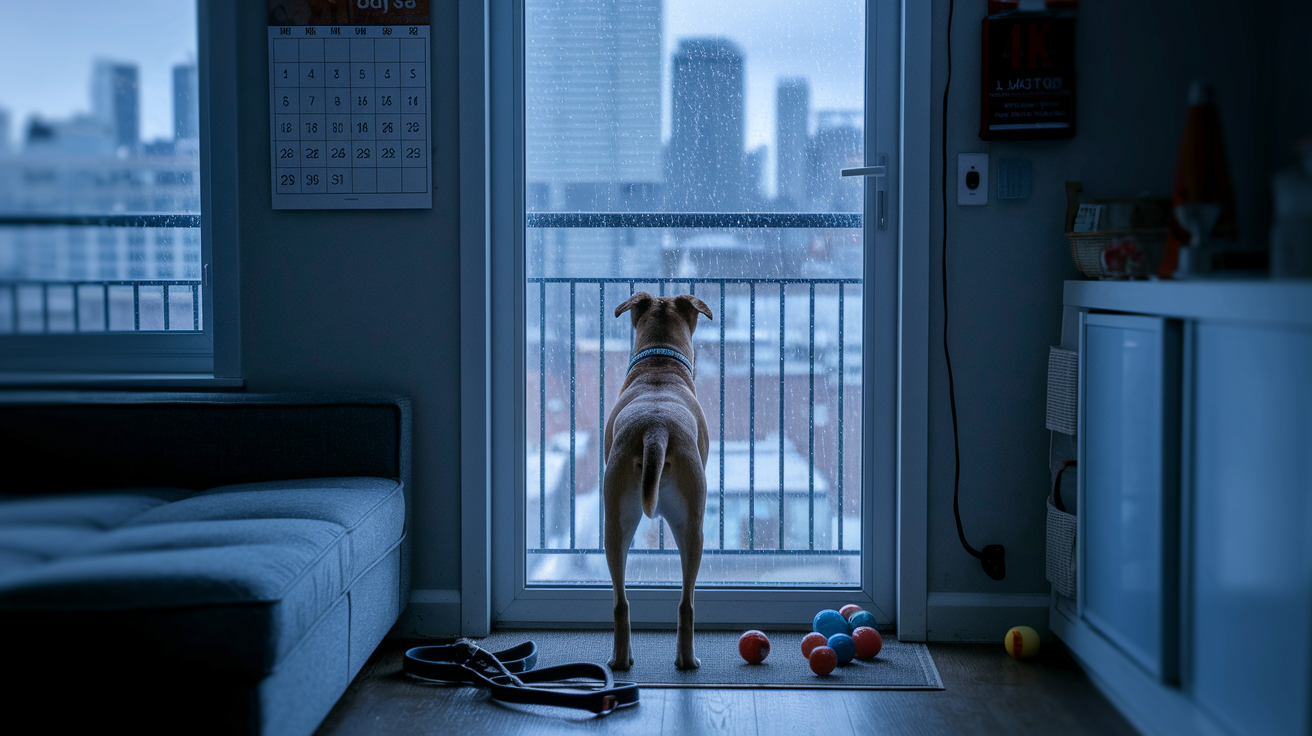
Exercise constraints are the biggest hurdle. Medium sized dogs need daily physical activity, and an apartment doesn’t provide a yard for spontaneous play. Rain, snow, early mornings, and late nights all require you to leash up and go outside. Skipping walks leads to restlessness, barking, and destructive behavior.
If your schedule is unpredictable or you travel frequently, a medium sized dog becomes a logistical challenge. Dog walkers and daycare help, but they add cost and planning.
Separation anxiety and boredom show up faster in small spaces. A dog left alone in an apartment has fewer distractions than one in a house. Without mental stimulation or companionship, some breeds become anxious or destructive. Whippets and Cocker Spaniels are particularly prone to separation stress. Chewed furniture, accidents indoors, and noise complaints from neighbors are common symptoms. Crate training, puzzle toys, and predictable routines reduce the risk, but some dogs simply don’t tolerate long stretches alone.
Noise complaints are a real eviction risk. Even a normally quiet dog can bark at hallway sounds, delivery drivers, or other pets. Training helps, but landlords and neighbors have limits. One sustained complaint can lead to warnings or lease violations.
Tips for Raising a Medium-Sized Dog in an Apartment

Apartment life with a medium sized dog works when you build structure into the day. Consistency reduces stress for both of you.
Stick to a daily exercise schedule. Two walks per day, every day, at roughly the same times. Morning and evening work for most people. This prevents pent up energy from turning into problem behavior. If you skip a walk for two days, you’ll pay for it with a restless dog.
Use indoor enrichment to burn mental energy. Puzzle feeders, snuffle mats, and treat dispensing toys keep dogs busy when you can’t be outside. Mental stimulation tires a dog as much as a walk. Rotate toys weekly so they stay interesting.
Crate train early, even if you don’t plan to crate long term. A crate becomes a safe, calm space for your dog during the day and prevents destructive behavior when you’re gone. Many dogs settle faster in a crate than they do with free run of the apartment.
Socialize your dog to apartment sounds and routines. Elevators, hallway foot traffic, garbage trucks, and neighbors’ voices are constant. Desensitize your dog by rewarding calm behavior when these things happen. A dog that barks at every noise makes apartment living miserable.
Set a predictable feeding and potty schedule. Dogs thrive on routine. Feed at the same times daily and plan potty breaks around those meals. Predictability reduces accidents indoors and helps your dog settle between walks.
Check your lease and building rules before adopting. Weight limits, breed restrictions, and pet deposits vary by building. Some landlords ban specific breeds regardless of temperament. Confirm your dog is allowed before you bring it home.
Daily routines and realistic expectations make the difference. A medium sized dog won’t automatically adapt to apartment life, but with structure, exercise, and training, most breeds settle in and thrive. The dogs that struggle are the ones whose needs don’t match their owner’s schedule or commitment level.
Final Words
We ran through the top medium-sized dogs that thrive in apartments: a quick list, must-have traits, breed profiles, a comparison table, common challenges, and practical tips.
If you want a low-bark, moderate-energy companion who fits smaller spaces, breeds like the French Bulldog, Whippet, Basenji, Cocker Spaniel, and Shiba Inu came up as solid options. The guide shows what to watch for in energy, grooming, training, and alone time.
Use this to compare and pick the best medium sized dogs for apartments that match your routine. With the right match, apartment life and a medium dog can work really well.
FAQ
Q: What is the calmest medium-size dog and which calm breeds work well in apartments?
A: The calmest medium-size dogs and calm apartment breeds tend to be Whippets, Basenjis, French Bulldogs, and Cocker Spaniels — generally low-barking, gentle, and moderate-to-low exercise needs.
Q: What size dog do most apartments allow?
A: Most apartments allow small to medium dogs — commonly under 40–50 pounds — but policies differ, so check your lease for weight limits, breed restrictions, and pet fees before adopting.
Q: What kind of dog can you leave alone in an apartment?
A: Dogs you can leave alone in an apartment are usually adult, independent, low-energy breeds that are crate-trained and get regular exercise; even so, expect a 4–6 hour alone-time limit, not full days.