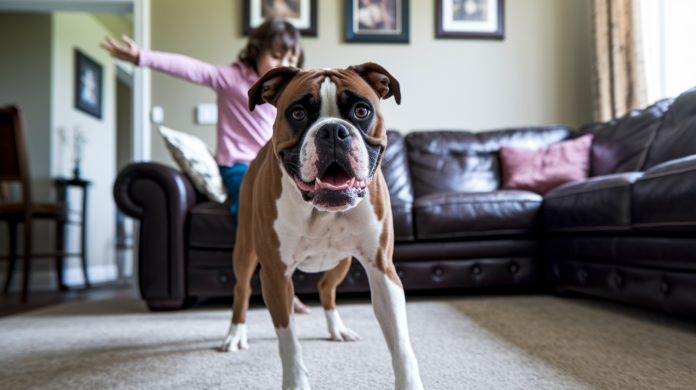

Think a Boxer is the perfect family dog? Think twice.
Boxers are goofy, velcro-style companions who love kids and will follow you room to room, but they need 60 to 90 minutes of daily exercise, early training, and lots of attention.
They have short coats and big personalities, yet come with drooling, snorting, slow maturity, and serious health risks that can mean major vet bills.
This post gives honest pros and cons, real day-to-day expectations, and the key trade-offs so you can decide: yes, no, or not right now.
Are Boxers a Good Fit for Most Owners? (Quick Verdict)

Boxers work well for active, engaged households that can commit to daily exercise, consistent training, and hands-on companionship. They do best in homes where someone’s around frequently and where the daily schedule includes structured walks, play sessions, and mental challenges. If you skip a walk for two days, what happens in your house? With a Boxer, you’ll likely find chewed furniture, zoomies through the living room, or restless pacing at the door. This breed rewards routine and attention with loyalty and humor, but they don’t forgive neglect or inconsistency.
The Boxer temperament centers on affection, protectiveness, and high energy. They bond deeply with their families, often following people from room to room and seeking constant interaction. Bred originally as working and guardian dogs, they’ve kept strong watchdog instincts and will alert you to visitors or unusual sounds. But they’re not aggressive when properly socialized. Their intelligence makes them quick learners, though it also means they pick up bad habits just as fast as good ones. Boxers need clear boundaries and positive reinforcement from day one. They stay mentally “puppy-like” until around age three, so patience and long-term consistency aren’t optional.
This breed is an excellent match for families with kids who can handle a boisterous dog, active singles or couples who enjoy outdoor activities, and first-time owners willing to invest in training classes and daily exercise. Boxers are a poor fit for anyone seeking a low-maintenance, independent, or calm companion, for households where everyone works long hours without support, or for seniors and low-activity individuals unable to provide vigorous daily activity. If you want a “couch potato” dog or prefer minimal training, look elsewhere.
Advantages of Owning a Boxer

Boxers bring a combination of loyalty, playfulness, and protective instincts that makes them stand out as family companions. They form deep bonds with their people and are often described as “velcro dogs” because they prefer to stay close and be involved in household activities. Their affectionate nature extends to children. When raised with consistent boundaries, they show remarkable patience and tolerance during play. Boxers are also intelligent and responsive, which makes training (when done with positive reinforcement) both effective and enjoyable. Their natural athleticism and enthusiasm for activity make them ideal partners for owners who enjoy outdoor adventures, jogging, or dog sports.
Beyond temperament, Boxers offer practical advantages in daily life. Their short coats mean you won’t spend hours grooming or dealing with heavy shedding. They’re alert and naturally protective, providing a sense of home security without being overly aggressive or reactive when properly socialized. Many owners appreciate their expressive personalities and playful behaviors, like the “kidney bean dance” or gentle pawing, which add entertainment and warmth to everyday routines. For households that can meet their exercise and attention needs, Boxers deliver companionship, energy, and loyalty in equal measure.
Key advantages include:
Strong family bonding: They seek constant interaction and thrive on being part of daily routines.
Good with children: Patient and playful when socialized early and supervised during play.
Trainable with positive methods: Quick learners who excel in obedience, agility, and trick training.
Natural athletes: Enjoy structured exercise, making them great companions for runs, hikes, and sports.
Protective without aggression: Alert watchdogs who provide home awareness when properly trained.
Low grooming demands: Short coat requires only weekly brushing and occasional baths.
Disadvantages of Owning a Boxer
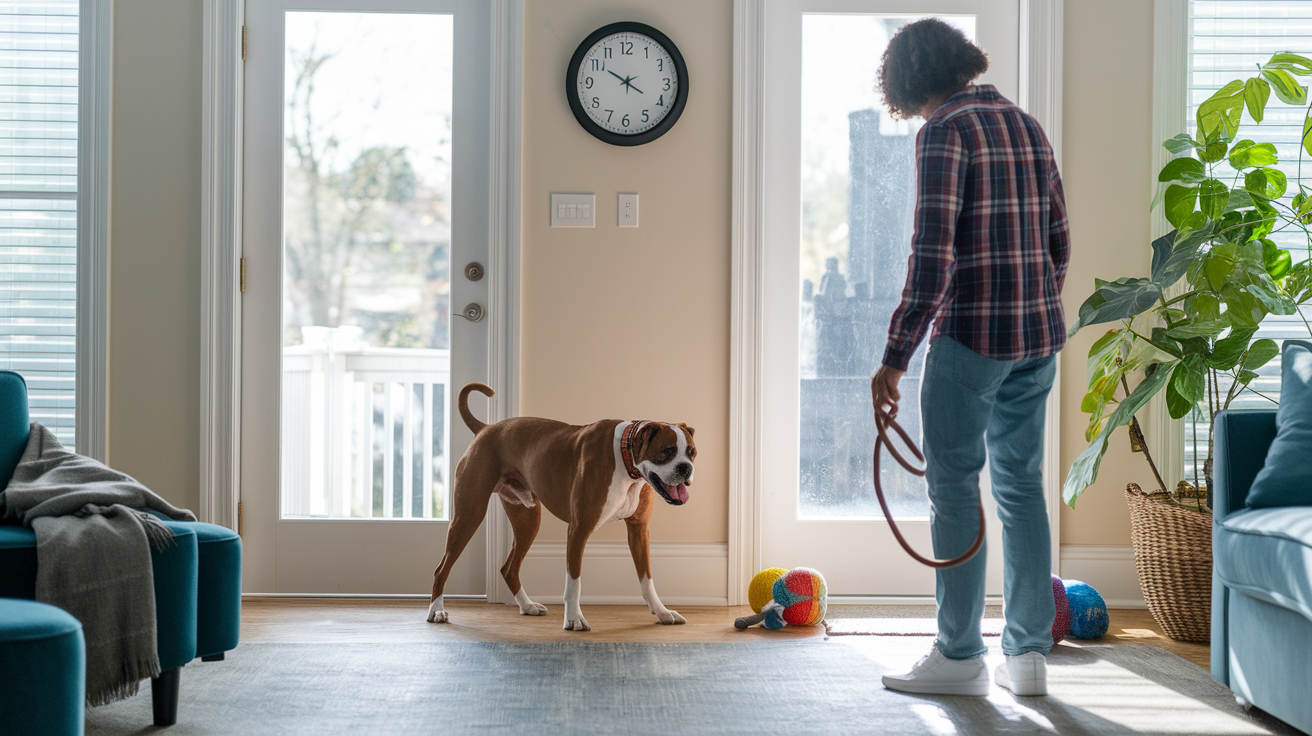
Boxers demand significant daily exercise and mental stimulation. This requirement isn’t flexible. Plan for 60 to 90 minutes of vigorous activity every day: walks, runs, play sessions, training drills, plus puzzle toys or interactive games to keep their minds engaged. Under-exercised Boxers become destructive, restless, and difficult to manage indoors. They’ll invent their own entertainment if you don’t provide it. That often means chewing furniture, digging, or barking excessively. This breed also matures slowly, staying mentally and behaviorally puppy-like until around age three, which means you’re committing to years of consistent training and boundary-setting, not just a few months.
Training challenges arise from the Boxer’s combination of intelligence and sensitivity. They learn quickly but can be stubborn or selectively ignore commands when distracted or uninterested. Harsh corrections or yelling cause them to shut down, so you need patience and upbeat, reward-based methods. Physically, they’re strong and muscular, which means they can pull on leash, jump on people, or knock over small children during play if not trained for impulse control. Add in moderate drooling, occasional snorting from their short muzzles, and a predisposition to serious health conditions. You’re looking at a breed that requires active management, financial planning, and realistic expectations about lifespan and medical care.
Key disadvantages include:
High, non-negotiable exercise needs: Daily structured activity is required. Boredom leads to destructive behavior.
Slow maturity: Expect puppy-like energy and behavior until around age three.
Health risks: Elevated risk for cancers, heart disease (cardiomyopathy), hip dysplasia, and breathing issues.
Shorter lifespan: Averages 10 to 12 years, lower than many medium-sized breeds.
Drooling and snorting: Moderate drool and occasional respiratory noise due to short muzzle.
Not suitable for long alone time: Do poorly when left alone for extended periods without support or companionship.
Boxer Exercise and Mental Stimulation Requirements
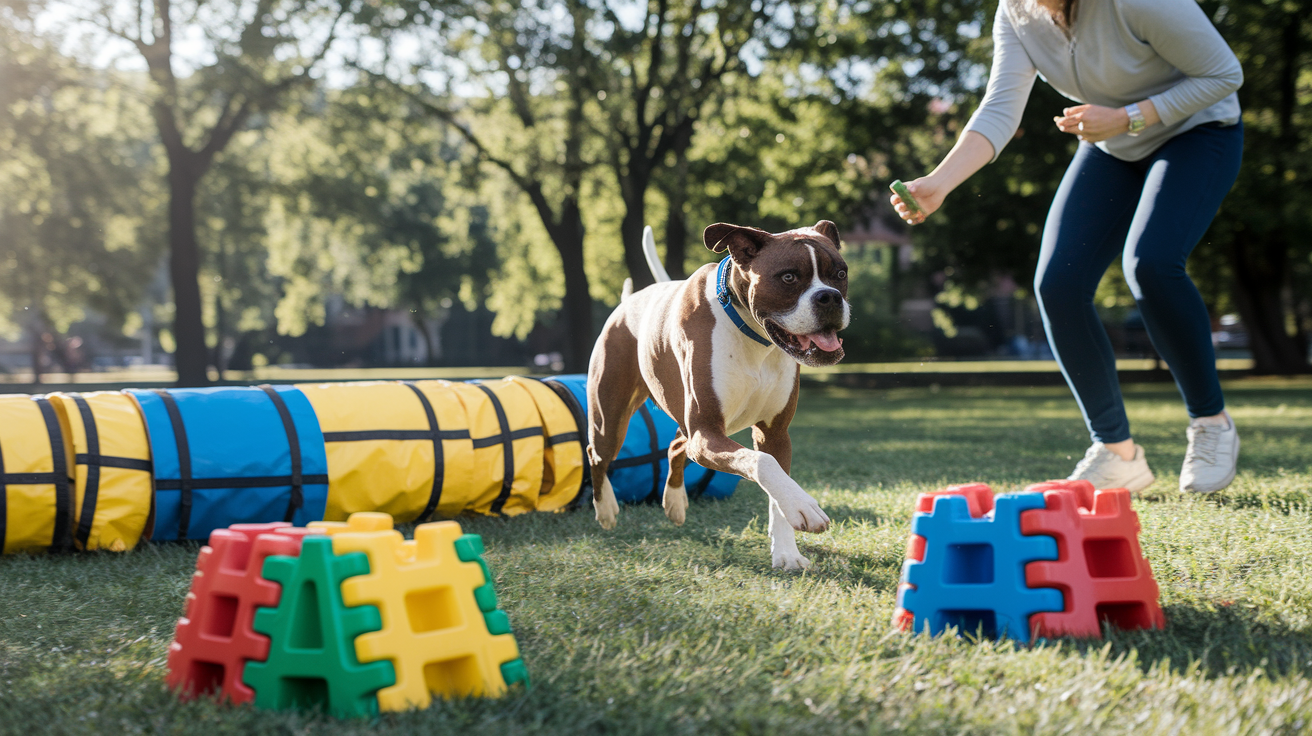
Boxers need a minimum of 60 to 90 minutes of active exercise daily. That means more than letting them out in the backyard. Structured walks, runs, fetch sessions, tug games, and participation in dog sports like agility or rally are all good options. Without this outlet, Boxers channel their energy into unwanted behaviors: chewing, digging, excessive barking, or hyperactive indoor behavior. Think of exercise as the receipt you pay for a calm dog. If you skip it, you’ll see the consequences in your home within a day or two.
Mental stimulation is just as important as physical activity. Boxers are intelligent and need tasks that engage their brains, like obedience training, puzzle toys, snuffle mats, or hide-and-seek games with treats. Training sessions work best after exercise, when the dog’s calmer and more focused. Even a tired Boxer enjoys problem-solving, and rotating toys or introducing new games keeps them interested and prevents boredom. Owners who combine physical and mental challenges report fewer behavioral issues and a more relaxed dog at home.
For puppies, exercise must be carefully managed. Young Boxers need frequent sleep and controlled activity to avoid overexertion, which can harm developing joints. As they mature, you can gradually increase the intensity and duration of exercise. By adulthood, most Boxers thrive on sustained activity and will happily match your pace on long runs or hikes. If you’re not naturally active, this breed will push you to become more so. Or it will make daily life difficult.
Boxer Health Considerations

Boxers are predisposed to several serious health conditions, and prospective owners need to budget and plan accordingly. Cancer is a leading cause of death in the breed, with elevated risks for mast cell tumors, lymphoma, and hemangiosarcoma. Heart disease is another major concern, particularly Boxer cardiomyopathy (arrhythmogenic right ventricular cardiomyopathy) and aortic or subaortic stenosis. Regular veterinary screening, including cardiac exams and chest imaging, can help catch problems early. But treatment for advanced heart disease or cancer can run into thousands of dollars. Pet insurance or a dedicated emergency fund is strongly recommended.
Beyond cancer and cardiac issues, Boxers face orthopedic and respiratory challenges. Hip dysplasia occurs in some lines, so breeders should provide hip screening results for breeding dogs. Their short muzzles make them vulnerable to breathing difficulties and heat intolerance, so avoid strenuous exercise in extreme temperatures and watch for signs of respiratory distress. Bloat (gastric dilatation-volvulus) is a risk in deep-chested dogs, so feeding smaller, more frequent meals and avoiding heavy exercise immediately after eating can reduce the danger. Skin allergies and ear infections are also common and may require medicated baths, special diets, or ongoing veterinary dermatology care.
Routine preventive care includes vaccinations, parasite prevention, dental care, and weight management. Boxers are prone to weight gain, which increases stress on joints and the heart, so portion control and regular activity are essential. Most Boxers live 10 to 12 years, shorter than many medium-sized breeds, and the final years often involve managing chronic conditions. Ask breeders for health testing documentation (cardiac, hips, thyroid) and discuss cancer vigilance and cardiac screening with your vet from the start.
| Condition | Typical Onset | Management Approach |
|---|---|---|
| Boxer Cardiomyopathy | Middle age (4–8 years) | Regular cardiac screening, medication if diagnosed, activity monitoring |
| Cancer (mast cell, lymphoma) | Middle to senior years (6+ years) | Early detection via exams, surgery, chemotherapy, or palliative care |
| Hip Dysplasia | Young to middle age (1–5 years) | Weight control, joint supplements, pain management, possible surgery |
| Heat Intolerance / Brachycephaly | Any age, worsens with heat/exertion | Limit exercise in heat, monitor breathing, provide cool rest areas |
Grooming and Shedding Needs

Boxers have short, smooth coats that require minimal grooming compared to many breeds. Weekly brushing with a rubber curry brush or grooming mitt removes loose hair and keeps the coat shiny. Shedding is moderate and consistent year-round, so you’ll see some fur on furniture and clothes. But it’s manageable with regular vacuuming and brushing. Bathing is needed only occasionally, typically once a month or after muddy outdoor play. Over-bathing can strip natural oils and worsen skin issues, which some Boxers are prone to, so stick to a simple routine unless your vet recommends medicated baths for allergies or dermatitis.
Routine care beyond the coat includes nail trims, ear checks, and dental hygiene. Boxers’ nails grow quickly and need trimming every few weeks to prevent discomfort and posture problems. Their ears should be checked weekly for wax buildup, odor, or redness, especially if your dog swims or has a history of ear infections. Dental care is important because dental disease can affect overall health and is common in many breeds. Brushing your Boxer’s teeth several times a week or providing dental chews can help reduce plaque and tartar. If your Boxer has facial folds or skin allergies, you may need to wipe the face regularly and apply topical treatments as directed by your vet. Overall, grooming time is low. But attention to skin and health-related care can add up if your dog is allergy-prone.
Living Space Requirements for Boxers

Boxers are medium to large dogs. Males typically weigh 65 to 80 pounds and stand 23 to 25 inches at the shoulder, females slightly smaller. They need room to move comfortably indoors. A home with a secure yard is ideal because it gives them space to burn off energy, play fetch, and patrol their territory. That said, a yard alone won’t meet their needs. Boxers still require structured walks and interactive play with their owners. They’re social dogs who want to be near their people, so simply leaving them outside doesn’t satisfy their need for companionship or mental stimulation.
Apartment living is possible but only if you can commit to multiple daily outings and at least 60 to 90 minutes of active exercise. Boxers can adapt to smaller spaces when their exercise and mental needs are consistently met. But they’re not well-suited to sedentary owners or households where everyone is gone all day without a dog walker or daycare support. In an apartment, you’ll need to manage noise (Boxers can be alert barkers), provide a predictable routine, and ensure your lease and building rules allow medium-large breeds.
Regardless of home size, Boxers need a calm indoor environment with a comfortable sleeping area, access to fresh water, and space to move around without constantly bumping into furniture. They’re not “outdoor dogs” who can live in a kennel or garage. They’re family dogs who do best when they’re integrated into daily household life. If you live in a small space, ask yourself honestly whether you can provide the outdoor time, exercise, and enrichment this breed demands. If the answer is no, consider a lower-energy breed.
Cost of Owning a Boxer

Acquiring a Boxer puppy from a reputable breeder typically costs between $800 and $2,500, depending on pedigree, health testing, and location. Breeders who perform cardiac screening, hip evaluations, and genetic testing will usually charge at the higher end of that range. But those health clearances reduce the risk of inherited conditions. Adoption from a shelter or rescue is another option, with fees usually ranging from $100 to $500, and many rescue Boxers are already spayed or neutered and up to date on vaccinations. Adoption can be a cost-effective and rewarding choice, especially for first-time Boxer owners who want support from a rescue organization.
First-year expenses add up quickly. Budget for spay or neuter surgery (if not already done), initial vaccinations, microchipping, a crate, bedding, leash and collar, food and bowls, training classes, and the first round of routine vet visits. These costs commonly total $1,500 to $3,000 depending on your choices and local veterinary pricing. After the first year, annual ongoing costs for food, routine vet care, preventive medications (flea, tick, heartworm), grooming supplies, and pet insurance or emergency savings typically run $1,000 to $2,000. If your Boxer develops chronic health issues like allergies, skin conditions, or heart disease, costs can rise significantly, especially if specialist care or advanced diagnostics are needed.
Typical cost categories include:
Puppy purchase or adoption fee: $100 to $2,500 depending on source and health testing
First-year veterinary and setup costs: $1,500 to $3,000 (spay/neuter, vaccines, supplies, training)
Annual routine care: $1,000 to $2,000 (food, vet visits, preventives, grooming, insurance)
Emergency or specialty care: Can reach several thousand dollars for cancer treatment, cardiac diagnostics, or surgery
Training and enrichment: Budget for classes, toys, and activities to keep your Boxer mentally and physically engaged
Are Boxers Good for Families, First-Time Owners, and Various Lifestyles?

Boxers are an excellent choice for families with children, provided the household commits to early training and supervision. They’re playful, patient, and protective, and many Boxers form especially close bonds with kids. That said, their size and energy mean they can accidentally knock over toddlers or get too rough during play, so teaching both the dog and the children appropriate boundaries is essential. Families who establish consistent rules, involve kids in training, and provide daily exercise usually find Boxers to be loyal, entertaining, and deeply devoted members of the household.
First-time owners can succeed with Boxers, but only if they’re willing to invest time and effort in training, socialization, and exercise. This breed isn’t “easy” or low-maintenance, and inexperienced owners who underestimate the daily commitment often struggle with behavioral issues. Enrolling in puppy obedience classes, reading up on positive reinforcement techniques, and seeking support from trainers or breed-specific rescue groups can make a significant difference. If you’re a first-timer who prefers a quieter, more independent dog, a Boxer isn’t the right fit. If you’re energetic, eager to learn, and ready for an active companion, a Boxer can work well.
Active individuals and couples are often ideal Boxer owners. If you run, hike, bike, or participate in dog sports, a Boxer will happily join you and thrive on the routine. Conversely, low-activity households, seniors without active support, and people who work long hours without arranging dog walkers or daycare will find Boxers challenging. This breed does poorly when ignored or under-stimulated, and behavioral problems escalate quickly when needs aren’t met. Apartment dwellers can make it work if they’re committed to daily outings and mental enrichment. But suburban or rural homes with yards offer a more natural fit.
Suitability snapshot:
Families with kids: Very good fit with training and supervision. Protective and playful.
First-time owners: Possible if committed to training, exercise, and ongoing learning. Not ideal for low-effort seekers.
Active singles or couples: Excellent match. Boxers excel with owners who enjoy outdoor activities and structured routines.
Seniors or low-activity households: Generally a poor fit unless another household member provides exercise and play.
Final Words
We boiled it down: Boxers are loyal, playful, and protective, but they’re high-energy and need steady training and regular vet care. This post covered the quick verdict, advantages and disadvantages, exercise and mental-stimulation needs, health watch-outs, grooming, space, costs, and who they suit.
If you can provide daily activity, consistent training, and plan for vet bills, a Boxer can be a joyful family member. If not, it’s okay to wait.
Weigh the boxer dog breed pros and cons and you’ll make a calm, confident choice.
FAQ
Q: Why not to get a Boxer dog?
A: The main reasons not to get a Boxer dog are their high energy, stubborn streak, potential health costs, and poor fit for very small spaces or owners who can’t commit to daily exercise and consistent training.
Q: What age do Boxer dogs calm down?
A: Boxer dogs generally calm down around 2 to 3 years old, though individual dogs vary; regular training and plenty of exercise help them settle into steadier adult behavior sooner.
Q: Is a Boxer a good house dog?
A: A Boxer can be a good house dog if you provide daily exercise, structure, and social time; without that routine they’ll get bored, noisy, and may destroy household items.
Q: Do Boxer dogs bark a lot?
A: Boxer dogs tend to be moderately vocal, barking mainly to alert, from boredom, or when frustrated; consistent training and mental stimulation cut down on excessive barking.