

Controversial: the easiest cat to live with is often a shelter mix, not an expensive pedigree.
If you want a cat that won’t need constant brushing, won’t panic when you’re at work, and won’t rack up surprise vet bills, focus on four things: grooming, health risk, alone-time tolerance, and how much daily attention they need.
I’ll walk you through five breeds—British Shorthair, Russian Blue, American Shorthair, short-haired Scottish Fold, and the Sphynx—and show why mixed-breed cats often beat them for truly low-effort companionship.
Top Low-Maintenance Cat Breeds for Simple, Everyday Care

When you’re looking for a cat that won’t demand constant grooming, won’t spiral into separation stress when you leave for work, and won’t empty your wallet on routine vet visits, “low maintenance” covers four main things: how often you need to brush them, how prone they are to expensive health problems, whether they can handle time alone, and how much daily attention they demand just to stay level.
The five breeds that show up again and again for their genuinely low day to day demands are the British Shorthair, Russian Blue, American Shorthair, Scottish Fold (short haired), and surprisingly, the Sphynx. Each one handles the basics without turning your living room into a grooming salon or your evenings into a full time entertainment shift. The British Shorthair, Russian Blue, and American Shorthair all sit comfortably alone for a workday and need just a quick brush once a week. The Sphynx sheds almost nothing but trades that for skin oil baths and a bit more hands on care. The Scottish Fold (short haired version) grooms weekly but does need regular joint monitoring because of a genetic cartilage condition.
Mixed breed and shelter cats often beat all five purebreds for low maintenance. A broader gene pool usually means fewer inherited health problems, many come with short coats that need minimal brushing, and shelters typically bundle vaccinations, microchipping, and spay/neuter into the adoption fee. Expenses you’d pay separately with a breeder.
British Shorthair: Weekly combing, robust health, independent temperament.
Russian Blue: Brushing once or twice a week, content alone for hours, possible lower allergen production.
American Shorthair: Weekly quick brush, strong health, adapts to almost any household.
Scottish Fold (short haired): Weekly grooming but requires regular vet checks for joint issues.
Sphynx: No brushing but needs regular bathing, ear cleaning, and warmth management.
British Shorthair: A Classic, Low Maintenance Short Haired Cat
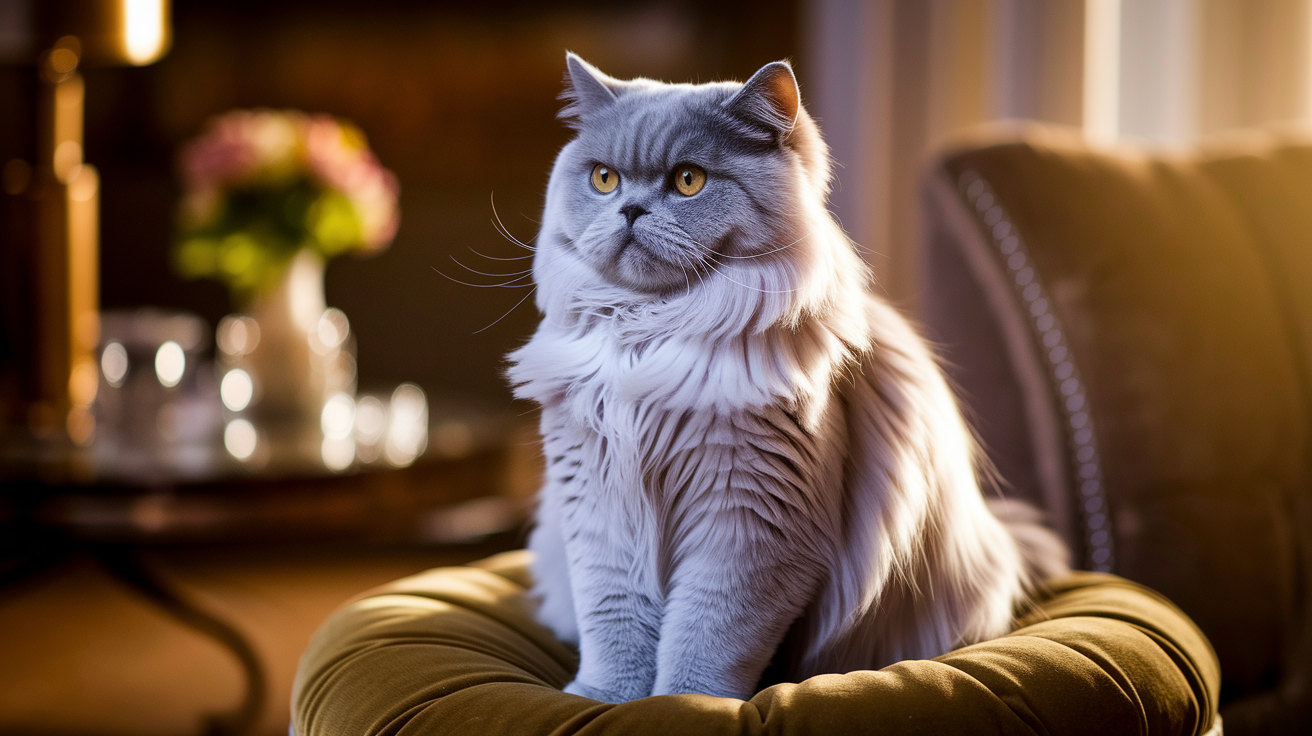
The British Shorthair has a thick, plush coat that looks high effort but isn’t. One quick pass with a comb each week keeps shedding under control and the coat smooth. They don’t mat, they don’t tangle, and they don’t leave fur tumbleweeds in every corner like some longer haired breeds do.
Temperament wise, this breed is famously easygoing. They’re affectionate when you’re around but won’t follow you from room to room demanding attention. They entertain themselves, they handle alone time without stress, and they rarely get into trouble out of boredom. The main health watch is weight. British Shorthairs can get heavy if food portions aren’t measured, but otherwise they’re a robust breed with few inherited problems.
Key Low Maintenance Traits
Weekly grooming is genuinely enough. No professional groomer visits, no daily brushing sessions. Their independence level is high, so they won’t spiral if you’re at work all day or out for an evening. The weekly routine is simple: a five minute comb, litter scooping, food refill, and a quick weight check to catch any creeping pounds early. That’s the trade off. Slightly less interaction than clingy breeds, but also far less daily management.
Russian Blue: Low Shedding, Minimal Grooming, Highly Independent
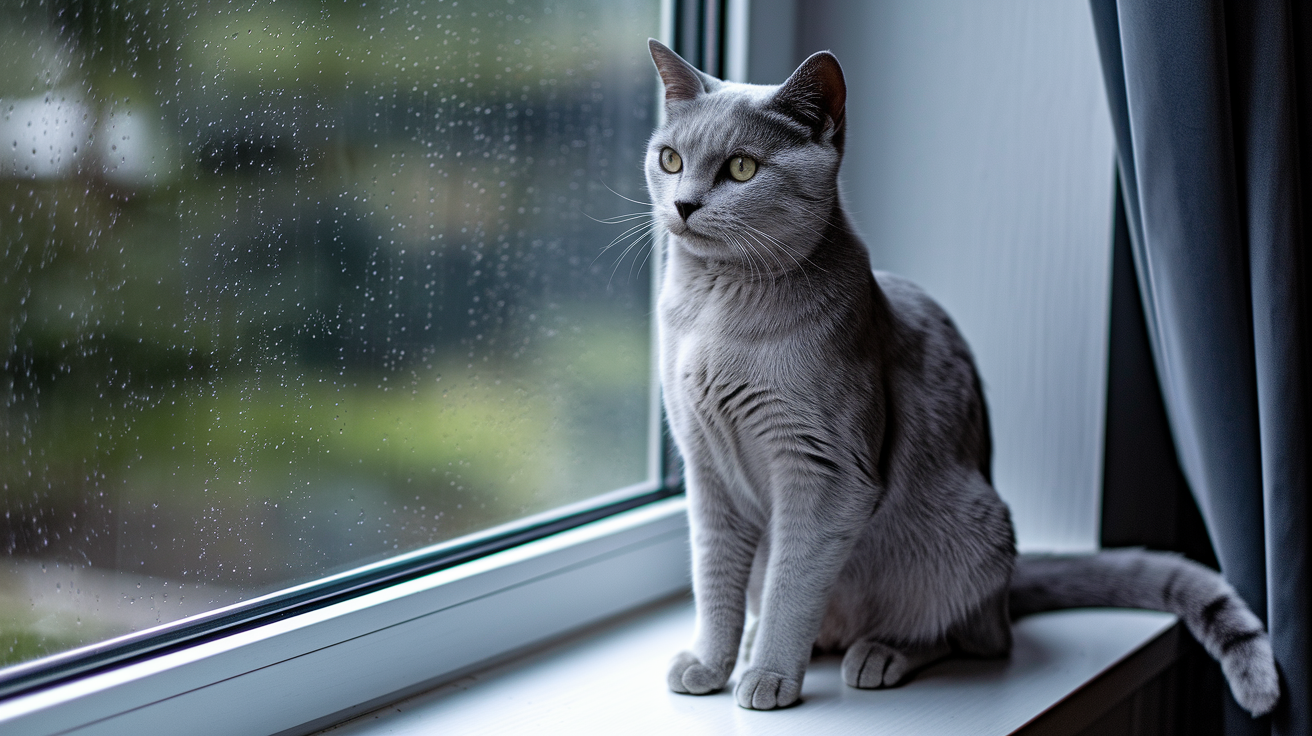
The Russian Blue’s short, dense gray coat sheds less than most short haired cats, and brushing once or twice a week is all it takes to keep things tidy. They’re intelligent, they litter train fast, and they’re perfectly content spending long stretches alone without turning destructive or vocal.
Some owners report fewer allergic reactions around Russian Blues, possibly because they produce less of the Fel d 1 protein that triggers most cat allergies. It’s not a guarantee, but it’s worth noting if you’re mildly allergic and want to test tolerance before committing.
Brush the coat once or twice a week to catch loose fur and keep the coat smooth.
Scoop the litter daily. Russian Blues are fastidious and will protest a dirty box.
Provide a window perch or climbing shelf. They like vertical space but don’t need constant play sessions.
American Shorthair: Easy Grooming and Adaptable for Any Household
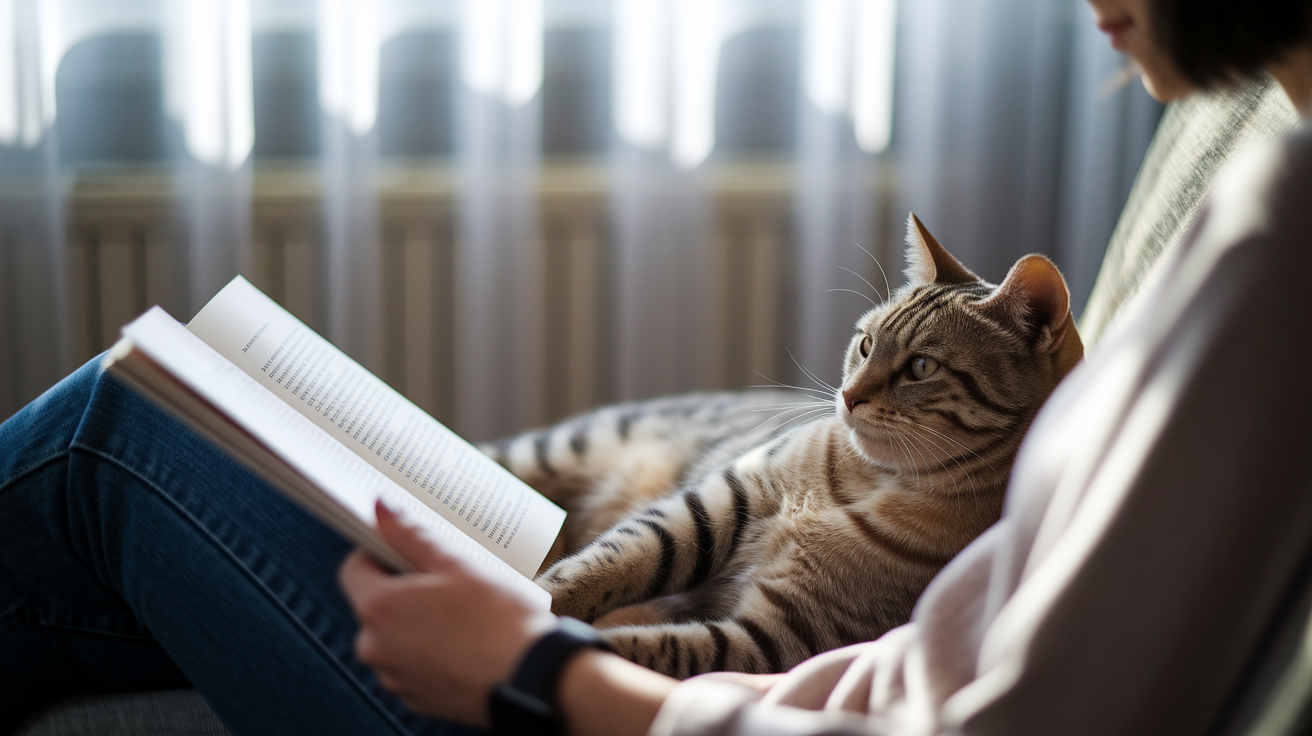
This is the breed for first time cat owners who want predictable, low drama companionship. A quick weekly brush keeps shedding manageable, and their overall health profile is strong. No common breed specific illnesses that demand regular vet monitoring or expensive testing.
American Shorthairs are independent without being aloof. They’ll curl up next to you on the couch but won’t demand lap time. They adapt to families, seniors, quiet apartments, and busy households equally well. The care routine is straightforward: brush once a week, keep food portions steady to avoid weight gain, scoop the litter daily, and schedule annual vet checkups. That’s the entire commitment.
Scottish Fold: Calm, Quiet, and Moderately Low Maintenance
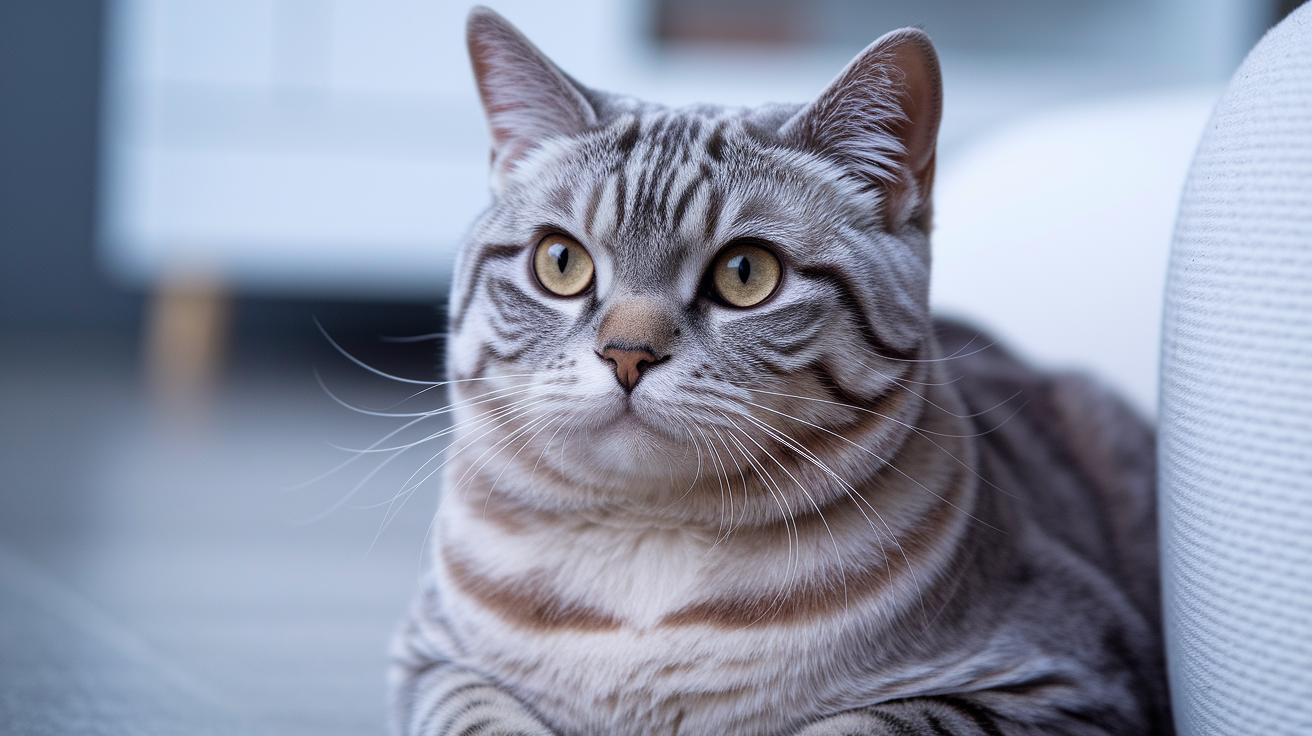
Scottish Folds are calm, adaptable, and social cats that don’t do well when left alone for long stretches. They bond closely with their people and prefer being in the same room, even if they’re not actively seeking attention. The short haired version needs just a weekly brush, but if you adopt a long haired Scottish Fold, grooming jumps to several times a week.
They’re quiet cats. Great for apartments. And they handle kids, other pets, and routine changes without much fuss. The catch is their health. The folded ears that define the breed are caused by a cartilage mutation, and that same mutation can lead to osteochondrodysplasia, a painful joint and bone disorder.
Special Health Considerations
All Scottish Folds should have regular veterinary checkups to monitor for joint stiffness, limping, or reluctance to jump. Some develop arthritis like symptoms early. Because of this, breeding Scottish Folds is restricted or outright banned in some regions on welfare grounds. If you adopt one, budget for joint monitoring as part of the long term routine. The breed is low maintenance day to day, but the health risk is real and not optional to ignore.
Sphynx: Low Shedding but Not Always “Low Maintenance”

The Sphynx is hairless, or nearly so, with a fine peach fuzz coat, which means almost zero shedding. That sounds low maintenance until you learn what replaces brushing: regular baths to wash away the oil buildup on their skin. Without fur to absorb natural skin oils, Sphynx cats can feel greasy to the touch and will leave oily marks on furniture if not bathed regularly.
They also produce more earwax than most cats, so ear cleaning becomes a weekly task instead of an occasional one. Add to that their temperature sensitivity. They need warm spots in winter and protection from sunburn in summer. And their high metabolism, which means they eat more than the average cat. Socially, they’re extremely people oriented. They want to be near you, on you, or following you. If you’re gone for long hours regularly, a Sphynx will not do well alone.
The allergy angle is real for some people. Lower dander can mean fewer reactions. But skin care and social needs push the Sphynx out of the true “low maintenance” category for most owners. Here’s the routine care list:
Bathe the cat regularly (often weekly) using a gentle, cat safe cleanser to remove oil buildup.
Clean ears weekly to prevent wax buildup and potential infections.
Provide warm bedding, sweaters, or heated perches in cool weather. Keep them out of direct sun.
Feed slightly larger portions than a typical cat to support their higher metabolism.
Mixed Breed Cats: The Most Reliable Low Maintenance Option
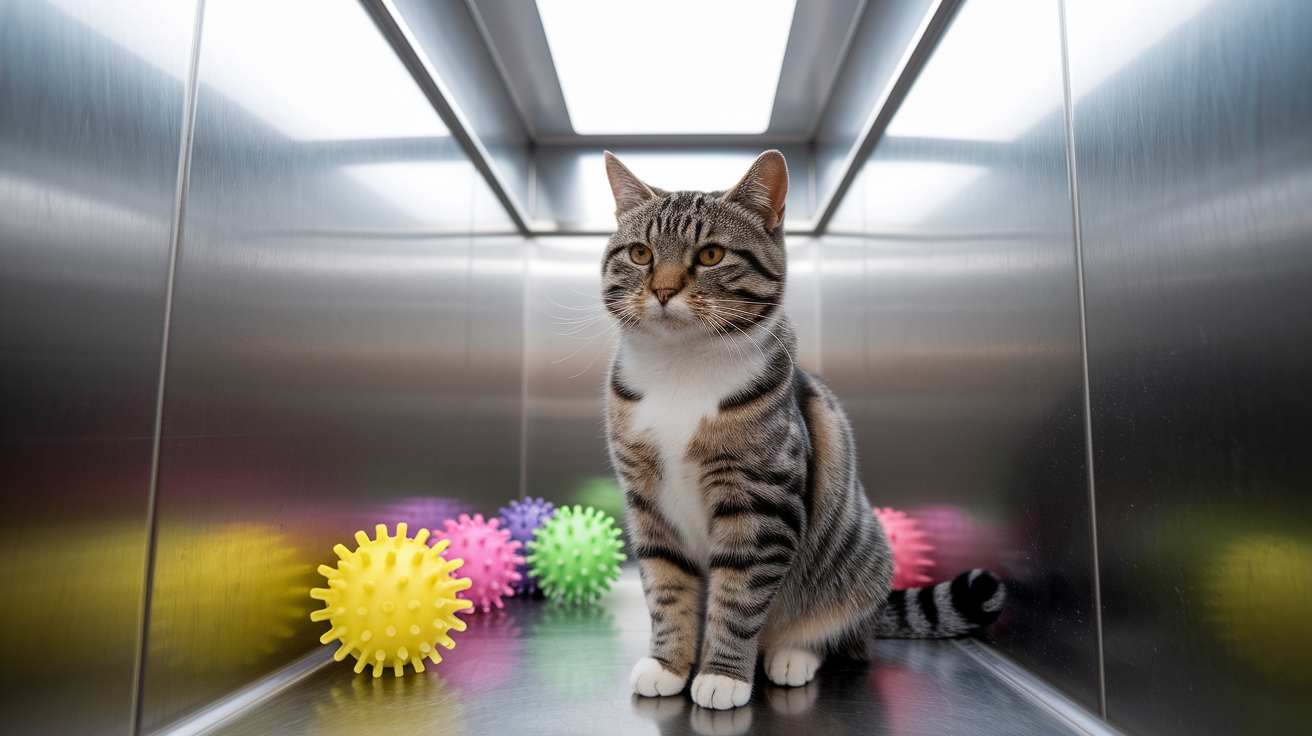
Shelter cats and mixed breed domestic shorthairs consistently outperform purebreds when it comes to low maintenance living. A broader gene pool means fewer inherited health problems. No folded ear joint issues, no flat face breathing trouble, no breed specific heart conditions that require expensive monitoring. Many mixed breed cats have short, easy care coats that need just a quick weekly brush, and their temperaments tend to be adaptable and steady.
Adoption fees at most shelters include vaccinations, a microchip, and spay or neuter surgery. Services that cost hundreds of dollars if you buy from a breeder and pay separately. You’re also giving a home to a cat that needs one, which is a practical ethical win. Older mixed breed cats are often the lowest maintenance choice of all: already litter trained, past the kitten chaos phase, with visible temperaments so you know exactly what you’re adopting.
| Breed Type | Coat Type | Grooming Frequency | Included Adoption Services |
|---|---|---|---|
| Domestic Shorthair | Short, low shedding | 1×/week | Vaccinations, microchip, spay/neuter |
| Medium coat mix | Short to medium, moderate shed | 1–2×/week | Vaccinations, microchip, spay/neuter |
| Senior rescue | Varies (often short) | 1×/week | Vaccinations, microchip, spay/neuter, temperament known |
| Shelter kitten (mixed) | Short or medium | 1–2×/week once adult | Vaccinations, microchip, spay/neuter (often scheduled) |
Quick Comparison Chart of the Best Low Maintenance Cats

This chart gives you the at a glance differences that matter most when you’re deciding which breed fits your routine. Grooming frequency is listed in brushing sessions per week. Independence is rated as high, moderate, or low based on how well the cat handles being alone.
| Breed | Coat Type | Grooming (times/week) | Independence | Key Health Concerns |
|---|---|---|---|---|
| British Shorthair | Short, dense | 1×/week | High | Weight gain/obesity |
| Russian Blue | Short, thick | 1–2×/week | High | Few; generally robust |
| American Shorthair | Short, easy care | 1×/week | High | Strong health profile; monitor weight |
| Scottish Fold (short haired) | Short | 1×/week | Moderate (social, dislikes long alone time) | Osteochondrodysplasia (joint/bone issues) |
| Sphynx | Hairless/peach fuzz | Bathing required (no brushing) | Low (highly social, needs people) | Temperature sensitivity, skin oil buildup, extra earwax |
Low Maintenance Cat Care Essentials for Busy Owners
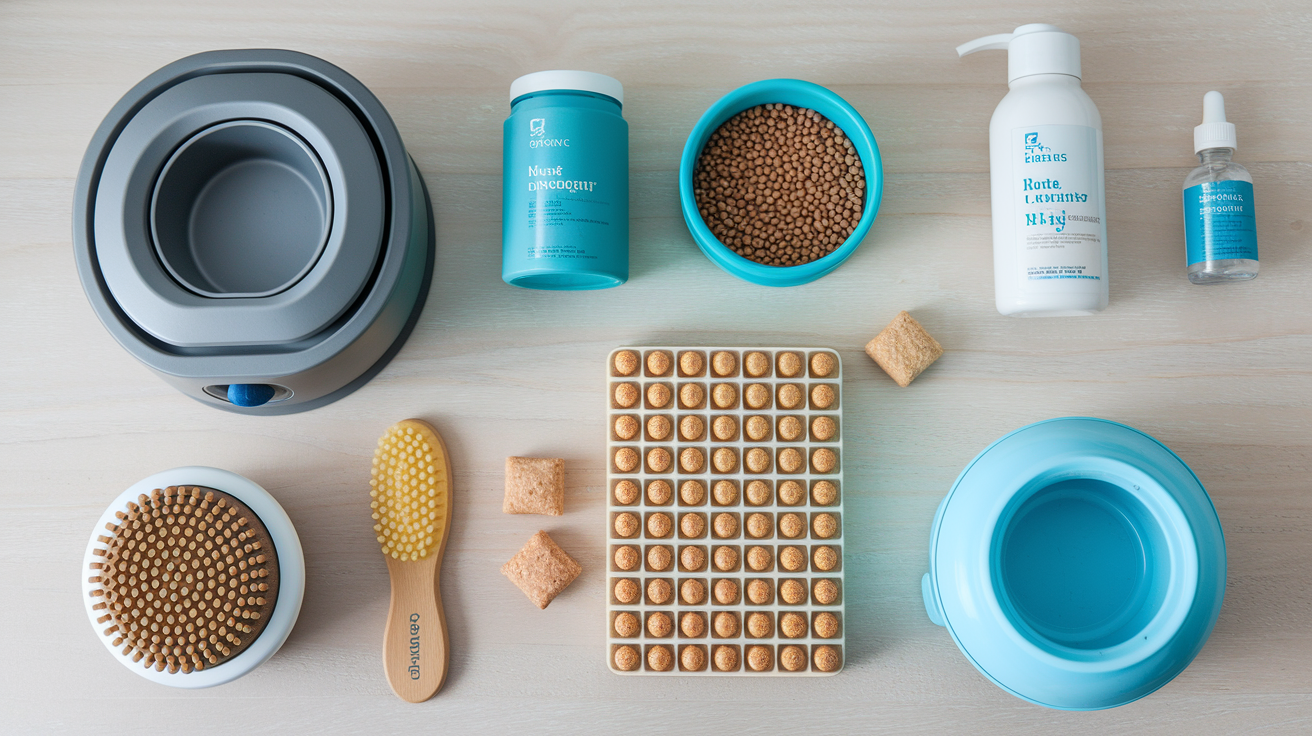
Low maintenance doesn’t mean zero maintenance. Every cat needs daily food, fresh water, a clean litter box, and some form of mental stimulation. The difference is how much time and effort those tasks take, and how often you need to intervene beyond the basics.
For short haired breeds like the British Shorthair, Russian Blue, and American Shorthair, grooming is a once a week task that takes five minutes. Use a simple bristle brush or grooming glove, brush in the direction of the fur, and you’re done. Automatic feeders can handle portion control and timing if your schedule is unpredictable, and self cleaning litter boxes cut daily scooping down to weekly maintenance and litter top ups. Both are optional, but they’re the two tools that make the biggest dent in daily effort.
Toys that don’t require your participation (puzzle feeders, battery operated mice, crinkle balls) give your cat something to do when you’re at work or busy. Window perches and cat trees provide enrichment without you lifting a finger. Dental care still matters, even in low maintenance breeds. Brush teeth a few times a week if the cat tolerates it, or use dental treats as a second best option. Ear checks should happen weekly. Look for redness, odor, or excess wax buildup, especially in breeds like the Sphynx or Scottish Fold.
Feed measured portions twice a day, or use an automatic feeder to maintain consistency.
Brush short haired breeds once a week. Medium coat mixes may need twice a week.
Scoop litter daily, or install a self cleaning box and check weekly.
Provide puzzle feeders, battery toys, or window access for no effort enrichment.
Brush teeth 2–3 times per week or offer dental treats as a backup.
Check ears weekly for wax buildup, redness, or odor. Clean as needed with a vet recommended solution.
Adoption Guidance for Choosing the Right Low Maintenance Cat
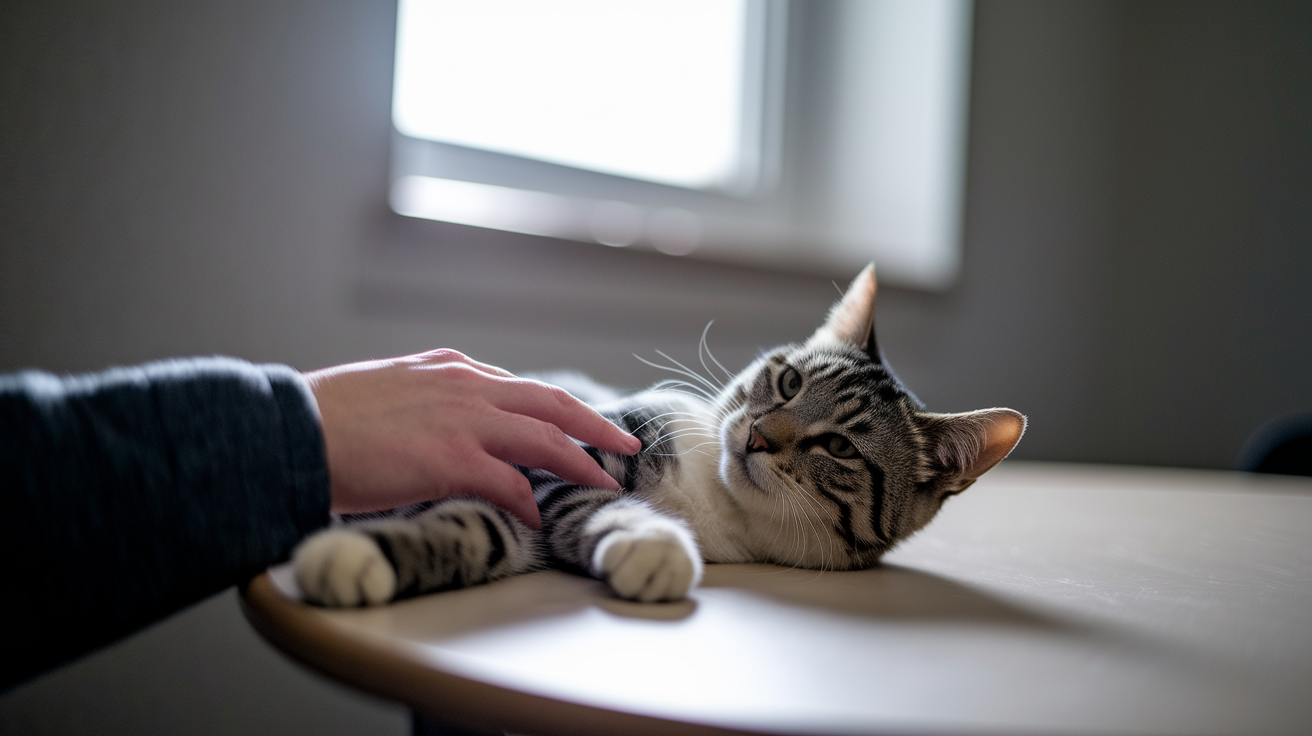
Adult cats are almost always lower maintenance than kittens. They’re already litter trained, their personalities are visible, and they’re past the phase where they climb curtains and knock everything off counters out of sheer curiosity. Shelters often have one to three year old cats that are fully grown but still young and healthy, and older cats (five years and up) tend to be even calmer and more predictable.
When you visit a shelter, ask staff which cats are independent, which ones handle being alone well, and which ones have tested well with other pets or kids if that’s relevant to your home. Many shelters do temperament testing and can tell you if a cat is clingy, aloof, playful, or mellow. Spend time with the cat in a quiet room if the shelter allows it. A low maintenance cat will be curious but not frantic, calm but not shut down, and will tolerate handling without excessive squirming or growling.
Adoption fees typically include vaccinations, a microchip, and spay or neuter surgery. Three services that together cost $200 to $400 if you pay out of pocket. Ask what’s included before you adopt, and confirm whether the cat has been vet checked recently. If the shelter provides medical records, bring them to your first vet visit so your vet has a full picture.
Start by asking shelter staff which cats are known to be independent and handle alone time without stress.
Request cats with short coats if grooming time is a concern. Avoid long haired or high shedding breeds.
Spend at least 15 minutes alone with the cat in a quiet space to observe temperament and energy level.
Check what’s included in the adoption fee. Vaccinations, microchip, and spay/neuter are standard at most shelters.
Ask for medical records and any known health issues. Bring the paperwork to your first vet appointment.
Final Words
Want an easy daily routine? This post lays out the best low-maintenance cats: British Shorthair, Russian Blue, American Shorthair, Scottish Fold, and Sphynx — and explains why mixed-breed cats often win for simple care.
You’ll find practical care notes (weekly brushing vs Sphynx baths), a quick comparison of grooming and independence, and clear adoption steps to help you decide.
If you’re aiming for low fuss, use these tips to pick the best low maintenance cats for your home. You’ll likely find a calm companion that fits your life.
FAQ
Q: What is the easiest cat to care for?
A: The easiest cat to care for is often a short-haired mixed-breed (Domestic Shorthair) or breeds like British or American Shorthair, needing weekly brushing, routine vet care, and an independent temperament.
Q: What is the 3-3-3 rule for cats?
A: The 3-3-3 rule for cats means a new cat typically adjusts in stages: 3 days feeling scared, 3 weeks exploring the home, and 3 months to fully settle and bond.
Q: What is the calmest cat?
A: The calmest cat tends to be breeds like British Shorthair, Russian Blue, or Ragdoll; they’re usually quiet, low-energy, and adapt well to apartment or family life, though individuals vary.
Q: What is the silent killer of cats?
A: The silent killer of cats often refers to chronic kidney disease, which progresses slowly with subtle signs; regular vet screenings and bloodwork help catch it early.