

Thinking a Cavalier King Charles Spaniel will be your perfect family lap dog?
They often are: small, gentle, great with kids, and fine in an apartment with a daily 30 to 60 minute walk.
But this breed also brings real downsides, including common heart and neurological problems, frequent vet visits, and a tendency toward separation anxiety that can strain a busy household.
This intro lays out the real pros and cons families should weigh, so you can decide if a Cavalier fits your life.
Quick Overview of Key Cavalier King Charles Spaniel Pros and Cons

The Cavalier King Charles Spaniel weighs around 18 pounds as an adult and usually lives 12 to 16 years. They’re named after King Charles II from the 17th century and they’re the smallest spaniel breed out there. Their size works for plenty of apartments with 20 pound pet limits, and they can fly in cabin if they fit the carrier weight rules. These dogs need somewhere between 30 and 60 minutes of exercise daily. Enough to keep them healthy, but it’s not going to eat your whole day.
Cavaliers bond intensely with their people. They get called “velcro dogs” because they’ll follow you room to room. That closeness is perfect if you want a lap dog and constant company. It’s a real problem if you’re working long hours away from home or traveling a lot without bringing your dog. They’re usually great with children, seniors, other dogs, and a lot of cats, which is why multi generational or multi pet homes find them appealing. The flip side? A breed carrying some serious hereditary health risks, especially heart disease and painful neurological conditions, that need constant vet monitoring, specialist visits, and financial planning.
Cavalier King Charles Spaniel Pros:
- Affectionate, gentle, and calm with family
- Good with kids, seniors, and other pets when socialized properly
- Works in apartments and smaller spaces
- Moderate exercise needs (30 to 60 minutes daily)
- Smart and eager to please, responds well to positive reinforcement
- Low aggression and territorial instinct, friendly with strangers
Cavalier King Charles Spaniel Cons:
- High risk of mitral valve disease and syringomyelia (neurological pain condition)
- Separation anxiety is common, struggles when left alone for long stretches
- Grooming needs consistency: daily dental care, weekly brushing, regular ear checks
- You’re probably going to need specialist vet care and ongoing monitoring
- Not suited to very hot or humid climates because of their short nosed skull
- Lifetime vet costs can run way higher than healthier breeds
Temperament Pros of the Cavalier King Charles Spaniel

Cavaliers exist for companionship. They want your lap, they follow you to the bathroom, and they settle quietly next to you while you’re working. That affection is steady and calm. Not the bouncing, face licking energy you get with some breeds. They want to be near you. As long as that’s happening, they’re content. If you want a dog that notices when you’re home and chooses to stay in the same room, this is it.
They’re gentle and friendly with children, seniors, and most other animals. Cavaliers usually greet strangers with a wagging tail instead of barking or backing off. In multi pet homes they tend to coexist peacefully with other dogs and can do well with cats if you handle introductions right. Their low aggression and weak territorial instinct make them terrible guard dogs but excellent housemates. Families with young kids should still supervise interactions (any dog can be startled or hurt by rough handling), but Cavaliers generally tolerate the noise and movement of family life without stress.
Their eagerness to please and responsiveness to praise make them easy to train for most people. They pick up routines quickly and usually enjoy activities like agility or scent work that let them use their intelligence. Some Cavaliers work as therapy dogs in hospitals and care homes because of their calm, affectionate temperament and comfort with strangers. This breed adapts to your emotional state and thrives on gentle, positive interaction.
Key temperament strengths:
- Forms deep emotional bonds with family
- Calm indoors, not hyperactive or destructive when needs are met
- Low tendency toward aggression, guarding, or territorial behavior
- Comfortable with visitors, children, and other household pets
- Highly trainable using treats, praise, and consistency
Lifestyle Fit Pros: Why Cavaliers Work Well in Many Homes

The Cavalier’s small size and moderate energy level make them adaptable. They can live comfortably in an apartment as long as they get their daily walk and some playtime. At around 18 pounds, they fit most building pet weight policies and can travel in cabin on flights if you need to bring them along. They don’t need a yard, though access to one is nice. What they do need is time with you. This isn’t a breed that thrives when left outdoors or stuck in a separate room.
Their exercise requirement is manageable. Thirty to 60 minutes of walking or play each day usually keeps them physically and mentally satisfied. They like sniffing on walks, chasing a toy in the living room, or doing a short training session for treats. They’re not marathon runners and they won’t demand three mile hikes every morning. If you’re somewhere hot, you’ll need to walk early or late to avoid overheating. Their short nosed skull makes them vulnerable to heat stress.
Situations where Cavaliers tend to fit well:
- Apartments or smaller homes with access to daily outdoor walks
- Households where at least one person is home most of the day
- Families with older children who understand gentle handling
- Seniors or individuals wanting a calm, affectionate companion
Grooming and Maintenance Pros (and Where They Stay Manageable)

The Cavalier’s silky coat sheds moderately. It’s not the fur everywhere situation you get with heavy shedders like Huskies or Labradors. Most owners manage fine with one thorough brushing session per week to prevent tangles and pull out loose hair. The texture is soft and pretty easy to work through if you stay on top of it. Bathing is needed only when required, like when the dog gets muddy or starts to smell, not on some rigid weekly schedule.
Daily tooth brushing is recommended, and regular ear checks matter because their floppy ears can trap moisture and lead to infections. These tasks add up over time but they’re not complicated. If you can fold grooming into your evening routine the same way you’d brush your own teeth or check your mail, the maintenance stays manageable. The breed’s grooming needs are real, but they don’t require professional groomer visits every six weeks like some breeds do.
Health and Lifespan Cons: The Most Important Cavalier King Charles Spaniel Risks

Mitral valve disease is the biggest health risk in Cavaliers. It’s a heart condition where one of the heart’s valves degrades over time, leading to a murmur that can progress to congestive heart failure. Many Cavaliers develop a murmur by middle age and some need lifelong cardiac medication to manage symptoms. A vet will listen for murmurs during routine checkups, and if one gets detected, you may be referred to a veterinary cardiologist for an echocardiogram and treatment plan. This isn’t an emergency in every case, but it’s common, and it requires ongoing monitoring and sometimes expensive medication or interventions.
Syringomyelia is a painful neurological condition where fluid filled cavities form in the spinal cord, usually in the neck. It’s caused by a malformation at the back of the skull called Chiari malformation. Dogs with syringomyelia may scratch at their neck and shoulders repeatedly (sometimes without even making contact with the skin), yelp when touched, or show signs of pain when moving their head. The condition can also cause behavioral changes. A normally gentle dog may become irritable, show signs of aggression, or avoid being petted. Not all Cavaliers develop symptoms, but the breed has a high rate of Chiari malformation, and the risk is serious enough that responsible breeders screen parents with MRI scans before breeding.
Even with good breeding and careful health management, the typical Cavalier lifespan is about 12 to 16 years, and many of those years will involve vet visits. You should expect referrals to specialists (cardiologists for heart monitoring, neurologists if pain or behavioral changes appear) and plan financially for diagnostics, medications, and possible surgeries. This isn’t a breed where you can skip annual checkups or assume things will stay simple.
| Condition | Typical Onset | Key Symptoms | Vet/Specialist Needed |
|---|---|---|---|
| Mitral Valve Disease | Middle age onward (5+ years) | Heart murmur, coughing, exercise intolerance, labored breathing | Cardiologist for echocardiogram and medication management |
| Syringomyelia | Can appear from puppyhood to adulthood | Neck scratching, yelping when touched, head sensitivity, behavioral changes | Neurologist for MRI diagnosis and pain management |
| Luxating Patella | Often present from birth or early life | Intermittent limping, skipping steps, hind leg held up briefly | Orthopedic exam, surgery if severe |
| Dry Eye (Keratoconjunctivitis Sicca) | Can develop at any age | Red, irritated eyes, discharge, squinting | Ophthalmologist if severe, lifelong eye drops often required |
Grooming and Daily Care Cons of Owning a Cavalier
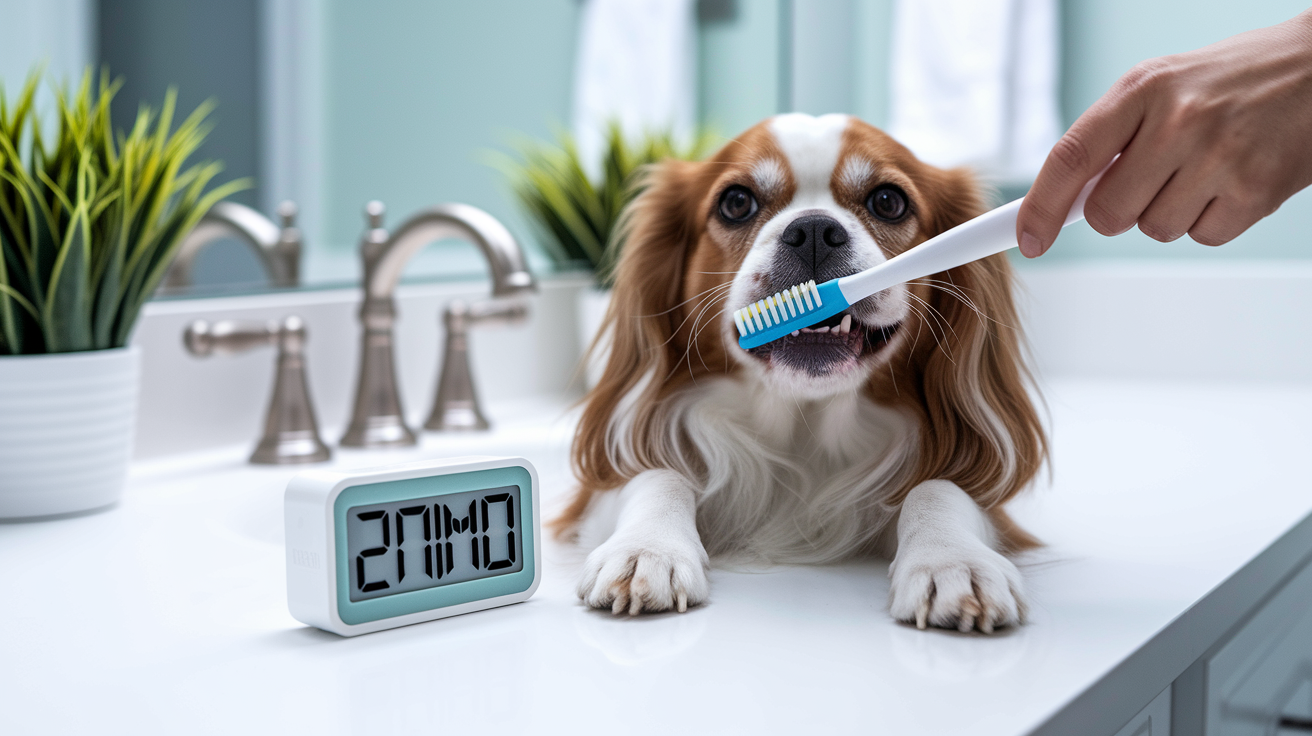
Daily tooth brushing is the grooming task most owners underestimate. A lot of Cavaliers develop significant dental disease and need professional cleaning under anesthesia, sometimes as often as every two years. Each dental procedure usually costs between £500 and £2,500, and most pet insurance policies won’t cover it. If you skip daily brushing, plaque builds up quickly. You’re trading a few minutes of nightly effort for expensive vet bills and the risk of tooth loss or infection.
The coat needs weekly brushing to prevent mats and tangles, especially behind the ears, under the legs, and around the tail. Miss a week or two and you’ll spend way longer working through knots. The silky texture can hide mats until they’re tight against the skin, which is uncomfortable for the dog and frustrating to fix. Bathing is needed only when the dog is dirty, but if you let grooming slide, baths become more frequent because an unbrushed coat holds onto dirt and odor.
Ear infections are common in Cavaliers because their floppy ears trap moisture and reduce airflow. You’ll need to check and gently clean the ears regularly (weekly is a good baseline) and watch for signs of redness, odor, or head shaking. If an infection develops, it requires a vet visit and medicated drops. Left untreated, ear infections can become chronic and painful.
Most time intensive grooming tasks:
- Brushing teeth every day to prevent dental disease
- Weekly coat brushing to avoid mats and tangles
- Regular ear cleaning and infection monitoring
- Bathing as needed when the dog gets dirty or smelly
- Nail trimming every few weeks if nails don’t wear down naturally
Behavioral Cons: Separation Anxiety, Sensitivity, and Training Caveats

Cavaliers struggle when left alone for long stretches. If you work a standard office day away from home (eight or nine hours) and the dog has no company or midday break, you’re likely to see signs of distress. That can look like destructive chewing, house soiling, excessive barking, or withdrawn behavior when you return. This is the part people underestimate. The breed’s strong attachment is lovely when you’re together. It becomes a problem when your schedule requires the dog to be alone more than a couple of hours at a time.
Cavaliers are emotionally sensitive dogs. They pick up on tension in the household (arguments, stress, changes in routine) and may withdraw or become clingy in response. They need reassurance during disruptions like moves, new family members, or changes in your work schedule. That sensitivity makes them responsive and affectionate, but it also means they don’t do well in chaotic or unpredictable environments. If your household is loud, high energy, or frequently changing, this breed may struggle to settle.
Training is generally easy because they want to please you, but boredom and lack of mental stimulation can lead to problem behaviors. A Cavalier that doesn’t get enough interaction or activity may chew furniture, bark for attention, or develop compulsive behaviors like repetitive scratching. They’re not high energy, but they’re not ornamental either. If you skip walks for two days, what happens in your house? If the answer is destructive chewing or restless pacing, you’ve found the limit.
Financial Cons: Veterinary Costs, Insurance, and Long Term Budget Requirements

Plan for at least £10,000 in annual insurance coverage if you want protection against the breed’s most serious health risks. Monthly premiums usually range from £50 to £350 or more, depending on the dog’s age, the level of coverage, and whether you’ve made previous claims. Premiums generally increase as the dog gets older, and insurers may exclude conditions that were diagnosed before the policy started. If your Cavalier develops a heart murmur or shows signs of syringomyelia before you buy insurance, those conditions will likely be excluded from future coverage.
Specialist referrals add up quickly. A cardiology consultation and echocardiogram can cost several hundred pounds. An MRI to diagnose syringomyelia often runs over £1,000. Surgery for conditions like a luxating patella, disc problems, or advanced heart issues can easily exceed £5,000. Many vet practices require payment upfront and don’t accept direct billing from insurers, so you’ll need to pay the full bill and then file a claim for reimbursement. That means having cash or credit available even if you have insurance.
Dental work is another recurring cost that insurance usually won’t cover. A professional cleaning under anesthesia typically costs £500 to £2,500, and many Cavaliers need it every couple of years. Factor in routine preventive care (annual checkups, vaccinations, flea and worm treatments) and the breed’s lifetime vet costs can run significantly higher than a generally healthy mixed breed.
High cost medical scenarios to plan for:
- Cardiac workup and ongoing medication for mitral valve disease
- MRI and pain management for syringomyelia
- Orthopedic surgery for luxating patella or hip dysplasia
- Dental cleanings and extractions under anesthesia every 1 to 3 years
- Emergency care for heatstroke, pancreatitis, or other acute conditions
Responsible Acquisition: Pros and Cons of Adoption vs Buying a Cavalier Puppy

If you buy a Cavalier puppy from a breeder, the breeder should provide documented health screening for the parents. That means MRI evidence showing the parents are clear or low risk for Chiari malformation and syringomyelia, recent heart test certificates confirming no murmur or disease, and patella X rays showing healthy kneecaps. DNA tests for color or coat traits are useful, but they’re not a substitute for full health testing. A breeder who offers only DNA results is skipping the most important screenings.
Adopting from a rescue gives you a dog whose temperament and health have been assessed in a foster home. Many rescues are transparent about medical history, behavioral quirks, and ongoing care needs because the dog has already lived in a home environment. You may adopt an older dog whose heart condition or neurological issues are already known and managed, which removes some of the uncertainty. Rescue organizations also tend to screen adopters carefully and provide post adoption support if problems arise. The downside is less control over the dog’s early history, and some rescues have limited availability or geographic restrictions.
Pet stores and backyard breeders are higher risk sources. Dogs from these sources often come from parents with no health screening, and early socialization and care may be poor. You may pay less upfront, but the likelihood of expensive health problems and behavioral issues is much higher. The initial savings disappear quickly when you’re facing specialist bills in the first year.
| Option | Pros | Cons |
|---|---|---|
| Buying from Reputable Breeder | Full health screening (MRI, heart, patella); known lineage; early socialization and support from breeder | Higher upfront cost (puppy price plus possible transport); waiting lists common; must verify breeder claims carefully |
| Adopting from Rescue | Temperament and health assessed in foster home; often lower cost; post adoption support; known medical history | Limited availability; may adopt adult or senior dog with existing conditions; less control over early history |
| Pet Store or Backyard Breeder | Immediate availability; sometimes lower initial price | No health screening; high risk of genetic disease; poor early socialization; no breeder support; likely higher lifetime costs |
Is the Cavalier King Charles Spaniel Right for You? A Pros and Cons Fit Assessment

This breed is a good match if you can be home most of the day or have reliable support (dog sitters, daycare, or a partner with a flexible schedule). Cavaliers need daily companionship, not just food and shelter. If your workday keeps you away from home for eight or more hours without a midday break, separation anxiety is likely. The dog will be happier, and your home will stay intact, if someone is around.
You’ll also need to commit to at least 30 to 60 minutes of exercise daily (walks, play sessions, or indoor games) and daily grooming tasks like tooth brushing and coat care. Financially, plan for comprehensive pet insurance with at least £10,000 in annual coverage or set aside a contingency fund of similar size for specialist care, dental work, and emergency treatment. This isn’t a breed where you can skip vet visits or assume the dog will stay healthy without intervention. Cavaliers aren’t a good match if you need a very low maintenance pet, can’t afford ongoing vet costs, or expect a dog that can handle long stretches alone without distress.
Highest impact lifestyle requirements:
- Someone home most of the day, or reliable midday dog care arranged
- 30 to 60 minutes of daily exercise (walking or play)
- Daily tooth brushing and weekly coat grooming
- Regular ear cleaning and infection monitoring
- Comprehensive pet insurance (£10,000+ coverage) or equivalent savings
- Ability to adjust schedules in hot weather to prevent heatstroke
Final Words
Want a snuggly, people-first dog? Cavaliers are affectionate, adaptable, and usually great with kids, seniors, and other pets.
They do need daily short walks and regular brushing, and many develop separation anxiety or serious health problems that mean extra vet bills and specialist care.
Weigh cavalier king charles spaniel pros and cons against your routine, budget, and tolerance for medical surprises. If you can handle those trade-offs, you’ll likely gain a calm, loving companion who fits into family life.
FAQ
Q: What are the downsides of cavalier King Charles Spaniels?
A: The downsides of Cavalier King Charles Spaniels are serious inherited health risks (mitral valve disease, syringomyelia), high vet and dental costs, separation anxiety, and steady grooming plus ear care to prevent infections.
Q: Which is the calmest spaniel?
A: The calmest spaniel tends to be the Cavalier King Charles Spaniel, known for a gentle, mellow nature, better for lap time, seniors, and quiet homes than higher-energy spaniels like Springers or Cockers.
Q: Are girl or boy Cavaliers better?
A: Whether female or male Cavaliers are better depends on your priorities; females may be slightly more independent, males often more affectionate, but individual personality and training matter most.
Q: Where should Cavalier King Charles sleep?
A: Cavalier King Charles Spaniels should sleep where they feel secure and near people—crate or dog bed in your bedroom, or a supervised couch spot; avoid isolating them for long periods.