

Think all cats are low-effort pets? Not exactly.
For first-time owners, the wrong breed can turn a joyful start into a constant learning headache.
This post points you to breeds that are forgiving of beginner mistakes, need only low-to-moderate grooming, and fit apartments or family homes.
If you skip a play session for a couple of days, will your cat be fine or invent trouble?
My goal: clear, practical picks so you can decide who’s a good match and who’s not.
Beginner-Friendly Cat Breeds That Best Fit First-Time Owners
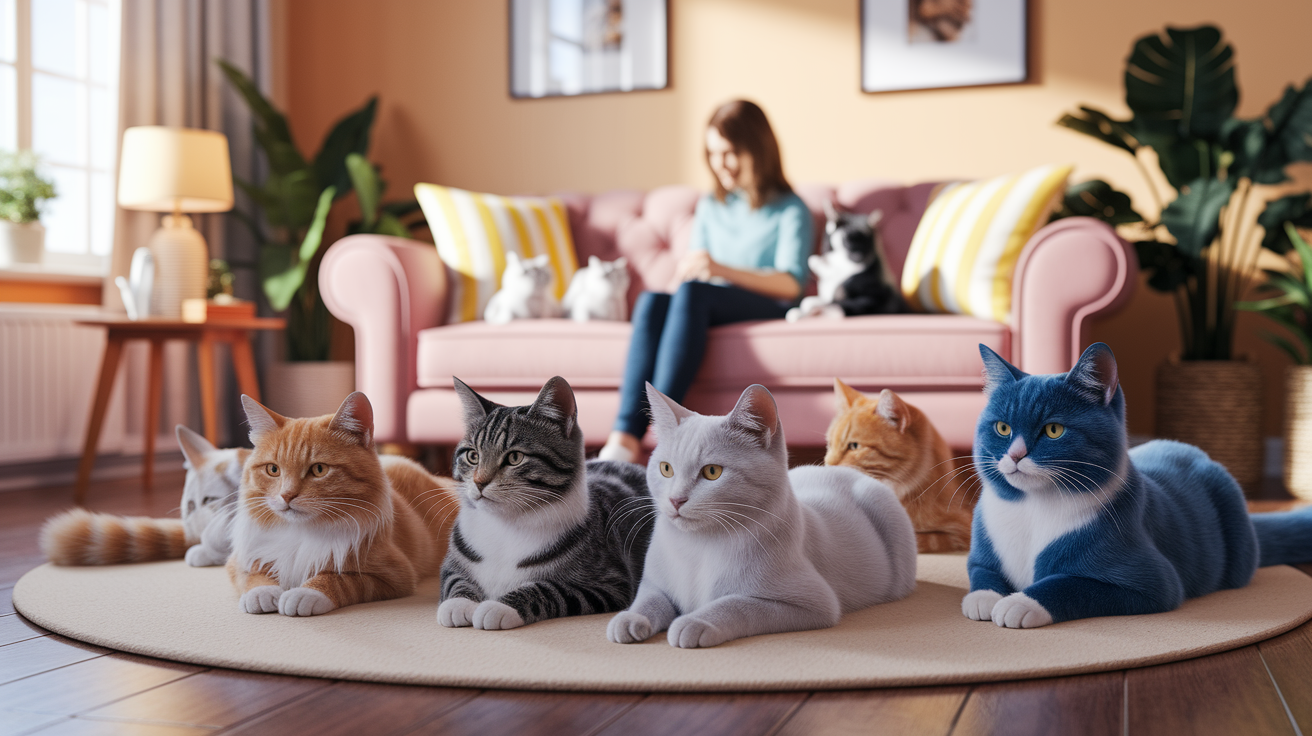
Beginner friendly cats share a few reliable traits: adaptability to new routines, forgiving temperaments that tolerate handling mistakes, and low to moderate grooming needs that don’t demand professional help every few weeks. These breeds tend to be people oriented without being needy, and they usually come with fewer health surprises than some of the more fragile or high maintenance varieties. For someone who’s never owned a cat, these traits translate to fewer daily stressors and a gentler learning curve.
Across shelter recommendations and breed registries, about 13 breeds consistently appear as top starter picks. That list includes Exotic Shorthair, Burmese, Cornish Rex, RagaMuffin, Devon Rex, American Shorthair, Domestic Shorthair, Manx, Oriental Shorthair, Russian Blue, Scottish Fold, Siamese, and Maine Coon. The grooming commitment ranges widely. From minimal wipe downs for Siamese and Oriental Shorthairs to 2–3 weekly brushing sessions for the Maine Coon’s shaggy coat. The common thread is that none of these breeds require daily salon level maintenance, and most tolerate routine handling well enough that a first timer won’t feel lost.
What makes a breed forgiving for novices comes down to health resilience, stable temperaments, and sociability with people and other pets. Domestic Shorthairs, for example, often display what’s called “hybrid vigor,” better overall health due to genetic diversity, while purebreds like the American Shorthair and British Shorthair offer predictable, even keeled personalities. The best immediate recommendations balance affection with independence, grooming simplicity with appealing looks, and adaptability with predictable care needs.
Top beginner friendly picks and why they show up repeatedly:
Exotic Shorthair. Gentle, affectionate lap cat with a plush but easy care coat. Good with kids and other pets.
RagaMuffin. Famously patient and cuddly. Medium long coat resists matting and needs only a couple of weekly brushings.
American Shorthair. Easy going, adaptable to many households, and needs just weekly brushing.
Domestic Shorthair. Mixed breed resilience (“hybrid vigor”), widely available year round at shelters, often healthier overall.
Russian Blue. Loyal and well behaved with a silver gray coat that requires only weekly brushing. Calm around family.
British Shorthair. Calm, independent, low activity level. Dense coat needs monthly brushing or weekly during shedding.
Burmese. Playful and highly social but robust. Short glossy coat needs about weekly brushing or chamois wipe down.
Birman. Gentle, sociable, and good with families. Semi long coat needs weekly grooming but generally stays tangle free.
Personality Traits of Top Cat Breeds for New Owners

Temperament is the real deciding factor for first time owners. A forgiving personality means you can fumble through the first few weeks, miss a play session, hesitate on litter box placement, or accidentally startle the cat, and the animal bounces back without holding a grudge or developing behavioral issues. Breeds like Burmese, RagaMuffin, Devon Rex, Cornish Rex, Oriental Shorthair, and Siamese are famously social and attention seeking, but they thrive when someone’s around most of the time and can become vocal or destructive if left alone for long stretches. Ragdolls are so docile they literally go limp when picked up, making them ideal for households with children learning to handle pets.
On the calmer, more independent end sit breeds like American Shorthair, Russian Blue, Manx, and Domestic Shorthair. These cats enjoy company but don’t demand constant interaction, which suits busy professionals or quieter households. Russian Blues, for example, are loyal and affectionate with their families but sometimes reserved around strangers, making them a good fit for single owner homes or low traffic environments. Matching your schedule and energy level to the cat’s social needs prevents the common first timer mistake of choosing based on looks and then feeling overwhelmed by the daily attention a highly interactive breed requires.
Grooming Needs Among the Best Cat Breeds for First-Time Owners

Grooming is where first time owners either settle into a simple weekly routine or find themselves booking groomer appointments they didn’t budget for. Short haired breeds like Burmese, American Shorthair, Manx, Russian Blue, Scottish Fold, and Siamese typically need only weekly brushing to manage shedding and distribute skin oils. That’s about 5–15 minutes once a week. Doable for anyone. Oriental Shorthairs have sleek coats that often need nothing more than occasional wipe downs with a damp cloth or chamois.
Medium to long haired breeds require more attention. RagaMuffins need about two brushings per week to keep their plush coat tangle free, and Maine Coons, despite being mellow in temperament, demand 2–3 brushing sessions weekly to prevent mats in their thick, shaggy fur. The Cornish Rex and Devon Rex are unique: their short, wavy coats shed very little and need almost no brushing, but the Cornish Rex benefits from regular baths to manage oil buildup on the skin. If you skip grooming on a long haired cat for two weeks, you’ll spend an hour working through knots. That’s the trade off.
| Breed | Grooming Frequency | Coat Type |
|---|---|---|
| Siamese | Minimal (wipe down) | Short, sleek |
| American Shorthair | Weekly | Short |
| Russian Blue | Weekly | Short, dense |
| Burmese | Weekly | Short, glossy |
| Oriental Shorthair | Minimal (wipe down) | Short, sleek |
| RagaMuffin | 2x per week | Medium long, plush |
| Maine Coon | 2–3x per week | Long, thick with undercoat |
| Exotic Shorthair | Weekly | Plush, short |
| Scottish Fold (short haired) | Weekly | Short |
| Devon Rex | Minimal | Short, wavy |
Activity Levels and Independence in Beginner-Friendly Cat Breeds

Activity level and independence determine how much daily attention and space your cat will need. Siamese, Oriental Shorthair, Devon Rex, Cornish Rex, and Burmese are high interaction breeds that want to be involved in whatever you’re doing. They’ll follow you around, vocalize to get attention, and invent trouble if they’re bored. If you skip play sessions for a couple of days, expect zoomies at 3 a.m. or scratched furniture. These breeds thrive in active households where someone is around most of the time and can commit to at least two 10–15 minute play sessions daily.
Russian Blue, American Shorthair, and Domestic Shorthair sit on the moderate to low end of the energy spectrum. They enjoy interactive play but don’t demand it constantly, and they adapt well to predictable routines and quieter homes. Maine Coons are large cats, often reaching up to 40 inches from nose to tail, but they’re surprisingly mellow and don’t require high exercise. They’re adaptable to apartments or larger homes as long as they get some stimulation and a few toys. If you work long hours or prefer a calm household, choose a breed that tolerates alone time without stress or destructive behaviors.
Why Domestic Shorthairs Are Often the Best Cats for First-Time Owners
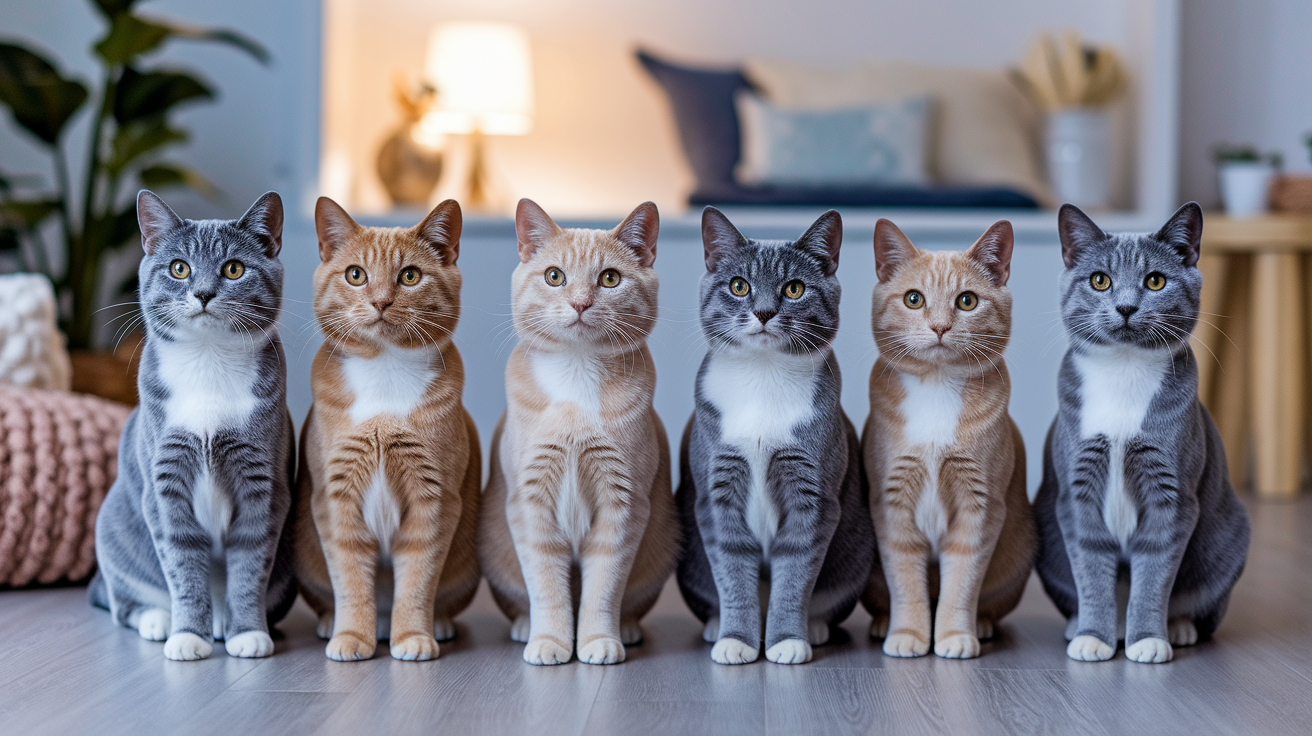
Domestic Shorthairs, the mixed breed cats you find in shelters year round, are frequently the top recommendation for beginners. And for good reason. Genetic diversity, often called “hybrid vigor,” tends to produce healthier animals with fewer hereditary conditions than some purebreds. You’re less likely to budget for heart screenings, joint monitoring, or breed specific dental work. Adoption fees typically run $50–$300, and most shelter cats come already vaccinated, spayed or neutered, and microchipped, which cuts down initial costs and logistics.
Temperament in Domestic Shorthairs varies widely, but shelters can help you match with a cat that’s curious, comfortable with petting, and not overly shy or aggressive. An adult Domestic Shorthair often has a known personality, so you skip the guessing game of kitten behavior. Grooming is simple. Weekly brushing handles shedding. And these cats adapt well to different household types, from single owners to families with children and other pets. If you’re uncertain about committing to a highly vocal or high energy purebred, a mixed breed short hair from a local rescue is a low risk, high reward starting point.
Why Domestic Shorthairs excel for first timers:
Health resilience. Mixed genetics reduce the risk of inherited diseases. Often healthier overall.
Temperament variety. Shelters can match you with calm, playful, or independent personalities based on your lifestyle.
Low adoption cost. Typically $50–$300, often including vaccines, spay/neuter, and microchip.
Year round availability. Common in shelters across most regions. Little to no wait time.
Simple grooming. Short coat requires only weekly brushing. No professional grooming needed.
Health Considerations in the Best Cat Breeds for First-Time Owners

Health resilience varies by breed, and knowing the common risks helps you plan preventive care and avoid surprises at the vet. Ragdolls and Maine Coons are both predisposed to hypertrophic cardiomyopathy (HCM), a heart condition that can lead to sudden illness or early death. Reputable breeders screen breeding lines with echocardiograms, and if you’re buying a kitten, ask for proof of cardiac clearances. Maine Coons also face a higher risk of hip dysplasia due to their large size. Adult weights often reach 10–25 pounds. So monitoring weight and joint health during routine checkups is important.
Siamese cats are prone to dental issues and sometimes develop respiratory problems because of their narrow nasal passages. Routine dental cleanings and annual vet exams catch these early. Scottish Folds carry a genetic mutation that causes the folded ears but also puts them at risk for osteochondrodysplasia, a condition affecting cartilage and joints that can lead to stiffness, pain, and mobility issues. If you choose a Scottish Fold, budget for joint monitoring and be prepared for potential mobility limitations as the cat ages.
Lifespan expectations also vary. Maine Coons typically live 10–13 years, which is shorter than many other breeds. Siamese, on the other hand, often live 15–20 years, making them one of the longer lived breeds on the beginner friendly list. Domestic Shorthairs generally fall somewhere in the middle, around 12–15 years, with fewer breed specific health concerns overall. The takeaway for first time owners: match your comfort level with vet visits and potential health costs to the breed’s known risks, and don’t skip the initial health screening within the first week or two of bringing your cat home.
Matching First-Time Owners With the Right Cat Breed

Choosing the right breed isn’t about finding the “perfect” cat. It’s about finding the best fit for your daily life. Start by honestly assessing how much time you’re home during the day. Highly vocal, attention seeking breeds like Siamese, Oriental Shorthair, and Burmese need engaged owners who can handle constant interaction and noise. If you work long hours or prefer a quiet household, breeds like Russian Blue, British Shorthair, or American Shorthair are calmer and more independent, adapting well to routine without becoming anxious or destructive.
Next, think about grooming tolerance. If brushing a cat twice a week sounds like a hassle, skip the Maine Coon and RagaMuffin and stick with short haired breeds that need only weekly attention. Consider your living space, too. Most beginner friendly breeds adapt to apartments as long as they get daily play and enrichment, but highly active cats like the Cornish Rex or Devon Rex may need more vertical space and interactive toys to stay content. Finally, evaluate noise tolerance and household activity. Some breeds are quiet and reserved. Others, like the Siamese, will vocalize every thought and follow you from room to room.
Steps to assess your lifestyle fit:
Calculate time at home. If you’re away more than 8–10 hours daily, choose an independent breed or plan for a companion pet.
Estimate grooming willingness. Be honest about whether you’ll brush 2–3 times per week or prefer minimal maintenance coats.
Measure noise tolerance. If constant meowing or chattering will bother you, avoid Siamese, Oriental Shorthair, and Burmese.
Check household activity level. Families with young children need tolerant, patient breeds like Ragdolls or RagaMuffins. Single owners in quiet homes suit Russian Blues or British Shorthairs.
Confirm space and enrichment options. Small apartments work for most breeds, but active cats need vertical climbing options and daily play.
Budget for health monitoring. If a breed has known risks (HCM in Ragdolls, joint issues in Scottish Folds), confirm you can afford routine screenings and potential treatment.
First-Time Owner Care Basics for the Best Starter Cat Breeds

The daily and weekly routines for beginner friendly breeds are straightforward once you establish them. Litter box management follows a simple rule: provide one box per cat plus one extra, so two boxes for a single cat. Scoop daily to keep odor down and prevent litter aversion. Playtime should happen at least twice a day, about 10–15 minutes per session, using interactive wand toys or balls to simulate hunting behavior and burn energy. Skipping play for a few days often leads to middle of the night zoomies or furniture scratching.
Feeding schedules depend on age and health, but most adult cats do well with two measured meals per day rather than free feeding, which helps with weight management. Establish a grooming routine early. Weekly brushing for short haired breeds, 2–3 times weekly for medium to long haired cats. So the cat gets used to handling. The vaccination schedule starts at 6–8 weeks with initial shots, followed by boosters at 12 and 16 weeks, and rabies vaccination per local law, often at or after 12 weeks. Spay or neuter surgery is typically recommended at 4–6 months, though some shelter programs perform it as early as 8–12 weeks.
First time owners should also budget time for gradual introductions to new environments and other pets. Plan for 2–4 weeks of scent exchange and supervised meetings if you have other animals. Schedule the first veterinary exam within 1–2 weeks of bringing your cat home to catch any health issues early and establish a baseline for future care. Most beginner friendly breeds settle into routines quickly as long as the environment is calm and predictable during the adjustment period.
Essential supplies and recommended quantities:
Litter boxes. Minimum 2 for one cat. Add 1 per additional cat.
Food and water bowls. At least 2 per cat. Consider elevated bowls for larger breeds like Maine Coons.
Scratching posts. 1–2 per home. Mix vertical and horizontal surfaces.
Toys. 5–10 varied toys including at least one interactive wand toy for daily play.
Grooming tools. 1 brush for short haired cats. Add a slicker brush or comb for medium long coats.
Cat carrier. 1 sturdy carrier for vet visits and travel.
Bedding. 1–2 beds per household. Cats often choose their own favorite spots.
Adoption and Responsible Breeder Options for Finding the Best Cat Breeds for First-Time Owners

Sourcing a beginner friendly cat responsibly comes down to two main paths: adoption from shelters or rescues, and purchase from reputable breeders who health test their animals. Adoption fees typically range from $50 to $300, with most shelters including initial vaccinations, spay or neuter surgery, and microchipping in that cost. Wait times are short, often immediate to a few weeks for processing, and you’ll find Domestic Shorthairs and mixed breeds readily available year round. Breed specific rescues also exist for purebreds like Siamese, Maine Coons, or Russian Blues, often at similar adoption fees and with known temperaments since many are adult cats.
Buying from a reputable breeder costs more. Commonly $700 to $2,000 or higher depending on breed, pedigree, and region. But it offers predictability in temperament, appearance, and lineage. Expect wait times of weeks to several months, especially for popular breeds or show quality lines. Responsible breeders will provide health clearances for conditions like hypertrophic cardiomyopathy in Ragdolls and Maine Coons, and they’ll answer questions about the parents’ temperaments and living conditions. Avoid breeders who won’t let you visit, refuse to show health records, or have multiple litters available at once. Those are red flags for kitten mills or backyard breeding operations.
Regardless of where you acquire your cat, plan for an emergency fund of at least $500 to $1,500 to cover unexpected vet visits, illnesses, or injuries during the first year. Annual ongoing costs for food, litter, routine vet care, and preventive treatments typically run $400 to $1,000, though chronic health issues or emergencies can push that higher. The upfront time investment in researching sources and asking the right questions prevents costly mistakes and behavioral surprises down the line.
What to check before adopting or buying:
Request health records. Confirm up to date vaccinations, spay/neuter status, and any known medical history. Breeders should provide clearances for breed specific conditions.
Observe temperament. Spend time with the cat or kitten. Look for curiosity, comfort with handling, and lack of aggression or extreme fear.
Visit the environment. Shelters should be clean and staffed with knowledgeable volunteers. Breeders should allow you to see where cats are raised and meet at least one parent.
Ask about return policies. Reputable sources often have return or rehoming support if the match doesn’t work out.
Verify breeder credentials. Check for membership in breed clubs, references from past buyers, and transparency about health testing and breeding practices.
Final Words
In the action, we listed 13 starter picks, broke down personalities, and gave clear notes on grooming, activity, health, and where to adopt so you can match a cat to your life.
Think about noise level, brushing time, vet checks, and how much play you’ll give each day. Domestic shorthairs often win for ease and availability, while social breeds need daily attention. That’s the trade-off.
Keep the short checklist in mind and choosing among the best cat breeds for first time owners will feel doable and exciting.
FAQ
Q: What is the 3-3-3 rule for cats?
A: The 3-3-3 rule for cats is an adoption timeline: 3 days to hide and decompress, 3 weeks to explore and accept routine, and 3 months to fully settle and show their true personality.
Q: What is the silent killer of cats?
A: The silent killer of cats is often chronic kidney disease, which progresses quietly; hypertrophic cardiomyopathy (a common heart condition) can also be a silent, life-threatening problem.
Q: What is the calmest and nicest cat breed? / What is the most easiest cat breed to take care of?
A: The calmest, nicest, and easiest-to-care-for breeds tend to be Ragdoll, British Shorthair, Russian Blue, Exotic Shorthair, and Domestic Shorthairs — mellow, affectionate, and low to moderate grooming.