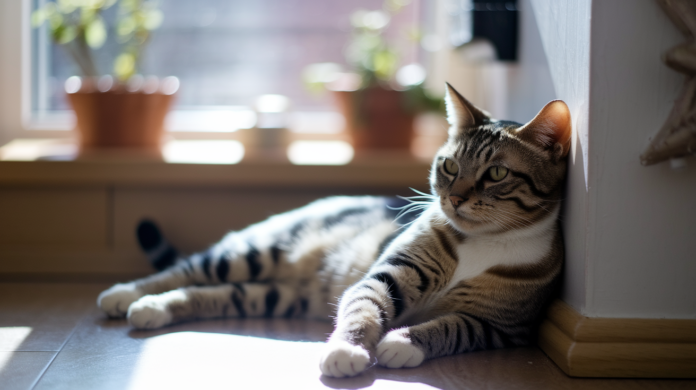

Want a cat that prefers naps to zoomies?
Studies show roughly half of a cat’s activity level is inherited, so breed really matters when you want calm.
Low activity doesn’t mean dull. These cats like short play, long naps, and quiet company.
This post ranks the least active cat breeds and explains what their day-to-day life looks like: sleep time, exercise needs, grooming, apartment fit, and the trade-offs to expect.
Read on if you want companionship that fits a relaxed routine.
Ranked Overview of the Least Active Cat Breeds

A May 2019 study found that roughly 50% of feline behavioral traits, including activity level, are inherited. That means breed matters when you’re looking for a cat that prefers napping over climbing. Low activity doesn’t mean no personality or no play. It means the cat’s content with short bursts of interaction, long stretches of rest, and daily routines that revolve around meals, naps, and calm companionship rather than constant motion.
What does “low activity” actually look like at home? Expect a cat that sleeps 16 to 20 hours a day, doesn’t tear through the house at 3 a.m., and rarely knocks your water glass off the counter for fun. These breeds are typically happiest on a cushion near you, not scaling the tallest bookshelf or demanding games of chase every evening. They’re built for quiet homes, busy schedules, and people who want a pet that fits into a calm routine without drama.
The eleven least active cat breeds ranked by typical energy output:
- Persian
- Ragdoll
- Exotic Shorthair
- Himalayan
- British Shorthair
- American Shorthair
- Birman
- Maine Coon
- Russian Blue
- Scottish Fold
- Selkirk Rex
Use this ranking as a starting point, not a guarantee. Individual cats always vary. A Persian from a breeder might be calmer than average, while a shelter British Shorthair could have a few zoomies left in the tank. The list helps you narrow down breeds that tend to move less, but the best match comes from observing the cat’s daily habits, asking shelter staff about behavior, or talking honestly with a breeder about what life at home actually looks like. Rank alone won’t tell you if the cat tolerates being alone all day or requires an hour of grooming every evening. That’s the next layer.
Temperament and Personality Traits of Low‑Activity Cat Breeds

The quietest cats share a few core traits: docility, patience, and a strong preference for predictable routines. Docile breeds like the Ragdoll or Persian don’t startle easily, don’t demand constant attention, and rarely react with aggression when handled. They’re the cats that go limp in your arms, sit calmly through a vet visit, and don’t bolt when the doorbell rings. Docility is the foundation of a truly low energy cat. It’s not laziness, it’s temperament.
Independence also shapes low activity behavior. Breeds like the Russian Blue or British Shorthair enjoy being near you but don’t need to be on you. They’ll nap in the same room, watch you work from a perch, and greet you when you come home, but they don’t follow you to every room or cry when you leave for work. That self sufficiency makes them easier to live with if your schedule’s unpredictable or you’re away most of the day. Independent cats entertain themselves quietly, which often means more sleep and less mischief.
Social tendencies vary even among calm breeds. Scottish Folds and Birmans want companionship and will seek out laps and gentle interaction, but they do it on a mellow schedule. Maine Coons are friendly with everyone (kids, dogs, strangers) but they’re not hyperactive about it. Persians prefer observing from a distance and only engage when they’re in the mood. None of these cats are aloof in a cold way. They’re just not wired to demand play or affection on your timeline.
Five personality markers that define truly sedentary cats:
- Rarely initiates play after kittenhood
- Prefers laps, beds, or sunny spots over high perches or climbing
- Doesn’t vocalize for attention or demand interaction
- Tolerates handling without squirming or bolting
- Slow to react to changes in routine or environment
Activity Level and Exercise Requirements of the Least Active Breeds

Activity ratings on a 1 to 5 scale put Persians and Ragdolls at a 1. These cats move from bed to food bowl to lap and back. British Shorthairs, Exotic Shorthairs, and Russian Blues hover around a 2, meaning they’ll bat at a feather toy for a few minutes or explore a new box, then settle back down. Even at the low end, every cat benefits from daily movement to keep joints flexible and prevent weight gain. The difference is how much effort it takes to get them moving.
A low activity cat’s exercise needs look manageable. You’re not running laps or installing cat wheels. Most days, 10 to 15 minutes of light play (dragging a ribbon, rolling a ball, tossing a crinkle toy) is enough to satisfy their hunting instinct and burn a few calories. The goal isn’t to exhaust them. It’s to keep their muscles and minds from going completely dormant. If you skip exercise for a week, you’ll notice the cat gaining weight or becoming even more sedentary, which snowballs into health problems.
Typical minimal exercise recommendations for sedentary breeds:
- One short play session per day, 10 to 15 minutes
- A few vertical options (low cat tree, windowsill perch) to encourage occasional climbing
- Rotation of toys every few days to spark mild curiosity
- Food puzzles or slow feeders to add light mental stimulation
Consistency matters more than intensity. A calm cat won’t suddenly decide to run obstacle courses, but a predictable daily routine (play before breakfast, quiet afternoon nap, evening cuddle) keeps them healthier and more engaged without demanding athleticism. Think of exercise as the receipt you pay for a calm, well adjusted cat, not a burden you resent.
Grooming and Coat‑Care Needs Among Sedentary Cat Breeds
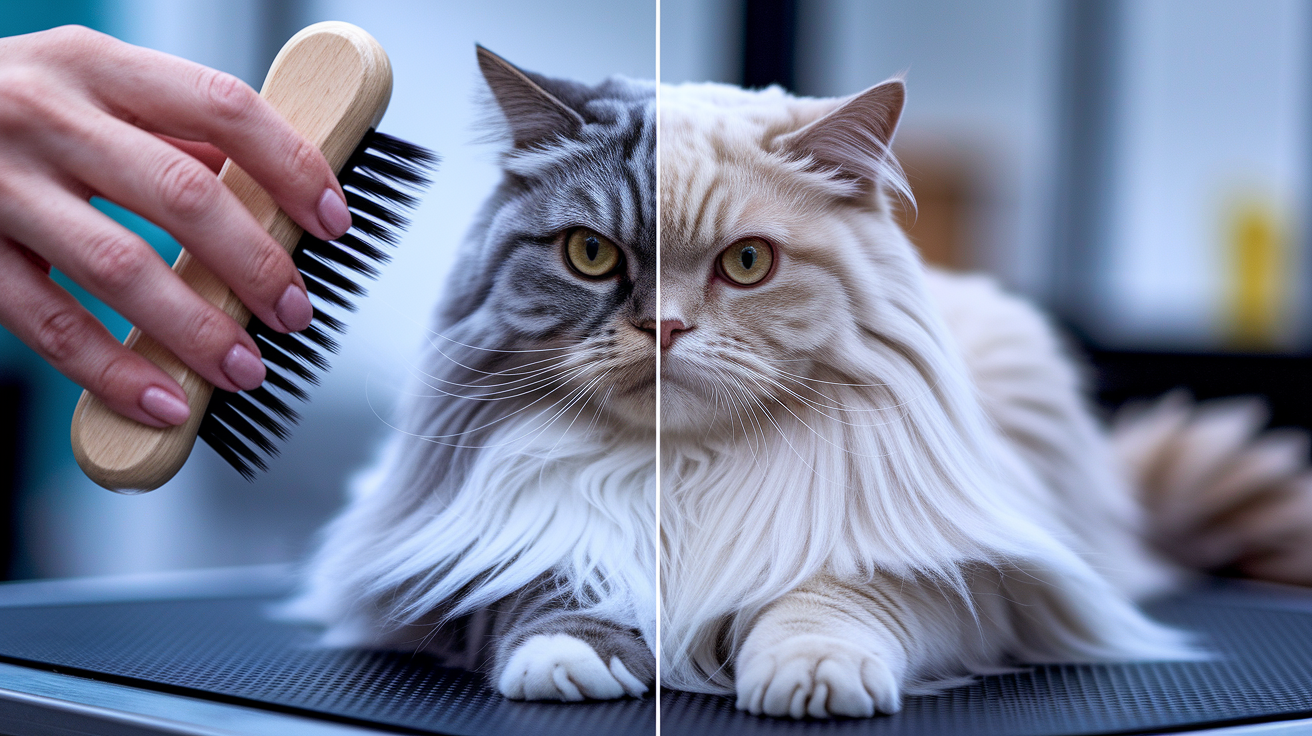
Grooming requirements vary wildly among low activity breeds, and the time commitment can make or break the match. Persians and Himalayans have long, dense coats that mat within days if you don’t brush daily. That’s 10 to 15 minutes every single day, plus occasional baths and regular eye cleaning because their flat faces tear easily. If you travel frequently or hate repetitive tasks, a high grooming breed will frustrate you no matter how calm the cat is.
Exotic Shorthairs were bred to offer Persian like temperament without the grooming burden. They have the same sweet, lazy personality but a short coat that needs brushing once or twice a week. Ragdolls fall somewhere in the middle. They have long hair, but it’s silky and doesn’t mat as easily as a Persian’s. A few minutes of brushing two or three times a week usually keeps them tangle free. British Shorthairs and Russian Blues are the easiest: short, dense coats that shed moderately and only need a quick brush once a week.
| Breed | Grooming Level | Coat Type |
|---|---|---|
| Persian | High (daily) | Long, dense, prone to matting |
| Himalayan | High (daily) | Long, thick, requires eye care |
| Exotic Shorthair | Low (weekly) | Short, plush |
| Ragdoll | Moderate (2–3×/week) | Long, silky, less prone to mats |
| British Shorthair | Low (weekly) | Short, dense |
Match grooming commitment to your real schedule, not your ideal one. If you work long hours and hate morning routines, a Persian will become a source of guilt and matting problems. If you can set a timer and brush for ten minutes every evening while watching TV, a Himalayan might work. Think of grooming like doing laundry. A little often beats a huge, miserable catch up day. The calmest cat in the world isn’t a good fit if the grooming load makes you resent the relationship.
Household & Apartment Compatibility of Low‑Activity Cat Breeds
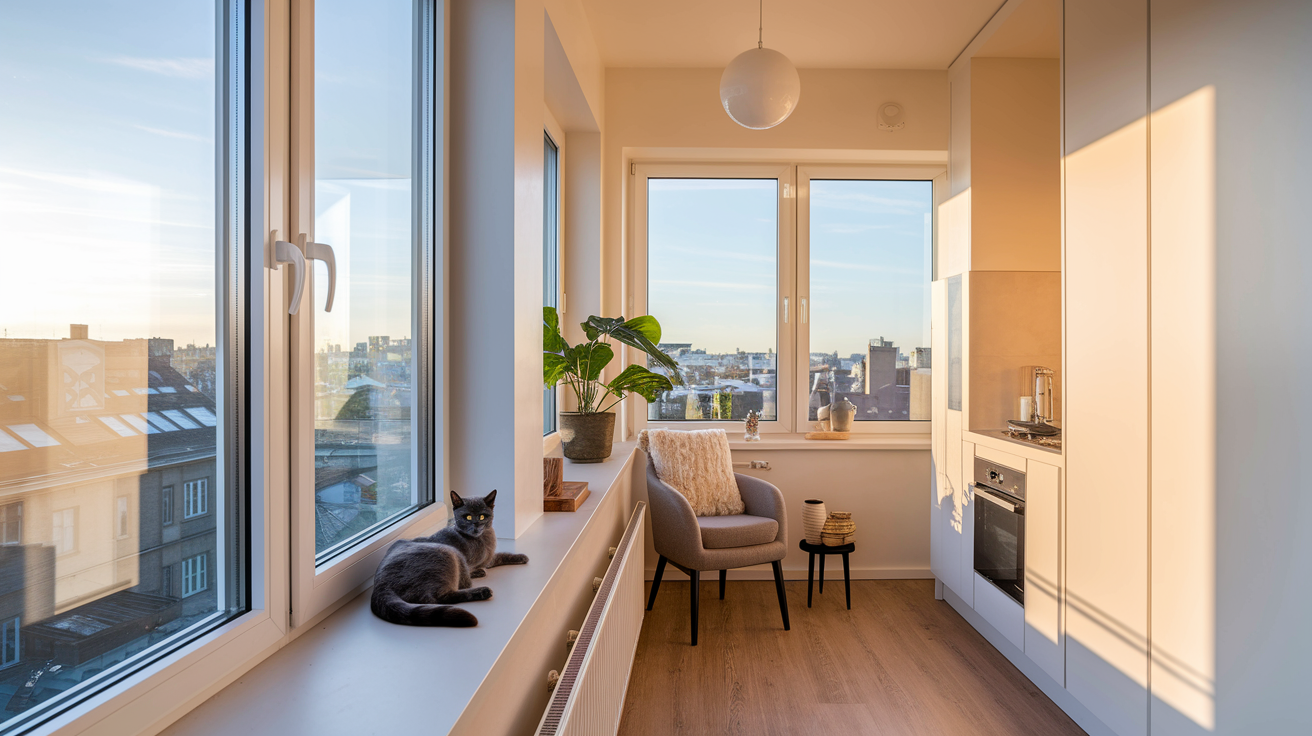
Low activity breeds shine in apartments because they don’t need vertical space to burn energy or long hallways for sprints. Russian Blues, Exotic Shorthairs, Persians, and Ragdolls adapt beautifully to studio and one bedroom layouts. They’re content with a windowsill perch, a cozy bed, and access to you. Noise is another factor. Most of these breeds are naturally quiet, so neighbors won’t hear yowling or late night zoomies. If your lease has pet restrictions or thin walls, a calm cat’s easier to keep under the radar.
Space requirements are minimal, but some breeds need more room than others. Maine Coons are mellow, but they’re also large (12 to 18 pounds) and benefit from a bit of floor space to stretch out. A cramped studio might feel tight for a Maine Coon but perfect for a smaller Persian or Scottish Fold. Birmans are calm but social. They hate being alone for long stretches, so if you’re gone ten hours a day in a small apartment with no other pets, a Birman will be lonely and stressed. Russian Blues, on the other hand, tolerate solitude well and adapt to quiet, solo environments without issue.
Family dynamics matter as much as square footage. Ragdolls are famously tolerant with children and other pets, making them ideal for busy households where the cat might get picked up, carried around, or snuggled by a six year old. Persians prefer peace and are better suited to adult only homes or families with older, calmer kids. Scottish Folds enjoy attention but don’t like chaos, so they fit homes where activity’s predictable and the noise level stays moderate.
Six traits that make a breed apartment friendly:
- Low vocalization (won’t disturb neighbors or roommates)
- Minimal need for vertical climbing or high energy play
- Tolerates limited floor space without stress
- Adapts well to indoor only living
- Calm around occasional street noise or hallway sounds
- Independent enough to handle a smaller territory without boredom
Health Considerations and Weight Management in Low‑Energy Cats

Sedentary cats face one major health risk: obesity. American Shorthairs are specifically prone to weight gain because their already low activity drops even further as they age. A cat that sleeps 18 hours a day and eats the same portions as an active cat will pack on pounds fast. Excess weight stresses joints, increases diabetes risk, and makes grooming harder for long haired breeds because they can’t twist and reach as easily. Portion control isn’t optional for low energy cats. It’s the difference between a healthy 12 pound cat and a 17 pound cat with arthritis at age eight.
Long haired sedentary breeds like Persians and Himalayans face a secondary issue: matting and hygiene problems compound when the cat can’t move comfortably. Overweight cats struggle to groom their hindquarters, leading to fecal matting and skin infections. They also develop mobility issues earlier, which means less movement, more weight gain, and a cycle that’s hard to reverse. Regular weigh ins and body condition checks at the vet catch problems before they spiral. If you can’t feel your cat’s ribs easily or notice a sagging belly, it’s time to cut portions.
Routine veterinary care is especially important for breeds with flat faces (Persians, Himalayans, Exotic Shorthairs) because they’re prone to breathing issues, dental disease, and eye infections. Low activity doesn’t cause these problems, but it makes them easier to miss. A cat that barely moves won’t show subtle signs of joint pain or respiratory distress until the issue’s advanced. Annual vet visits and proactive monitoring help you catch weight creep, dental tartar, or early arthritis before they limit the cat’s quality of life.
Essential weight management strategies for sedentary cats:
- Measure food portions daily using a kitchen scale, not a scoop
- Feed two or three small meals instead of free feeding
- Use puzzle feeders or slow feed bowls to extend mealtime and add light activity
- Schedule at least one short play session daily to keep metabolism active
Comparing the Most Common Least Active Cat Breeds

Each of these breeds brings a different mix of calm temperament, size, grooming load, and social expectations. Maine Coons are large (often 15 to 18 pounds) but their energy’s low and their patience is high, making them gentle giants in family homes. They’re sociable with everyone, including dogs and kids, but they need more physical space than a Persian. Birmans are calmer and medium sized, but they hate long periods of solitude and do best in multi pet homes or with owners who work from home.
Persians represent the extreme end of low activity. They’re docile, quiet, and lap focused, but the grooming commitment’s intense. If you can’t brush daily, a Persian will mat and develop skin issues. Ragdolls offer similar docility with slightly easier coat care and better tolerance for children. Russian Blues are the most independent on this list. They’re quiet, reserved, and perfectly content being the only pet in a calm, predictable household. British Shorthairs fall in the middle. They’re self entertaining, moderately social, and low maintenance, making them a solid fit for first time cat owners or busy professionals.
| Breed | Activity Rating (1–5) | Grooming Level | Social Needs |
|---|---|---|---|
| Persian | 1 | High (daily) | Low (independent, prefers observation) |
| Ragdoll | 1 | Moderate (2–3×/week) | High (affectionate, follows family) |
| British Shorthair | 2 | Low (weekly) | Moderate (enjoys company, self-entertains) |
| Russian Blue | 2 | Low (weekly) | Low (independent, bonds slowly) |
| Maine Coon | 2–3 | Moderate (2×/week) | High (sociable with people and pets) |
| Birman | 2 | Moderate (2–3×/week) | High (hates solitude, needs company) |
The right breed depends on what you’re willing to give and what you can’t compromise on. If grooming time’s a dealbreaker, cross off Persians and Himalayans. If you’re gone ten hours a day and live alone, skip the Birman. If you want a cat that tolerates kids, dogs, and chaos without getting stressed, Ragdolls and Maine Coons move to the top. This is the part people underestimate. Temperament matters, but daily logistics matter more.
Choosing the Right Low‑Activity Cat for Your Lifestyle
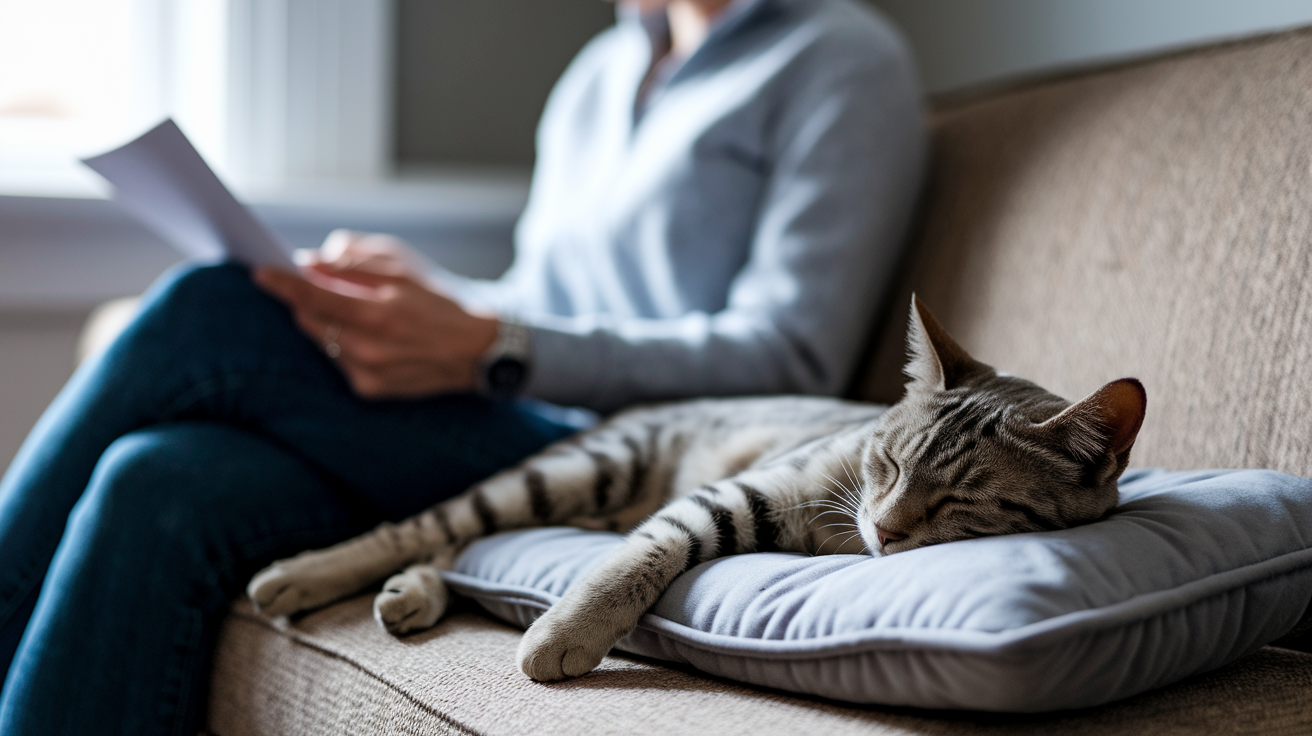
Start by listing what your home actually offers, not what you wish it offered. How many hours a day is the house empty? Do you have kids under ten? Is there another pet already? Can you commit to daily grooming, or is twice a week your realistic max? A Birman’s calm, but if you work long shifts and live alone, that cat will be miserable. A Persian is the definition of low energy, but if you hate repetitive tasks, you’ll resent the grooming within a month and the cat will suffer for it.
Older cats are often the safest bet if low activity’s your top priority. A seven year old shelter cat with a documented history of napping all day and ignoring the other cats is a better fit than a one year old purebred Ragdoll that might still have kitten energy. Shelter staff can tell you which cats are truly sedentary, which ones get along with dogs, and which ones need to be the only pet. Breed matters, but individual personality and age matter more. If you’re set on a specific breed, ask the breeder or rescue about the cat’s daily routine. How much does it play, how often does it vocalize, does it follow people or prefer being alone?
Grooming time’s the most common mismatch. People fall in love with a Persian’s face and underestimate the daily brushing, eye cleaning, and occasional professional grooming. If you travel for work, who will brush the cat? If you have young kids, will you realistically have 15 minutes every evening for grooming, or will it slide? Be honest. A low maintenance coat doesn’t mean low maintenance cat, but it removes one major daily task.
Five key decision factors when choosing a low activity breed:
- Grooming time: Can you commit to daily brushing (Persian, Himalayan) or do you need a low maintenance coat (British Shorthair, Russian Blue)?
- Social needs: Does the cat tolerate being alone all day (Russian Blue, British Shorthair) or require company (Birman, Ragdoll)?
- Space: Do you have room for a large, mellow cat (Maine Coon) or is a smaller breed better suited to a studio (Persian, Scottish Fold)?
- Independence: Do you want a cat that stays near you (Ragdoll) or one that’s happy doing its own thing (Russian Blue)?
- Health: Are you prepared for potential weight management (American Shorthair), respiratory care (flat faced breeds), or mobility monitoring as the cat ages?
If you skip a walk for two days, what happens in your house? For a low activity cat, the answer is: not much. That’s the whole point. But if you skip grooming, vet check ins, or portion control, the consequences show up slowly and cost more to fix later. Confidence before commitment means knowing the breed’s trade offs and your own limits before you bring the cat home.
Final Words
In the action: you’ve got a ranked list of the top low-energy cats, a plain look at inherited activity traits, and clear notes on what “low activity” means at home—sleep patterns, short play sessions, and obesity risk.
We walked through temperament, daily exercise needs, grooming demands, apartment fit, and health watch-outs, plus the top 11 least active cat breeds so you can compare.
Use the least active cat breeds ranking to match a cat to your routine—pick by grooming tolerance, space, and alone-time needs. You’re closer to the calm companion that fits your life.
FAQ
Q: Which cat breed is the least active or most inactive?
A: The least active, or most inactive, cat breeds are usually Persian, Ragdoll, British Shorthair, Exotic Shorthair, Russian Blue, American Shorthair, Maine Coon, Scottish Fold, Selkirk Rex, Birman, and Himalayan.
Q: What is the calmest breed of cat?
A: The calmest cat breeds tend to be Ragdolls, Persians, British Shorthairs, Birmans, and Exotic Shorthairs — they often prefer laps, quiet time, and light play over high-energy antics.
Q: What is the 3-3-3 rule for cats?
A: The 3-3-3 rule for cats says three days to settle in, three weeks to adjust to routines, and three months for their true personality to show — use it to set patient expectations.