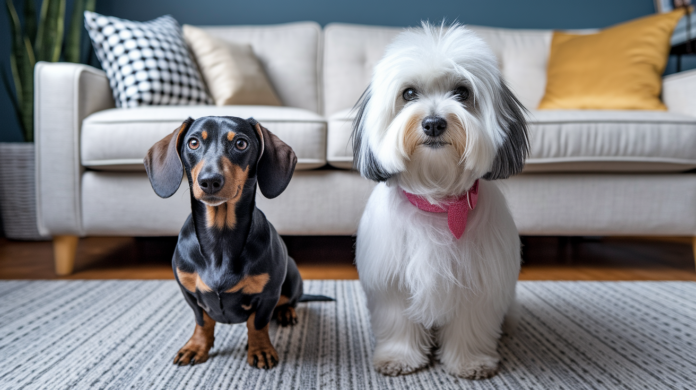

Think a tiny dog is always easier in an apartment? Think again.
What matters more is temperament, noise level, and how a dog fits your daily routine, not just weight or height.
If you want a calm, trainable companion who won’t drive neighbors crazy or need a yard, this guide picks breeds that tend to do well in small spaces and tells you the trade-offs—grooming, exercise, and alone-time needs—so you can decide before you commit.
By the end you’ll know which dogs are a smart match for first-time apartment owners.
Top Beginner‑Friendly Apartment Dog Breeds You Should Consider
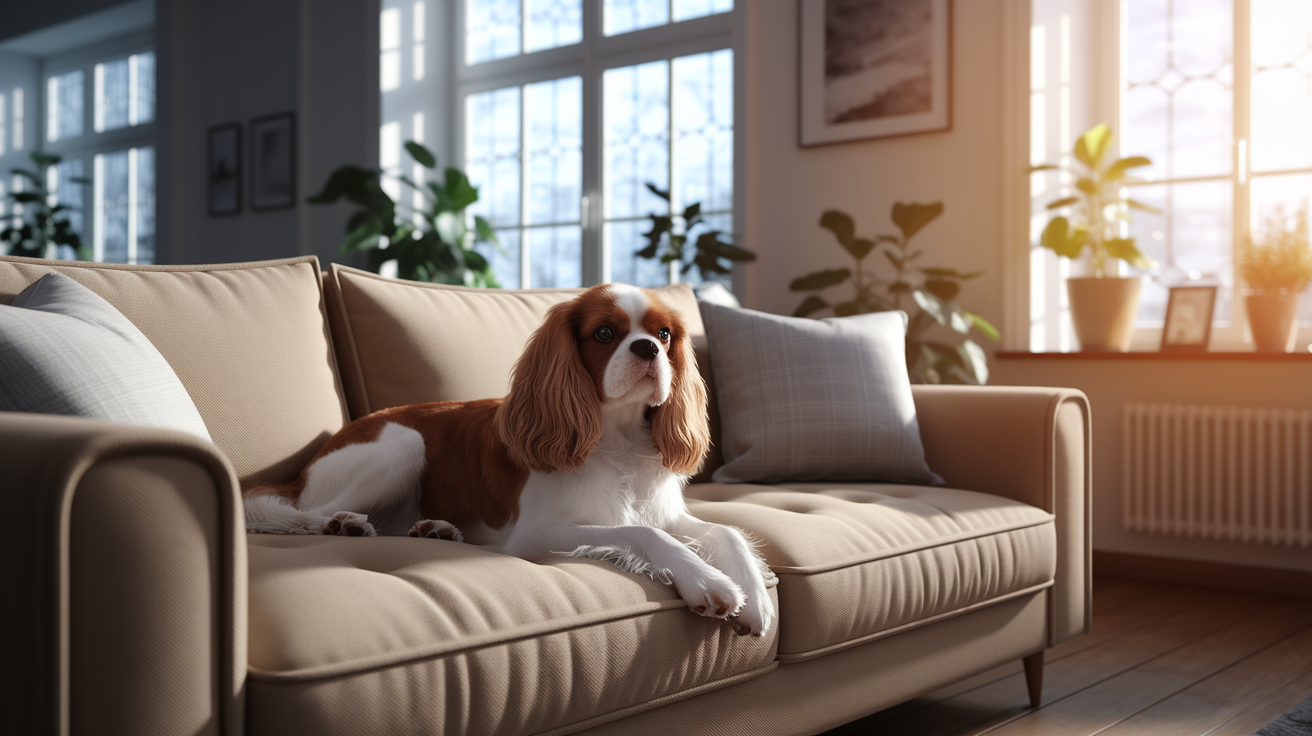
Choosing the right dog for apartment life means you’re looking at temperament, noise levels, and daily care needs first. Size matters less than you’d think. The best apartment dogs for first-time owners are usually calm, trainable, and happy with moderate exercise. Plenty of small breeds fit naturally into tight spaces, but some larger breeds surprise people by being quiet and low energy indoors.
What really matters is matching a dog’s personality and needs to your actual routine. A barky, high energy small dog can annoy neighbors way more than a large, silent couch potato. You want breeds with predictable exercise requirements, manageable grooming, and a solid track record of handling confined spaces without anxiety or tearing things apart.
Out of the 21 breeds you’ll see recommended for apartments, some just work better for novice owners who want a straightforward, low drama companion. Here are 10 breeds that consistently deliver:
Cavalier King Charles Spaniel — affectionate, easy to train, moderate exercise needs, loves being close to people
Greyhound — surprisingly calm indoors, rarely barks, needs short sprint sessions but otherwise low energy
Bichon Frise — cheerful and trainable, low shedding (good for allergies), but you’ll need regular grooming
Dachshund — friendly and playful, moderate walks work fine, just protect their back from stairs and jumping
Havanese — intelligent and sociable, but can get separation anxiety if left alone too long
Boston Terrier — gentle and compact, good with early socialization, brachycephalic so watch for breathing issues
Pug — playful and affectionate, low exercise needs, also brachycephalic, can be clingy
Shih Tzu — easygoing lap dog, low activity indoors, needs regular grooming
Maltese — cheerful but attention seeking, high grooming demands, not ideal if you’re out all day
Yorkshire Terrier — playful and clever, small footprint, can be vocal without training and exercise
Your lifestyle and how willing you are to meet grooming, exercise, and companionship needs matter more than any breed label. A low energy breed still needs daily walks. A quiet breed left alone too long might develop noise problems. Fit matters more than size.
Key Traits That Make a Dog One of the Best Apartment Breeds
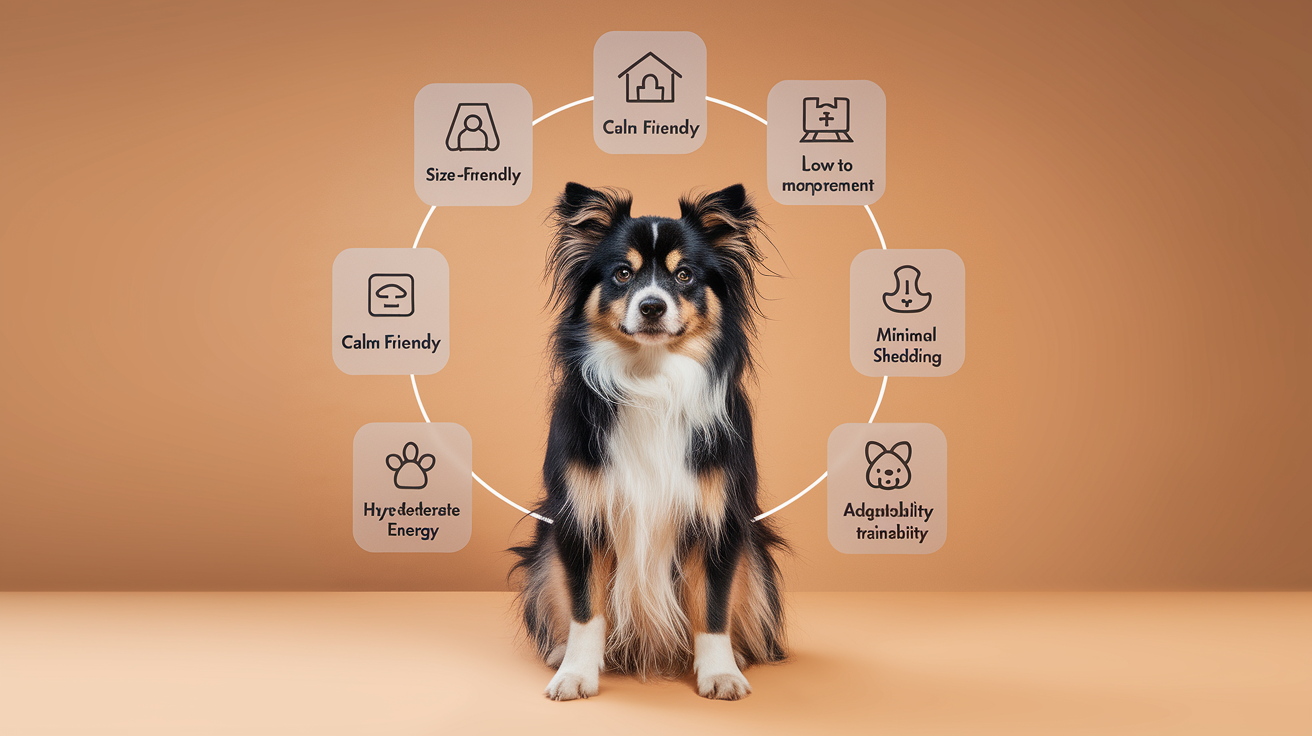
Not every dog’s built for apartment living, and size is only part of it. The breeds that thrive in small spaces share a handful of behavioral and care traits that make daily life manageable for first time owners and peaceful for neighbors.
These six factors separate apartment friendly dogs from breeds better suited to a house with a yard:
Small to medium size — easier to navigate hallways, elevators, and tight corners. Lower impact on floors and furniture.
Calm, quiet temperament — less likely to bark at passersby, doorbells, or hallway noise.
Low to moderate energy — content with short daily walks and indoor play rather than long runs or constant activity.
Minimal shedding or manageable grooming — reduces allergens and mess in confined spaces. Some low shed breeds still need professional grooming.
High adaptability — comfortable with changes in environment, routine, and exposure to elevators, stairwells, delivery people.
Trainability — responds well to boundaries, potty routines, and commands that prevent jumping, barking, or destructive chewing.
When a dog checks most of these boxes, you’re way less likely to face landlord complaints, neighbor friction, or personal overwhelm. A French Bulldog or Pug may be small and quiet but they’ll struggle in extreme heat because of their short snouts. A Greyhound is large but exceptionally calm indoors and rarely barks, making it ideal for noise sensitive buildings. Breeds like the Yorkshire Terrier or Pomeranian are tiny but can be vocal and need early training to curb barking. Understanding these trade offs before you commit helps you choose a breed that fits your building, your schedule, and your experience level.
Practical Care Tips for First‑Time Apartment Dog Owners
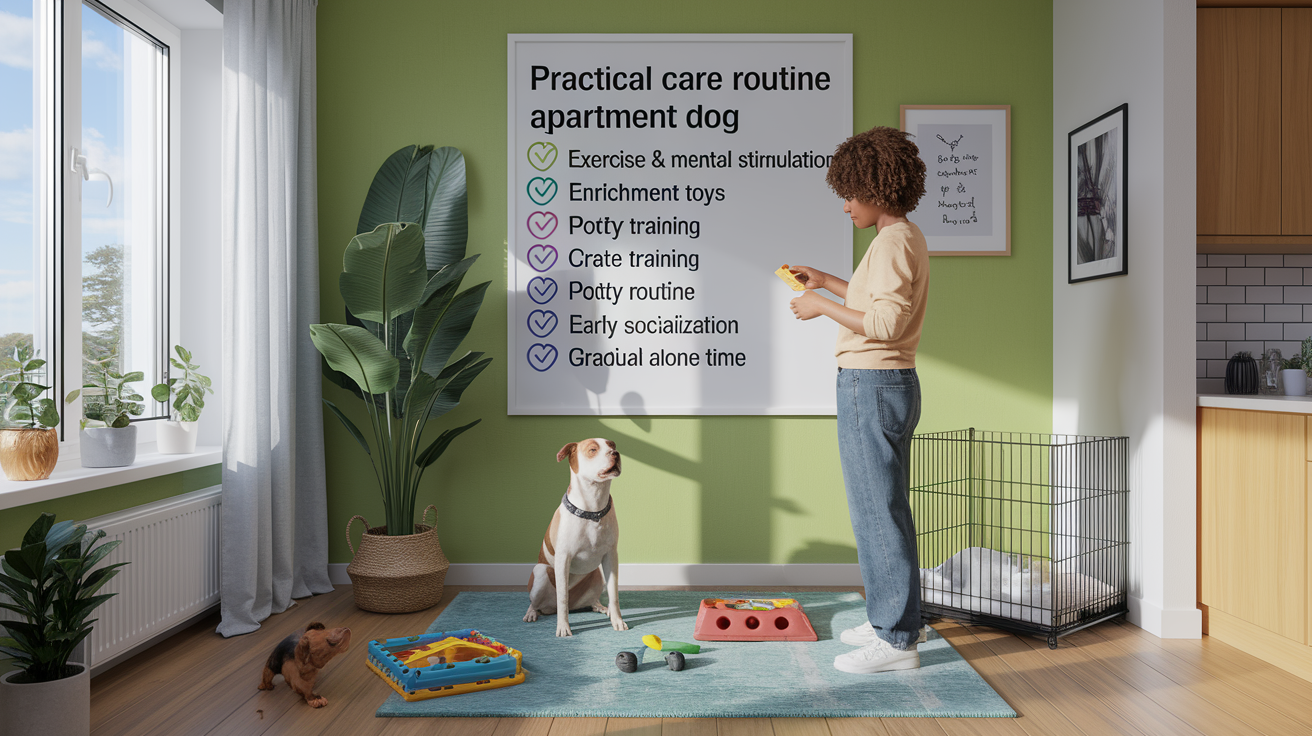
Day to day apartment dog care comes down to meeting exercise needs, managing noise, and building routines that prevent boredom and anxiety. Dogs don’t know they live in a small space. They just know whether they’re tired, entertained, and secure.
Start by setting up a consistent daily schedule for walks, feeding, and potty breaks. Most apartment friendly breeds need at least two short walks per day or one longer session, plus indoor play or training time. Breeds like Greyhounds and Whippets need opportunities to sprint, even if it’s just a few minutes at a dog park once or twice a week. Without regular exercise, even calm dogs can develop destructive habits or excessive barking.
Here are six practical steps that make apartment dog ownership smoother:
Exercise and mental stimulation — daily walks, indoor fetch or tug, puzzle toys, and short training sessions keep dogs calm and prevent boredom driven barking.
Enrichment toys — treat dispensing toys, snuffle mats, and chew items give your dog something to do when you’re busy or out briefly.
Crate training — a crate provides a secure den like space, reduces stress during alone time, and protects your apartment from chewing or accidents.
Potty training and routine — puppies need frequent outdoor trips (every 2 to 3 hours at first). Older dogs adapt faster but still benefit from predictable schedules.
Early socialization — expose your dog to elevator sounds, hallway foot traffic, delivery people, and other dogs to reduce fear based barking.
Gradual alone time training — practice leaving for short periods and slowly increase duration to prevent separation anxiety. Pair departures with a special toy or treat.
Noise management is critical in apartments. Desensitize your dog to common sounds with positive associations and white noise or calm music when you’re out. If your dog barks at every hallway noise, neighbors notice fast. Training and exercise are what you pay for a quiet, well adjusted apartment dog.
Grooming & Health Responsibilities for Small and Medium Apartment Dogs
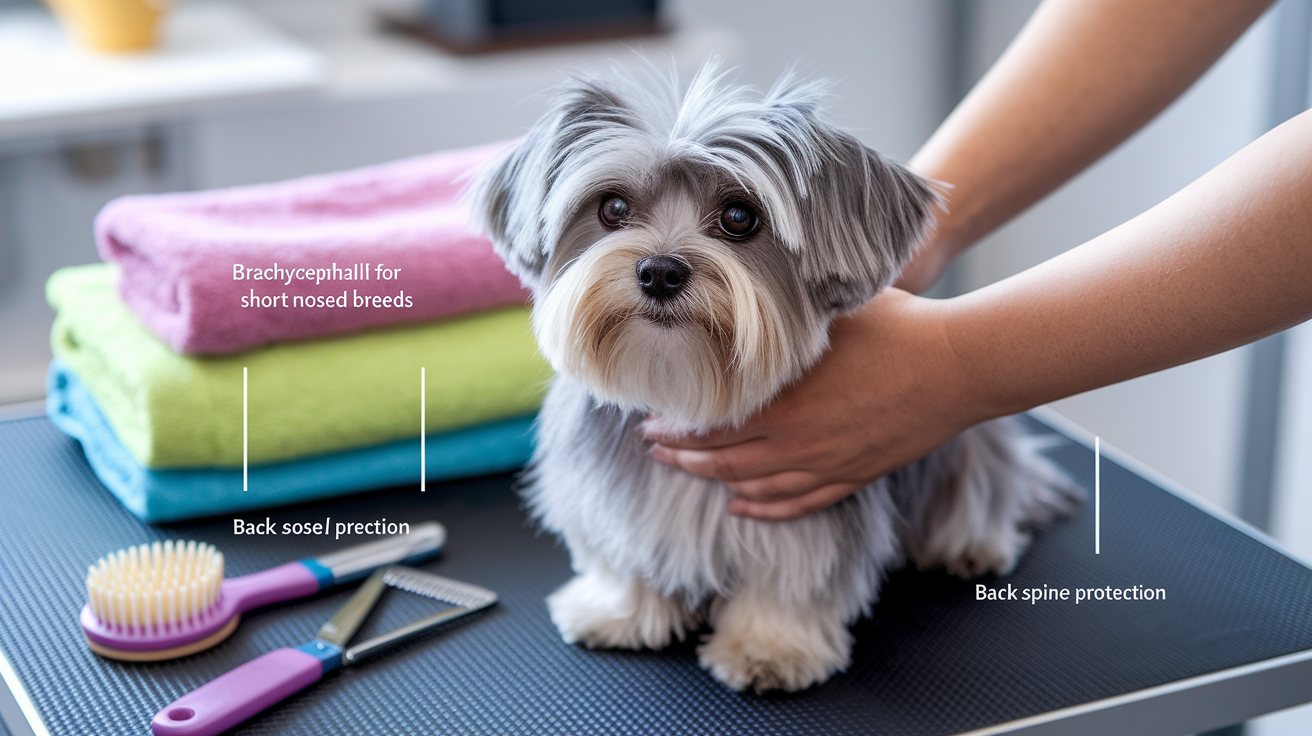
Grooming workload varies wildly among apartment friendly breeds, and underestimating it is a common beginner mistake. Some breeds are low maintenance wash and go dogs. Others need professional grooming every 6 to 8 weeks or daily brushing to prevent mats and tangles.
High grooming breeds like the Maltese, Shih Tzu, Yorkshire Terrier, Cocker Spaniel, and Bichon Frise have beautiful coats that demand regular upkeep. Expect to budget time or money for grooming appointments, plus at home brushing sessions several times a week. Low shedding breeds are often better for allergy prone owners, but “low shed” doesn’t mean “low care.” Bichons and Poodle mixes shed minimally but still need frequent grooming. Short coated breeds like Pugs, Boston Terriers, and Dachshunds are easier to maintain but may shed seasonally.
Health vulnerabilities also vary by breed. Brachycephalic dogs (Pugs, Bulldogs, Boston Terriers, Pekingese) have short snouts that make breathing harder, especially in heat or during vigorous play. Avoid overheating them and watch for labored breathing. Dachshunds have long spines and are prone to back injuries. Keep them off stairs and discourage jumping from furniture. Sighthounds like Greyhounds and Whippets need safe, fenced spaces for off leash sprints and have high prey drives that make recall unreliable near small animals.
| Breed | Grooming Needs | Key Health Notes | Apartment Fit Considerations |
|---|---|---|---|
| Bichon Frise | Regular professional grooming, frequent brushing to prevent mats | Generally healthy, low shedding coat better for allergies | Cheerful and trainable, needs daily exercise and mental stimulation |
| Maltese | High maintenance coat, professional grooming every 6 to 8 weeks | Prone to separation anxiety if left alone long hours | Great for small spaces if owner is home often, can be vocal |
| Pug | Low grooming, moderate shedding, clean facial folds regularly | Brachycephalic, breathing issues, heat sensitivity | Quiet and affectionate, low exercise needs, can be clingy |
| Dachshund | Low to moderate depending on coat type (smooth, longhaired, wirehaired) | Protect spine, avoid stairs, jumping, and rough play | Friendly and playful, moderate walks, compact and apartment suitable |
Choosing Between Adoption, Rescue, or Buying for an Apartment Dog
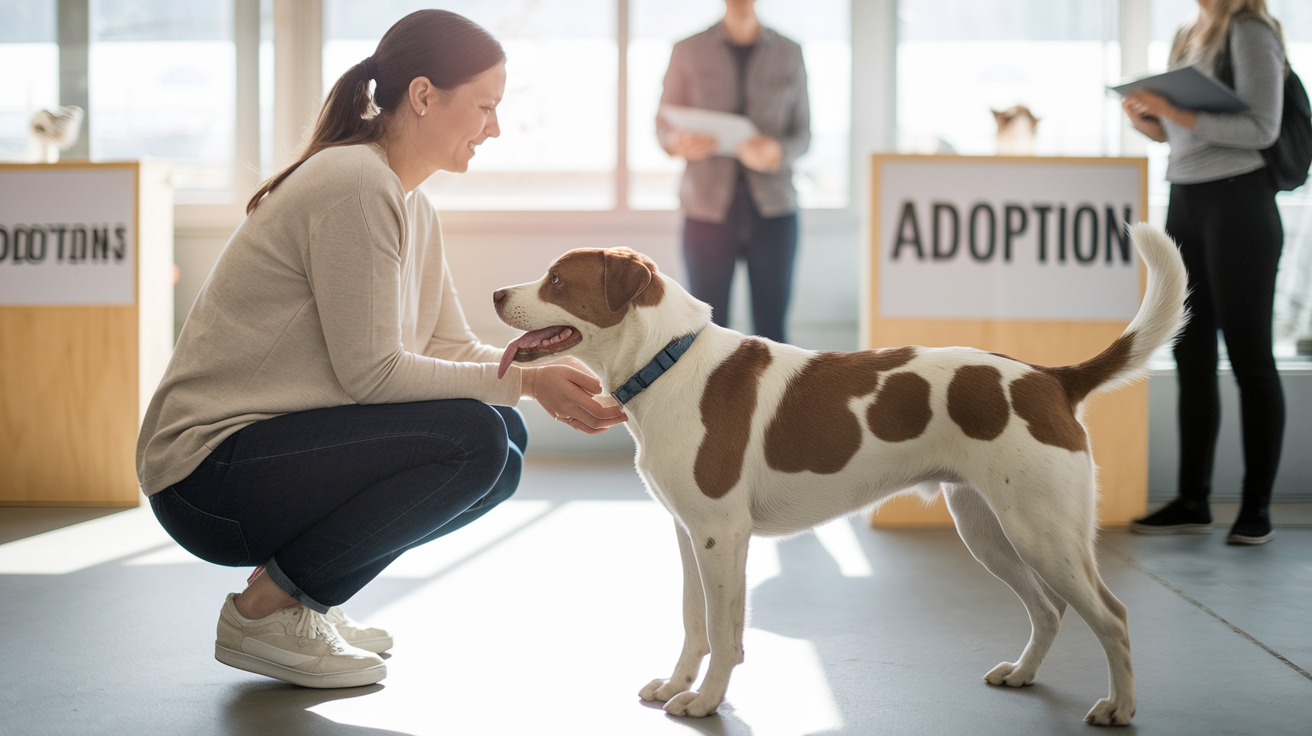
Adopting a rescue dog often gives first time apartment owners a calmer, more predictable companion than a puppy from a breeder. Older dogs typically have lower energy, established routines, and known temperaments. Shelters and rescue groups can tell you whether a dog’s lived in an apartment before, how it reacts to being alone, and whether it barks excessively or has separation anxiety.
Mixed breeds can combine the best traits of parent breeds and are often more adaptable than purebreds. Examples like the Cavachon (Cavalier plus Bichon), Chiweenie (Dachshund plus Chihuahua), Shorkie (Shih Tzu plus Yorkie), and Chug (Chihuahua plus Pug) frequently appear in shelters and deliver the compact size and friendly temperament apartment owners need. Retired racing Greyhounds are widely available through adoption groups and make surprisingly great apartment dogs despite their size.
When you’re evaluating a dog for adoption, ask shelters these five questions:
What’s the dog’s typical energy level throughout the day?
Does the dog bark frequently or react strongly to noises and strangers?
What are the grooming and shedding requirements?
Has the dog shown any signs of separation anxiety or destructive behavior when left alone?
Does the dog have any known history of apartment living or small space experience?
Rescues often provide foster home behavior reports that reveal how a dog handles daily apartment life. Information you won’t get from a breeder selling an 8 week old puppy. Puppies are adorable but they need frequent potty trips, constant supervision, and months of training. If you work full days or have never house trained a dog before, an adult rescue may be the smoother path to a happy apartment dog.
Final Words
You’ve got a curated shortlist of apartment-friendly breeds and the clear reasons behind each pick: temperament, noise, grooming, and daily energy needs. These are the traits that matter more than size.
We also covered routines, walks or short bursts, indoor enrichment, crate and alone-time training, and realistic grooming and health warnings, like short-nosed breeds and Dachshund spine care.
Use the checklist, ask shelters the right questions, and match a dog to your day-to-day. Pick carefully and you’ll have a calm, happy companion among the best apartment dogs for first time owners.
FAQ
Q: What is the best first dog for an apartment and which breeds are calmest?
A: The best first dog in an apartment and the calmest choices are small-to-medium, low–moderate energy breeds. Top picks: Cavalier King Charles Spaniel, Bichon Frise, Greyhound, Havanese, Shih Tzu, Boston Terrier, Pug.
Q: What is the no. 1 lazy dog, and can a dog be left alone for 8 hours?
A: The no. 1 lazy dogs tend to be sighthounds or low-energy types like Greyhounds, Basset Hounds, and Bulldogs. Still, no dog should routinely be left alone eight hours without walks, training, or a midday sitter.