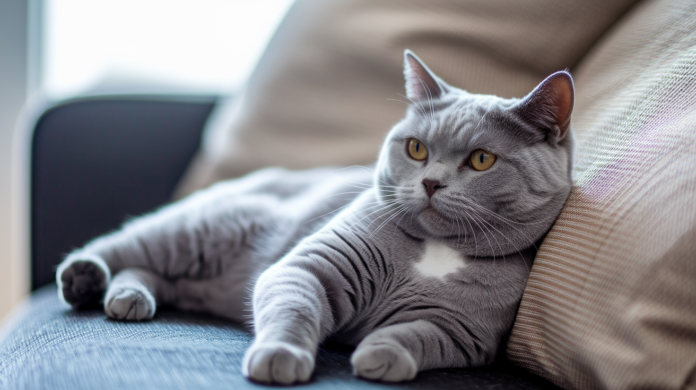

Think a cat is always low effort? Not true.
Some breeds really are easy, with weekly brushing, calm alone time, and fewer health surprises.
This post points to breeds that fit busy lives and the trade-offs people often miss.
You’ll get straight answers about grooming, activity, alone-time tolerance, and likely vet costs.
By the end you’ll know which breeds are a yes, a no, or “not right now” for your schedule.
Identifying Truly Low-Maintenance Cat Breeds for Busy Households

A genuinely low maintenance cat doesn’t ask for much. Weekly brushing covers it for breeds like the British Shorthair and American Shorthair. Russian Blues need a brush once or twice a week and usually figure out the litter box fast. The Ragdoll’s semi long coat sounds like work, but the silky texture resists matting so you’re not battling knots every day. Health stability matters too. The Cat Fanciers’ Association notes the British Shorthair has no breed specific health problems, and the American Shorthair is known for living long without drama.
Activity and attention needs separate truly easy breeds from those that only look simple. Maine Coons and Birmans stay calm and entertain themselves for hours, fitting naturally into a work from home or office schedule. Ragdolls play gently and rarely demand your focus the second you walk in the door. That steady, patient vibe is what the American Veterinary Medical Association had in mind when warning that mismatched expectations lead to relinquishment. Picking a cat that actually fits your daily routine prevents surprises later.
Breeds like the Siamese and Sphynx sit on the opposite end. Siamese cats crave interaction and will vocalize when bored. The Sphynx forms close bonds and expects regular attention, plus it needs frequent bathing to manage skin oils. If your schedule leaves little room for daily engagement or special skin care, those breeds will feel like more work than you bargained for. Low maintenance means the cat thrives on the time and energy you actually have.
Top Low-Maintenance Cat Breeds and Why They Fit Busy Lifestyles
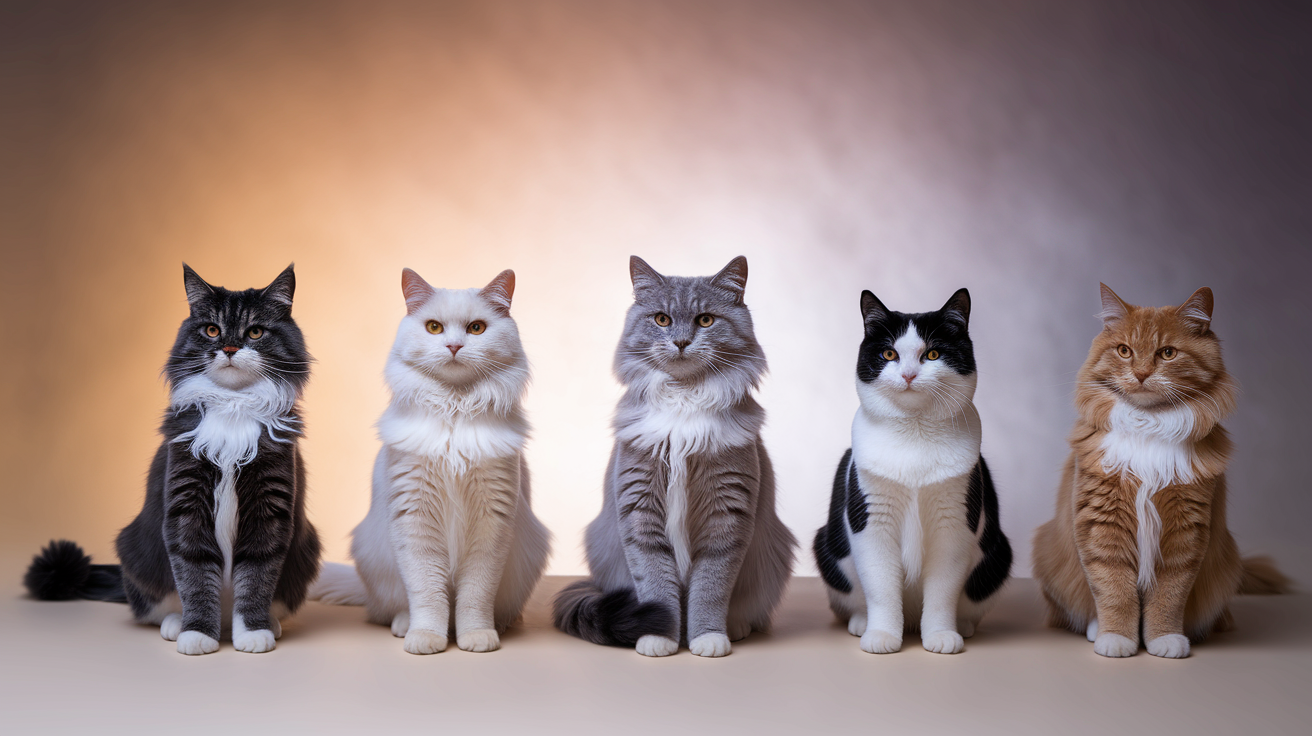
The breeds that consistently earn “low maintenance” status share a few traits: short or easy care coats, calm to moderate energy, and enough independence to handle a typical workday alone without stress. They adapt to apartment living, tolerate predictable routines, and don’t punish you with destructive behavior if you skip an evening play session. Most of these cats also get along with children, dogs, or other pets, so they slot into existing households without drama.
The list below captures the breeds mentioned most often across veterinary and breed registry sources. Each one balances grooming ease with stable temperament and reasonable health. Some have short coats that need almost nothing beyond weekly brushing. Others carry longer fur but avoid the daily combing that turns grooming into a second job.
- British Shorthair – Calm, easygoing, weekly brushing, no breed specific health flags.
- American Shorthair – Robust, adaptable, good with kids and dogs, minimal grooming.
- Russian Blue – Independent, 1–2 brushings per week, lower allergen output (less Fel d 1 glycoprotein).
- Ragdoll – Gentle, silky semi long coat that stays mat free with occasional brushing.
- Burmese – Silky short coat needs little more than daily petting, highly people tolerant.
- Bombay – Tight short coat sheds minimally, adapts well to busy routines.
- Maine Coon – Large but easier coat care than most longhairs, self sufficient and social.
- Chartreux – Quiet, affectionate without being clingy, low demand grooming.
- Cornish Rex – Minimal shedding, lively but self entertaining, good for allergy conscious homes.
- Somali – Long coat that rarely mats or tangles, many owners skip professional grooming entirely.
Grooming Requirements of Easy-Care Cat Breeds
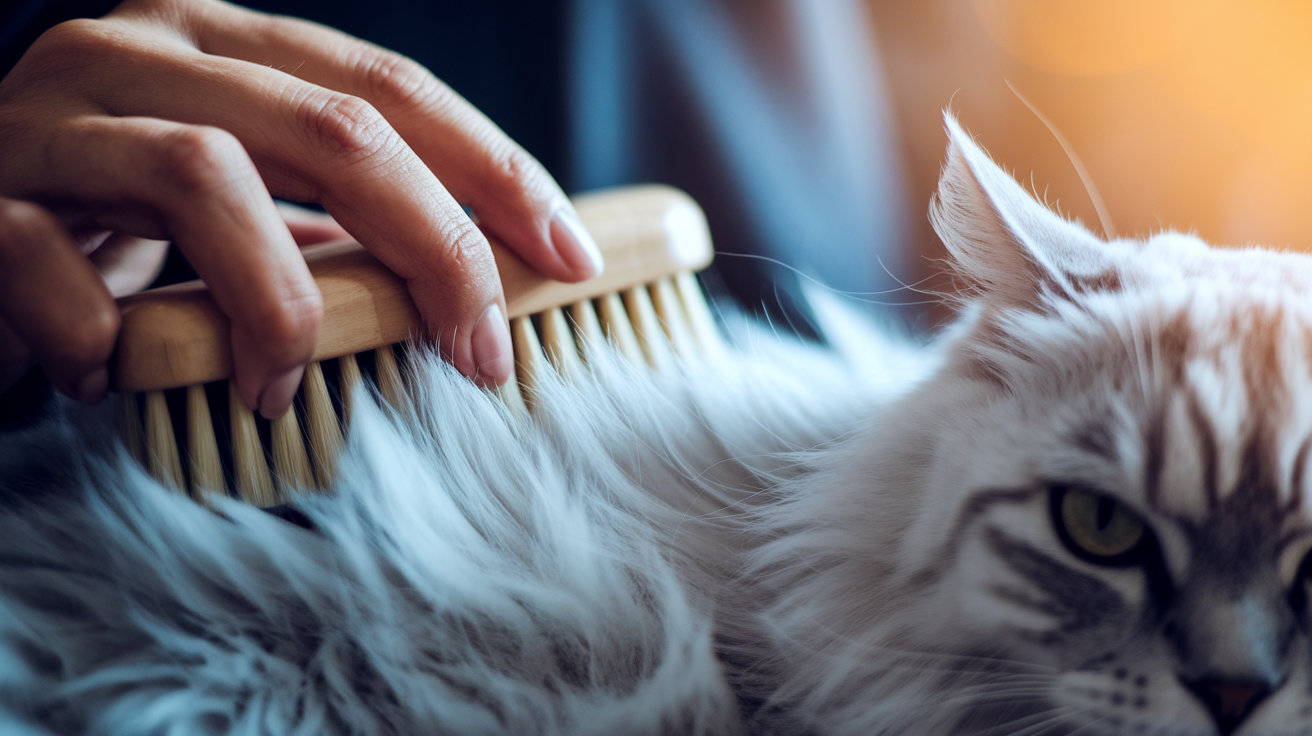
Grooming is where “low maintenance” either proves true or falls apart. Short haired breeds like the British Shorthair, American Shorthair, and the short coated Scottish Fold typically need one weekly combing session to remove loose dander and distribute skin oils. The Russian Blue asks for brushing once or twice a week to keep its plush coat glossy. These schedules fit easily into a Sunday morning routine or a quick weeknight session in front of the TV.
Longer coats don’t automatically mean high maintenance. The Ragdoll, Maine Coon, Siberian, and Somali all carry more fur but avoid the daily tangles that plague breeds like the Persian or Himalayan. Occasional brushing, every few days or even once a week, keeps these coats in good shape because the texture stays silky and resists matting. On the other end, the Sphynx has no fur to brush but needs frequent baths to manage the body oils that would normally get absorbed by a coat. That trade off makes the Sphynx higher maintenance than it first appears.
| Coat Type | Example Breeds | Average Care Frequency |
|---|---|---|
| Short, dense | British Shorthair, American Shorthair, Bombay | Weekly brushing |
| Short, plush | Russian Blue, Burmese | 1–2 times per week |
| Semi-long, silky | Ragdoll, Maine Coon, Somali, Siberian | Occasional (every few days) |
Temperament and Independence in Low-Maintenance Breeds

Temperament shapes daily maintenance as much as coat type does. A cat that paces, yowls, or claws furniture when left alone for a work shift creates stress and extra cleanup. Breeds like the British Shorthair and Chartreux stay calm and occupy themselves with naps, window watching, or solo play. The Russian Blue bonds with family but doesn’t shadow you from room to room or demand constant lap time. Maine Coons are social enough to greet you at the door but self sufficient enough to entertain themselves for hours without inventing trouble.
Some breeds blur the line. The Ragdoll is gentle and loves companionship but won’t sulk if you’re at the office all day. The Bombay adapts well to active households and enjoys interaction without requiring it every waking minute. The Burmese is extremely people oriented and tolerates children easily, but it still handles alone time better than high demand breeds. If you want a cat that’s friendly without being clingy, these middle ground breeds offer warmth without the guilt trip.
Contrast that with the Siamese and Sphynx. Siamese cats are lively, vocal, and crave interaction. They’ll let you know loudly if they’re bored. The Sphynx forms close bonds and expects regular attention, plus it needs climate control because it lacks fur for insulation. Both breeds are affectionate and trainable, but they’re better suited to someone who’s home often or works from home full time. For owners who want a cat that thrives on moderate attention, the independent breeds are the safer bet. Temperament mismatches cause more stress than grooming ever will.
Health and Vet Maintenance Needs of Low-Maintenance Cats

Most of the breeds that rank low maintenance also bring fewer breed specific health headaches. The British Shorthair has no documented breed related health problems according to the Cat Fanciers’ Association. The American Shorthair is known for robust health and longevity. Birmans and Bombays are described as hearty and healthy in breed profiles. That general sturdiness means fewer surprise vet visits and lower long term costs, though routine wellness checks, vaccinations, and dental care still apply to every cat.
The exceptions usually involve special environmental or physical needs. The Sphynx lacks fur, so it can’t regulate body temperature as well. It needs warmth in cold weather and sun protection in hot weather. Its faster metabolism may require more frequent feeding. The Maine Coon is generally healthy but grows large, so joint health and weight management become more important as it ages. Some long haired breeds, even the easier ones, carry a higher risk of hairballs if grooming slips. These aren’t deal breakers, but they add tasks to the routine.
No matter the breed, health screening at adoption or purchase reduces unpleasant surprises. Ask rescues or breeders about vaccination records, early socialization, and any known genetic issues in the line. Kittens raised in family settings and already vaccinated tend to adapt faster and show fewer behavioral problems. A well socialized, health checked kitten from a reputable source will always be lower maintenance than one with unknown history or early neglect.
Comparing Low-Maintenance Cat Breeds Side-by-Side

When you’re trying to choose between several low maintenance breeds, a direct comparison helps clarify which one fits your specific household. The table below captures grooming frequency, independence, activity level, and key notes for five popular easy care breeds. Use it to match your available time, living space, and interaction preferences.
| Breed | Grooming Level | Independence | Activity Level | Notes |
|---|---|---|---|---|
| British Shorthair | Weekly brushing | High | Low to moderate | Calm, no breed specific health issues, watch for weight gain |
| American Shorthair | Weekly brushing | High | Moderate | Robust, long lived, excellent with kids and dogs |
| Russian Blue | 1–2 times per week | High | Moderate | Lower allergen output, intelligent, easy litter training |
| Ragdoll | Occasional brushing | Moderate | Low | Gentle, semi long coat that resists matting, good for families |
| Bombay | Minimal (tight coat) | Moderate to high | Moderate | Very low shedding, adapts to busy routines, social and inquisitive |
The table highlights that grooming frequency and independence don’t always align. A breed can be independent but still need regular brushing, or it can be moderately social but shed almost nothing. The Russian Blue is ideal if you’re allergy conscious and want a cat that’s content alone during work hours. The Ragdoll suits families who want a gentle, low energy companion that tolerates children without needing constant interaction. The Bombay fits apartment dwellers who can’t handle heavy shedding and prefer a cat that adapts to irregular schedules. Match the columns to your daily reality.
Choosing the Best Low-Maintenance Cat for Your Lifestyle
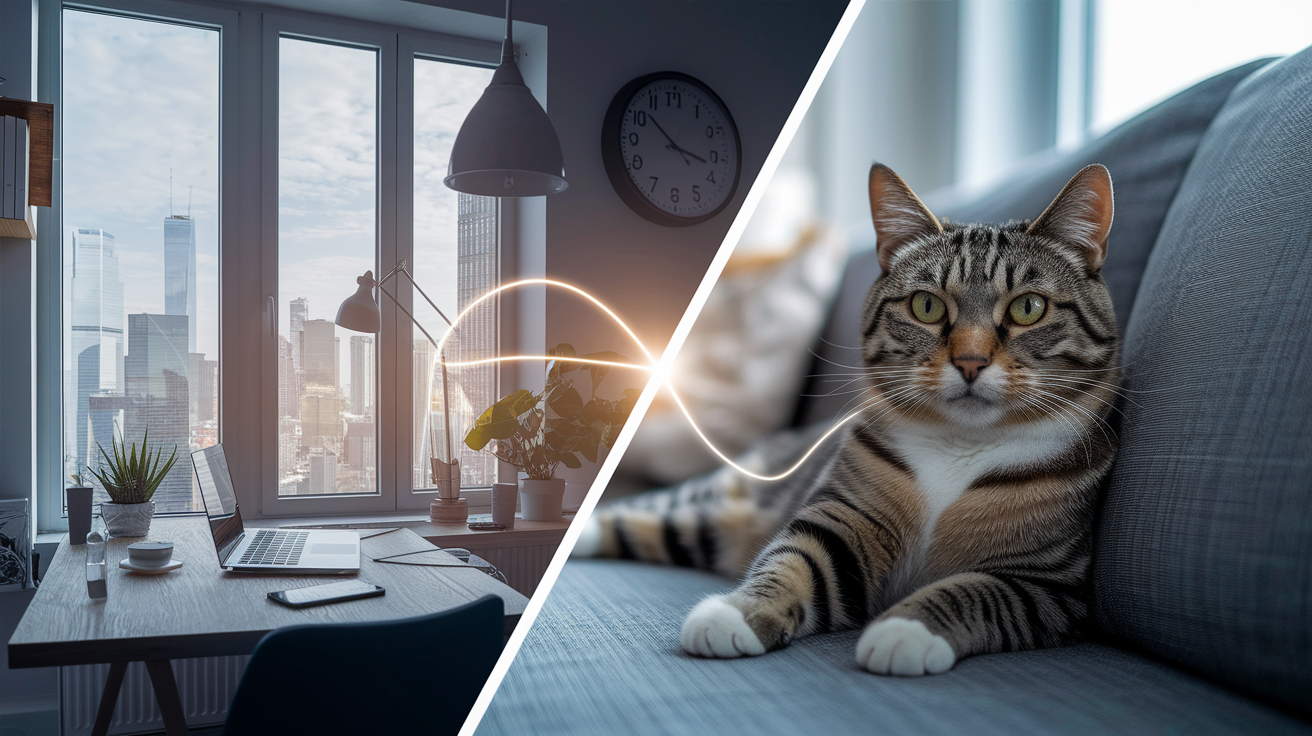
The right low maintenance cat is the one that fits your household as it actually is. Not as you imagine it might be someday. Start by evaluating how much time you’re realistically home and available for interaction. If you work long hours or travel frequently, breeds like the Russian Blue, British Shorthair, and Maine Coon handle solitude better than the Sphynx or Ocicat. The Ocicat is intelligent and adapts to busy homes but becomes unhappy if left alone for many hours daily. That’s a mismatch waiting to happen if you’re gone ten hours a day.
Allergies narrow the field fast. The Russian Blue produces less of the Fel d 1 glycoprotein, the most common cat allergen, so it’s a better option for mild allergy sufferers. The Cornish Rex sheds minimally, which can also help reduce airborne allergens in the home. If you live in an apartment, shedding and noise matter more. The Bombay has a tight coat that sheds very little, and the Chartreux stays quiet and calm. Both fit apartment life better than a vocal Siamese or a heavy shedding Persian.
Five factors help you self sort quickly:
- Daily time available for grooming and play – Match weekly brushing breeds to tight schedules, avoid daily grooming or high interaction breeds.
- Household activity level – Calm breeds suit quiet homes, adaptable breeds like the American Shorthair handle noisy, active families.
- Allergies or asthma in the household – Prioritize low shedding or lower allergen breeds like Russian Blue or Cornish Rex.
- Living space – Small apartments favor low shedding, quiet, moderate energy cats like Bombay or Chartreux.
- Desire for interaction vs. independence – If you want a lap cat, choose Ragdoll or Burmese. If you want a companion that doesn’t need you every evening, choose British Shorthair or Russian Blue.
Practical Care Tips to Keep Your Cat Low-Maintenance

Even the easiest breed requires a few consistent routines to stay healthy and calm. Grooming schedules don’t have to be complicated. Set a weekly reminder on your phone for brushing, and keep the brush near the couch or your usual TV spot. For short haired breeds, a quick five minute session once a week is enough. Breeds like the Ragdoll or Maine Coon might need brushing every few days during seasonal shedding, but the rest of the year you can stretch it longer. Bathing is rarely necessary for most cats unless you have a Sphynx, which needs regular baths to manage skin oils and prevent buildup.
Feeding and litter routines prevent most behavioral problems before they start. Keep feeding times consistent. Morning and evening work for most households. Place the litter box in a quiet, accessible spot. Puzzle feeders add mental stimulation without extra effort on your part, and elevated perches let cats watch the world from a safe vantage point. Brief interactive play sessions, even just five or ten minutes with a feather wand or laser pointer, keep moderate energy cats content and reduce boredom behaviors like scratching furniture or knocking things off counters. Indoor only living eliminates flea and parasite exposure, reduces injury risk from cars or other animals, and protects local wildlife from hunting.
Four simple routine hacks that save time and money:
- Keep a small grooming kit (brush, nail clippers, wipes) in a visible spot so you remember to use it.
- Use a self cleaning or easy scoop litter box to cut daily maintenance time in half.
- Buy food in bulk when on sale and store it in an airtight container to reduce trips to the store.
- Schedule annual vet checkups and vaccinations during a slow work period to avoid last minute stress.
Adoption and Rescue Options for Low-Maintenance Cats

Rescues and shelters often have adult cats whose temperament and grooming needs are already clear, which removes much of the guesswork that comes with kittens. An adult British Shorthair or American Shorthair from a rescue will show you immediately whether it’s calm and independent or needs more attention than you can give. Ask shelter staff or foster volunteers specific questions. How does the cat handle being alone for several hours? Does it seek out laps, or does it prefer to nap solo? How much grooming has it needed in foster care? A cat that’s already lived in a home setting will adapt faster to yours than one that’s only known a cage.
Before bringing any cat home, verify health screening and vaccination records. Many rescues also spay or neuter before adoption, which eliminates one major vet expense and reduces certain behavioral issues. If you’re adopting a kitten, confirm it was raised around people and other pets. That early socialization makes litter training easier and reduces fearfulness. The American Veterinary Medical Association warns that mismatched expectations lead to relinquishment, so take the time up front to be honest about your schedule, living space, and tolerance for grooming or interaction. A good rescue will help you find the right match instead of pushing a cat that looks cute but won’t fit your life.
Final Words
You can now judge breeds by the things that matter: grooming needs, how social they are, activity level, and likely vet care.
The post named top picks (British Shorthair, American Shorthair, Russian Blue, Ragdoll, Burmese, Bombay, Maine Coon, Chartreux, Cornish Rex, Somali), explained grooming routines, temperament, health watch-outs, and gave adoption and daily-care tips.
Match those traits to your day-to-day life and you’ll narrow in fast. Picking from these low maintenance cat breeds means fewer surprises and more cozy, low-stress time with your cat.
FAQ
Q: What is the easiest cat to care for? / Which cat breed requires the least maintenance?
A: The easiest cats to care for are breeds like British Shorthair, American Shorthair, Russian Blue, Ragdoll and Burmese; they need minimal grooming, tolerate alone time, and tend to be robust and calm.
Q: Is there a 3-3-3 rule for cats?
A: The 3-3-3 rule for cats is an adoption guideline: 3 days to settle, 3 weeks to form routines, and 3 months to fully adjust and bond in their new home.
Q: What is the calmest house cat?
A: The calmest house cat is often the Ragdoll, with British Shorthair and Chartreux close behind; they’re low-energy, quiet, and usually content with short daily play and predictable routines.