

Think a tiny apartment dooms you to a yowling, wall-climbing cat?
It doesn’t have to be that way.
Some breeds are naturally calm, quiet, and happy living entirely indoors.
This post names the calm cat breeds that actually thrive in small spaces, shows what day-to-day life looks like with each, and points out the trade-offs people often miss, like grooming needs, exercise, and health watch-outs.
By the end you’ll know which cat could be a peaceful roommate, which needs extra care, and which to pass on right now.
Calm Cat Breed Recommendations Tailored for Small‑Space Living

A calm cat breed in a small home isn’t about squeezing a pet into tight quarters. It’s about choosing a temperament that naturally fits a quieter, slower routine. The best apartment cats don’t climb the walls, yowl through the night, or demand marathon play sessions. They’re content to watch the room, nap on a sunny sill, and keep you company without needing constant entertainment.
Adult cats are way more predictable than kittens. By the time a cat reaches one year old, its personality has settled. A calm adult will stay calm. A kitten might grow into a wild 3 a.m. runner or a couch ornament. You won’t know until it happens. If you need calm now, skip the kitten phase.
The calmest breeds share a few patterns. Low to very low energy, quiet voices, high tolerance for staying indoors, and a preference for being near people without demanding interaction. Many are content to be “furniture with fur,” as one breeder put it. Some are affectionate lap cats. Others are independent but steady. All of them can live well in limited square footage if their basic needs are met.
Here are ten calm, apartment friendly cat breeds:
Persian – Extremely low energy, loves lounging, requires daily grooming.
Ragdoll – Large but placid, goes limp when held, very affectionate.
British Shorthair – Laid back and quiet, needs regular play to avoid weight gain.
Exotic Shorthair – Persian temperament with a short coat and easier grooming.
Chartreux – French heritage dating to the 1500s, calm, wooly coat.
Selkirk Rex – Curly coat that needs minimal brushing, very mellow.
Birman – Gentle and people oriented, silky semi long coat.
Scottish Fold – Very calm, distinctive folded ears, monitor for joint issues.
Russian Blue – Quiet and sensitive, emerald eyes, shy with strangers.
Ragamuffin – Teddy bear temperament, big boned, can be leash trained.
Understanding Calm Cat Breed Traits for Compact Homes
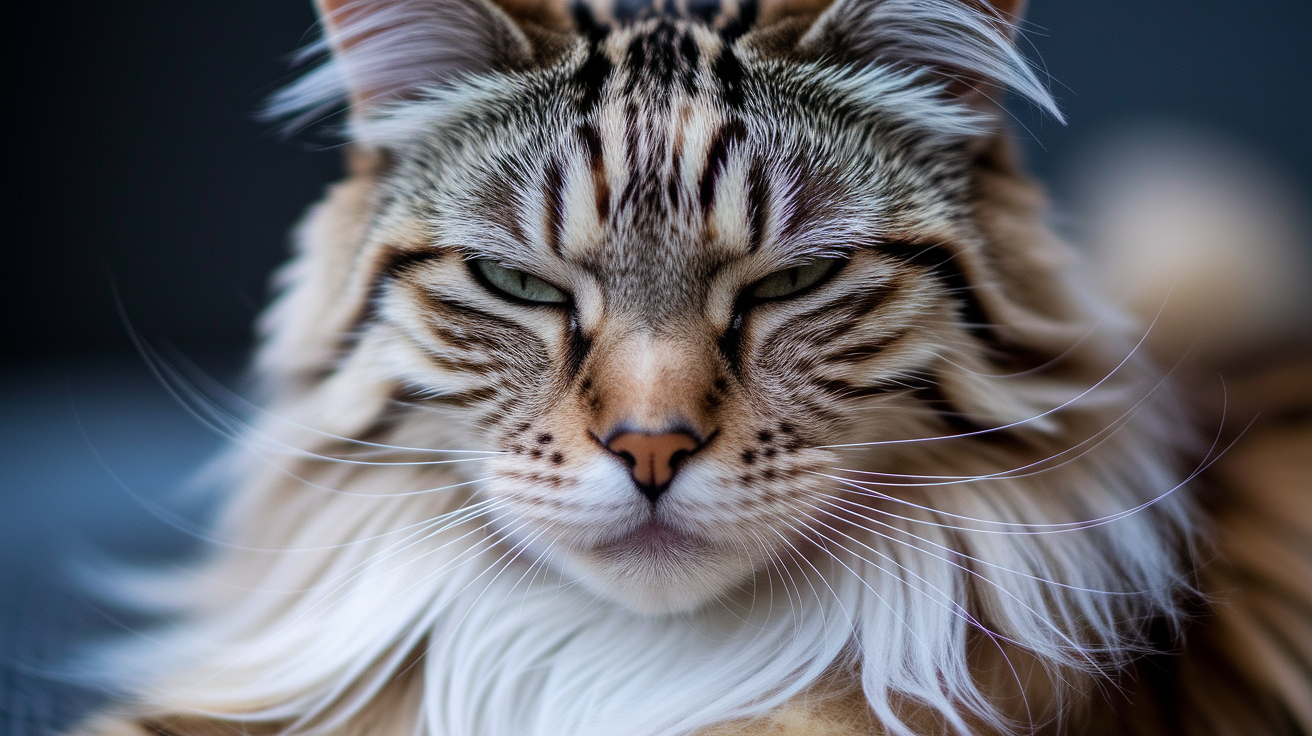
Calm cats don’t just move slower. They think slower. They process new sounds, people, and routines without panic. In a small apartment where every noise echoes and personal space is scarce, that steadiness matters. A high strung cat will pace, meow, and scratch when bored or anxious. A calm cat will find a perch, settle in, and wait.
Calm breeds tend to have predictable daily rhythms. They eat at the same time, nap in the same spots, and don’t invent chaos when you’re gone. Many are social without being clingy. They’ll sit near you while you work but won’t paw at your keyboard. Some, like the Ragdoll and Birman, are lap magnets. Others, like the British Shorthair and Russian Blue, are affectionate but independent. They’ll come to you when they’re ready.
Five core traits define calm, apartment friendly cats:
Low daily activity and long nap cycles
Quiet vocalizations or near silent communication
High tolerance for indoor only life and limited roaming space
Ability to self entertain or rest without constant stimulation
Adaptability to routine changes and new household sounds
Breed Profiles: Calm, Apartment Friendly Cats Explained
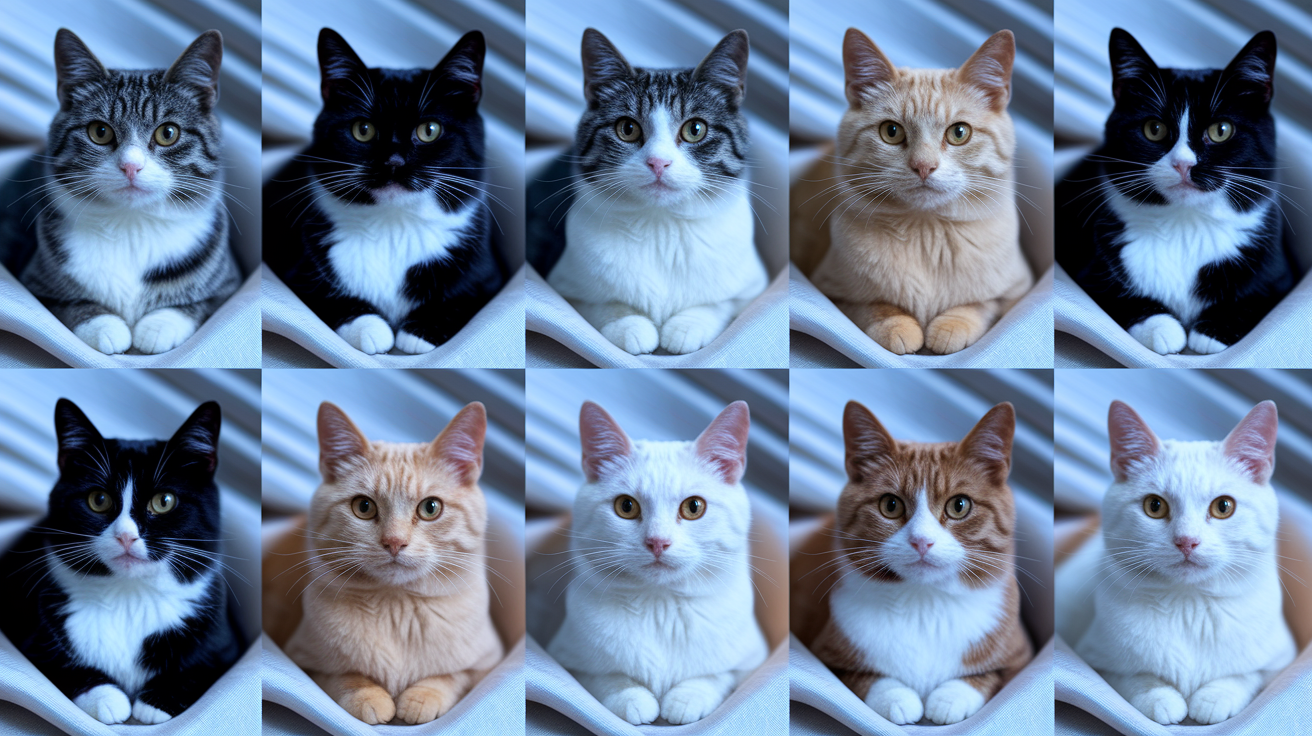
Persian
The Persian is arguably the calmest cat breed. It’s been nicknamed “furniture with fur” for a reason. This is a cat that prefers watching life happen from a cushion. Activity level sits at a 1 or 2 out of 5. Persians rarely jump, rarely run, and rarely demand attention. They’re friendly but selective about who they bond with. They’ll tolerate being held but won’t seek it out constantly.
The trade off is grooming. That long, dense coat needs daily brushing or it mats fast. You’ll also need to clean around the face regularly. Persians have flat faces that can develop tear staining. If you can commit to 10 to 15 minutes of grooming most days, you get one of the most serene cats available. Weight typically ranges from 7 to 12 pounds, and lifespan runs 12 to 17 years.
Persians do well in apartments because they don’t need much space to roam. A window perch, a litter box, and a quiet corner are enough. The challenge isn’t space. It’s time. This breed requires regular grooming effort to stay healthy and comfortable.
Ragdoll
Ragdolls are known for going limp when you pick them up, like a child’s stuffed toy. It’s not an exaggeration. This breed is extremely relaxed, affectionate, and people focused. They follow you from room to room and often greet you at the door. They’re one of the best lap cats on this list.
Ragdolls are large. Males can weigh 15 to 20 pounds. But their size doesn’t translate to high energy. Activity level is around a 2 out of 5. They enjoy gentle play but tire quickly. They’re not jumpers or climbers. Most are content on ground level or low furniture.
The coat is semi long and silky, requiring weekly brushing during most of the year and more frequent attention during shedding season. Ragdolls are social and tolerant, making them good picks for families or homes with other pets. Lifespan is typically 12 to 17 years. In a small apartment, a Ragdoll will claim the couch, not the walls.
British Shorthair
The British Shorthair is one of the oldest recognized cat breeds, exhibited at cat shows in London in the 1800s. It’s also one of the most low key. This is a cat that enjoys routine, tolerates being left alone, and rarely makes noise. It’s friendly but not clingy. It will sit near you, not on you.
The coat is short, dense, and plush. Weekly brushing is usually enough. Weight ranges from 9 to 18 pounds, with males on the heavier end. Activity level is a 2 out of 5. British Shorthairs are prone to weight gain if they don’t move much, so owners should initiate play sessions daily. Even just 10 to 15 minutes with a wand toy or laser pointer.
This breed is calm with strangers and adapts well to apartment life. It’s not a vocal cat. It’s not a demanding cat. It’s steady, predictable, and low drama. Lifespan is 12 to 17 years. If you want a cat that feels like a quiet roommate, this is it.
Exotic Shorthair
The Exotic Shorthair is essentially a short haired Persian. Same flat face, same calm temperament, same love of lounging. But without the daily grooming burden. The coat is dense and plush but only needs weekly brushing. Some breeders call it the “lazy man’s Persian.”
Activity level is very low, usually a 1 to 2 out of 5. Exotics are content to nap, observe, and occasionally play if you initiate it. They’re tolerant and social, making them good apartment cats for people who work long hours. They don’t need constant interaction. They’re happy to entertain themselves or just sleep.
Weight typically ranges from 7 to 14 pounds. Lifespan is 12 to 15 years. Like Persians, Exotics can have breathing issues due to their flat faces, and tear staining is common. You’ll need to wipe around the eyes regularly. But compared to the Persian’s coat maintenance, the Exotic is low effort. It’s a solid pick if you want a calm, affectionate cat without a daily grooming commitment.
Chartreux
The Chartreux has historical mentions in French texts dating back to the 1500s. It’s a medium sized cat with a short, wooly blue gray coat that’s surprisingly low maintenance. Weekly brushing is enough. The coat doesn’t mat easily and sheds less than many breeds.
Chartreux cats are calm but not lazy. Activity level sits around a 2 to 3 out of 5. They’re natural hunters and enjoy perching to watch their surroundings, but they’re not hyperactive. They’re affectionate with family and tend to bond closely with one or two people. They’re quieter than many breeds and adapt well to indoor only life.
Weight ranges from 7 to 16 pounds. Lifespan is 11 to 15 years. This breed does well in apartments because it doesn’t demand constant stimulation. It’s patient, tolerant, and steady. If you want a calm cat that still has a bit of personality and curiosity, the Chartreux is worth considering.
Russian Blue
The Russian Blue was exhibited at early cat shows in England in the 1880s. It’s a medium sized cat with a short, silvery blue gray coat and striking emerald green eyes. The coat is dense but easy to care for. Weekly brushing is enough.
Russian Blues are quiet and sensitive. They bond closely with family but can be shy or aloof with strangers. Activity level is around a 2 to 3 out of 5. They’re playful when they feel safe but won’t demand constant interaction. They prefer predictable routines and can be stressed by loud noises or frequent visitors.
Weight ranges from 7 to 15 pounds. Lifespan is 10 to 15 years. This breed does well in small, quiet apartments. It’s not a high energy cat, and it’s not vocal unless it’s trying to communicate something specific. If you live alone or in a calm household, the Russian Blue is a good fit. If you have a lot of foot traffic or noise, it may hide more than you’d like.
Birman
The Birman is a striking cat with a semi long silky coat, four white paws, and deep blue eyes. It’s gentle, people oriented, and calm. Activity level is around a 2 out of 5. Birmans enjoy being near their owners but don’t demand constant attention. They’re content to sit beside you, watch, and occasionally play.
The coat requires weekly brushing to prevent mats, with more frequent grooming during shedding season. Weight ranges from 6 to 12 pounds. Lifespan is 12 to 16 years. Birmans are quieter than many breeds and adapt well to apartment life. They’re good with children and other pets, making them a solid pick for families in small spaces.
This breed is affectionate without being clingy. It likes routine and predictability. It won’t climb your curtains or knock things off shelves. It’s a calm, steady presence that fits well in limited square footage.
Scottish Fold
The Scottish Fold is known for its forward folded ears, which give it a distinctive, round faced look. It’s one of the calmest breeds on this list. Activity level is around a 2 out of 5. Scottish Folds are mild mannered, quiet, and enjoy lounging beside their owners.
The coat is short and dense, requiring weekly brushing. Weight ranges from 6 to 13 pounds. Lifespan is 11 to 15 years. This breed is adaptable and beginner friendly. It’s not overly demanding and handles being left alone reasonably well.
One caution. Scottish Folds with folded ears can develop joint issues as they age. Not all individuals are affected, but it’s something to monitor. Ask breeders about health testing and watch for signs of discomfort. Despite this, the breed’s temperament makes it a strong apartment candidate. It’s calm, affectionate, and low drama.
Selkirk Rex
The Selkirk Rex has a unique curly coat. Soft, plush, and available in both short and long varieties. The curls are natural and don’t require heavy grooming. In fact, too much brushing loosens the curls. Light brushing once a week is usually enough.
This breed is very relaxed and patient. Activity level is around a 2 out of 5. Selkirks love lounging and occasional play but don’t need much exercise. They’re affectionate without being needy. They enjoy being in the same room as their owners but won’t demand constant lap time.
Weight ranges from 6 to 16 pounds depending on the line. Lifespan is 12 to 15 years. The breed was developed using Persian and British Shorthair stock, which explains the calm, easygoing temperament. If you want a calm cat with a distinctive look and low grooming demands, the Selkirk Rex is a strong pick.
Ragamuffin
The Ragamuffin was developed in California in the 1990s. It’s a large, big boned cat with a medium long soft coat and a teddy bear temperament. This breed is exceptionally loving and lap oriented. Activity level is around a 2 out of 5. Ragamuffins are playful when young but mellow out quickly.
The coat requires regular brushing, usually two to three times per week, to prevent mats. Weight can range from 10 to 20 pounds, with males on the heavier end. Lifespan is 12 to 16 years. Ragamuffins are good with other pets and can even be leash trained or taught to play fetch, which is unusual for a calm breed.
This breed is people focused and affectionate. It wants to be near you, on you, or following you. In a small apartment, that means you’ll have a constant companion. If you’re looking for a calm, cuddly cat that’s also adaptable and trainable, the Ragamuffin is worth considering.
Grooming & Shedding Needs of Calm Apartment Breeds

Grooming is where calm breeds split into two camps. Easy and time consuming. The short haired calm breeds like British Shorthair, Exotic Shorthair, Russian Blue, Chartreux, and Selkirk Rex require weekly brushing and little else. The long haired calm breeds like Persian, Birman, Ragdoll, and Ragamuffin need more frequent attention. Persians and Himalayans demand daily grooming plus face cleaning for tear staining. Birmans and Ragdolls sit in the middle, needing two to three brushing sessions per week.
Selkirk Rex owners should note that brushing too often loosens the curls. Light grooming once a week is enough. For Persians and Exotics, tear staining around the flat face is common. You’ll need to wipe around the eyes daily with a damp cloth. For all long haired breeds, mats form fast if you skip grooming. A mat near the skin can pull and hurt, and removing it often requires a vet or groomer.
Here are six grooming expectations for calm apartment breeds:
Weekly brushing for short haired breeds like British Shorthair and Russian Blue
Daily to every other day brushing for long haired breeds like Persian and Ragdoll
Face cleaning for flat faced breeds like Persian and Exotic Shorthair
Nail trimming every 2 to 4 weeks for all breeds
Light brushing for Selkirk Rex to preserve curls
More frequent grooming during seasonal shedding periods in spring and fall
Space Saving Cat Care: Keeping Calm Breeds Comfortable Indoors
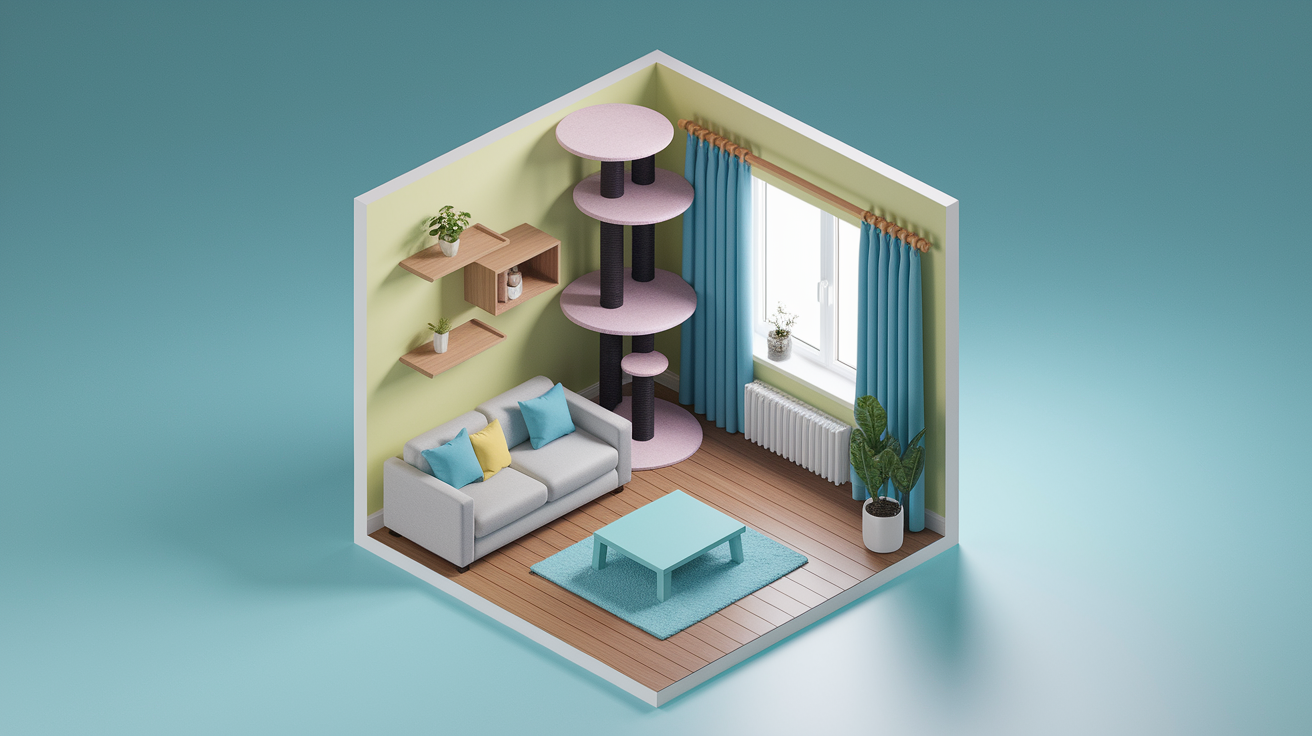
Calm breeds don’t need a lot of floor space, but they do need vertical space and enrichment. A 300 to 800 square foot apartment can work for a single calm cat if you provide perches, scratching posts, and a few toys. The goal is to make the space feel bigger by adding height. Cats naturally want to climb and observe from above. A window perch, a cat tree, and a high shelf give a calm cat options without taking up much room.
Interactive play is still necessary, even for low energy breeds. Plan for 10 to 15 minutes of play twice a day, or one 20 to 30 minute session for older cats. Use wand toys, laser pointers, or small balls. Rotate toys weekly to keep interest up. Puzzle feeders are also helpful. They slow down eating and add mental stimulation. Use them three to five times per week.
Scratching posts matter. Provide at least one vertical post, 28 to 36 inches tall for a full stretch, and one horizontal scratcher. Calm breeds are less likely to destroy furniture, but they still need to scratch. A good scratching post prevents damage and gives the cat a place to mark territory and stretch muscles.
Here are seven enrichment items for small space cat care:
Window perch with a depth of 12 to 16 inches
Cat tree or shelving at multiple heights, two to three perches per cat
Vertical scratching post at least 28 inches tall
Horizontal scratching pad or mat
Four to six toys rotated weekly
One interactive or puzzle feeder
Wand toy or laser pointer for daily play sessions
Health Considerations for Calm, Low Energy Indoor Breeds

Calm breeds live long lives when cared for properly. Typical lifespan for most calm cats is 12 to 15 years, with some individuals reaching their early twenties. Persians and Exotic Shorthairs can develop breathing issues due to their flat faces, a condition called brachycephalic syndrome. Tear staining is also common. Scottish Folds may develop joint problems, especially in the legs and tail, as they age. Long haired breeds like Ragdolls and Birmans are prone to matting if grooming is skipped, and mats can lead to skin irritation or infection.
Weight gain is a common issue in calm, low energy cats. British Shorthairs, Persians, Exotics, and Ragdolls are especially prone to obesity if they don’t move much. Owners need to monitor portion sizes and initiate play sessions regularly. Annual vet checkups are important. For cats over 10 years old, schedule wellness exams every six months. Vaccinations, parasite prevention, and dental care should be part of the routine.
Dental disease is often overlooked. Calm cats are less likely to chew hard toys, so plaque can build up quickly. Ask your vet about dental cleanings and consider offering dental treats or toys designed to reduce tartar. Regular nail trimming every two to four weeks prevents overgrowth and discomfort. Calm cats are less active, so their claws don’t wear down naturally.
Feeding & Weight Management for Low Activity Apartment Cats
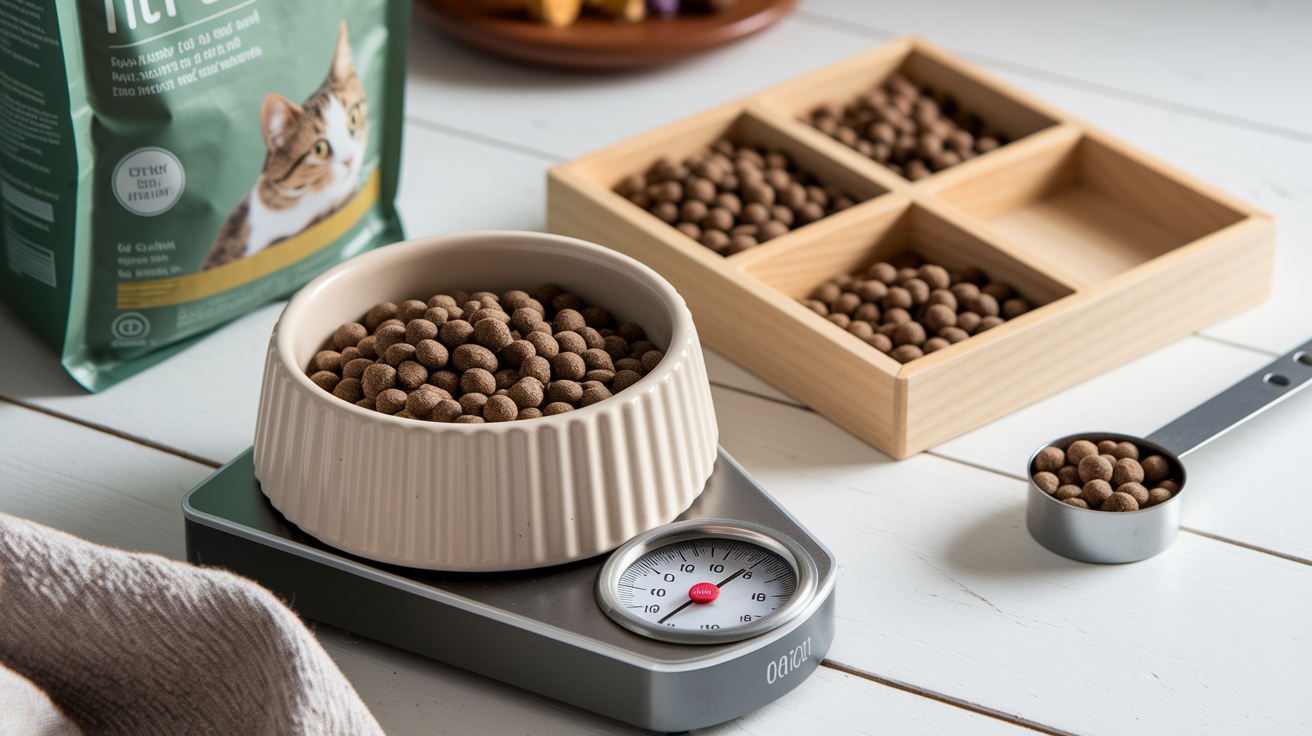
Calm cats burn fewer calories. That means they need less food than active breeds, and overfeeding leads to weight gain fast. A sedentary 10 pound cat needs roughly 180 to 200 calories per day. A 15 pound cat needs around 250 to 280 calories. Check the label on your cat food and measure portions. Free feeding dry food all day is a quick path to obesity in calm breeds.
Feed two meals per day at consistent times. Use a measuring cup or a kitchen scale. If your cat finishes food too quickly, use a slow feeder or puzzle feeder to slow them down. Puzzle feeders also add mental stimulation, which calm cats need. Use them three to five times per week. Some calm breeds, like Persians and British Shorthairs, won’t exercise unless you make them. That means you need to initiate play sessions to keep their weight in check.
Here are four feeding best practices for low activity apartment cats:
Measure food portions daily based on your cat’s weight and activity level
Feed two meals per day at consistent times instead of free feeding
Use puzzle feeders three to five times per week to slow eating and add enrichment
Initiate daily play sessions to encourage movement and prevent weight gain
Litter Box & Odor Control Tips for Limited Rooms

Litter box placement matters in small spaces. The rule is one box per cat plus one extra. For one cat, that means two boxes. For two cats, three boxes. Boxes should be large, at least 1.5 times the length of your cat. A typical large box measures around 24 by 18 inches. Calm cats are less likely to miss the box, but they still need enough room to turn around and dig.
Place boxes in separate, well ventilated areas. Don’t stack them in one corner. Spread them out so the cat has options. Calm breeds are particular about cleanliness. A dirty box can cause litter avoidance. Scoop daily. Change litter completely once a week. Use unscented, clumping litter if possible. Most cats prefer it, and it controls odor better than clay.
For odor control in a small apartment, ventilation is key. Place boxes near a window or vent if possible. Use a litter mat under the box to catch tracking. Consider a low sided storage bin with a cut out entrance if you need a larger box without spending a lot. Covered boxes can trap odor, so use them cautiously. Some cats refuse covered boxes entirely.
Here are five litter box and odor control tips for small spaces:
Provide two litter boxes for one cat, three for two cats
Choose large boxes, at least 24 by 18 inches for adult cats
Scoop daily and change litter completely once per week
Place boxes in separate, well ventilated areas
Use unscented clumping litter and a litter mat to reduce tracking
Training Calm Breeds in Small Homes
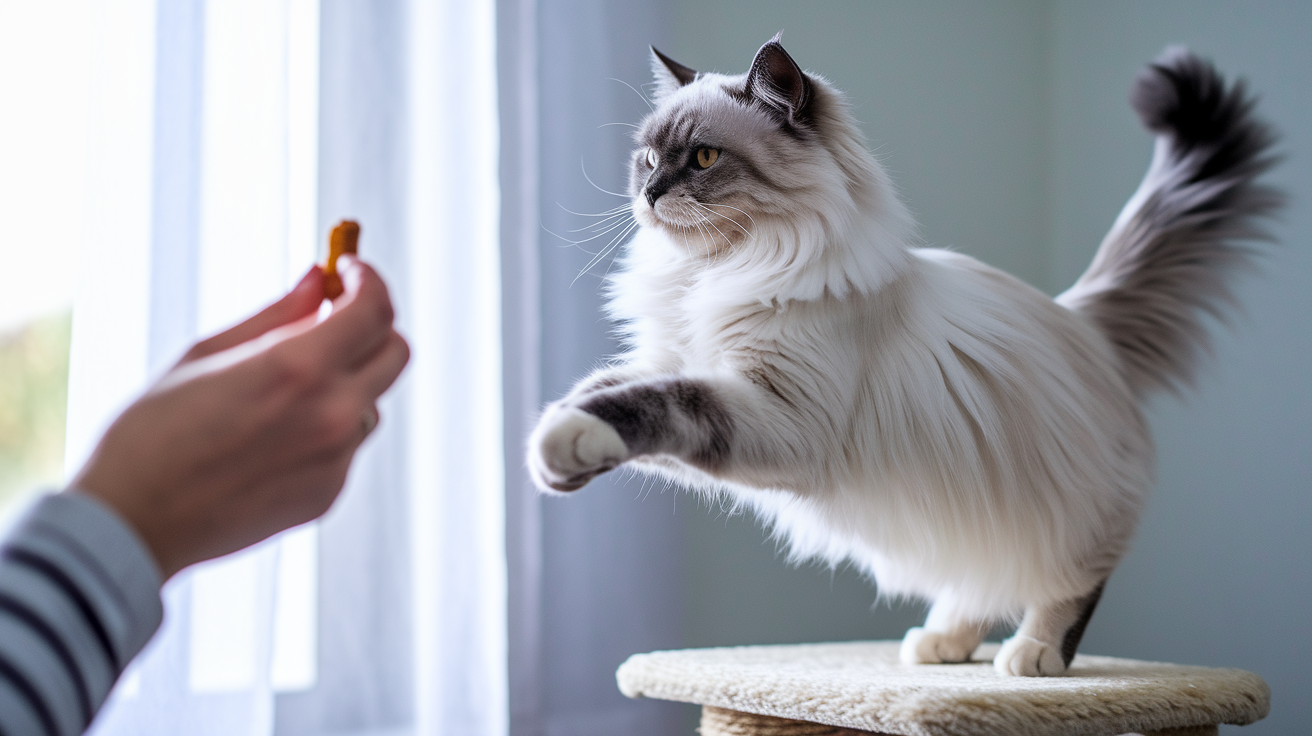
Calm cats are easier to train than high energy breeds because they’re more patient and less distracted. Start with simple tasks. Teaching your cat to use a scratching post, come when called, or sit on a perch. Use treats and positive reinforcement. Clicker training works well. Click when the cat does the behavior you want, then give a treat immediately. Repeat daily in short sessions. Five to ten minutes is enough.
Ragamuffins and some Birmans can be leash trained. Start with a harness indoors. Let the cat wear it for a few minutes each day until it’s comfortable. Then attach a leash and let the cat walk around the apartment. Don’t pull or drag. Follow the cat’s lead. Once the cat is calm on the leash indoors, you can try short outdoor sessions in a quiet area.
Perch training is useful in small spaces. Teach your cat to jump to a specific perch on command. This keeps the cat off counters and furniture you don’t want them on. Use treats and a target stick or your hand. Reward the cat every time it jumps to the right spot. Calm breeds learn this quickly because they’re not impulsive.
Here are four simple training tasks for calm apartment cats:
Teach your cat to use a scratching post with treats and positive reinforcement
Train your cat to come when called using a clicker and high value treats
Leash train your cat by starting with a harness indoors and short daily sessions
Teach perch or shelf commands to keep your cat off counters and furniture
Adoption & Selection Tips for Calm Apartment Cats

Spend time at shelters before you visit breeders. Many calm adult cats end up in rescues, and their temperaments are already established. A one year old shelter cat is a known quantity. A kitten from a breeder is a gamble. Kittens are unpredictable. Even calm breed kittens can grow into active, vocal adults. If you need calm now, adopt an adult.
When you visit a shelter, ask staff which cats are the quietest and most laid back. Spend time in the cat room. Watch how cats react to noise, movement, and strangers. A calm cat will stay relaxed or curious. An anxious cat will hide or hiss. Ask if you can interact with the cat in a quiet room. Sit on the floor and let the cat approach you. A calm cat will come over, sniff, and settle nearby. It won’t demand constant interaction, but it won’t ignore you either.
If you choose a breeder, ask about the parents’ temperaments. Calm temperament has a genetic component. Ask to meet the mother cat if possible. Ask how much socialization the kittens receive. Kittens raised in busy households with other pets and people tend to be calmer and more adaptable. Ask about health testing, especially for breeds prone to genetic issues like Scottish Folds and Persians. A responsible breeder will answer these questions and provide documentation.
Apartment Living Checklist for Calm Cat Breeds
Before you bring a calm cat home, make sure you have the basics in place. Two litter boxes, even for one cat. A large box is better than a small one. Two to three perches or resting spots at different heights. A window perch if possible. One vertical scratching post at least 28 inches tall and one horizontal scratcher. Four to six toys that you can rotate weekly. One puzzle feeder. Grooming tools appropriate for the coat type. Brush or comb, nail trimmers, and a damp cloth for face cleaning if you’re getting a flat faced breed.
Here’s a ten item checklist for apartment readiness:
Two litter boxes, minimum 24 by 18 inches each
Two to three perches or shelves at different heights
One window perch, 12 to 16 inches deep
One vertical scratching post, 28 to 36 inches tall
One horizontal scratching pad or mat
Four to six toys like wand toys, balls, small plush toys
One interactive or puzzle feeder
Grooming brush or comb appropriate for coat type
Nail trimmers
Face cleaning cloth for flat faced breeds like Persian and Exotic Shorthair
Final Words
Packed into this guide: a short list of calm cat breeds you can manage in a small home, practical breed notes, grooming and feeding tips, plus simple setup ideas like perches and litter strategy.
Adults tend to be the steadier choice—ask about energy, grooming needs, and any breed health flags before you decide.
Use the checklist and quick breed comparisons to pick a calm cat breeds for small spaces that matches your routine. You’ll be rewarded with quiet company that fits your life.
FAQ
Q: What is the 3-3-3 rule for cats?
A: The 3-3-3 rule for cats describes adjustment stages: first 3 days they hide and assess, first 3 weeks they learn the household and bond, first 3 months they typically settle and show true personality.
Q: What breed of cat is the calmest?
A: The calmest cat breed is often the Persian, known for very low activity, quietness, and strong lap tendencies — but individual personality, age, and home environment affect how calm any cat will be.
Q: What is the most low maintenance cat?
A: The most low maintenance cat is often the British Shorthair — short coat, easy grooming, independent and low-energy; watch for weight gain since they need short play sessions to stay fit.
Q: Which cat breed is good for anxiety?
A: Breeds good for anxiety include Ragdoll, Birman, and Ragamuffin — affectionate, lap-loving, and predictably calm; their steady presence often soothes owners, though individual temperament still matters.