

Can a dog be too clingy to love?
That question comes up a lot with the Havanese, the little pup that follows you everywhere.
They’re small, smart, and barely shed.
Great if you hate lint rollers.
But that same devotion turns into separation anxiety, barking, and steady grooming bills if your life doesn’t match theirs.
This post lays out the real day-to-day pros and cons, the surprises owners miss, and the clear signs that say yes, no, or not right now.
Key Advantages and Drawbacks of the Havanese Breed for Lifestyle Fit

The Havanese has spent centuries being bred for one job: being your shadow. That history shows up everywhere. These dogs trail you from the kitchen to the bathroom, claim any available lap within seconds, and settle into apartments or suburban homes without fuss. They’re smart enough to pick up commands fast and small enough to fit under an airline seat. The single layer coat barely sheds, which matters if you’re tired of lint rollers or dealing with mild allergies.
But all that devotion creates problems. Leave a Havanese alone for an eight hour shift and you’re likely to come home to chewed furniture, nonstop barking, or accidents on the carpet. The low shedding coat doesn’t maintain itself. It mats quickly and needs daily brushing or professional trims every six to eight weeks at $40 to $120 per visit. Health screening matters more than most buyers realize, because issues like luxating patellas and progressive retinal atrophy can mean expensive surgeries or lifelong management.
Pros:
- Bonds deeply with every household member and craves constant contact
- Adapts to apartments, condos, or houses without needing a yard
- Learns quickly with positive reinforcement training
- Sheds minimally and often works for mild allergy sufferers
- Portable size simplifies travel, vet trips, and errands
- Generally friendly with kids, strangers, and other pets when socialized early
Cons:
- High grooming time or recurring professional grooming bills
- Prone to separation anxiety and destructive behavior when left alone regularly
- Barks at doorbells, passersby, and unfamiliar sounds
- Fragile compared to medium or large breeds, vulnerable around rough play or aggressive dogs
- Common health risks require breeder testing and ongoing vet monitoring
- Small bladder and toy breed stubbornness complicate housebreaking
Havanese Temperament Pros and Cons in Day-to-Day Living

Havanese were bred as lap dogs for Cuban aristocracy, which explains why they crave human contact and rarely pass up an open lap. They greet family with full body wiggles and usually extend that warmth to strangers once introduced. Most are gentle with kids who handle them carefully, and they get along with cats or other dogs when socialized from puppyhood.
The playful side shows up in bursts. Expect zooming laps around the living room, enthusiastic tug sessions, and genuine interest in games like hide and seek or puzzle feeders. They read human emotions closely and mirror household energy, settling quietly during work from home hours and perking up when it’s time to play.
The flip side of closeness is clinginess. A Havanese who hasn’t learned to self soothe may follow you into every room, whine at closed doors, and bark anxiously when you step outside to check the mail. That sensitivity makes them vocal watchdogs. They alert to delivery drivers, neighbors in the hallway, and squirrels on the windowsill. Without consistent training, the barking becomes a daily disruption.
| Temperament Trait | How It Helps or Hurts Owners |
|---|---|
| Affectionate and people focused | Provides constant companionship but can lead to separation anxiety if not managed early |
| Playful and energetic in short bursts | Entertains easily indoors but may develop nuisance behaviors if mentally under stimulated |
| Alert and vocal | Acts as an effective doorbell but barking can become excessive in apartments or quiet neighborhoods |
| Gentle with kids and other pets | Fits families and multi pet homes well, though fragility requires supervision during rough play |
Grooming Realities of the Havanese Coat: Benefits and Drawbacks

The Havanese coat grows continuously and sheds very little, keeping your furniture and clothes relatively fur free. That single layer texture also produces less airborne dander than double coated breeds, making it easier for some allergy sufferers to tolerate. Though “hypoallergenic” is never a guarantee. You can keep the coat long and flowing for the classic show dog look, or trim it into a short “puppy cut” that’s easier to manage at home.
The trade off for minimal shedding is constant grooming. A full coat requires daily brushing to prevent mats, especially behind the ears, under the legs, and around the tail. Miss a few days and you’ll spend an hour working through tangles with a steel comb. The adolescent coat blowing phase, which typically hits between eight and fourteen months, is the hardest stretch. The puppy fluff sheds out and the adult coat grows in, creating a matting nightmare even with daily attention. Most owners who start with long coats switch to a shorter trim after surviving that phase once.
If you opt for a puppy cut, plan on professional grooming every six to eight weeks starting around six months of age. Between appointments, a quick weekly comb through and one or two baths keep the coat clean and comfortable. Many groomers charge $40 to $120 per session depending on your region, coat condition, and add ons like nail trims or teeth brushing. Skipping appointments leads to painful mats that require shaving, which resets the grooming cycle but can leave your dog looking patchy until the coat evens out.
Grooming tasks to plan for:
- Daily or near daily brushing if keeping a long coat, weekly if trimmed short
- Professional grooming or home clipping every 6 to 8 weeks
- Bathing every 3 to 6 weeks with a gentle shampoo
- Nail trims every 3 to 6 weeks to prevent overgrowth and splitting
- Routine ear cleaning to reduce moisture buildup and infection risk
- Daily teeth brushing to combat small breed dental disease
Health Strengths and Weaknesses of the Havanese Breed

Havanese commonly live fourteen to sixteen years, which is excellent longevity for any breed and speaks to the overall hardiness of well bred dogs. That extended lifespan gives you many years of companionship, but it also means planning for senior dog care, including age related conditions like arthritis, dental disease, and occasional heart murmurs that appear in middle age or later.
The breed carries a few common genetic vulnerabilities. Patellar luxation, where the kneecap slips out of place, affects many toy breeds and can range from mild intermittent limping to severe lameness requiring surgical correction. Progressive retinal atrophy and other eye disorders can lead to vision loss, though responsible breeders screen for these conditions and avoid breeding affected dogs. Dental disease is unusually common in small breeds because their teeth are crowded into tiny jaws, so daily brushing and regular professional cleanings become non negotiable. Some bloodlines also see hip dysplasia, cardiac issues, or liver shunts, though these are less frequent.
Preventive care makes a measurable difference. Annual vet exams, up to date vaccinations, and flea/tick/heartworm prevention catch problems early. From middle age onward, adding annual bloodwork and weight monitoring helps detect thyroid issues, kidney changes, or diabetes before they become emergencies. Buyers should insist that both parents have completed orthopedic and ophthalmology evaluations, with results registered through the Orthopedic Foundation for Animals or equivalent databases. Genetic testing for breed specific mutations is becoming more common and adds another layer of confidence.
Health screenings reputable breeders complete:
- Orthopedic evaluation for patellar luxation and hip dysplasia through OFA or PennHIP
- Ophthalmologist eye exam (CAER) to screen for progressive retinal atrophy, cataracts, and other inherited conditions
- Cardiac auscultation by a veterinary cardiologist to detect murmurs or structural abnormalities
- Genetic testing for known mutations when tests are available for the breed
- Documentation of results provided to buyers in writing before deposit or purchase
Pros and Cons of Havanese Exercise and Daily Activity Needs

A Havanese thrives on twenty to forty minutes of daily activity, which usually breaks down into one or two short walks plus indoor playtime. That modest requirement makes the breed ideal for apartment dwellers, seniors, or anyone whose schedule doesn’t allow for long hikes or jogs. They enjoy sniffing around the block, chasing a ball down the hallway, or romping in a fenced yard, but they’re just as content curling up on the couch once they’ve burned off their energy.
Mental stimulation matters as much as physical exercise. These dogs were historically used as circus performers, and that intelligence still shows up in their love of learning tricks, solving puzzle feeders, and mastering short training sessions. A bored Havanese will invent trouble. Shredding tissues, barking at shadows, or pestering other pets. So rotating toys, practicing obedience cues, and introducing new enrichment activities keeps their minds busy and reduces nuisance behaviors.
Low impact exercise ideas:
- Two 10 to 15 minute leashed neighborhood walks per day
- Indoor fetch or tug sessions in a hallway or living room
- Snuffle mats or puzzle feeders that make mealtime last longer
- Hide and seek games where you hide treats or toys around the house
- Short positive reinforcement training sessions teaching new tricks like “spin,” “shake,” or “roll over”
Training Advantages and Challenges of the Havanese

Havanese rank high in trainability because they’re smart, food motivated, and eager to interact with their people. They pick up basic obedience cues like “sit,” “stay,” and “come” quickly when taught with treats, praise, and short five to ten minute sessions. Positive reinforcement works best. They shut down or become anxious with harsh corrections or raised voices. Most respond enthusiastically to clicker training, and many excel in canine sports like rally, agility, or trick competitions that reward problem solving and teamwork.
The breed’s sensitivity and intelligence can backfire. A Havanese who’s confused by inconsistent cues may look stubborn when they’re actually trying to figure out what you want. Owners often unintentionally reinforce bad habits. Picking up a barking dog to soothe them teaches the dog that barking earns attention, and letting them on the couch “just this once” after enforcing an off furniture rule creates confusion. Every interaction is a training moment, whether you plan it or not.
Early socialization prevents fearfulness and over attachment. Puppy classes, supervised meet and greets with strangers and other dogs, and gradual exposure to car rides, grooming tools, and household noises all build confidence. Without that foundation, some Havanese become reactive or anxious in new situations, which shows up as excessive barking, hiding, or refusal to walk past unfamiliar objects.
Common Training Pitfalls
Owners often underestimate how quickly a Havanese learns unwanted behaviors. A puppy who whines at the crate and gets let out immediately learns that whining opens doors. A dog who jumps on visitors and receives excited greetings learns that jumping is how you say hello. The solution is consistency. Decide on household rules before the dog arrives, make sure every family member enforces them the same way, and reward the behaviors you want to see repeated.
Over attachment sneaks up on owners who allow constant contact from day one. A puppy who’s never left alone, even for five minutes, often panics when you eventually need to shower, run errands, or go to work. Teaching independence starts early. Use a crate or pen for short naps while you’re home, practice leaving the room without fanfare, and reward calm behavior instead of frantic greetings when you return.
Housebreaking a toy breed takes patience because their small bladders fill quickly and their low to the ground build makes accidents easy to miss until the puddle spreads. Take the puppy out every one to two hours during the day, immediately after meals and naps, and whenever they sniff or circle. Praise and treat every successful outdoor potty, and clean indoor accidents thoroughly with an enzyme cleaner to remove scent markers. Expecting a three month old Havanese to hold it for six hours sets everyone up for frustration.
Pros and Cons of Living With a Havanese in Small Homes or Apartments

The Havanese was practically designed for apartment living. Their small size means they don’t need a yard to run off energy, and a few laps around a one bedroom apartment often counts as a decent play session. They adapt to elevator rides, stairwells, and shared hallways without the space anxiety that some larger breeds experience. Many buildings that restrict dogs by weight or breed allow Havanese without issue, and their portability makes errands, vet visits, and public transit easier to manage.
Noise is the main apartment drawback. Havanese hear everything. Footsteps in the hallway, neighbors closing doors, delivery trucks idling outside. And many feel obligated to announce each event. In a house with distance between you and the next family, it’s manageable. In an apartment with shared walls, it becomes a problem. Training a “quiet” cue, rewarding calm behavior when the doorbell rings, and using white noise machines can help, but some dogs stay vocal no matter how much you work on it. Separation anxiety also escalates quickly in close quarters, where a distressed dog’s barking echoes through the building and leads to neighbor complaints.
Apartment specific drawbacks:
- Barking travels through shared walls and floors, creating tension with neighbors
- Limited outdoor access means more frequent potty trips and less off leash play
- Separation anxiety often worsens in small spaces where the dog hears you leave and return constantly
- Proximity to other tenants increases exposure to unfamiliar people, dogs, and sudden noises that trigger alert barking
Cost Pros and Cons of Owning a Havanese

Upfront costs start with the purchase or adoption fee. A well bred Havanese from a reputable breeder who health tests both parents typically costs $800 to $3,000, with higher prices reflecting champion bloodlines, extensive genetic testing, or geographic demand. Adoption fees from rescues or shelters run $150 to $500 and often include spay/neuter, vaccinations, and a basic health check. Skipping breeder health testing to save money often backfires. Unscreened dogs have higher rates of patellar luxation, eye disease, and other conditions that lead to thousands of dollars in surgeries or lifelong medication.
First year expenses add up quickly. Expect $800 to $2,000 for initial vaccinations, spay or neuter surgery, microchipping, starter supplies like crates and bowls, puppy training classes, and the first few grooming appointments. After that, routine annual costs typically fall between $1,000 and $2,500, covering food, flea and heartworm prevention, annual vet exams, grooming every six to eight weeks, and basic supplies like toys and bedding. Pet insurance premiums range from $30 to $70 per month depending on coverage level, and many owners who skip insurance later regret it when an emergency vet visit costs $2,000 or more.
Professional grooming is the recurring expense that surprises first time toy breed owners. At $40 to $120 per session every six to eight weeks, you’ll spend $300 to $900 per year just keeping the coat trimmed and mat free. Learning to clip at home saves money but requires buying clippers, scissors, and grooming tables, plus the time to practice. Dental cleanings, which small breeds need more often than large dogs, run $300 to $800 per procedure under anesthesia.
| Cost Category | Estimated Range |
|---|---|
| Purchase price (reputable breeder) | $800–$3,000 |
| Adoption fee (rescue/shelter) | $150–$500 |
| First year setup and care | $800–$2,000 |
| Annual routine costs (food, grooming, vet, preventive meds) | $1,000–$2,500 |
| Emergency or unexpected medical expenses | $500–$5,000+ per incident |
Adoption and Breeder Considerations When Choosing a Havanese
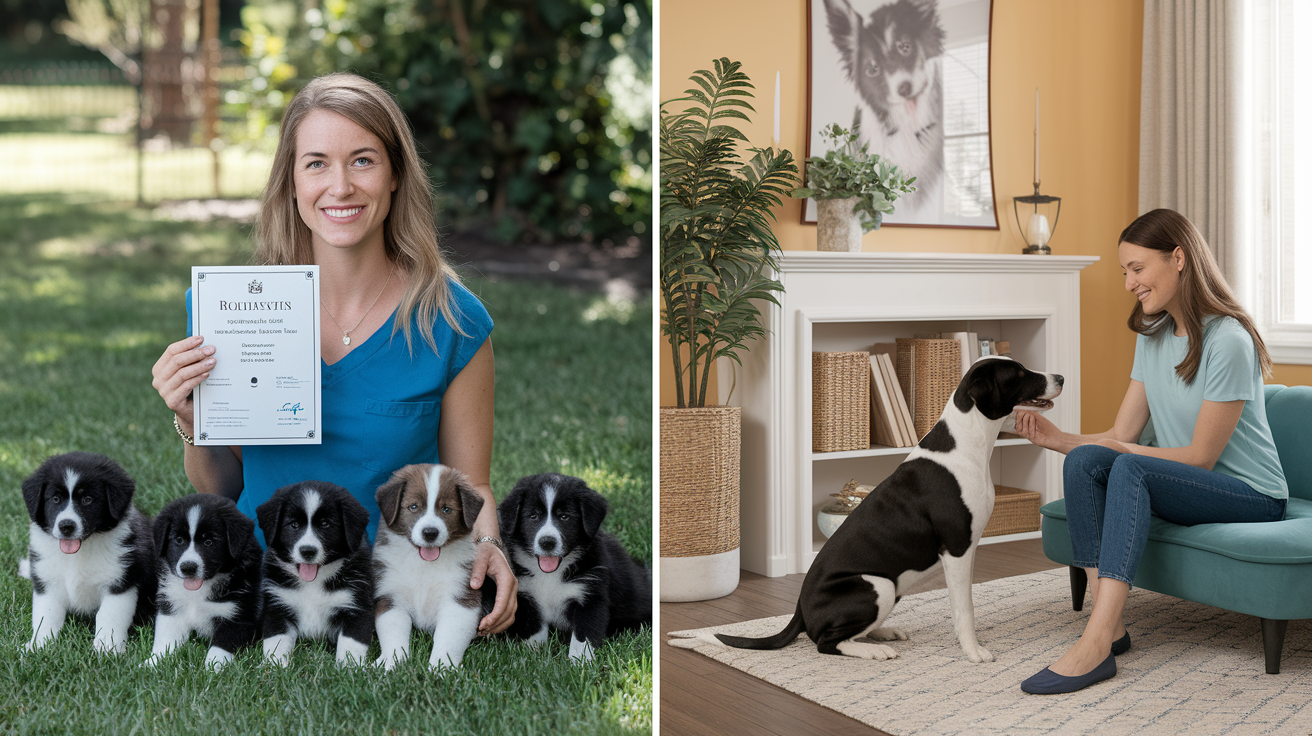
Scammers and puppy mills flood online marketplaces with Havanese listings, often using stolen photos and fake health records to lure buyers. A legitimate transaction always includes meeting the breeder and puppies in person or via live video call, not just photos, and obtaining a written contract, AKC registration paperwork, and copies of both parents’ health clearances. Breeders who refuse in person visits, ship puppies sight unseen, or claim “health guarantees” without showing OFA results should be avoided entirely.
Rescue organizations and breed specific rescues occasionally have Havanese available, often from owner surrenders due to divorce, housing changes, or underestimated grooming demands. Adoption fees are lower than breeder prices, and many rescues provide basic vetting and temperament assessments before placement. The trade off is less predictability. You may not know the dog’s full health history, early socialization, or genetic background, which can complicate training or lead to unexpected medical bills down the line.
What Ethical Breeders Provide
- Both parents’ Orthopedic Foundation for Animals (OFA) results for patella and hip evaluations, registered and publicly searchable
- Ophthalmologist eye exam (CAER) results showing both parents are clear of hereditary eye disease
- Written contract outlining health guarantees, spay/neuter requirements, and return policies if the match doesn’t work
- References from other breeders or puppy buyers who can verify the breeder’s reputation and practices
- AKC registration or equivalent, proving the puppy’s lineage and allowing future health tracking
Havanese Lifestyle Compatibility Checklist: Is This Breed Right for You?

A Havanese fits households where someone is home much of the day or where you can afford doggy daycare, dog walkers, or pet sitters to break up long absences. They reward owners who enjoy grooming rituals, treat training like a fun puzzle rather than a chore, and appreciate a dog who wants to be involved in every moment of daily life. Families with gentle children, seniors seeking a devoted companion, and frequent travelers who can bring a small dog along often find this breed ideal.
They’re a poor match for anyone who works ten hour days without backup care, dislikes daily grooming maintenance, or expects a dog to entertain themselves independently for long stretches. Households with very young children who play rough or large, rambunctious dogs who don’t adjust their play style create real injury risks. Havanese bones are delicate, and a well meaning seventy pound dog can accidentally hurt them during wrestling or chase games. If you’re drawn to the look but can’t commit to the grooming, exercise, training, and companionship, it’s worth waiting until your lifestyle changes or considering a lower maintenance breed.
Before choosing a Havanese, confirm you can:
- Spend 10 to 20 minutes daily on brushing or budget $300 to $900 per year for professional grooming
- Provide 20 to 40 minutes of daily exercise and mental enrichment activities
- Be home most of the day or arrange for dog walkers, daycare, or sitters during work hours
- Tolerate moderate to frequent barking and invest time in “quiet” command training
- Supervise interactions with young children and large dogs to prevent accidental injury
- Commit to daily teeth brushing and routine dental cleanings to prevent painful tooth loss
- Budget $1,000 to $2,500 annually for food, grooming, preventive vet care, and supplies
- Verify breeder health testing (OFA orthopedic and eye exams) or accept unknowns with rescue adoption
- Train consistently using positive reinforcement and avoid harsh corrections
- Accept a dog who shadows you constantly and may develop separation anxiety if left alone too often
Final Words
You’re weighing daily life with a Havanese: affectionate, low-shed, and great for apartments, but needing regular grooming, attention, and health checks.
This post walked through temperament, grooming realities, exercise and training tips, health watch-outs, cost, breeder and adoption advice, and a checklist so you can spot the trade-offs fast.
If you want a companion who thrives on attention and grooming fits your routine, the pros and cons of havanese breed lean toward a good match. With the right prep, they’re a joyful little family dog.
FAQ
Q: What are the disadvantages of Havanese?
A: The disadvantages of Havanese include high grooming needs (daily brushing, regular trims), a tendency toward clinginess and separation anxiety, vocal barking, and some genetic health problems like patellar luxation and dental disease.
Q: What is the average cost of a Havanese puppy?
A: The average cost of a Havanese puppy ranges widely, typically $800 to $3,000 from breeders, with adoption fees lower (around $150–$500) and first-year expenses adding several hundred to a few thousand dollars.
Q: Are Havanese a one-person dog?
A: Havanese are not strictly one-person dogs; they bond closely with the whole family but often show extra attachment to a primary caregiver, which can look like clinginess without proper socialization and independence training.
Q: Are Havanese clingy dogs?
A: Havanese are often clingy dogs; they’re Velcro-like companions who crave company and can develop separation anxiety unless taught independence and given consistent mental stimulation and predictable routine.