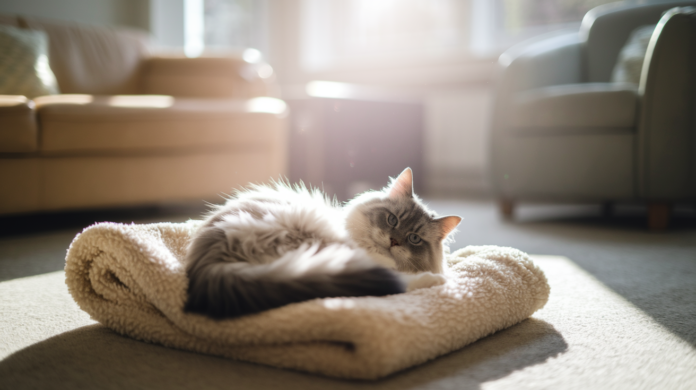

Want a cat that actually wants to be in your lap?
Contrary to the myth that cats are aloof, many breeds crave cuddles and will follow you room to room.
This guide ranks the most cuddly cat breeds and shows what cuddly looks like at home—lap time, grooming, noise, and daily social needs.
You’ll get quick fit tips so you can pick a cat that fits your schedule, space, and patience levels.
Quick Answers: Top Cuddly Cat Breeds Ranked by Affection
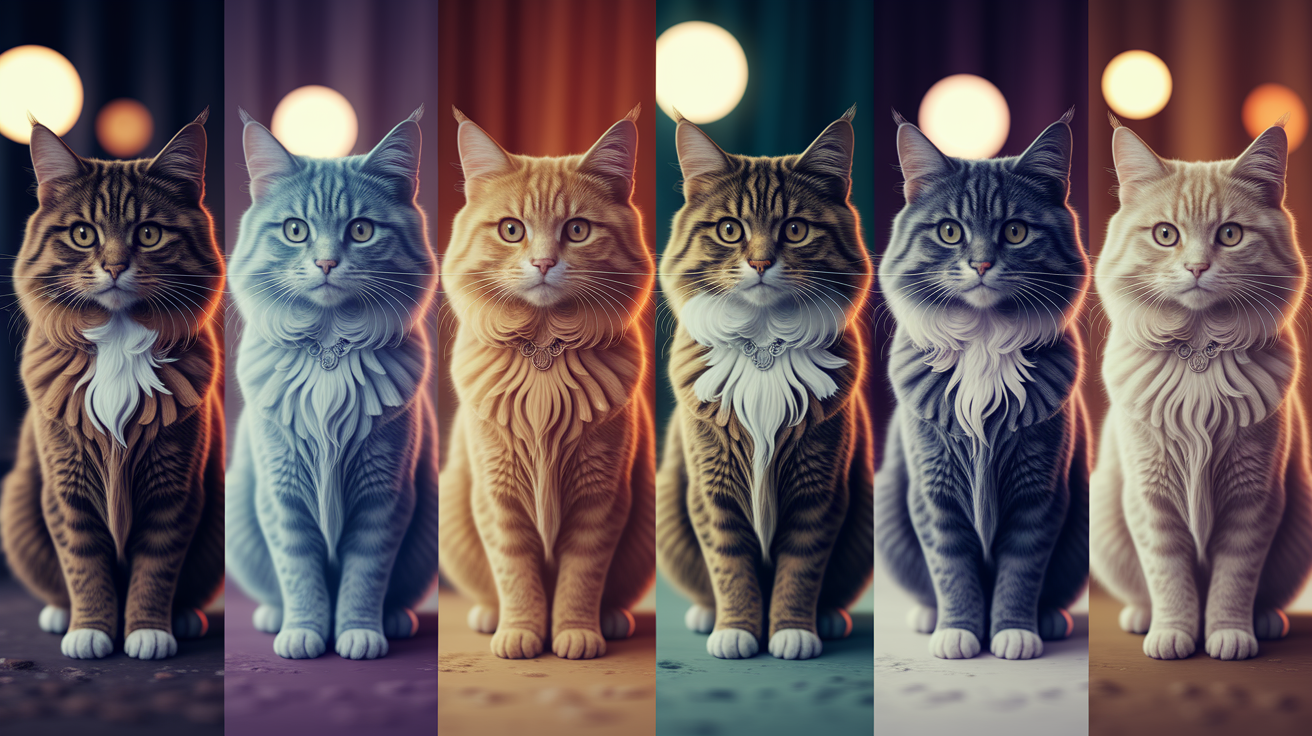
Cuddly cat breeds share a few key traits: they actively seek human contact, tolerate or enjoy being held, spend significant time on laps, and follow their people around the house. Affection scores for these breeds typically land at 4 or 5 out of 5, meaning they’re reliably people focused rather than aloof. What you’re actually committing to varies by breed. Some cats want constant conversation and playtime, while others are happy just sitting next to you while you work.
Grooming time is one of the biggest practical differences. Short haired affectionate breeds like the Burmese need about 10 to 30 minutes of brushing per week. Long haired lap cats like the Ragdoll or Persian can demand 70 to 210 minutes per week, plus daily face care for flat faced breeds. Social time is another factor. Most cuddly breeds need 30 to 120 minutes per day of direct interaction. Petting, play, lap time, or simply being in the same room with you. If you skip it, expect clingy behavior or invented trouble.
Budget matters too. Rescue adoption fees run $50 to $300. Purebred kittens from reputable breeders cost $400 to $3,000 depending on breed and pedigree. First year expenses (food, vaccinations, spay or neuter, basic supplies, and one vet visit) add another $600 to $1,200.
The 10 most affectionate breeds:
- Ragdoll – Goes limp when held, follows you everywhere, affection score 5/5.
- Burmese – Dog like loyalty, constant lap sitting, affection score 5/5.
- Birman – Gentle, intuitive, balances play and cuddles, affection score 4 to 5/5.
- Siamese – Vocal, clingy, wants to participate in everything, affection score 4 to 5/5.
- Maine Coon – Gentle giant, prefers close contact over constant lap time, affection score 4/5.
- Persian – Quiet lap cat, very relaxed, needs daily grooming, affection score 4/5.
- Scottish Fold – Mellow, follows room to room, forms strong bonds, affection score 4/5.
- Sphynx – Hairless warmth seeker, loves human contact, affection score 4 to 5/5.
- Tonkinese – Highly vocal, intensely social, quick to bond, affection score 4/5.
- Exotic Shorthair – Persian like temperament with short coat, affection score 4/5.
Understanding Cuddly Cat Breed Personality Traits
Affectionate cat breeds don’t just tolerate human contact. They actively seek it. Most cuddly breeds require 30 to 120 minutes of daily social interaction, which includes petting, play, lap time, or simply being in the same room. Vocal breeds like Siamese and Tonkinese ask for constant attention through “conversation.” Quieter breeds like Ragdolls and Birmans are content to curl up on your lap without demanding interaction every moment. Following you from room to room is common in Burmese and Siamese cats. That’s not anxiety. It’s how they bond.
Personality differences emerge around one year but often don’t fully settle until two to three years of age. Socialization history shapes adult behavior more than breed alone. A cuddly breed raised without early human contact may never become a lap cat. Trust is the foundation. Cats who feel safe in their environment are far more likely to seek physical closeness.
Key cuddly breed traits:
- Loyalty – They pick a favorite person and stay close.
- Physical closeness – Prefer sitting on or next to you over independent activities.
- Vocal or quiet expressiveness – Some talk constantly, others purr and stay silent.
- Tolerance – Handle petting, holding, and household activity without stress.
Ragdolls and Other Ultra-Cuddly Lap Cat Breeds
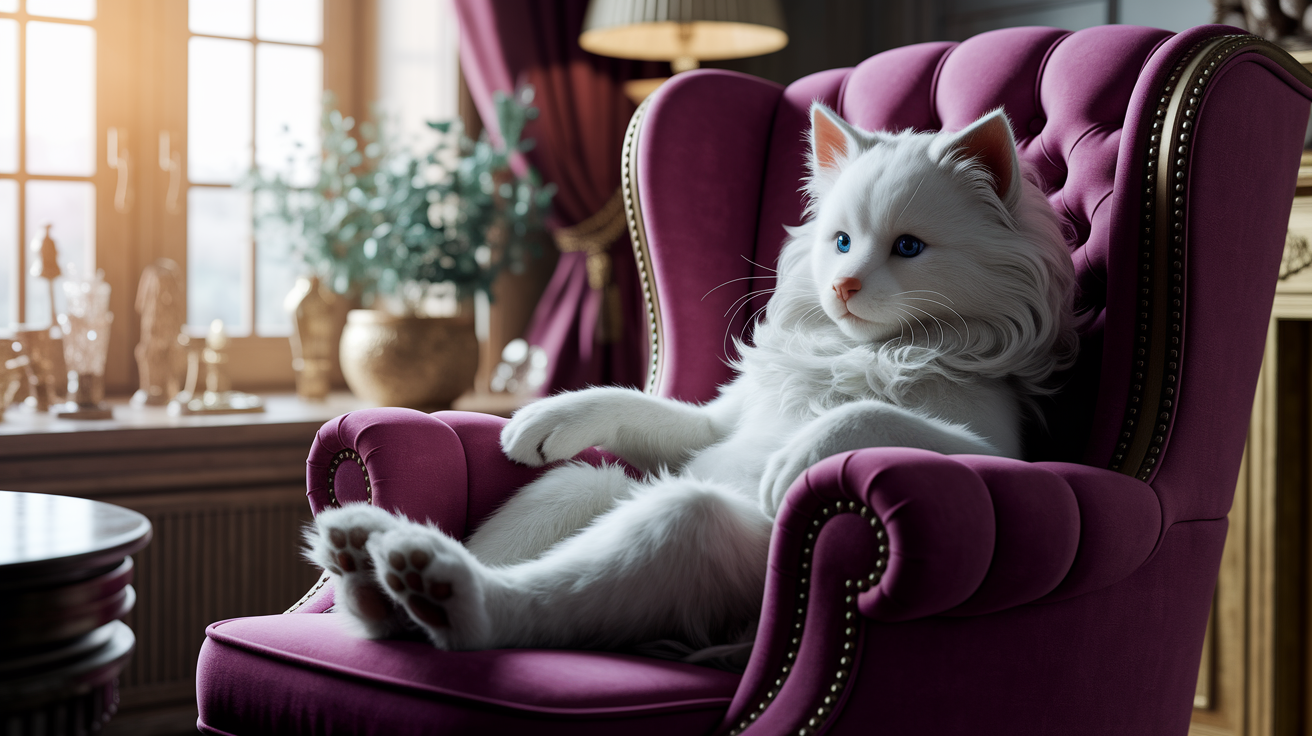
Ragdolls are the poster cats for affectionate breeds. They go limp when you pick them up, which is where the name comes from. Affection score: 5 out of 5. Weight typically runs 10 to 20 pounds. Lifespan is 12 to 17 years. Grooming takes 70 to 140 minutes per week because of their semi long coat. They’re indoor only cats. Low aggression and trusting nature make them poor street survivors. Breeder prices range $800 to $2,500. Ragdolls follow you around, wait by the door, and drape themselves across your lap the moment you sit down. They’re not demanding or loud, just consistently present.
Birmans and Burmese share similar lap cat tendencies but with slightly different flavors. Birmans are sensitive and intuitive. They notice when you’re stressed and will quietly settle next to you. Grooming is easier than Ragdolls, about 2 brushings per week. Burmese cats are more playful and dog like. They’ll fetch, play fetch again, then climb into the nearest lap. Affection score: 5/5. Grooming is minimal, about 10 to 20 minutes per week. Burmese are people focused to the point where being alone for long stretches doesn’t work well for them.
All three breeds are excellent with families, kids, and other pets. The main difference is energy level. Ragdolls and Birmans are calm and content to just be near you. Burmese need more interactive play before they settle into cuddle mode. If you want a cat who adapts to a quiet household, Ragdoll or Birman. If you want a cat who participates in household activity and still cuddles afterward, Burmese.
| Breed | Affection Score | Grooming Time/Week | Best For |
|---|---|---|---|
| Ragdoll | 5/5 | 70–140 minutes | Families, calm homes, indoor only setups |
| Birman | 4–5/5 | 20–30 minutes | Emotional support, gentle households |
| Burmese | 5/5 | 10–20 minutes | Active families, multi pet homes, interactive play |
Big Friendly Breeds: Maine Coons and Other Gentle Giants

Maine Coons are called gentle giants for a reason. They can weigh 10 to 25 pounds and still act like they’re lap sized. Affection score: 4 out of 5. Lifespan is 9 to 13 years. Grooming takes 70 to 105 minutes per week because of their thick, shaggy coat. Breeder prices range $800 to $2,000. Maine Coons prefer sitting beside you rather than on top of you. They’re too big to comfortably perch on most laps for long. But they stay close, follow you around, and love interactive play like fetch or puzzle toys. Stewie, the previous record holder for the world’s longest cat, was a Maine Coon. That’s the size range you’re working with.
The gentle part is real. Maine Coons are patient with kids, tolerant of other pets, and rarely aggressive. They’re social without being clingy. If you’re busy, they’ll entertain themselves. If you sit down, they’ll appear and settle nearby. They’re not silent. They chirp and trill more than they meow. But they’re not loud or demanding like Siamese. Think of them as large, interactive companions who enjoy being part of household routines without needing constant attention.
Why Maine Coons bond closely with families:
- Size doesn’t equal distance. They still seek human contact daily.
- Playful and intelligent, so they engage with kids and interactive games.
- Calm temperament means they handle noise and activity without stress.
- Long lifespan for a large breed if you stay on top of vet screenings (hip issues and heart conditions are common).
Persian and Exotic Shorthair: Plush, Calm, and Affectionate

Persians are often described as “furniture with hair,” but that’s not an insult. It’s their selling point. They’re extremely relaxed, quiet, and content to sit on a lap all day. Affection score: 4 out of 5. Weight is 7 to 12 pounds. Lifespan is 12 to 17 years. Grooming is the commitment: 140 to 210 minutes per week for brushing, plus daily face care because their flat faces produce tear staining and breathing issues. Breeder prices range $500 to $2,500. Persians are reserved around strangers until they trust you, then they become dedicated lap warmers. Early socialization improves their confidence with new people.
Exotic Shorthairs are Persians with a short coat. Same calm, affectionate temperament, but grooming drops to 15 to 30 minutes per week. Affection score: 4/5. Lifespan is 12 to 15 years. Breeder prices range $700 to $2,000. They’re playful in short bursts but mostly prefer quiet time on your lap or next to you on the couch. Exotics are ideal for people who want Persian like affection without the grooming marathon. Both breeds are indoor only. Their flat faces make temperature regulation difficult, and they’re not built for outdoor survival.
The main question is time. Persians demand daily grooming to prevent mats and regular face cleaning to avoid infection. Exotics still need weekly brushing and occasional face care, but it’s manageable. Both breeds are excellent for apartment living and calm households. They’re not climbers, not loud, and not destructive when bored. If your priority is a low energy lap cat and you can handle the grooming, these two are top choices.
| Breed | Grooming (min/week) | Affection Level | Noise Level |
|---|---|---|---|
| Persian | 140–210 | 4/5 | Quiet |
| Exotic Shorthair | 15–30 | 4/5 | Quiet |
Social, Vocal, and Velcro Like: Siamese, Tonkinese, and Burmese
Siamese
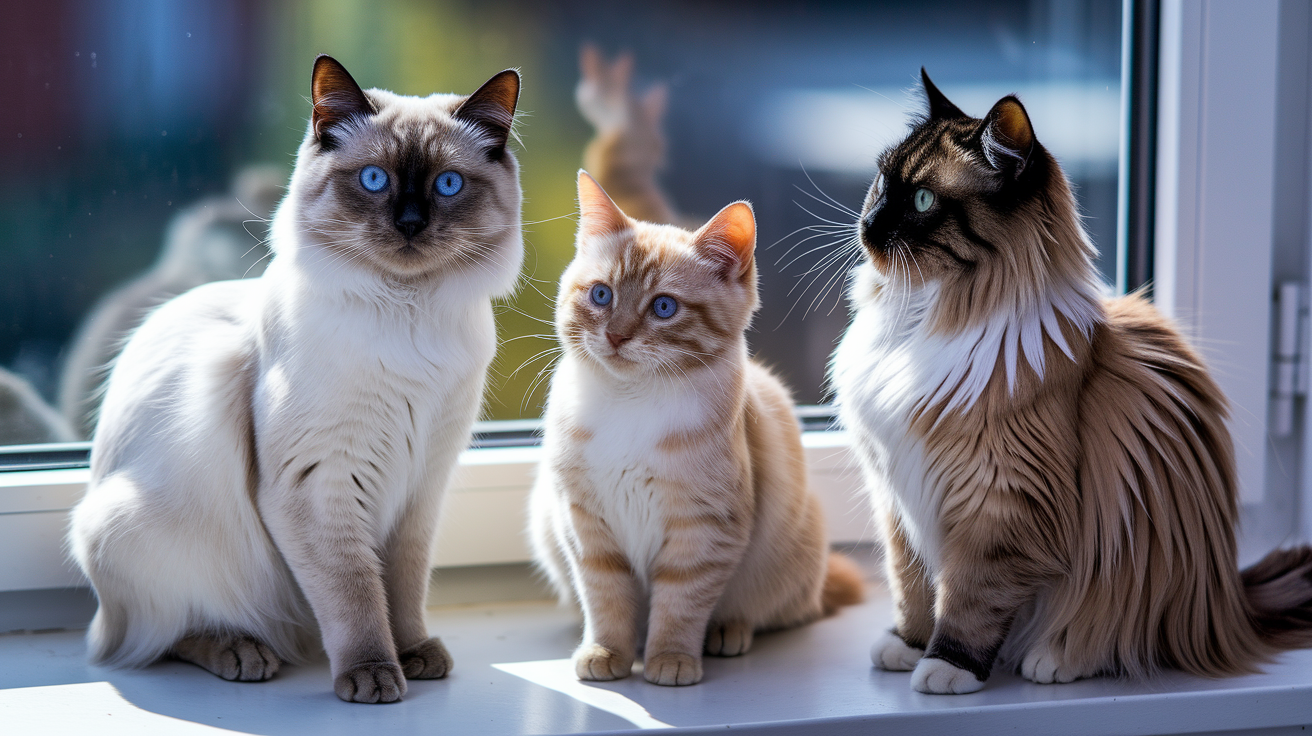
Siamese cats are often called “Velcro cats” because they stick to their favorite person all day. Affection score: 4 to 5 out of 5. Weight is 6 to 14 pounds. Lifespan is 12 to 20 years. Grooming is low, about 10 to 30 minutes per week. Breeder prices range $400 to $1,200. Siamese are highly vocal. They’ll “talk” to you constantly. Asking for food, announcing their presence, commenting on your activities. If you want a quiet house, this isn’t your breed. If you want a conversational companion who participates in everything you do, Siamese are perfect. They shadow you, sleep on you, and demand interaction. Leaving them alone for long stretches leads to separation stress and destructive behavior.
Tonkinese
Tonkinese are a cross between Siamese and Burmese, so they inherit the best (or most intense) traits of both. Affection score: 4 out of 5. Weight is 6 to 12 pounds. Lifespan is 10 to 16 years. Grooming is minimal, about 10 to 20 minutes per week. Breeder prices range $600 to $1,200. Tonkinese are extremely social and quick to bond with new people. They’re intelligent, playful, and vocal. Not as loud as Siamese, but they’ll let you know what they want. They thrive in busy homes where someone is usually around. They’re also good with kids and other pets because they crave social interaction of any kind. Expect long purring cuddle sessions once they’ve burned off their energy.
Burmese
Burmese cats act more like dogs than cats. They play fetch, follow you everywhere, and will sit on any available lap, including guests’. Affection score: 5 out of 5. Weight is 8 to 12 pounds. Lifespan is 16 to 18 years, one of the longest for purebred cats. Grooming is easy, about 10 to 20 minutes per week. Breeder prices range $800 to $1,500. Burmese are outgoing and friendly to strangers, which makes them excellent family cats. They’re patient with kids and tolerant of other animals. The trade off is they’re not independent. If you want a cat who entertains themselves while you’re at work, Burmese aren’t it. They need company, either human or another pet.
Unique Cuddlers: Sphynx and Other High Contact Breeds

Sphynx cats are nearly hairless, which makes them warmth seeking cuddle machines. Affection score: 4 to 5 out of 5. Weight is 6 to 12 pounds. Lifespan is 8 to 14 years. Grooming is different. They need weekly baths (about 30 to 60 minutes total per week) to remove skin oils, plus regular ear cleaning and sun protection. Breeder prices range $1,500 to $3,000. Sphynx feel warm to the touch, like holding a purring hot water bottle. They seek out laps, blankets, and any warm spot in the house. Indoor only living is required because they can’t regulate temperature well outdoors.
Sphynx are outgoing, playful, and loyal. They’re good with kids and other pets because they enjoy activity and social interaction. The grooming routine surprises people. No fur doesn’t mean no maintenance. Their skin produces oils that need regular washing, and their large ears collect debris quickly. If you skip baths, they get greasy and can develop skin infections. The payoff is an intensely affectionate cat who wants constant physical contact and will drape themselves over you whenever possible.
Why hairless and unusual coated cats crave closeness:
- They need body heat, so they seek out warm humans and blankets constantly.
- Lack of fur makes them more tactile. They enjoy being touched and petted.
- Outgoing personalities mean they’re confident approaching new people for warmth and attention.
Comparison Chart of the Best Cuddly Cat Breeds

This table compares the 10 most affectionate breeds by key practical factors: how cuddly they are, how much grooming they need, their energy level, and whether they’re good with kids. Use it to narrow your list based on your household and time availability.
Affection scores reflect typical breed behavior. Individual cats will vary. Grooming time is weekly, assuming you’re doing it yourself at home. Activity level ranges from low (happy to lounge most of the day) to high (needs play sessions and mental stimulation). “Good With Kids” reflects general breed temperament, but always introduce cats and children slowly and supervise early interactions.
| Breed | Affection Score | Grooming Time/Week | Activity Level | Good With Kids |
|---|---|---|---|---|
| Ragdoll | 5/5 | 70–140 minutes | Low | Yes |
| Burmese | 5/5 | 10–20 minutes | Moderate | Yes |
| Birman | 4–5/5 | 20–30 minutes | Low–Moderate | Yes |
| Siamese | 4–5/5 | 10–30 minutes | High | Yes |
| Maine Coon | 4/5 | 70–105 minutes | Moderate–High | Yes |
| Persian | 4/5 | 140–210 minutes | Low | Moderate |
| Scottish Fold | 4/5 | 10–20 minutes | Low | Yes |
| Sphynx | 4–5/5 | 30–60 minutes | High | Yes |
| Tonkinese | 4/5 | 10–20 minutes | High | Yes |
| Exotic Shorthair | 4/5 | 15–30 minutes | Low | Moderate |
Choosing the Right Affectionate Cat for Your Home

Matching a cuddly breed to your lifestyle starts with honest time math. Most affectionate breeds need 1 to 2 hours per day of direct social interaction. Play, petting, lap time, or just being in the same room. Vocal, high energy breeds like Siamese and Tonkinese need the higher end of that range, plus puzzle toys and interactive play. Quieter breeds like Ragdolls and Persians are content with less active engagement, but they still expect you to be present. If your schedule means the cat will be alone for 10 hour stretches most days, consider adopting two cats so they have companionship, or choose a less people dependent breed.
Grooming time varies wildly. Short haired affectionate breeds like Burmese and Tonkinese need about 10 to 30 minutes per week. Long haired breeds like Ragdolls and Maine Coons need 70 to 140 minutes per week, and Persians can hit 210 minutes per week when you include daily face care. Sphynx cats need weekly baths. Budget your time honestly. Skipping grooming leads to mats, skin infections, and vet bills that cost more than the time you saved.
Budget matters. Rescue adoption fees run $50 to $300 and often include initial vaccinations and spay or neuter. Purebred kittens from reputable breeders cost $400 to $3,000 depending on breed and pedigree. First year expenses (food, vaccinations, spay or neuter if not included, basic supplies, and one vet visit) add another $600 to $1,200. Some breeds have higher lifetime costs due to known health issues. Maine Coons need hip and heart screenings. Scottish Folds can develop painful joint conditions. Persians and Exotic Shorthairs often need respiratory care. Ask breeders for health clearances and factor vet costs into your decision.
Key criteria for choosing an affectionate breed:
- Time availability – Can you provide 1 to 2 hours of daily interaction, plus grooming time?
- Grooming tolerance – Are you willing to brush 10 to 210 minutes per week, or bathe a hairless cat weekly?
- Activity level match – Do you want a calm lap cat or a playful, interactive companion?
- Budget – Can you afford $50 to $300 for adoption, or $400 to $3,000 for a purebred, plus $600 to $1,200 first year costs?
- Home size and setup – Apartment or house? Indoor only or access to safe outdoor space?
Tips for Encouraging More Cuddly Behavior

Socialization is the foundation. Cats who receive positive, gentle handling as kittens are far more likely to seek lap time as adults. If you adopt an older cat or a rescue with an unknown history, let them approach you on their terms. Force cuddling a cat who isn’t ready destroys trust and makes them less affectionate over time. Create comfortable, warm spots near where you spend time. Cats are more likely to settle near you if there’s a soft blanket or heated pad nearby.
Active breeds like Siamese, Tonkinese, and Sphynx need 20 to 60 minutes of daily play before they settle into cuddle mode. If you skip exercise, they’re too wound up to sit still. Interactive play (feather wands, laser pointers, fetch) burns off energy and builds trust. End play sessions on a calm note, then offer lap time. Most cats will take it.
Actionable tips for increasing cuddly behavior:
- Positive reinforcement – Reward lap sitting and closeness with treats, gentle petting, or calm praise.
- Warm, comfortable spaces – Place soft blankets or heated pads in areas where you sit. Warmth attracts cats.
- Consistent routines – Cats feel safer and more affectionate when daily schedules are predictable.
- Respect boundaries – Let the cat initiate contact. Forcing it reduces trust and future affection.
Final Words
You’ve got a ranked list of the most affectionate cats, what traits make them cuddly, and quick profiles from Ragdoll to Sphynx. That gives a real sense of day-to-day life: grooming minutes, social time, and noise levels.
Use the comparison charts and breed notes to match a cat to your routine, time, space, and how hands-on you want to be. If you want lap time more than play, favor Ragdoll, Birman, or Persian.
Picking from the best cuddly cat breeds is about fit, not looks. Enjoy the search. A warm companion is waiting.
FAQ
Q: Which cat breed is the most cuddly?
A: The most cuddly cat breed is often the Ragdoll, known for going limp when picked up and loving laps; Burmese and Birman also rank very affectionate and people-oriented.
Q: What is the 3-3-3 rule for cats?
A: The 3-3-3 rule for cats is a simple timeline for a new cat: 3 days to adjust, 3 weeks to settle in, and 3 months to fully adapt and show its true personality.
Q: What annoys cats the most?
A: What annoys cats the most is sudden change or invasion of their space—loud noises, unpredictable handling, disrupted routines, unfamiliar smells, and forced cuddling often cause stress or avoidance.
Q: Do cats recognize human faces?
A: Cats do recognize human faces, but they rely more on voice, scent, and body language; they typically distinguish familiar people who feed and interact with them regularly.