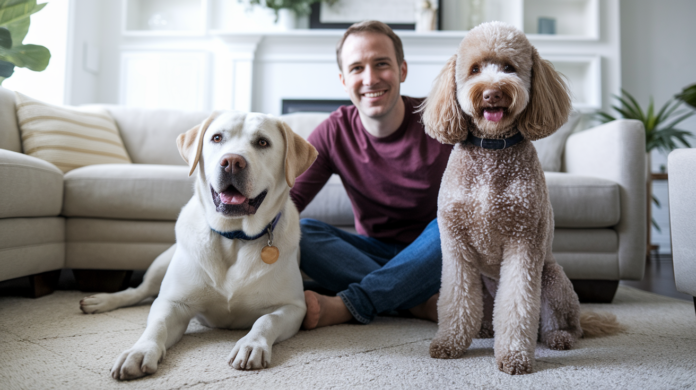

Think a cute puppy will magically make training easy?
It’s a common mistake that can end with a returned dog.
If you’re a first-time owner who wants easy training, this guide points to breeds that forgive beginner mistakes, respond to treats and repetition, and fit normal lives like apartments or busy family schedules.
You’ll get clear pros and trade-offs—exercise, grooming, alone-time needs—so you can choose a dog that makes year one calm, not chaotic.
Quick List of Beginner‑Friendly Dog Breeds
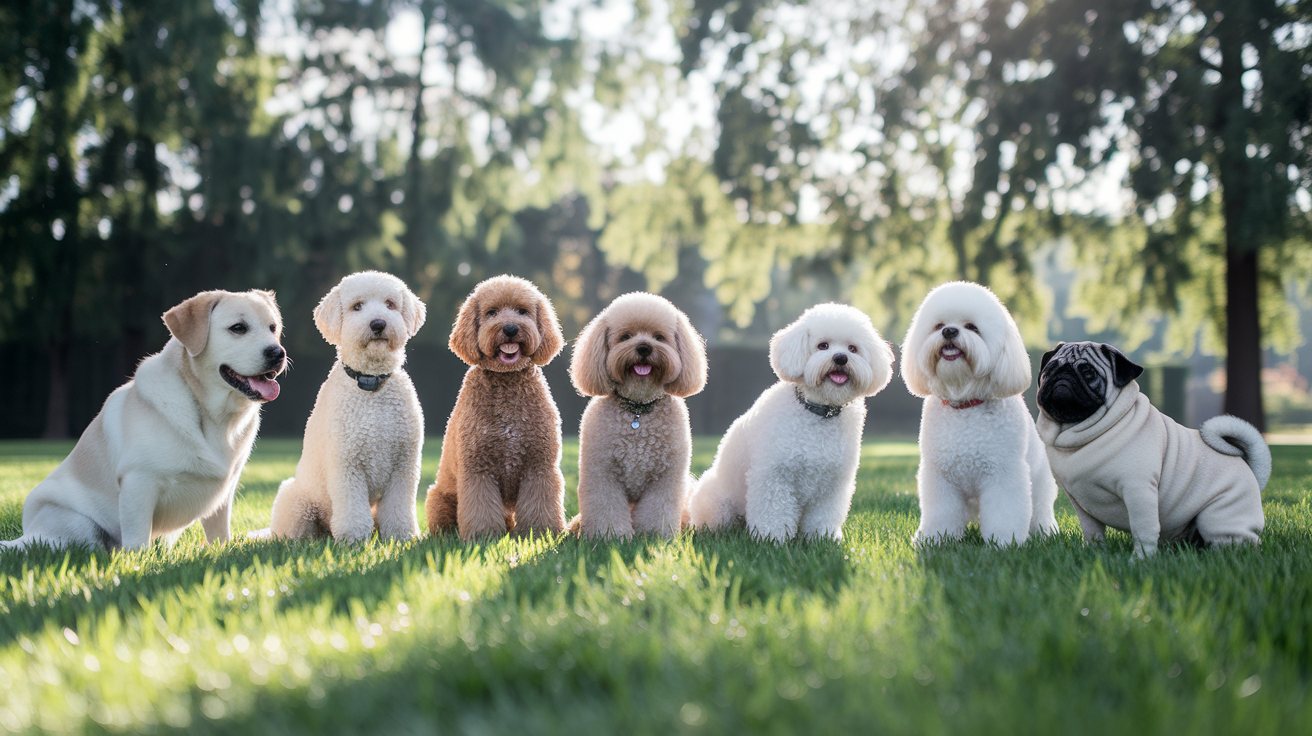
If you’re choosing your first dog, you want a breed that won’t punish you for beginner mistakes. That means stable temperament, willingness to learn, and day to day needs that don’t require a full time commitment or expensive specialists. The following breeds are recommended by shelters, trainers, and veterinarians as forgiving, adaptable, and approachable for people who’ve never owned a dog before.
Labrador Retriever. Friendly, trainable, eager to please. Thrives in active families and tolerates beginner training mistakes well.
Golden Retriever. Calm, patient, and highly social. Loves kids and other pets. Needs regular brushing and daily exercise.
Poodle (Miniature or Standard). Exceptionally smart and adaptable. Hypoallergenic coat requires grooming but sheds very little.
Bichon Frise. Small, cheerful, easy to socialize. Low shedding but needs professional grooming every 6 to 8 weeks.
Cavalier King Charles Spaniel. Gentle lap dog with moderate exercise needs. Great for apartments and first time owners who want a companion breed.
Pug. Compact, affectionate, low exercise requirements. Watch for breathing issues and keep them cool.
Shih Tzu. Loving and low energy. Ideal for smaller homes. Daily brushing or a short haircut makes coat care manageable.
Greyhound. Surprisingly calm indoors despite racing background. Minimal grooming and moderate daily walks suffice.
Boxer. Playful and loyal. Needs consistent training and daily activity but bonds strongly with families.
Cocker Spaniel. Friendly, trainable, and good with children. Requires regular ear cleaning and grooming every 6 to 8 weeks.
Beagle. Small to medium, curious, and friendly. Scent driven so secure yards and recall training are essential.
Boston Terrier. Compact, easy going, and adaptable. Minimal grooming and moderate exercise make them apartment friendly.
Key Traits That Make a Dog Suitable for First-Time Owners
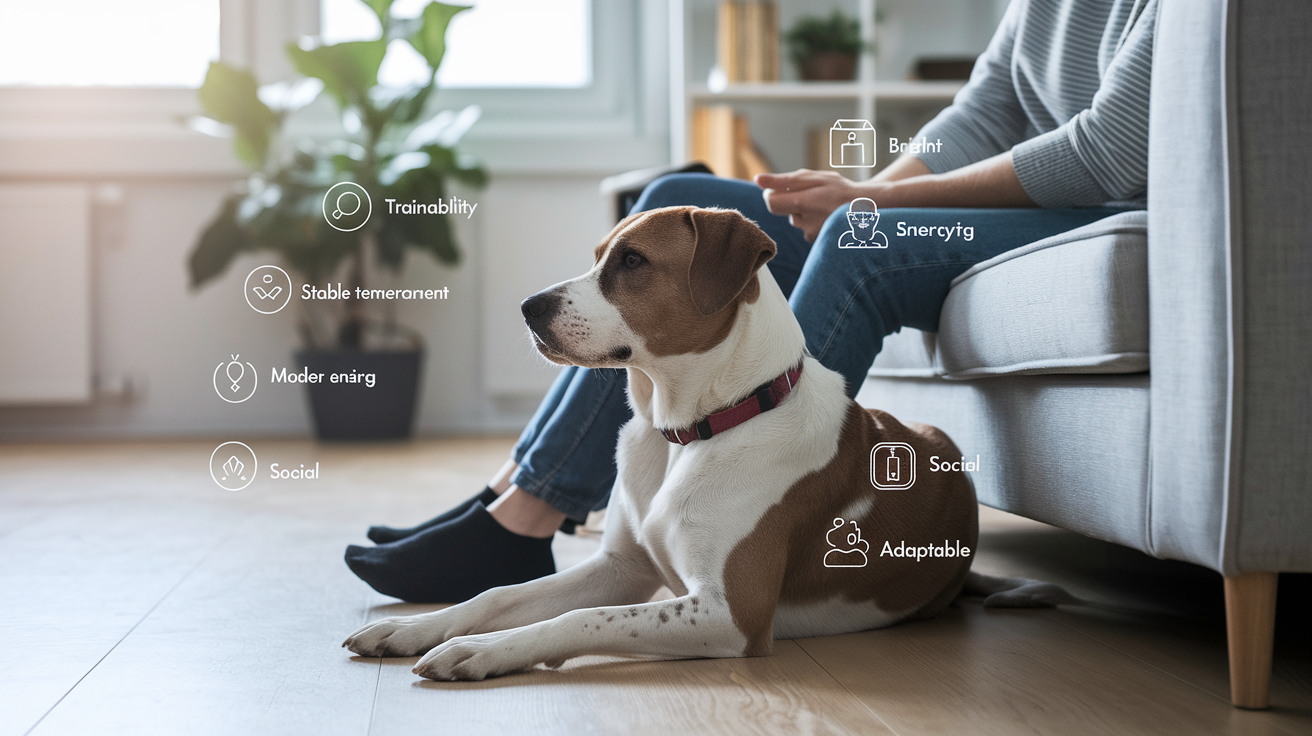
A breed that looks cute online can turn your life upside down if it doesn’t match your schedule, space, or patience level. The right dog for a beginner is one that will forgive inconsistent cues, adapt to a learning curve, and won’t develop serious behavioral problems if you miss a walk now and then.
Focusing on temperament and care requirements saves you from rehoming a dog six months in. The traits below separate a smooth first year from a stressful one. Look for breeds that check most of these boxes before you fall in love with a puppy photo.
Trainability. Responds well to basic commands, food rewards, and repetition. Doesn’t require advanced handling skills or professional intervention to learn house rules.
Stable temperament. Calm around new people, doesn’t startle easily, tolerates handling and noise without aggression or fear. Predictable day to day behavior.
Moderate energy level. Needs daily activity but won’t destroy furniture if a walk gets skipped. Content with 30 to 60 minutes of exercise rather than hours of running.
Low grooming demands. Weekly brushing or occasional professional trims. Minimal shedding or coat maintenance that fits into a normal schedule without daily work.
Social and friendly. Gets along with children, strangers, and other pets without extensive socialization programs or behavioral management.
Adaptable to living situations. Comfortable in apartments, houses, or mixed environments. Doesn’t require a large yard or specific climate to thrive.
In‑Depth Breed Profiles for New Dog Owners
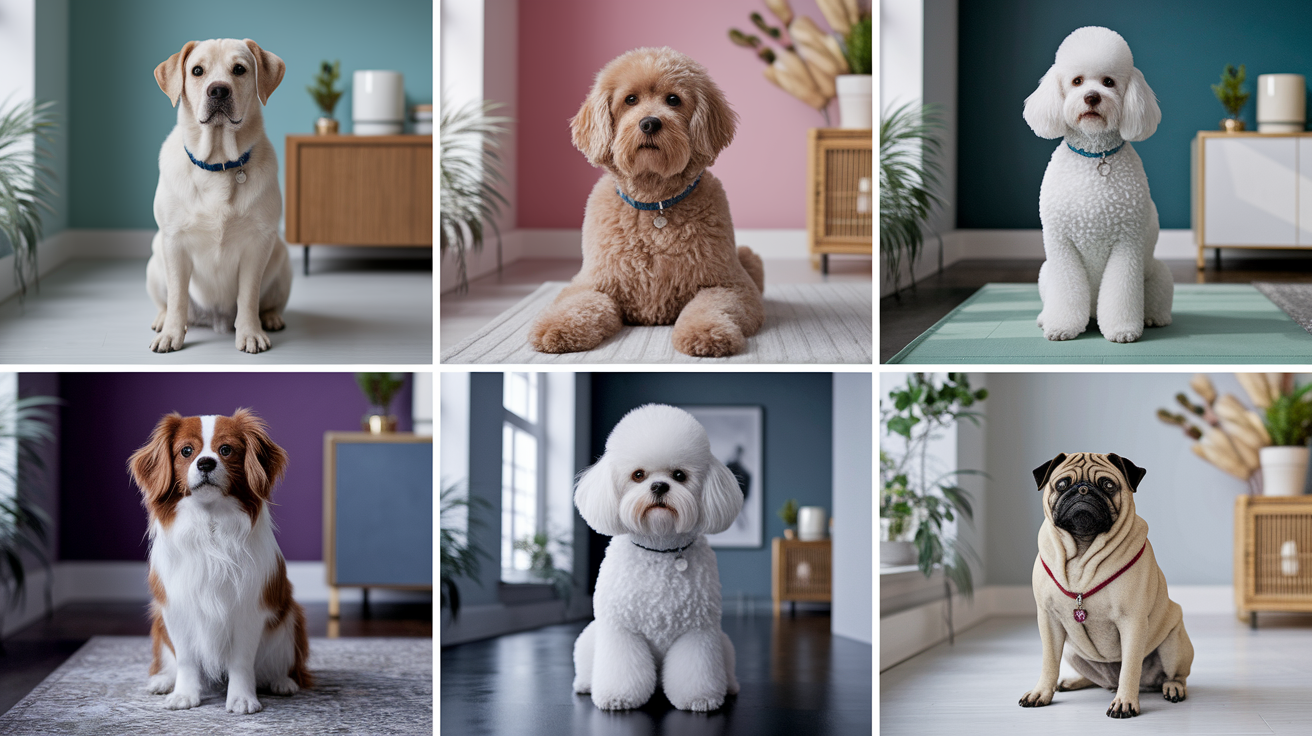
Labrador Retriever
Labs are the default recommendation for first time families because they want to please you and they bounce back from training mistakes. They’re food motivated, which makes teaching sit, stay, and come much easier than with independent breeds. Expect a dog that needs 60+ minutes of daily exercise. Walks, fetch, or swimming. They’ll chew anything within reach if bored.
Grooming is straightforward with weekly brushing, though shedding ramps up twice a year. Labs are patient with kids, social with strangers, and generally healthy. Low drama choice for beginners willing to keep up with their energy.
Golden Retriever
Goldens are calm, affectionate, and naturally gentle, which is why they’re common in therapy and service work. They’re highly trainable and rarely aggressive, even when startled or handled roughly by toddlers. Daily exercise is necessary. 45 to 60 minutes of walking or play. Their longer coat requires brushing two to three times per week to prevent mats and manage shedding.
Goldens are prone to ear infections if they swim frequently, so routine ear checks matter. If you want a dog that’s forgiving, social, and eager to be part of family life, a Golden is hard to beat.
Poodle (Miniature or Standard)
Poodles are smart enough to learn complex tricks but patient enough to handle beginner level training. They come in three sizes, so you can match the dog to your living space and activity level. Their coat doesn’t shed much, which helps with allergies, but it grows continuously and needs professional grooming every 6 to 8 weeks. Without regular trims and brushing, the coat mats quickly.
Poodles need daily mental stimulation. Training sessions, puzzle toys, or active play. They’ll invent their own entertainment otherwise. If you’re willing to budget for grooming and keep their mind busy, Poodles are exceptionally adaptable and trainable.
Bichon Frise
Bichons are small, cheerful, and easy to socialize. Good fit for apartment life or single person households. They’re affectionate without being clingy and adapt well to different routines. The fluffy white coat is low shedding but high maintenance. Expect daily brushing or plan for professional grooming every 4 to 8 weeks to avoid mats.
Bichons are food motivated and responsive to training, though they can be stubborn about housebreaking if not consistent. They’re friendly with strangers and other dogs. Their small size makes vet bills, food costs, and travel easier than with larger breeds.
Cavalier King Charles Spaniel
Cavaliers are gentle, people oriented lap dogs that thrive on companionship and adapt to apartments, houses, and busy family schedules. They’re intelligent and eager to please, which makes basic training straightforward. Moderate exercise keeps them happy. 30 to 45 minutes per day. Their silky coat needs brushing two to three times per week.
The main challenge is separation anxiety. Cavaliers bond deeply and can become distressed if left alone for long stretches. Gradual crate training and short alone time practice from the start help. They’re also prone to genetic heart conditions, so regular vet cardiac checks as they age are important.
Pug
Pugs are compact, affectionate, and low energy, which fits well with apartment living and owners who aren’t highly active. They need only 20 to 30 minutes of daily exercise and are content to lounge the rest of the day. Grooming is minimal. Weekly brushing. But their facial wrinkles require daily cleaning to prevent skin infections and tear staining.
Pugs are brachycephalic, meaning their short noses make breathing harder, especially in heat or during intense activity. Avoid walks in hot weather, monitor their weight closely, and be prepared for potential breathing related vet costs. If you want a low exercise, affectionate companion and can manage their health quirks, Pugs are easy to live with.
Shih Tzu
Shih Tzus are small, loving, and low energy. Ideal for apartments, seniors, or anyone who prefers a dog that doesn’t demand long daily runs. They’re people focused and enjoy being close to their owners throughout the day. The long, silky coat requires daily brushing or regular professional trims to stay manageable. Many owners choose a short “puppy cut” to reduce maintenance.
Shih Tzus can be stubborn during training and housebreaking, so consistency and patience matter more than with naturally eager to please breeds. They’re friendly with children and strangers, and their small size keeps costs lower for food, supplies, and vet care.
Greyhound
Greyhounds surprise most first time owners because they’re calm, quiet, and low energy indoors despite their racing history. A 30 to 45 minute daily walk is typically enough, and they’re content to nap the rest of the day. Grooming is minimal with their short coat. Weekly brushing is plenty.
Greyhounds are gentle, non aggressive, and generally good with children, though their prey drive means small pets like cats can trigger chasing instincts. Many retired racing Greyhounds are available for adoption and come already housetrained and socialized. If you want a large, low maintenance dog that doesn’t demand constant activity, Greyhounds are an overlooked beginner option.
Boxer
Boxers are playful, loyal, and bond strongly with their families, especially children. They’re energetic and need 45 to 60 minutes of daily exercise. Walks, fetch, or backyard play. This prevents boredom and destructive behavior. Training is straightforward because Boxers are eager to please, though their enthusiasm can make leash manners a work in progress early on.
Grooming is easy with a short coat that needs only weekly brushing. Boxers are social and friendly but can be mouthy and jumpy as puppies, so consistent training from day one matters. They’re generally healthy but can develop heart conditions and hip issues as they age, so regular vet checkups are important.
Cocker Spaniel
Cocker Spaniels are affectionate, trainable, and good with kids. Versatile family dogs. They’re medium sized with moderate energy. 30 to 60 minutes of daily activity keeps them happy. Their soft, wavy coat requires brushing two to three times per week and professional grooming every 6 to 8 weeks to prevent mats.
Cockers are prone to ear infections due to their long, floppy ears, so weekly ear cleaning is part of the routine. They’re food motivated and responsive to training, and their friendly temperament means they adapt well to different living situations. If you’re willing to stay on top of grooming and ear care, Cockers are reliable, loving companions.
Comparison of Breeds by Size, Activity Level, and Grooming Needs

Not every beginner has the same schedule, space, or tolerance for daily brushing. The table below lets you compare the breeds side by side so you can quickly rule out poor fits and focus on dogs that match your real life situation.
| Breed | Size | Activity Level | Grooming Needs | Ideal For |
|---|---|---|---|---|
| Labrador Retriever | Large (55–80 lbs) | High (60+ min/day) | Low–Moderate (weekly brush) | Active families, houses with yards |
| Golden Retriever | Large (55–75 lbs) | Moderate–High (45–60 min/day) | Moderate (2–3×/week brush) | Families, active owners, homes with space |
| Poodle (Mini/Standard) | Small–Large (10–70 lbs) | Moderate (30–60 min/day) | High (daily brush, groom every 6–8 weeks) | Allergy sufferers, apartments or houses |
| Bichon Frise | Small (10–18 lbs) | Low–Moderate (30 min/day) | High (daily brush, groom every 4–8 weeks) | Apartments, singles, allergy-conscious owners |
| Cavalier King Charles Spaniel | Small (13–18 lbs) | Moderate (30–45 min/day) | Moderate (2–3×/week brush) | Apartments, families, companion-focused owners |
| Pug | Small (14–18 lbs) | Low (20–30 min/day) | Low (weekly brush, daily wrinkle care) | Apartments, low-energy households |
| Shih Tzu | Small (9–16 lbs) | Low (20–40 min/day) | High (daily brush or short cut) | Apartments, seniors, low-activity owners |
| Greyhound | Large (60–70 lbs) | Low–Moderate (30–45 min/day) | Low (weekly brush) | Calm households, apartments, low-energy owners |
| Boxer | Large (50–80 lbs) | High (45–60 min/day) | Low (weekly brush) | Active families, houses with yards |
| Cocker Spaniel | Medium (20–30 lbs) | Moderate (30–60 min/day) | Moderate–High (2–3×/week brush, groom every 6–8 weeks) | Families, moderate-activity owners, mixed living situations |
Common Challenges for First‑Time Dog Owners
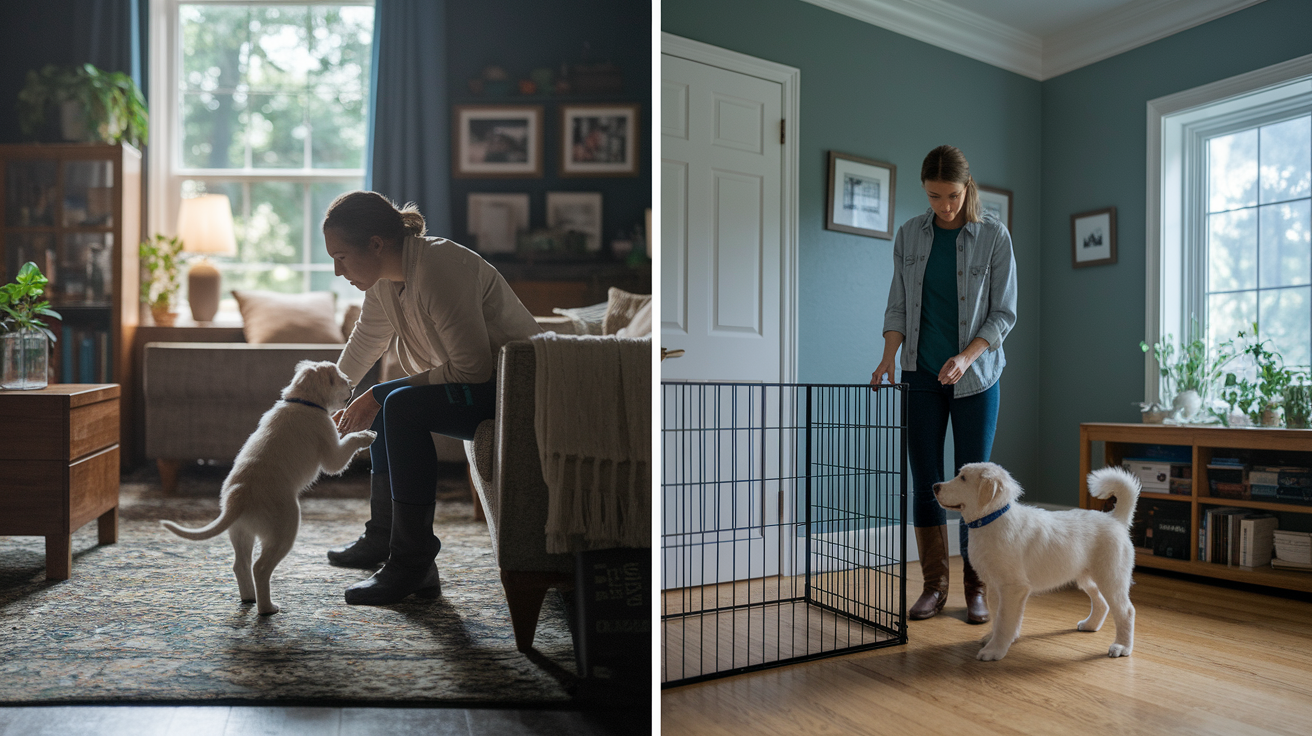
Most beginner struggles come from underestimating the daily grind, not the big decisions. You research breeds, visit shelters, and pick the perfect puppy. Then reality hits when housebreaking takes three months instead of three weeks or grooming appointments cost more than your own haircuts. The gap between expectation and routine is where frustration builds, so knowing the common pitfalls ahead of time helps you prepare instead of panic.
Training consistency is the challenge that catches the most people off guard. Dogs learn through repetition, and if one person lets the dog on the couch while another enforces the no furniture rule, the dog gets confused and progress stalls. Socialization windows close faster than you think. Puppies need exposure to different people, sounds, surfaces, and other dogs between 8 and 16 weeks, and missing that window can lead to fearful or reactive behavior later.
Inconsistent training. Mixed signals from different household members or skipping daily practice sessions slow progress and create behavioral confusion.
Underestimating exercise needs. Skipping walks because of weather or busy schedules leads to destructive chewing, excessive barking, and hyperactive indoor behavior.
Skipping early socialization. Failing to expose puppies to new environments, people, and other dogs during the critical 8 to 16 week window increases the risk of fear based aggression or anxiety.
Grooming neglect. Waiting too long between brushing sessions or professional grooming leads to painful mats, skin infections, and expensive emergency grooming bills.
Ignoring separation anxiety signals. Leaving a clingy puppy alone for long stretches without gradual crate training can trigger destructive behavior, excessive barking, and stress related health issues.
Overlooking breed specific health costs. Brachycephalic breeds like Pugs and French Bulldogs often require higher vet expenses for breathing issues, while breeds prone to joint problems need ongoing monitoring and potential treatments.
Essential Care Tips for New Dog Owners
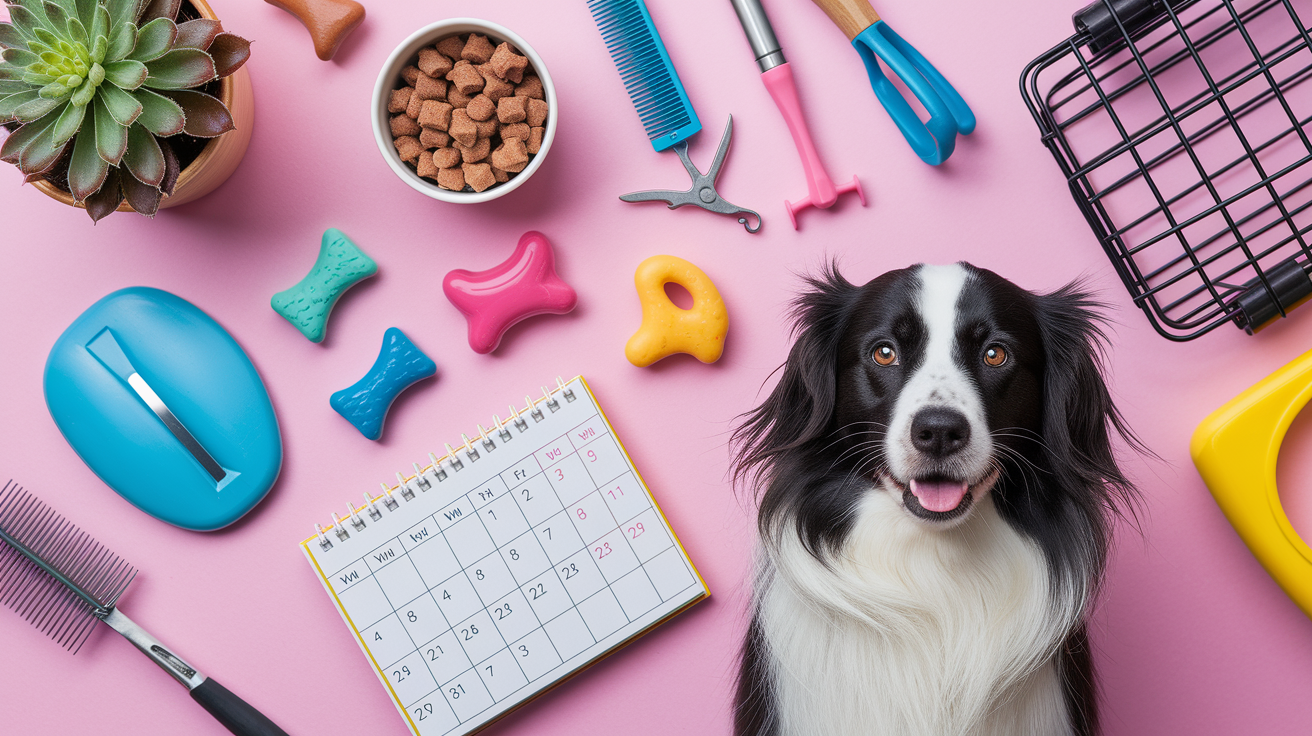
Training starts the day your dog comes home, not after they’ve settled in. House rules, crate routines, and basic commands like sit and come should begin immediately, even if the dog is still adjusting. Puppies and adult rescues both benefit from structure. Waiting “a few weeks to let them decompress” usually means letting bad habits take root. Enroll in a group obedience class within the first month. Most run 6 to 8 weeks and cost $100 to $300, and the socialization with other dogs is as valuable as the training itself.
Feed on a consistent schedule using the portions recommended on your dog food bag, adjusted for your dog’s activity level and body condition. Puppies typically eat three times per day until six months, then transition to twice daily. Avoid free feeding (leaving food out all day) because it makes housebreaking harder and prevents you from noticing appetite changes that signal health problems. Treats should make up no more than 10% of daily calories. Use part of the regular kibble as training rewards to avoid overfeeding.
Grooming routines depend on coat type, but all dogs need weekly nail trims, ear checks, and tooth brushing. Short coated breeds like Pugs and Boxers need only weekly brushing to manage shedding. Long coated or curly coated breeds like Poodles, Bichons, and Shih Tzus require daily brushing or professional grooming every 4 to 8 weeks to prevent mats. Budget $30 to $90 per grooming session and book appointments in advance to maintain a consistent schedule. Dental care matters more than most beginners realize. Brush your dog’s teeth several times per week or provide dental chews to reduce tartar buildup and expensive cleanings later.
Socialization during the first year shapes your dog’s behavior for life. Expose puppies to different environments, sounds, people, and other vaccinated dogs as early as possible. Puppy classes, controlled playdates, short car rides, and walks through pet friendly stores all help build confidence and prevent fear based reactivity. Even adult rescues benefit from gradual exposure to new situations, though the process may take longer. The goal is a dog that can handle normal household chaos. Doorbells, vacuum cleaners, visiting relatives, other pets. All without stress or aggression.
Final Words
You’ve got a quick list of 10 beginner-friendly breeds, the key traits to prioritize, full breed profiles, size-and-grooming comparisons, common newbie pitfalls, and practical care tips.
Use that to match a dog to real life — energy level, brushing needs, training time, and how much alone time you can give.
Pick two breeds from the list, meet adults, and try a short walk or foster. Those steps will help you choose one of the best dog breeds for first time owners and start on a confident, happy note.
FAQ
Q: What is the best breed of dog for a first time owner? / What is the easiest dog breed to own?
A: The best and easiest breeds for first-time owners tend to be Labrador Retriever, Golden Retriever, Cavalier King Charles Spaniel, Poodle, Bichon Frise, Pug, Shih Tzu, Greyhound, Boxer, and Cocker Spaniel.
Q: What is the 7 7 7 rule for dogs?
A: The 7-7-7 rule for dogs is a simple daily routine many trainers use: seven minutes of focused training, seven minutes of play or exercise, and seven minutes of calm bonding or exposure.
Q: What is the no. 1 lazy dog?
A: The number one lazy dog is often the English Bulldog, known for low exercise needs and long naps; Basset Hounds and retired Greyhounds are also commonly cited as very low-energy breeds.