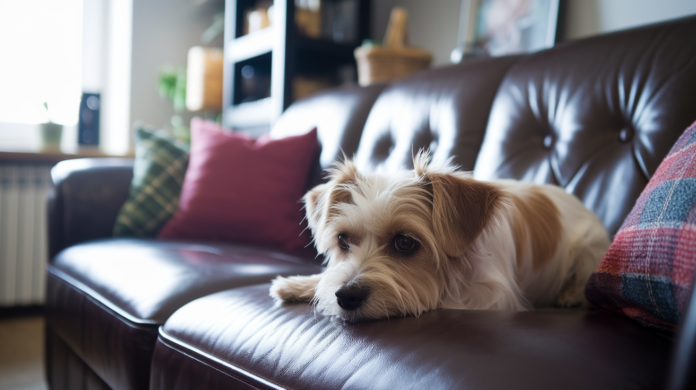

Think a small apartment means living with constant barking?
If you rent, have thin walls, or a neighbor who works nights, noisy dogs become a real problem.
Fortunately, plenty of breeds rarely bark and settle easily into apartment life, and this post shows the quiet dogs that actually work for small spaces plus the trade-offs people often miss, like grooming, daily exercise, and alone time tolerance.
By the end you’ll know which dogs fit your life, and which ones to skip.
Top Quiet Dog Breeds Ideal for Apartment Living
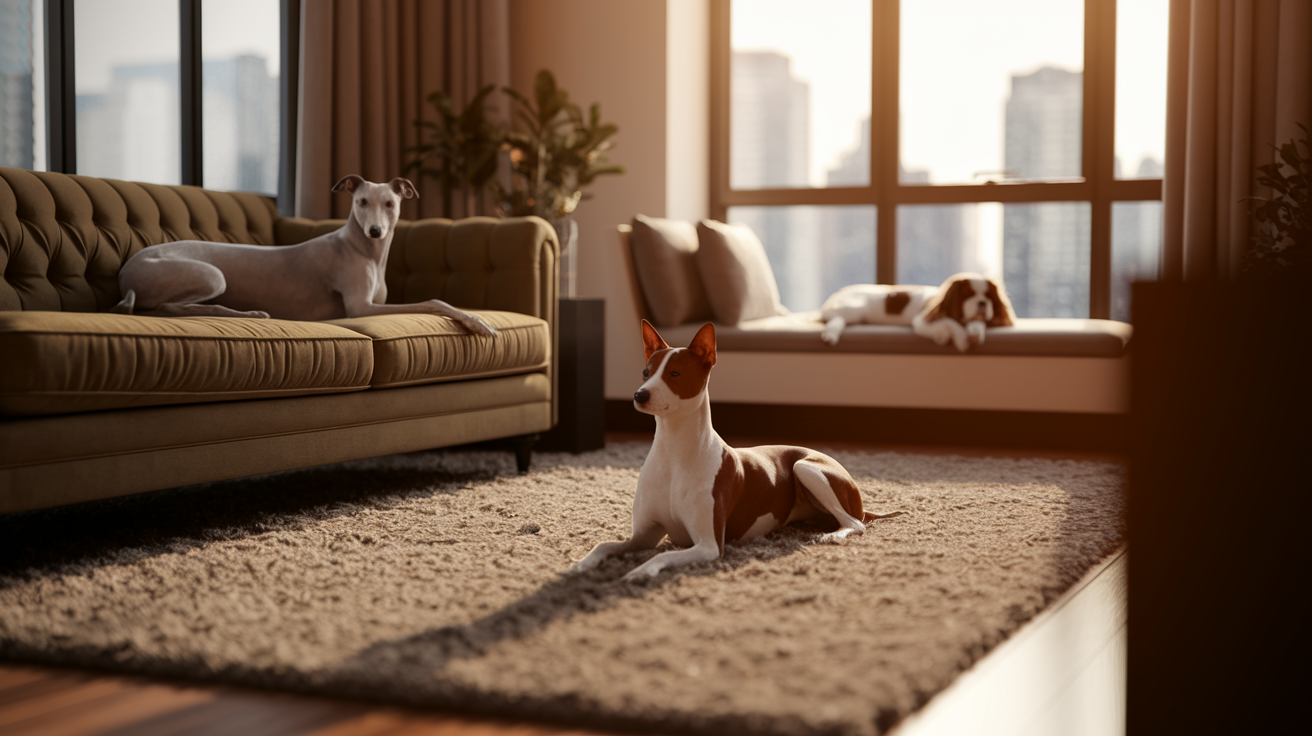
Close quarters and a noisy dog don’t mix. If you’re renting, dealing with thin walls, or living next to someone who works nights, barking complaints are a real concern. But plenty of breeds are naturally quiet, adaptable, and perfectly happy in small spaces.
Here’s what actually works:
- Basenji — People call this one “barkless” because it yodels instead. Stays calm indoors most of the time.
- Greyhound — Surprisingly quiet for a dog that weighs 70 pounds. Retired racers spend most of the day on the couch and rarely make a sound.
- Cavalier King Charles Spaniel — Gentle, sweet, and not the type to alert-bark at every little thing.
- Shih Tzu — Friendly and easygoing. Barks way less than most small dogs.
- Whippet — Quiet, low energy indoors, and happy with a couple short walks.
- French Bulldog — Small, calm, and typically silent unless something genuinely strange is happening.
- Bichon Frise — Cheerful and social, but doesn’t yap. Might bark once, then moves on.
- Havanese — Barks rarely and adjusts fast to apartment routines and background noise.
These breeds do well in tight spaces because they were bred for companionship, not guarding or hunting. Most are naturally lower energy indoors, less reactive to everyday sounds like footsteps or delivery trucks, and don’t need constant yard access to stay settled. They’re not going to alert-bark every time a neighbor walks past your door. Size helps, but temperament matters more. A 70 pound Greyhound can be quieter than a 6 pound Chihuahua.
Key Traits That Make a Dog Quiet and Apartment-Friendly
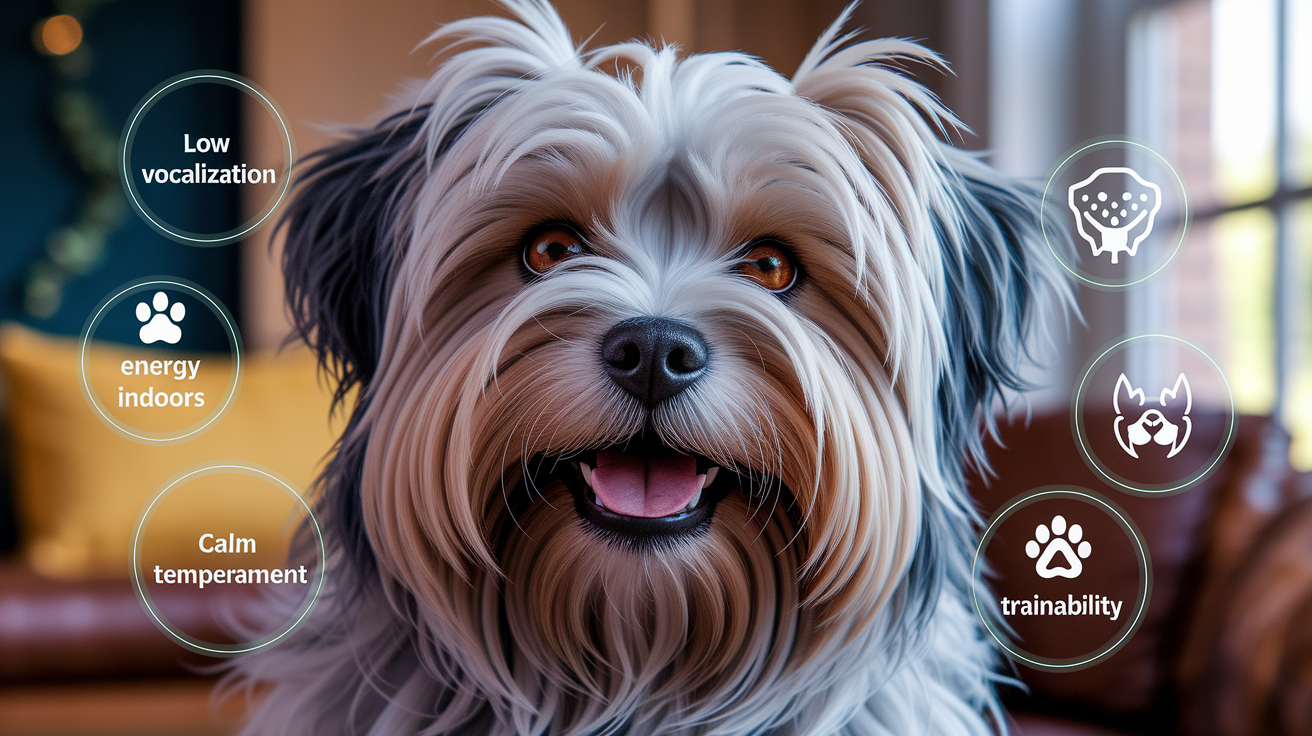
Not all small dogs are quiet. And not all quiet dogs are small. The breeds that work best in apartments share a handful of reliable traits that keep them calm, content, and neighbor-friendly.
Low barking tendency is obvious. Dogs bred for companionship, like the Cavalier or Havanese, weren’t selected to sound alarms or chase prey. They’re wired to hang out, not patrol. Lower reactivity also matters. Quiet dogs don’t startle at hallway sounds or passing footsteps. They register the noise, maybe lift their head, and go back to sleep.
Key traits of apartment-friendly quiet dogs:
- Low vocalization — Rarely barks for attention, boredom, or minor environmental triggers.
- Moderate to low energy indoors — Settles down after a walk. Doesn’t zoom around the living room all evening.
- Calm temperament — Not anxious, not suspicious. Greets new situations without overreacting.
- Trainability — Responds well to basic commands and boundary setting. Learns “quiet” cues quickly.
These traits work together. A dog that’s easy to train and naturally calm will adapt faster to apartment life, even if you live on a busy street or near an elevator.
Breed Profiles: Quiet Dogs That Excel in Small Spaces
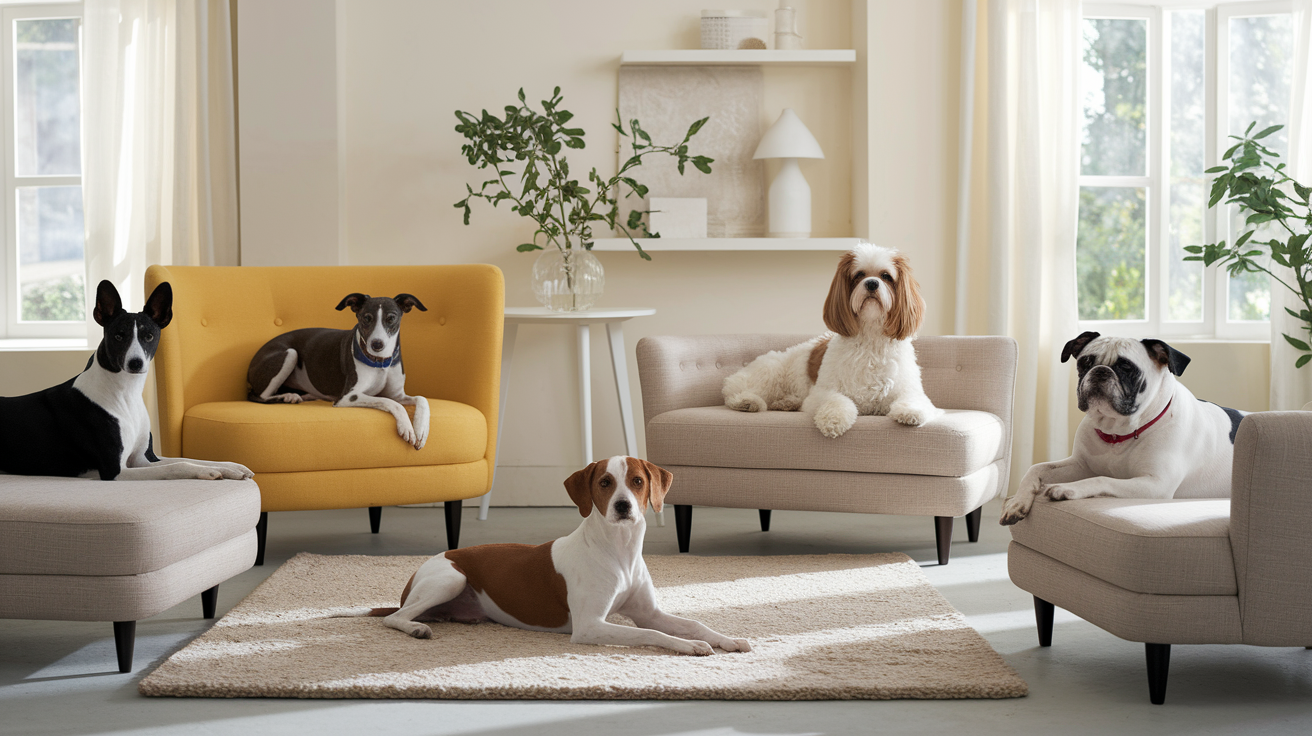
Basenji
The Basenji is famous for not barking. Instead, it makes a yodel-like sound when excited or alert. This breed is independent, smart, and low maintenance when it comes to noise. Basenjis adapt well to apartments but need daily exercise and mental stimulation to prevent boredom. They’re best for experienced owners who can handle a stubborn streak.
Greyhound
Greyhounds are surprisingly good apartment dogs despite weighing 60 to 70 pounds. They’re quiet, low energy indoors, and perfectly happy napping most of the day. A 30 minute walk plus occasional sprints in a secure area are enough. Greyhounds rarely bark and adjust quickly to small spaces as long as they have a soft place to lie down.
Cavalier King Charles Spaniel
This breed is gentle, affectionate, and naturally calm. Cavaliers bark very little and prefer lounging near their people to patrolling the perimeter. They’re good with neighbors, kids, and other pets. Daily walks of 30 to 45 minutes keep them content, and they’re one of the easiest quiet breeds for first-time apartment owners.
Shih Tzu
Shih Tzus are friendly, adaptable, and much quieter than most small companion breeds. They may alert to a knock at the door but won’t continue barking. This breed is affectionate with strangers and good in tight quarters. Grooming is intensive, but their low exercise needs and calm temperament make them ideal for small homes.
Whippet
Whippets are calm, quiet, and low energy indoors. They need two daily walks and occasional opportunities to sprint, but otherwise they’re content curled up on the couch. Whippets rarely bark and are less reactive to apartment sounds than many other sighthounds. They’re a good fit for quiet households and work well in studios or one bedroom units.
Training Methods to Reduce Barking in Any Apartment Dog
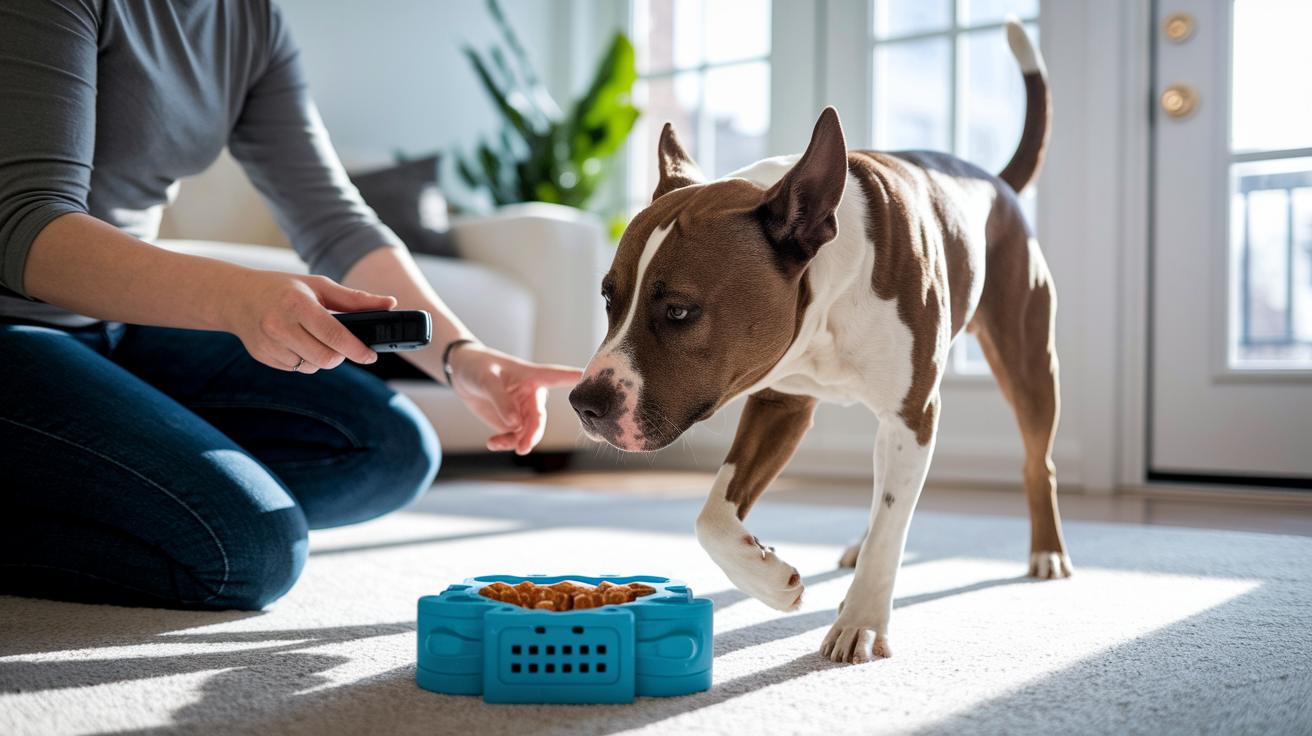
Even naturally quiet dogs can develop barking habits if they’re bored, anxious, or under-stimulated. Training helps prevent nuisance barking and keeps your dog calm whether you’re home or away.
Here’s how to reduce barking through training:
- Reward quiet behavior immediately — Give treats or praise the moment your dog stops barking or chooses not to bark at a trigger.
- Desensitize to common apartment sounds — Play recordings of doorbells, footsteps, and hallway noise at low volume while rewarding calm reactions. Gradually increase volume over several weeks.
- Teach a “quiet” cue — Wait for your dog to stop barking naturally, say “quiet,” then reward. Repeat until the word reliably stops barking.
- Redirect boredom barking with enrichment — Use puzzle feeders, long-lasting chews, and scent games to tire your dog mentally before you leave.
- Build a predictable daily routine — Feed, walk, and play at the same times each day so your dog knows what to expect and stays calm between activities.
Consistency is what makes training stick. Expect 4 to 12 weeks of daily practice before barking drops noticeably. Environmental management also helps. White noise machines, covered crate areas, and scheduled alone-time practice reduce triggers while training takes hold. If barking persists beyond three months, consult a trainer.
Lifestyle & Care Tips for Quiet, Comfortable Apartment Dogs
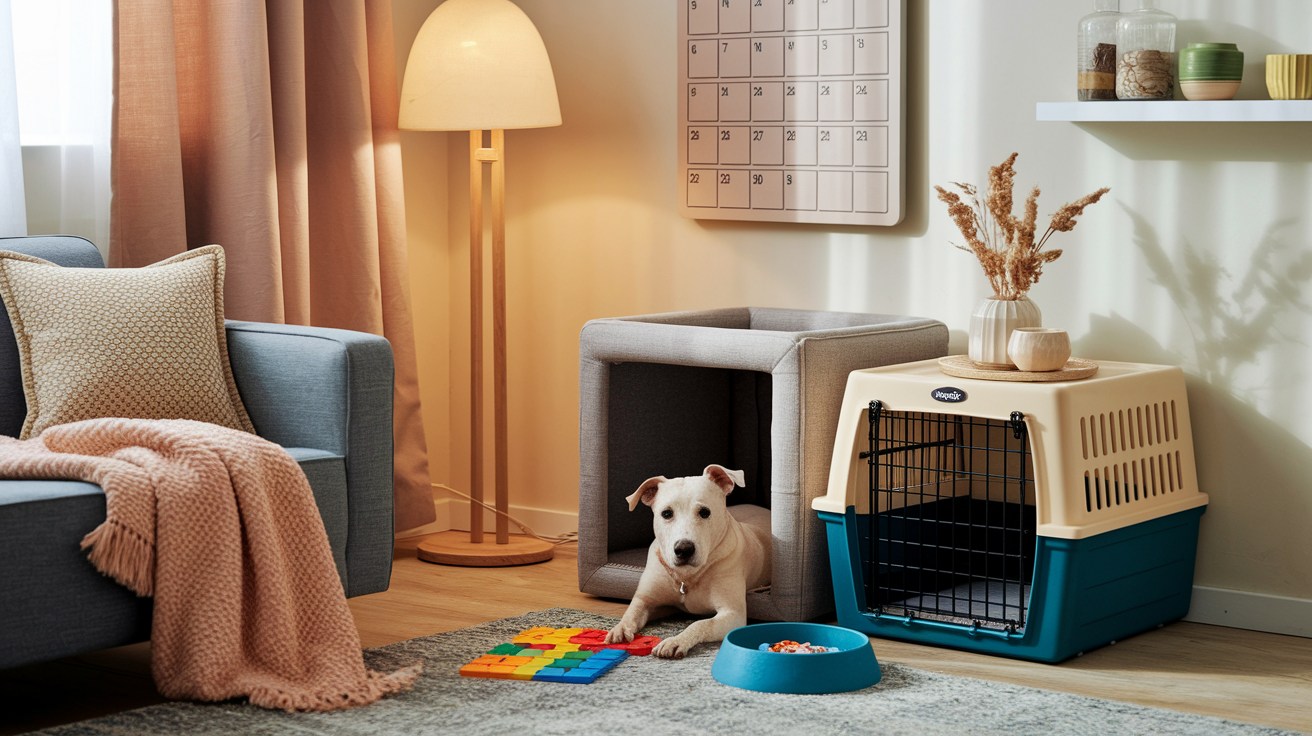
Quiet dogs still need daily exercise, mental work, and a calm environment to stay content in small spaces. The goal is to tire them out just enough so they’re relaxed indoors, not restless or reactive.
Most quiet apartment breeds need 20 to 60 minutes of physical activity per day. Short walks, indoor fetch, or sniffing games in the hallway work well. Mental enrichment is just as important as exercise. Puzzle feeders, hide the treat games, and basic obedience practice keep dogs calm and focused. A dog that’s mentally tired is much less likely to bark out of boredom or frustration.
Key care tips for apartment dogs:
- Stick to a daily routine — Walk, feed, and play at consistent times to reduce anxiety and reactivity.
- Create a quiet rest area — Use a crate, corner bed, or covered space where your dog can retreat when overwhelmed.
- Socialize early and often — Expose your dog to hallway sounds, elevators, and guests in short 5 to 10 minute sessions from 8 weeks onward.
- Avoid long alone periods — Breeds like the Cavalier and Havanese don’t enjoy being alone for more than 4 to 6 hours. Plan for pet-sitters or daycare if you work long shifts.
Calm dogs come from calm environments. Keep your apartment predictable, low stress, and enriched, and your dog will mirror that energy.
Comparison Table: Quiet Breeds and Their Apartment Suitability
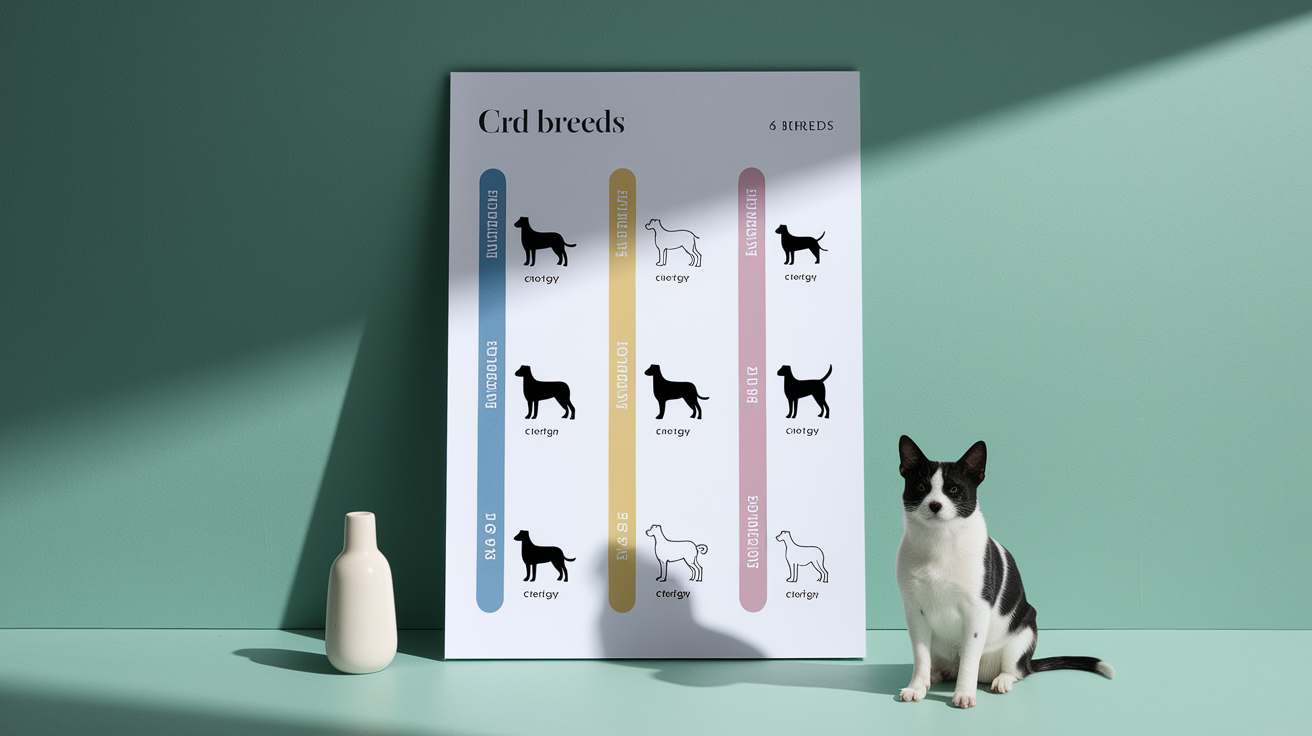
Different quiet breeds have different needs. This table breaks down the most important variables so you can match a breed to your space and schedule.
| Breed | Size | Noise Level | Energy Level | Apartment Suitability |
|---|---|---|---|---|
| Basenji | 22–24 lbs, 16–17 in | Very Low (yodels, no bark) | Moderate | Good; needs daily exercise |
| Greyhound | 65–85 lbs, 26–30 in | Very Low | Low indoors | Excellent; needs floor space |
| Cavalier King Charles Spaniel | 13–18 lbs, 12–13 in | Low | Moderate | Excellent; very adaptable |
| Shih Tzu | 9–16 lbs, 9–10 in | Low | Low | Excellent; small space friendly |
| Whippet | 25–40 lbs, 18–22 in | Very Low | Low indoors | Good; needs sprint opportunities |
Use this table to narrow your shortlist. If you’re in a studio, prioritize small size and low energy. If you have a one bedroom and access to a dog park, medium sized quiet breeds like the Whippet or Greyhound become realistic options.
Final Words
You’ve got a clear list of low-bark breeds and short profiles that show how each one behaves at home. The post walked through the key traits that make dogs apartment-friendly, practical training steps to reduce barking, daily care tips, and a quick comparison to weigh size, grooming, and energy.
If you’re matching a dog to your life, think about walks, quiet spots, and how much training you’ll commit to. Many owners find the right fit among quiet dog breeds for apartments — and that makes apartment life calmer and happier.
FAQ
Q: What is the quietest dog for an apartment?
A: The quietest and calmest dogs for apartments are breeds like the Basenji, Greyhound, Cavalier King Charles Spaniel, Shih Tzu, Whippet, and French Bulldog; they bark little and adapt well to small spaces.
Q: What is the 3 bark rule?
A: The 3-bark rule is a simple guideline: let a dog bark up to three times before calmly intervening, which helps avoid rewarding nonstop barking and teaches quieter responses with consistent training.
Q: What is the no. 1 lazy dog?
A: The no. 1 lazy dog is often considered the Greyhound — a surprising couch potato that rests much of the day; English Bulldogs and Basset Hounds are also commonly labeled very low-energy.