
Think you can’t keep a dog in an apartment because you work full time?
The truth is some breeds welcome 4–8 hours alone and stay calm, quiet, and tidy.
If you want a dog that treats alone time like bonus nap time, independence matters more than cuteness.
This post names breeds that do well, explains realistic daily routines and midday help, and points out the trade-offs: exercise, grooming, noise, and health watch-outs, so you can decide whether a particular dog fits your schedule.
By the end you’ll know which dogs are practical for a 9-to-5 life, and which to skip.
Key Traits That Make the Best Apartment Dogs for Busy Professionals
The right apartment dog for a working professional can handle 4–8 hours alone without tearing up your couch, setting off the neighbors, or spiraling into panic mode. Independence matters more than anything else. You’re not looking for a velcro dog that falls apart the second you grab your keys. You need a breed that treats alone time like bonus nap time.
Energy level comes next. High-drive working breeds like Border Collies or Australian Shepherds need 2+ hours of daily activity and constant mental puzzles. If you’re gone nine hours and wiped out when you get home, that’s a disaster waiting to happen. Low to moderate energy dogs are content with 15–45 minutes of exercise split between morning and evening. That fits the reality of a 9-to-5 schedule. Size matters less than temperament, but smaller and medium dogs (under 40–50 pounds) usually adapt more easily to tight spaces. Grooming’s another practical filter. Short coated breeds that need only weekly brushing and a bath every couple of months save time and money compared to breeds requiring professional grooming every 4–6 weeks.
Here’s what you’re screening for:
Independence: Can tolerate 4–8 hours alone once trained, without separation anxiety or destructive chewing.
Low to moderate energy: Needs 15–45 minutes of daily exercise, not 2+ hours of intense activity.
Quiet temperament: Low barking tendency to avoid neighbor complaints and lease violations.
Small to medium size: Generally under 50 pounds, easier to manage in elevators, tight hallways, and small living rooms.
Low grooming needs: Weekly brushing and infrequent salon visits. Short coats preferred.
Apartment tolerant personality: Calm indoors, not prone to zoomies or reactivity to hallway noises.
Top Apartment-Friendly Dog Breeds for Working Professionals
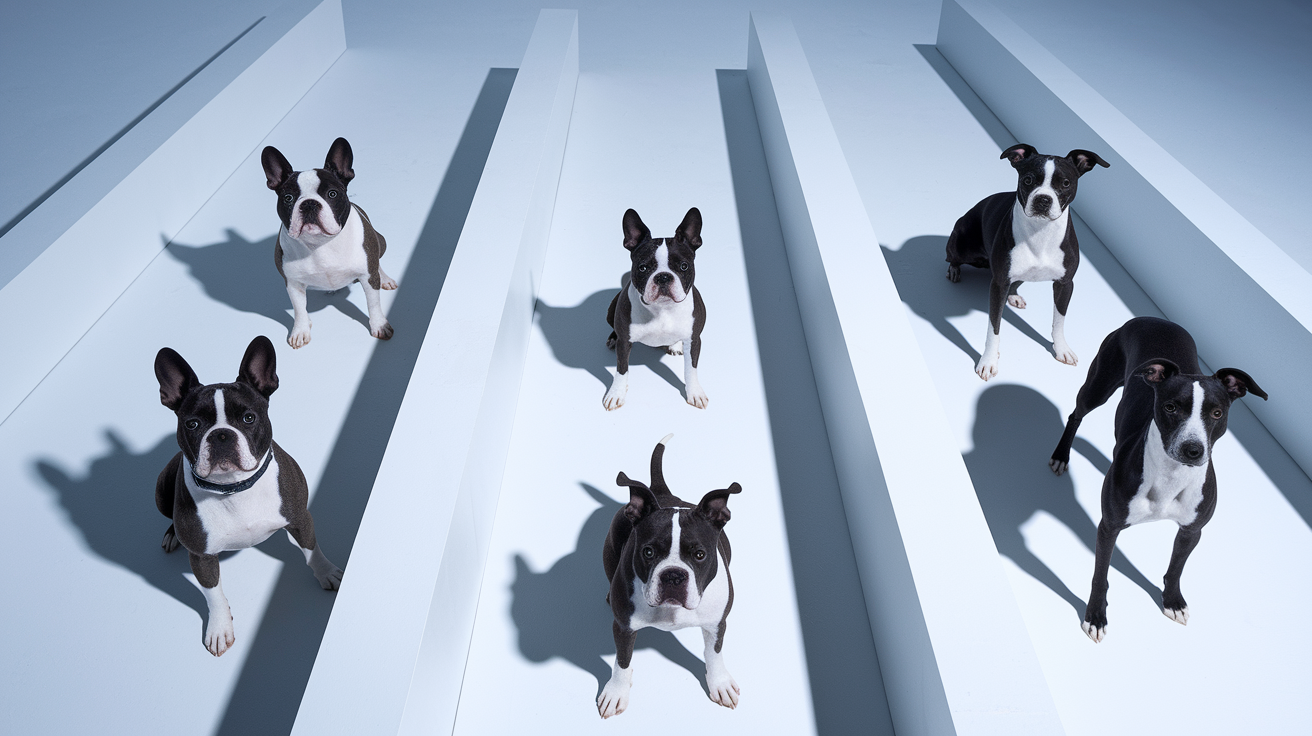
The best apartment dogs for busy schedules fall into three groups. Low-maintenance short coat breeds that are calm indoors. Independent quiet breeds that tolerate long stretches alone. And small companion breeds that adapt well but may need extra grooming or attention.
Low-maintenance short coat breeds are the easiest fit. French Bulldogs (16–28 pounds, 20–30 minutes of exercise per day) are easygoing, quiet, and don’t demand constant interaction. Boston Terriers (12–25 pounds, 20–40 minutes daily) are smart and adaptable with minimal grooming. Pugs (14–20 pounds, 20–30 minutes) are friendly couch companions that need only light brushing. English Bulldogs (40–50+ pounds, 15–30 minutes) are surprisingly low energy for their size but require fold care and heat monitoring. Chihuahuas (2–10 pounds, 15–25 minutes) are independent, long lived, and can handle being left alone. Consider adopting two if you’re regularly gone eight hours, as they bond well in pairs and experience less loneliness.
Independent quiet breeds tolerate alone time exceptionally well. Greyhounds (60–70+ pounds) are large but sleep up to 20 hours a day and need only short bursts of exercise. That’s 20–40 minutes daily with occasional sprints. Whippets (25–45 pounds, 20–40 minutes) are medium sized sighthounds with the same calm indoor energy. Basenjis (22–24 pounds, 30–60 minutes) are intelligent, very low barking dogs that yodel instead of bark and handle 5–8 hours alone if given mental stimulation. Italian Greyhounds (7–14 pounds, 20–30 minutes) are toy sized sighthounds with low noise and excellent alone tolerance.
Small companion breeds are affectionate but come with trade-offs. Cavalier King Charles Spaniels (13–18 pounds, 20–40 minutes) are gentle and adaptable but prone to separation anxiety. Best for hybrid schedules or if you can arrange midday visits. Bichon Frises, Maltese, and Shih Tzus (7–20 pounds, 20–40 minutes) are adaptable lap dogs but require grooming every 4–8 weeks and brushing several times a week. If you work from home part time or have flexibility, these breeds offer excellent companionship.
French Bulldog: Quiet, low energy, minimal grooming, good for strict 9-to-5 schedules.
Boston Terrier: Smart, compact, easy to train, low grooming, moderate energy.
Greyhound: Surprisingly calm indoors despite size, very low barking, excellent alone tolerance.
Whippet: Medium sized sighthound, quiet, independent, minimal grooming.
Basenji: Very low barking (yodels), intelligent, handles alone time well with enrichment.
Pug: Small, friendly, low exercise and grooming needs, ideal for busy owners.
Chihuahua: Long lived, independent, small, consider two if alone 8+ hours.
Italian Greyhound: Toy sized, low noise, calm, minimal grooming.
Cavalier King Charles Spaniel: Gentle and adaptable but needs more social time. Better for WFH schedules.
Bichon Frise / Maltese / Shih Tzu: Affectionate, adaptable, but require regular grooming.
Breed Comparison Guide for Apartment Dogs and Busy Schedules
Choosing between breeds comes down to matching grooming load, exercise time, and alone time capacity to your actual schedule. The table below compares eight popular apartment breeds on the factors that matter most when you’re working full time.
| Breed | Size (Weight) | Exercise (min/day) | Alone-Time Tolerance | Grooming Level |
|---|---|---|---|---|
| French Bulldog | 16–28 lb | 20–30 | 4–6 hours | Low (weekly brush) |
| Boston Terrier | 12–25 lb | 20–40 | 4–6 hours | Low (weekly brush) |
| Greyhound | 60–70 lb | 20–40 | 6–8 hours | Low (minimal brushing) |
| Whippet | 25–45 lb | 20–40 | 6–8 hours | Low (minimal brushing) |
| Basenji | 22–24 lb | 30–60 | 5–8 hours | Low (minimal brushing) |
| Chihuahua | 2–10 lb | 15–25 | 4–6 hours | Low (short coat) |
| Pug | 14–20 lb | 20–30 | 4–6 hours | Moderate (fold care) |
| Cavalier King Charles Spaniel | 13–18 lb | 20–40 | 4–5 hours (prone to anxiety) | Moderate (brush 2–3×/week) |
Greyhounds and Whippets rank highest for calm independence and minimal grooming despite their size. Chihuahuas and Boston Terriers excel in small spaces and require the least daily exercise. Cavaliers are affectionate but need more social interaction and grooming. French Bulldogs and Pugs balance low energy with minimal grooming but come with heat sensitivity and potential breathing issues. Avoid strenuous exercise and hot weather.
Daily Care Routines for Apartment Dogs When You Work Full-Time
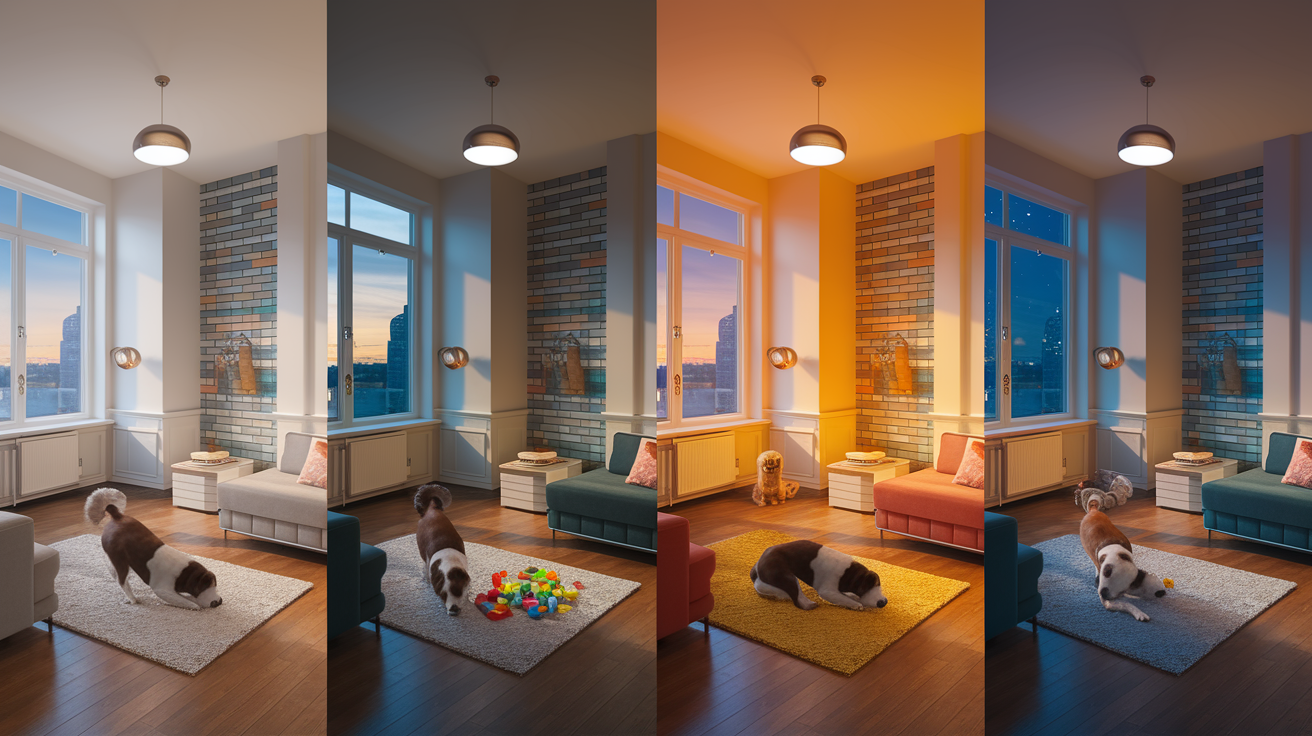
A realistic daily routine for a full time office worker starts with a 20–30 minute morning walk and potty break before you leave. This handles the dog’s bathroom needs and burns off enough energy to settle for the morning. Midday is the critical break. Most dogs benefit from a 30 minute dog walker visit around lunchtime, especially if you’re gone eight hours or more. If you can’t arrange that daily, aim for at least three midday visits per week and use enrichment toys to cover the gap on other days.
Evening is your second exercise window. Plan 30–45 minutes for a walk, play session, or trip to a nearby park. Follow that with a 10–15 minute training session. Basic commands, tricks, or puzzle games. This combination tires the dog mentally and physically and prevents destructive behavior. Feed your dog twice daily, once in the morning before work and once in the evening after exercise. Consistent meal timing helps regulate potty schedules.
Here’s a step by step weekday schedule:
6:30–7:00 AM: Morning potty walk, 20–30 minutes, followed by breakfast.
7:30 AM: Leave for work. Dog settles in crate or safe area with a chew toy or puzzle feeder.
12:00–12:30 PM: Midday dog walker arrives for 30 minute potty and play break.
5:30–6:15 PM: Return home. Evening walk or play session, 30–45 minutes.
6:30 PM: Dinner for the dog, followed by 10–15 minutes of training or puzzle work.
10:00 PM: Final quick potty break before bed.
Midday Solutions: Dog Walkers, Daycare, and Pet Sitters for Apartment Dogs
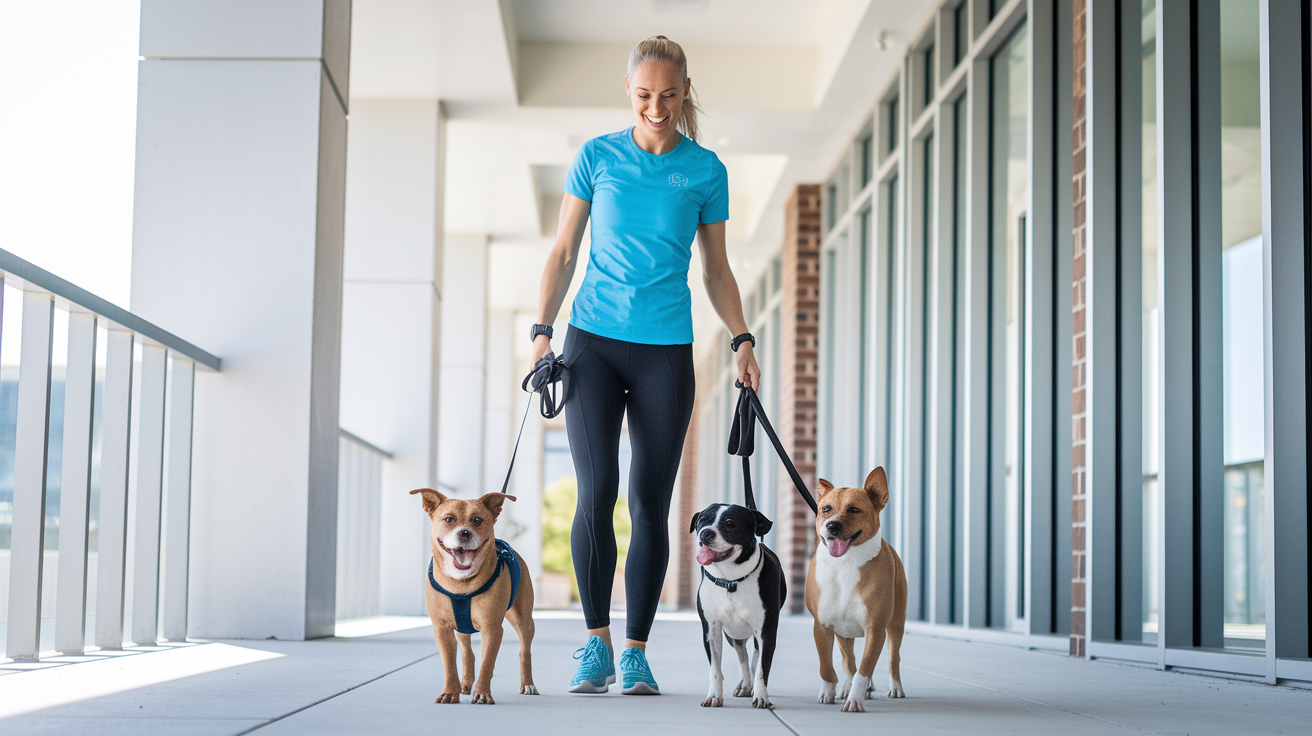
If you’re working in an office five days a week, midday help isn’t optional for most dogs. It’s part of responsible ownership. A dog walker typically costs $15–30 per 30 minute visit and handles potty, exercise, and a bit of companionship. This works well for low to moderate energy breeds that just need a break in the day. Pet sitters charge $25–50 per hour and offer longer visits, feeding, medication, and more personalized care. Dog daycare runs $20–40 per day and is the best choice for high energy or highly social dogs. Plan on two to three days per week if your dog needs more stimulation than a solo walk provides.
Match the service to your dog’s temperament and energy level. Independent, calm breeds like Greyhounds or French Bulldogs do fine with a quick walker visit. More social or active dogs like Boston Terriers or Cavaliers benefit from daycare or longer sitter visits. Younger dogs and puppies need more frequent breaks and benefit from daycare socialization during their first year.
Dog walker: Best for independent, lower energy dogs. Handles potty and short exercise. Cost effective for daily use.
Pet sitter: Better for dogs needing medication, longer interaction, or multiple daily tasks. Flexible timing.
Dog daycare: Ideal for social, energetic dogs. Provides all day supervision and play. 2–3 days/week typical.
Hybrid routine: Combine a walker on some days and daycare on others to balance cost and socialization needs.
Grooming and Health Considerations for Apartment-Friendly Breeds
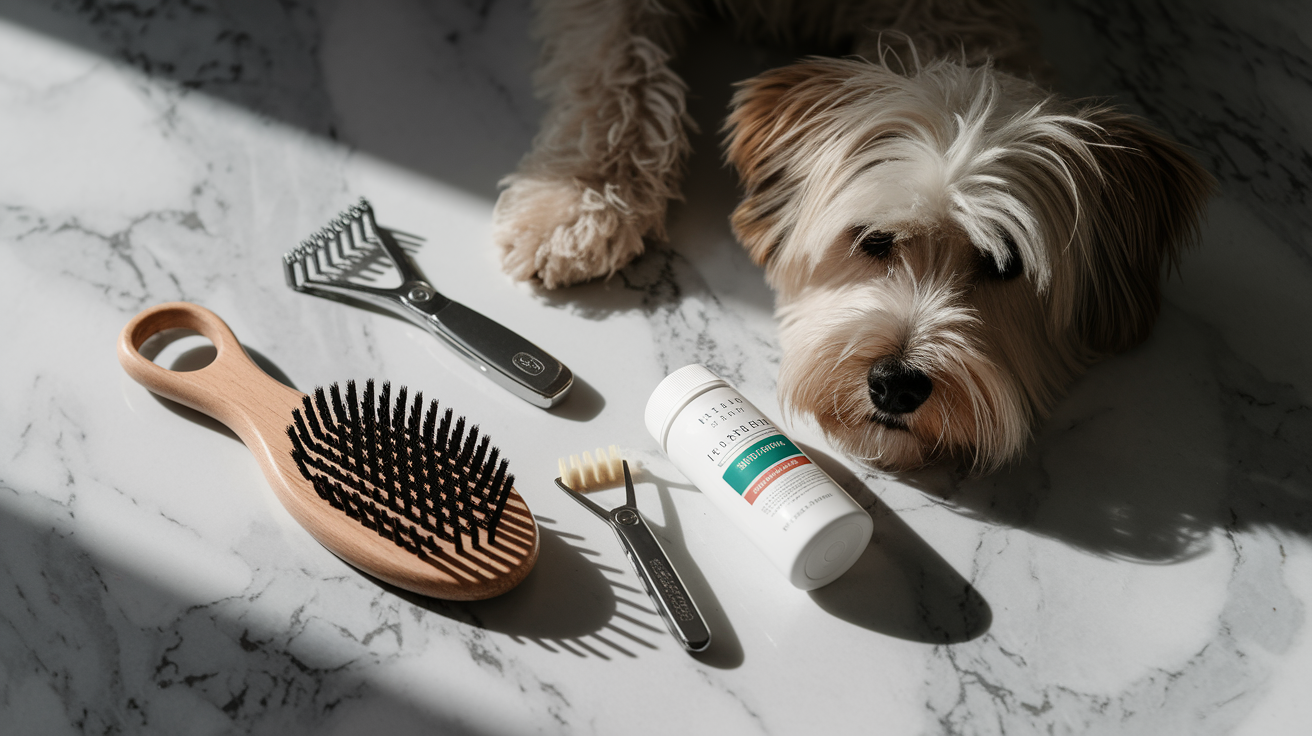
Short coated breeds like French Bulldogs, Pugs, and Boston Terriers need weekly brushing to control shedding and a professional bath or grooming session every 8–12 weeks. Expect to pay $30–70 per visit. At home, a five minute brush once a week and regular nail trims keep maintenance low. Long coated or hypoallergenic breeds like Bichon Frises, Maltese, and Shih Tzus require brushing three times a week to prevent mats and salon grooming every 4–6 weeks at $50–120 per visit. If grooming feels like a chore you’ll skip, stick with short coated dogs.
Health predispositions matter for apartment living. Brachycephalic breeds (French Bulldogs, Pugs, English Bulldogs) have short noses that make breathing harder, especially in heat or during exercise. Avoid hot weather walks and never leave them in warm cars. Watch their weight closely, as extra pounds worsen breathing trouble. Apartment dogs also need regular dental care since small breeds are prone to dental disease. Plan on brushing teeth several times a week or using dental chews, and budget for annual vet cleanings.
Flea and tick prevention is necessary even in urban apartments, as pests hitch rides in elevators and stairwells. Use monthly preventatives year round and check your dog after any outdoor time in grassy areas or parks.
Potty Training and Indoor Bathroom Solutions for Apartment Dogs
Puppies need potty breaks every 2–4 hours, which means you can’t leave them alone for a full workday without help. Expect the first two to three months to require either a midday visit or indoor potty solutions. Adult dogs can hold their bladder for 6–8 hours, but many benefit from a midday break to avoid accidents and discomfort.
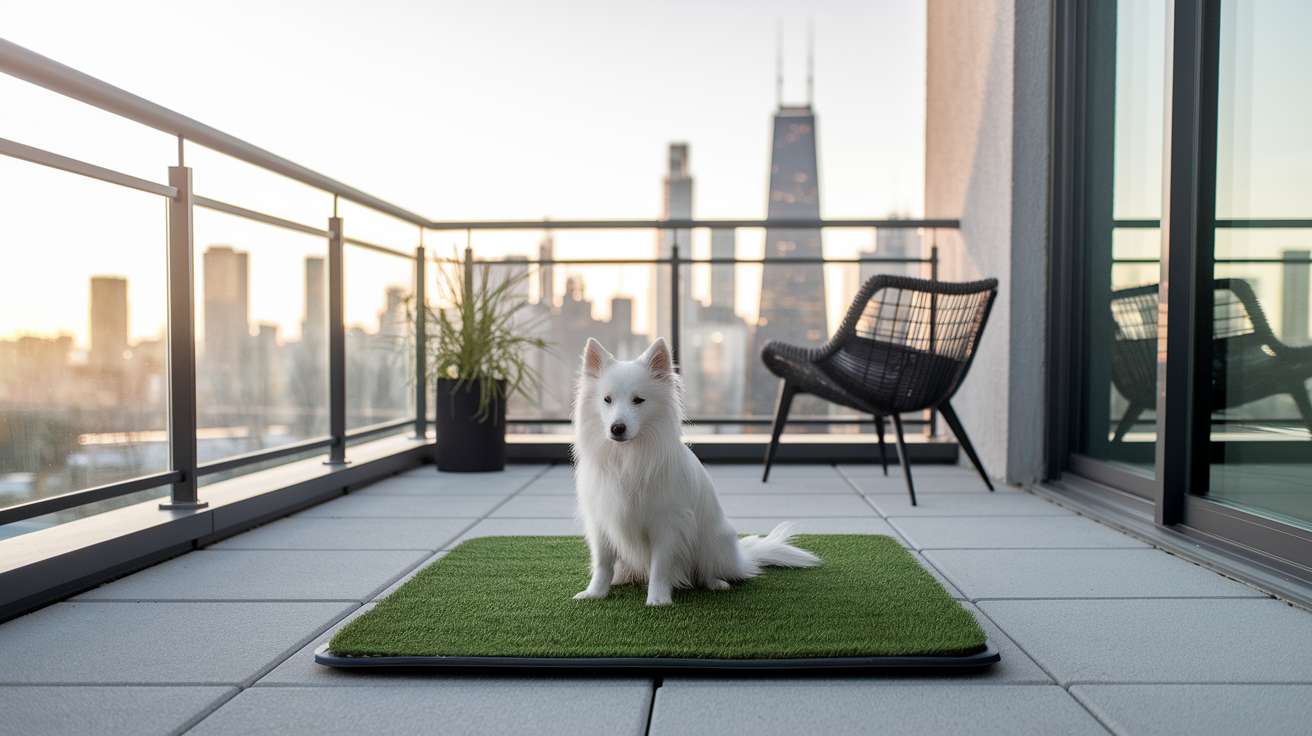
Indoor potty options work when outdoor access is limited or during bad weather. Puppy pads are inexpensive but can confuse dogs about where it’s acceptable to go. Indoor turf systems ($30–120) mimic grass and help dogs generalize outdoor potty training. Balcony turf setups work if you have access and can clean them daily. Train indoor potty use by taking the dog to the spot immediately after meals, naps, and play sessions, and reward successful bathroom breaks with treats and praise.
Real grass patches or turf systems: Best for balconies or dedicated indoor spots. Easier to transition outdoors later.
Disposable pee pads: Convenient but may create confusion about acceptable surfaces. Use only as a temporary solution.
Scheduled potty breaks: Take puppies out every 2–3 hours. Adult dogs every 6–8 hours minimum.
Crate training support: Dogs naturally avoid soiling their crate. Use appropriately sized crates to reinforce bladder control during alone time.
Choosing Between a Puppy or Adult Dog as a Working Professional
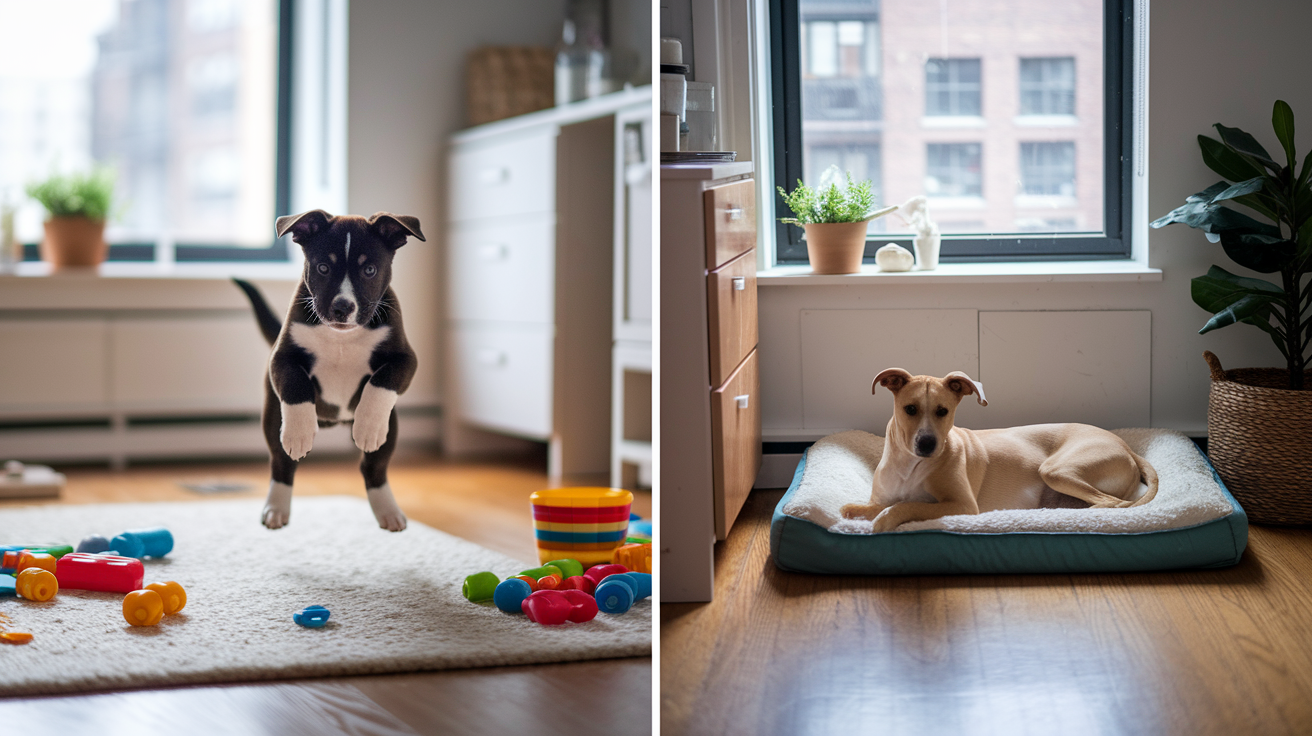
Adult dogs are the smarter choice for most working professionals. They’re calmer, housetrained, and can tolerate 6–8 hours alone with minimal adjustment. You skip the exhausting puppy phase. Frequent potty accidents, chewing everything, constant supervision, and socialization demands. Adult dogs from shelters or rescues often come with known temperaments, and many have already lived in apartments. You’ll know quickly whether the dog handles alone time, noise, and your schedule.
Puppies require 1–2 years of intensive work. For the first few months, they need potty breaks every 2–4 hours, which means hiring midday help or taking time off. Socialization is critical in the first 16 weeks, requiring daily exposure to new people, environments, and sounds. Puppies chew, bark, and test boundaries constantly. If you’re working full time and can’t arrange flexible hours or extensive midday support, a puppy will be overwhelming. The trade-off is you shape the dog from the start and build the bond early.
If you do choose a puppy, plan for at least three months of midday care or a very flexible work from home arrangement. Budget extra for training classes, puppy proofing, and replacing anything they destroy. Be realistic. Puppies are a second job for the first year. Adult dogs let you skip straight to companionship and routine.
Smart Gear and Tech That Makes Apartment Dog Ownership Easier
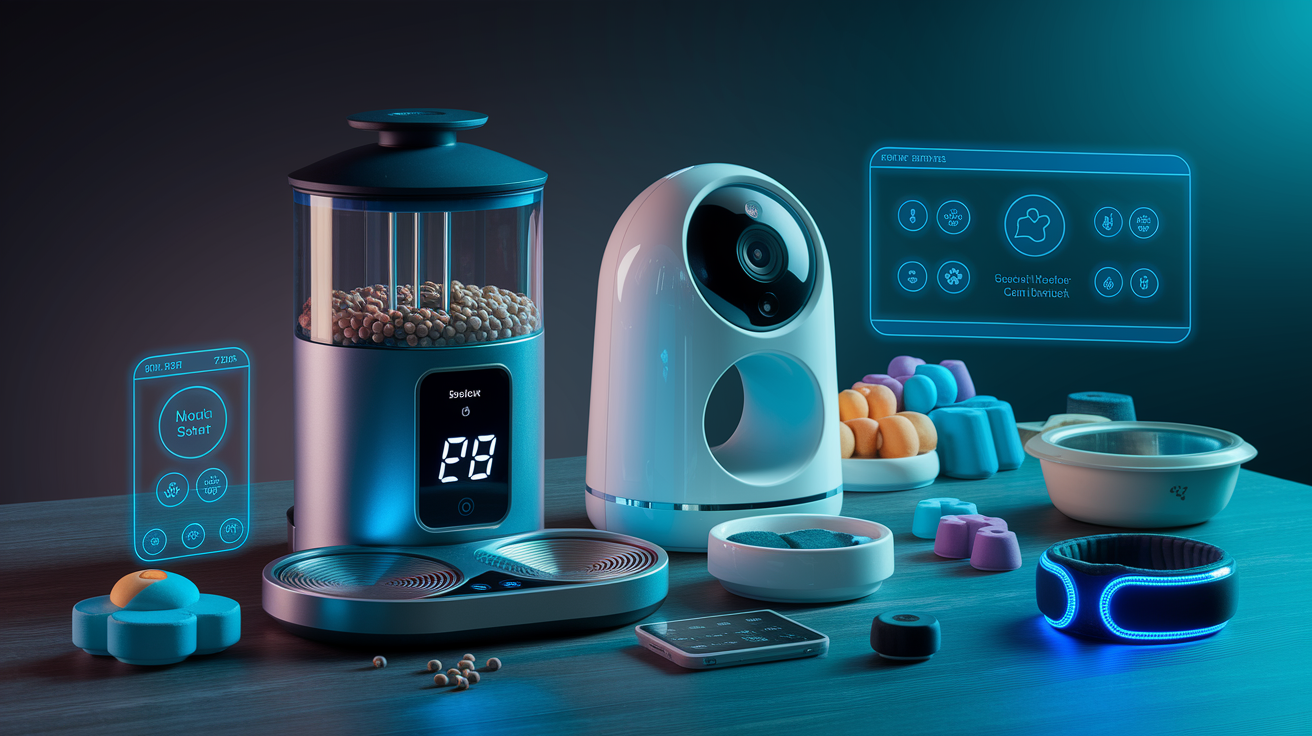
Automated feeders and treat dispensing cameras extend your dog’s comfort during alone time. Cameras with two way audio and treat release functions let you check in, talk to your dog, and reward calm behavior remotely. Brands like Furbo or Petcube run $100–250 and reduce guilt on long workdays. Automated feeders ($30–150) dispense meals on schedule, useful if your commute runs late or you travel frequently.
Puzzle toys and slow feeders turn mealtime into 20–90 minutes of mental work. KONG toys stuffed with frozen peanut butter or kibble keep dogs occupied and reduce boredom driven destruction. Puzzle feeders that require the dog to slide pieces or flip compartments engage their brain and tire them out without physical exercise. Rotate toys weekly so they stay interesting.
Pet cameras with treat dispensers: Monitor behavior, offer reassurance, and reward calmness remotely. Ideal for anxious dogs or first time owners.
Automated feeders: Maintain feeding schedules even when you’re delayed. Portion control prevents overfeeding.
Interactive puzzle toys and slow feeders: Extend eating time and provide mental stimulation. Reduce boredom and destructive chewing during alone hours.
Apartment Living Considerations: Landlord Rules, Safety, and Space Setup
Before you adopt, confirm your building’s pet policy in writing. Many landlords restrict breed, size, or weight. Common limits are 25, 40, or 50 pounds. Some ban “aggressive” breeds, a list that often includes Pit Bulls, Rottweilers, and German Shepherds regardless of individual temperament. Noise complaints can result in lease violations, so choose a low barking breed and manage any reactivity through training. Expect to pay a pet deposit ($200–500) and monthly pet rent ($25–75).
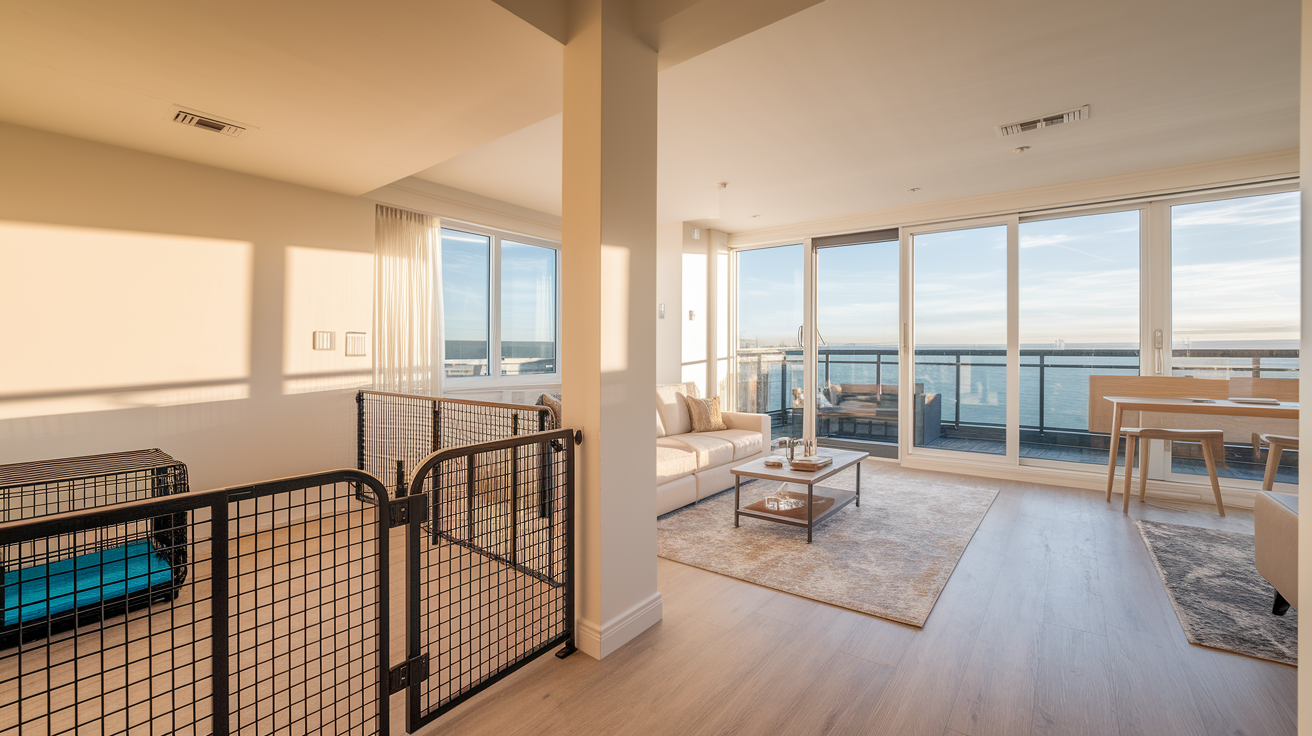
Dog proof your apartment before the dog arrives. Secure balcony railings with mesh or barriers if gaps are wide enough for small dogs to slip through. Block access to electrical cords, toxic plants, and cleaning supplies. Use baby gates to limit the dog to safe rooms while you’re gone. Anchor heavy furniture and remove breakables from low surfaces during the first few weeks.
Set up a designated space with a crate, bed, water bowl, and toys. Crate training provides a safe den and prevents destructive behavior when you’re out. Size the crate so the dog can stand, turn around, and lie down comfortably. 18–22 inches for small dogs, 24–30 inches for medium, 36–42 inches for large. Add a non slip mat under food and water bowls to protect floors.
Read and document the pet policy: Get breed, weight, and deposit details in writing before adopting.
Secure balconies and windows: Use mesh barriers or keep doors closed. Small dogs and puppies can slip through railings.
Designate a dog zone: Set up crate, bed, food, and water in a quiet corner away from heavy foot traffic.
Puppy proof or dog proof the space: Hide cords, remove toxic plants, block off unsafe rooms with gates.
Prepare for potty training: Stock pee pads or indoor turf, enzymatic cleaner, and establish a consistent outdoor route and schedule.
Adoption Guidance for Choosing the Right Apartment Dog
Rescue dogs and shelter adults often make better apartment pets than puppies, especially for first time owners or busy professionals. Adult dogs come with known temperaments. You’ll see how they handle alone time, noise, and strangers during a shelter meet and greet or foster period. Many urban shelters have dogs that already lived in apartments and are accustomed to elevators, hallway sounds, and limited outdoor space. Foster to adopt programs let you trial compatibility for a few weeks before committing, which removes much of the guesswork.
When you visit a shelter or rescue, ask specific questions. How does the dog behave when left alone? Has it lived in an apartment before? What’s its energy level and exercise history? Does it bark at noises or react to other dogs in tight spaces? Request a meet and greet in a quiet room where you can observe the dog’s baseline temperament, not just its kennel stress. If possible, take the dog for a short walk to see how it handles leash manners and urban stimulation.
Ask about the dog’s history with alone time: Separation anxiety and destructive behavior are harder to fix than to avoid. Prioritize dogs that have successfully lived with working owners.
Request a behavior evaluation or foster trial: Many rescues provide temperament testing. Foster to adopt lets you confirm apartment fit before finalizing.
Inquire about prior living situations: Dogs with apartment experience adapt faster. Ask whether the dog is housetrained, crate trained, and comfortable with typical city noises like sirens and construction.
Final Words
If you’re juggling a 9–5 and a small space, prioritize a dog that can handle 4–8 hours alone, needs 15–45 minutes of exercise, and won’t be noisy or high-maintenance.
This guide walked through core traits, top breed picks, comparisons, daily routines, midday care, grooming, potty solutions, tech, landlord rules, and adoption questions.
Use the checklist to narrow choices, try fostering if possible, and plan a weekday routine before you bring a dog home.
With realistic prep, apartment dogs for working professionals can fit your life and bring a lot of joy.
FAQ
Q: What is the best apartment dog for full time workers? / What is the best dog for office workers?
A: The best apartment dog for full-time or office workers is a small-to-medium, quiet, low-energy dog that tolerates 4–8 hours alone, needs short daily walks, and low grooming—examples: Frenchie, Whippet, Chihuahua.
Q: What is the 3-3-3 rule with dogs?
A: The 3-3-3 rule with dogs means: first 3 days are overwhelming for a new dog, first 3 weeks build routine and trust, and first 3 months are key for training and socialization.
Q: What is the 7 7 7 rule for dogs?
A: The 7 7 7 rule for dogs is a loose assessment timeline: 7 days to settle in, 7 weeks to notice consistent habits, and 7 months to judge long-term behavior and compatibility.