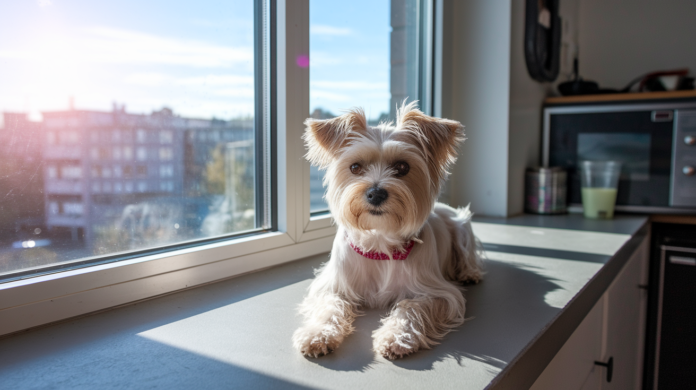

Can you have a dog in an apartment and leave it alone all day? Short answer: yes—if you pick the right breed and set up a routine. Look for low-energy, quiet, independent dogs; size doesn’t guarantee success. This post lists breeds that often tolerate 4–6 hours alone, breaks down the exercise and mental play they need, and gives step-by-step training to prevent barking or chewing, so you can choose a dog that fits your workday without surprises. Don’t underestimate the pre-walk and gradual alone-time training.
Best Dog Breeds Suited for Apartments and Staying Home Alone
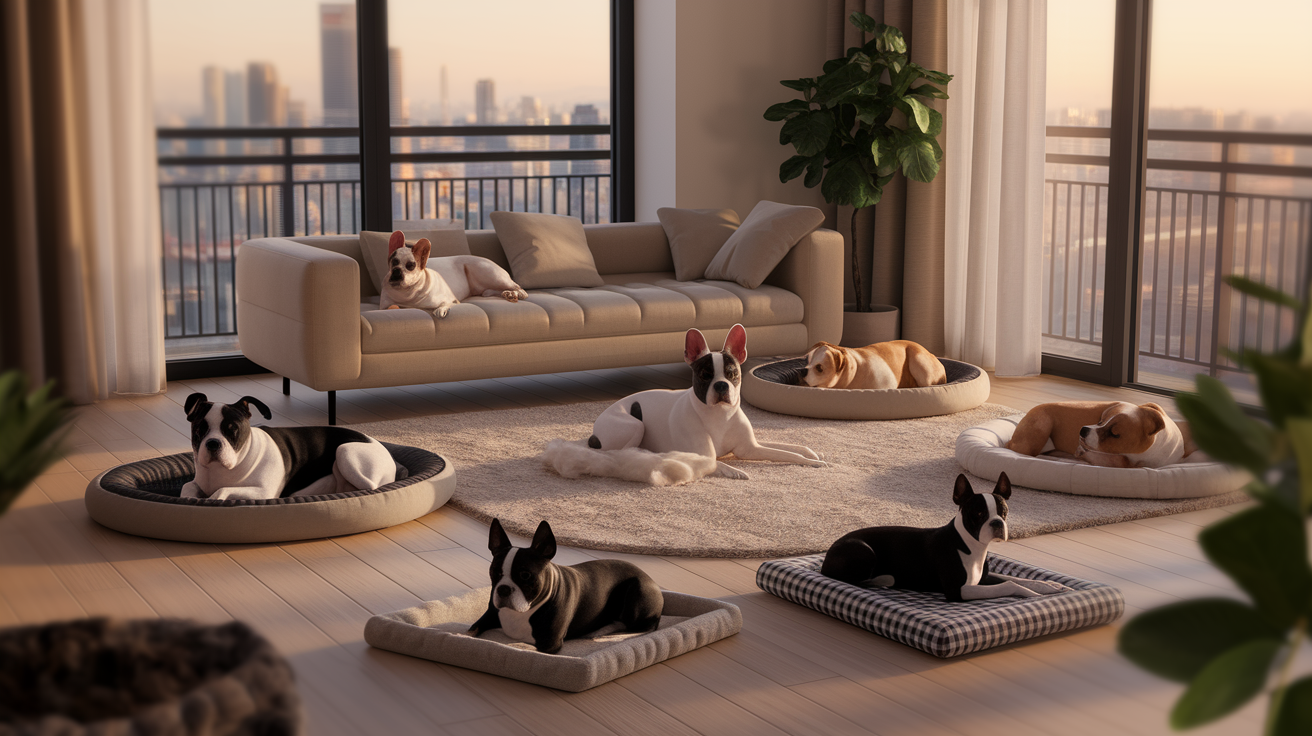
Not every dog needs a backyard or constant company to be happy. Some breeds actually prefer their own space, sleep most of the day, and stay totally calm when you’re gone for work. If you’re in an apartment and need a dog that won’t lose it during a normal workday, these breeds give you the best mix of low exercise needs, quiet temperament, and independent streak.
Size doesn’t guarantee anything. A small dog with separation anxiety can wreck your place worse than a big, chill breed that naps for hours. What actually matters is energy level, noise tolerance, and whether the dog can handle being alone for four to six hours without falling apart.
The breeds below have solid track records in small spaces and manage alone time without tearing up furniture or barking nonstop. Each brings a different combo of size, energy, and personality, so you can find one that fits your space and schedule.
Top apartment dogs that handle being left alone:
- Basset Hound – Low energy, sleeps constantly, rarely bothered by alone time.
- French Bulldog – Compact, quiet, perfectly happy resting on your couch for hours.
- Shiba Inu – Independent and aloof, entertains itself without needing you around.
- Greyhound – Big but calm indoors, sleeps up to 18 hours daily.
- Cavalier King Charles Spaniel – Easygoing and adaptable, handles routine alone time with proper setup.
- Miniature Schnauzer – Alert but not clingy, does fine with a predictable schedule.
- Boston Terrier – Small, low maintenance, adjusts fast to apartment life.
- Chihuahua – Tiny, portable, fine being alone if you train early and give them a safe spot.
These breeds share traits that make apartment life work. They’ve got moderate to low exercise needs, so a walk or two usually covers it. Most are naturally quiet or trainable enough not to bark at every noise. And they’re independent, meaning they won’t shadow you constantly or freak out when you grab your keys. That combo of calm energy, low noise, and self sufficiency is what makes tight spaces and solo hours doable.
Key Traits That Make a Dog Suitable for Apartment Living

Temperament beats size every time when you’re picking an apartment dog. A naturally calm, adaptable dog that’s comfortable with routine will settle into small spaces without drama. Breeds developed to work independently (guarding livestock alone, hunting at a distance) often handle solitude better than dogs bred as constant companions. Look for descriptions like “aloof,” “independent,” or “low key” because those words usually mean a personality that won’t spiral when you leave.
Noise is the biggest apartment dealbreaker. A dog that barks at hallway footsteps, delivery trucks, or neighbor dogs will create landlord and neighbor problems fast. Breeds with low barking tendencies (Basenjis, Greyhounds, French Bulldogs) are safer choices. If a breed’s known to be “alert” or “territorial,” that typically means more vocal behavior, which means extra training work to keep them quiet. Some bark from anxiety, others from boredom. Either way, it becomes your headache in a shared building.
Energy level determines how much exercise and stimulation a dog needs to stay calm indoors. High energy dogs stuck in apartments without enough activity will find their own entertainment, usually involving your furniture or security deposit. Low to moderate energy breeds (Basset Hounds, Cavaliers, Bulldogs) are content with a morning walk and then rest most of the day. They don’t need constant mental challenges or hours of playtime to stay balanced. Makes them way easier to manage when you’re working full days and can’t provide midday excitement.
Understanding How Long Different Breeds Can Be Left Alone

Most adult dogs can handle four to six hours alone without problems, but breed temperament and age make a huge difference. Independent breeds like Shiba Inus, Basenjis, and Greyhounds often tolerate up to eight hours if they’ve been trained properly and exercised beforehand. Dogs with clingy or anxious tendencies (some toy breeds, herding dogs) may struggle after just two or three hours. There’s no magic number, but six hours is a realistic daily max for most apartment dogs without adding a midday walker.
Factors affecting how long a dog can be left alone:
- Age – Puppies need bathroom breaks every two to three hours. Seniors may have similar limits because of bladder control.
- Breed independence – Aloof breeds handle solitude better than companion focused breeds.
- Training history – Dogs conditioned gradually to alone time cope better than dogs suddenly left alone.
- Exercise before departure – A tired dog is a calm dog. Under exercised dogs get restless and destructive.
- Health and anxiety levels – Dogs with separation anxiety or medical conditions need shorter alone periods.
Puppies under six months should never be alone longer than their age in months plus one hour. So a three month old can manage about four hours max, and that’s pushing it. Adult dogs in their prime (two to seven years old) have the best alone time tolerance if they’re healthy and well trained. Senior dogs often need more frequent potty breaks and may develop anxiety as they age, so their comfortable alone window shrinks back to four hours or less. If your dog’s very young, very old, or showing stress signs, plan for a dog walker or daycare instead of stretching their limits.
Exercise and Mental Enrichment Needs for Apartment Dogs
Even low energy apartment dogs need daily exercise to stay healthy and calm. Most breeds on this list do fine with 20 to 40 minutes of walking per day, split between morning and evening. That’s enough to burn energy, handle bathroom needs, and provide scenery change. Breeds like Basset Hounds and French Bulldogs can get by on the lower end. Miniature Schnauzers and Boston Terriers usually want the full 40 minutes. Skip walks for a few days and you’ll see restlessness, weight gain, and behavioral problems, even in naturally calm dogs.
Indoor play becomes more important in apartments because you don’t have a yard backup. Short hallway fetch games, tug of war with a rope toy, or hide and seek with treats can burn energy in 10 to 15 minutes without leaving your unit. These quick sessions are especially useful on bad weather days or when you’re short on time. The goal isn’t exhausting the dog. It’s giving them something to do besides stare at the door.
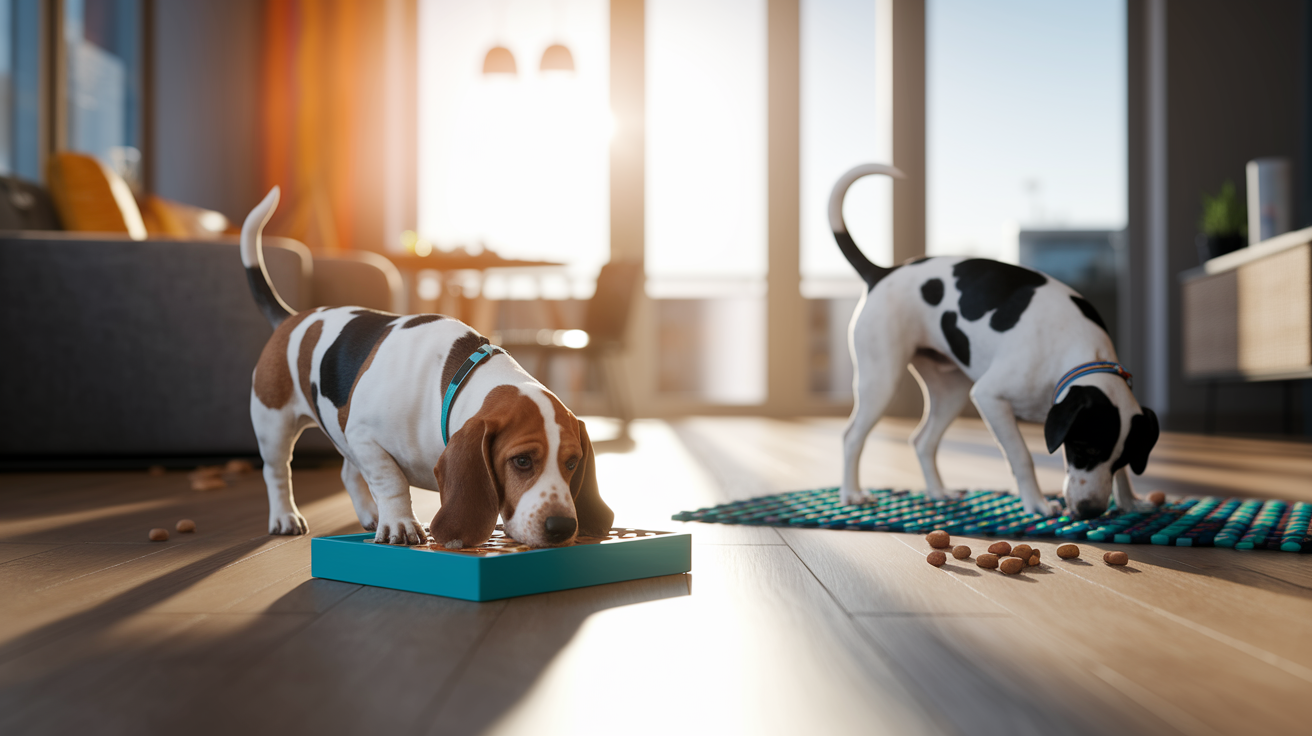
Mental enrichment keeps a dog’s brain busy when their body’s resting. Puzzle feeders that make them work for kibble, frozen KONGs stuffed with peanut butter, or snuffle mats that hide treats in fabric can occupy a dog for 20 to 60 minutes. Rotate toys every few days to keep them interesting. Scent games (hiding treats around the apartment and letting the dog search) tap into natural instincts and tire them out mentally. A dog that’s mentally stimulated before you leave is way less likely to get bored and destructive while you’re gone.
Training Methods That Help Dogs Stay Calm When Left Alone

The key to successful alone time is gradual conditioning. Dogs aren’t born knowing how to handle an empty apartment. They learn through repeated, positive experiences that being alone is safe and temporary. Rushing the process by leaving a new dog alone for eight hours on day one usually backfires into anxiety, barking, or destruction. Start small and build slowly.
Crate Training Basics
A crate becomes a safe den when you introduce it correctly. Start by feeding your dog meals inside the crate with the door open, so they associate it with good things. Toss treats in randomly throughout the day, always keeping the door open at first. Once the dog enters willingly, close the door for a few seconds while you’re still in the room, then immediately open it and reward calm behavior. Gradually increase door closed time (30 seconds, one minute, two minutes), always staying nearby. The goal is for the dog to relax in the crate before you add distance or leave the house. A crate that’s the right size (just enough room to stand, turn, and lie down) feels secure, not cramped.
Building Independence Through Short Separations
Start alone time training while you’re still home. Leave the room for 30 seconds, come back, and reward calm behavior. Repeat several times daily, slowly increasing the interval (one minute, two minutes, five minutes). Once the dog handles five to ten minutes without whining or scratching, move to actual departures. Step outside your apartment door, wait 30 seconds, come back in calmly. No big greetings, no drama. Gradually extend these departures to 15 minutes, 30 minutes, one hour. If the dog shows stress at any step, go back to the previous interval for a few more days. This process can take weeks, but it builds real confidence instead of forced tolerance.
Managing Departures and Returns
Make leaving and coming home boring. Don’t say goodbye, don’t pet the dog, don’t make eye contact. Just grab your keys and go. When you return, ignore the dog for the first two to three minutes. Let them settle, then greet them calmly. Big emotional departures and arrivals teach the dog that your presence is a huge event, which makes your absence feel like a crisis. Calm, predictable routines teach them that you always come back and it’s not a big deal. Also, practice fake departures. Put on your coat, pick up your keys, then sit back down. This breaks the “keys equal panic” association many dogs develop.
Preparing Your Dog and Home Before Leaving Them Alone
Exercise your dog before you leave. A 20 to 30 minute morning walk or play session burns off energy and triggers rest mode. A tired dog is way less likely to pace, bark, or chew furniture. This isn’t optional. It’s the foundation of a calm alone period. If your schedule’s tight, even 15 minutes of brisk walking or fetch beats nothing.
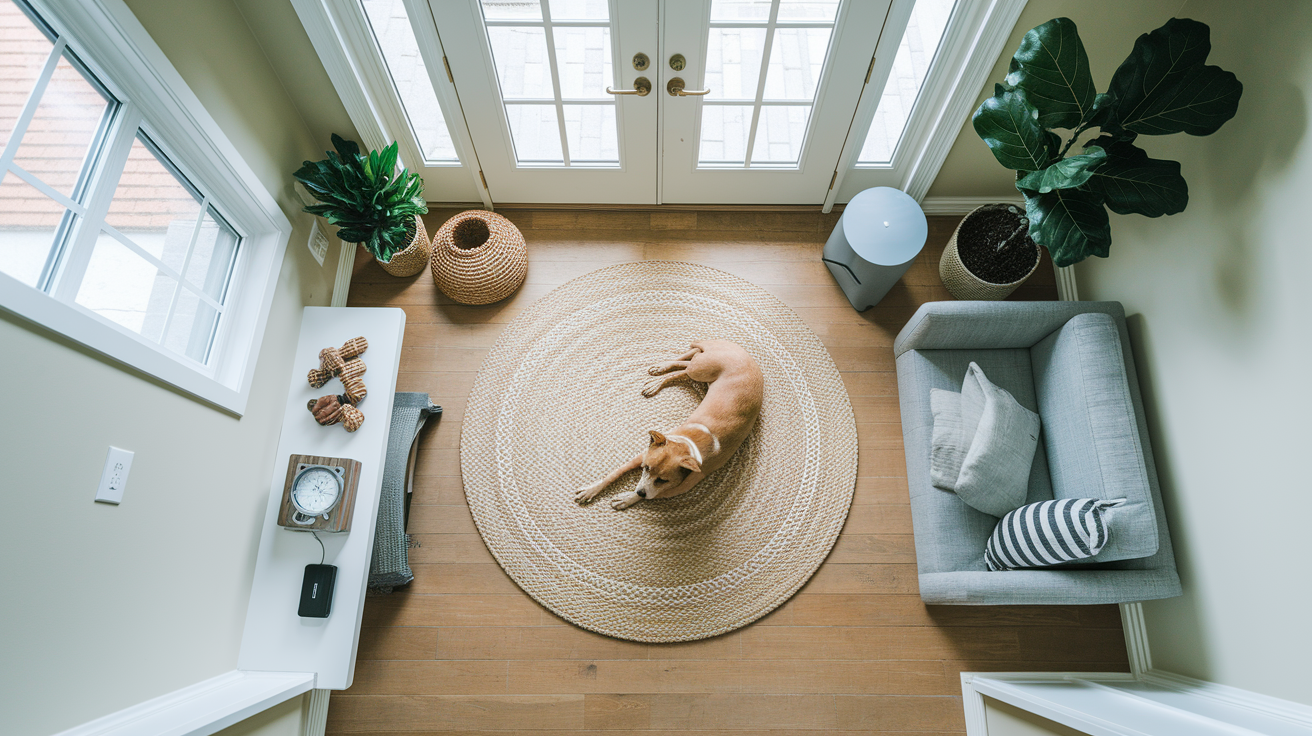
Set up a safe, comfortable space where your dog will spend their alone time. This can be a crate, a gated section of a room, or a dog proofed area with their bed, water, and toys. The space should be quiet, away from street facing windows if your dog barks at passersby. Remove anything they might chew or knock over. If your dog tends to get into trouble, a crate prevents disasters and keeps them secure.
Six prep steps before leaving the house:
- Fresh water – Fill a spill proof bowl or attach a water bottle to the crate. Dogs can get anxious if they’re thirsty and can’t reach water.
- Safe toys – Leave two or three durable chew toys. Rotate them weekly so they stay interesting.
- Window or no window – Some dogs like a view, others bark at every movement. Test both and adjust based on behavior.
- Background sound – A radio, TV, or white noise machine can mask hallway sounds and reduce barking triggers.
- Temperature check – Make sure the apartment isn’t too hot or cold. Dogs can’t adjust thermostats, and discomfort leads to stress.
- Final potty break – Take your dog out right before you leave, even if they don’t seem to need it. An empty bladder prevents accidents.
Signs a Dog Is Struggling With Alone Time

Not all alone time problems are obvious. Some dogs suffer quietly, and you won’t know there’s an issue until a neighbor complains or you come home to destruction. Normal alone behavior includes sleeping, resting, maybe getting up to drink water or chew a toy. A dog that’s coping well will greet you calmly when you return and won’t have destroyed anything.
Concerning behaviors signal stress or anxiety. If you see any of these regularly, your dog isn’t handling alone time well, and you need to adjust your approach or get help.
Warning signs your dog is struggling:
- Destructive chewing – Furniture, door frames, or personal items, especially near exits.
- Excessive barking or howling – Lasting more than a few minutes after you leave.
- House soiling – Accidents from a housetrained dog, often near the door.
- Pacing or restlessness – Visible on a pet camera. The dog never settles.
- Drooling or panting – Physical signs of panic, not normal rest behavior.
- Self harm – Chewing paws, scratching at crate bars until bloody, or obsessive licking.
Final Words
You saw the top breeds that often handle small spaces and being alone, plus the traits that make them good fits.
You also got clear guidance on realistic alone-time ranges, daily exercise and mental work, step-by-step training, how to get your home ready, and the warning signs to watch for.
If you want a calmer companion, use this checklist to judge candidates. Match temperament, routine, and training before you decide—especially when choosing apartment dogs that can be left alone. You’re set to make a practical, confident choice.
FAQ
Q: What breed of dog can be left alone during the day or for 8 hours?
A: Breeds that tolerate a daytime alone stretch (up to about eight hours for many adults) include Basset Hound, French Bulldog, Shiba Inu, Greyhound, Cavalier King Charles, Miniature Schnauzer, Boston Terrier, and Chihuahua; individual temperament matters.
Q: What is the 3-3-3 rule with dogs?
A: The 3-3-3 rule with dogs describes stages after bringing a new dog home: three days of stress, three weeks to settle, and three months to fully adjust and learn house rules.
Q: What is the 7 7 7 rule for dogs?
A: The 7 7 7 rule for dogs isn’t a single, widely held standard—different trainers use it for timing exercises, calm-down windows, or socialization stages; ask your trainer what they mean before following it.