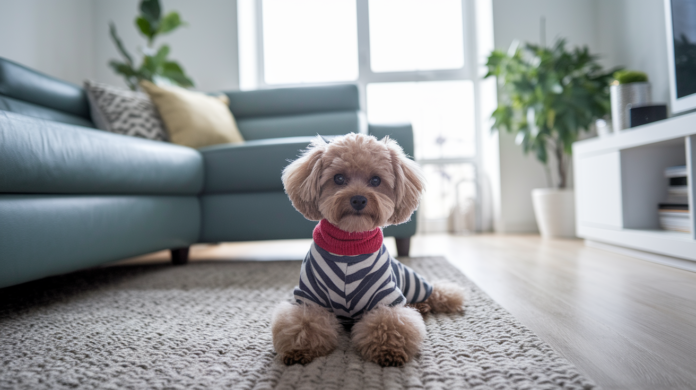

Think apartment living and a fur-free couch are incompatible?
Not necessarily.
Low-shedding breeds can keep hair off your black pants and make allergies easier to manage.
But low-shedding doesn’t mean no work.
Many need regular brushing, trims, and mental exercise to stay calm.
This guide walks you through twelve small breeds that suit apartments, explains the grooming and noise trade-offs, and gives clear fit signals so you can decide if a low-shedding dog really fits your daily life.
Best Low‑Shedding Dogs Ideal for Apartment Living
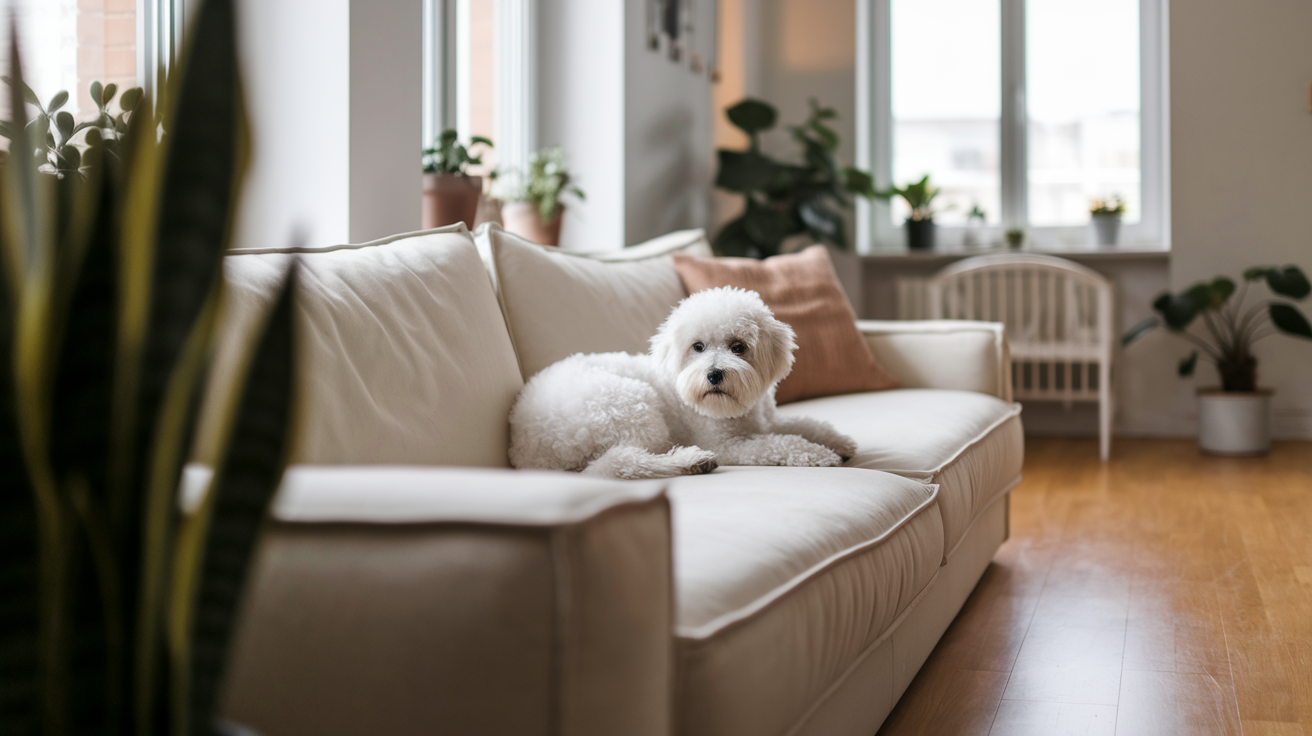
Finding a dog that fits apartment life means you’re juggling size, energy, noise, and shedding all at once. Low-shedding breeds keep hair off your couch and cut down on the dander floating through small spaces. But they’re not all equal when it comes to actually living in an apartment day to day.
Here are twelve low-shedding breeds that work well in apartments:
- Toy or Miniature Poodle – smart, compact
- Bichon Frise – cheerful, people focused
- Maltese – tiny, affectionate lap dog
- Shih Tzu – calm, indoor companion
- Havanese – social, playful, adaptable
- Yorkshire Terrier – bold, active in bursts
- Miniature Schnauzer – alert, obedient watchdog
- Basenji – independent, nearly barkless
- Chinese Crested (Hairless) – affectionate, sensitive to temperature
- Brussels Griffon – curious, owner attached
- Italian Greyhound – gentle, low energy indoors
- Cavapoo or small Doodle mixes – friendly, coat varies
These breeds do well in apartments because their coat structure traps hair and dander instead of releasing it into the air. Curly coats, like Poodles and Bichons, hold shed hair within the curl until you brush it out. Wiry coats on Schnauzers and silky coats on Maltese and Yorkies work the same way. They shed very little but you’ll need regular grooming to prevent mats and keep allergen levels down. Hairless breeds like the Chinese Crested get rid of fur entirely, though they need skin care instead. Size matters too. Most of these dogs weigh under 25 pounds, which makes them easier to manage in tight spaces and less likely to knock things over or disturb downstairs neighbors with heavy footsteps.
Temperament and Behavior Traits to Consider in Low-Shedding Apartment Breeds

Coat type isn’t the only thing that makes a breed apartment friendly. Temperament determines how a dog handles limited space, close neighbors, and indoor routines. Poodles and Havanese are intelligent and want to please, so they’re easy to train for indoor manners and quiet behavior. Shih Tzus and Maltese tend to be calm and happy with short bursts of activity, then long naps on the sofa. Basenjis are famously quiet. They rarely bark. But they’re independent thinkers who can be stubborn and need secure spaces because of a strong prey drive. Italian Greyhounds are surprisingly low energy indoors despite being sighthounds. They’ll sprint in a park but lounge for hours at home.
Energy level and adaptability shape your daily routine. A Miniature Schnauzer needs 40–60 minutes of exercise and mental work each day to stay calm indoors. A Maltese or Yorkshire Terrier might be satisfied with 20–30 minutes of play and a short walk. Some low-shedding breeds, like Brussels Griffons and Cavapoos, form strong attachments and struggle with long alone time. That can lead to separation anxiety and noise complaints if they’re left unsupervised for eight hour stretches. Others, like Basenjis, are more aloof and handle solitude better. But they may invent mischief if they’re bored. Match the breed’s natural temperament to your schedule, household noise tolerance, and willingness to provide daily structure. A cheerful, social Bichon thrives on interaction. A more reserved Chinese Crested might prefer quieter company.
Grooming Needs and Coat Maintenance for Non-Shedding Dogs

Low shedding doesn’t mean low maintenance. Most of these breeds need consistent grooming to keep their coats healthy and prevent dander buildup.
Coat types and their care requirements:
- Curly coats (Poodles, Bichons) – daily brushing, professional clip every 6–8 weeks, regular bathing to control oil and dander.
- Wiry coats (Miniature Schnauzers) – brushing several times per week, hand stripping or clipping every 6–10 weeks.
- Silky coats (Maltese, Yorkies) – daily brushing to prevent tangles, trims every 6–8 weeks or a short “puppy cut” for easier upkeep.
- Corded coats (some Poodles, rare) – specialized care, rarely practical for apartment owners.
- Hairless (Chinese Crested) – minimal brushing, but frequent skin care including sunscreen, moisturizer, and regular baths.
- Fleece type coats (Doodle mixes) – variable. Some shed lightly, others mat easily. Brushing 3–7 times per week, trims every 6–12 weeks.
Expect to pay $30–$90 per grooming session for small dogs. Costs rise in urban areas or for more complex coat styles. Brushing at home between appointments isn’t optional. It prevents painful mats, reduces dander spread, and keeps allergen levels manageable. Skip a few weeks of brushing on a Bichon or Havanese and you’ll end up with a matted coat that requires a full shave down, restarting the grooming cycle from scratch. Bathing every 3–6 weeks helps control oils and allergens, but over bathing can dry out skin and increase dander. Nail trims every 3–6 weeks and daily tooth brushing round out the routine. If grooming feels like too much work, these breeds probably aren’t the right fit.
Allergy Considerations When Choosing a Low-Shedding Apartment Dog
“Hypoallergenic” is a marketing term, not a medical promise. No dog is truly allergen free. Allergies come from proteins found in dander (dead skin flakes), saliva, and urine, not from hair itself. Low shedding breeds reduce the amount of loose hair carrying dander through your apartment, but they still produce dander and saliva. Curly and wiry coats trap dander within the coat, so it doesn’t float into the air as easily, but brushing releases it. Hairless breeds eliminate fur but still shed skin cells.
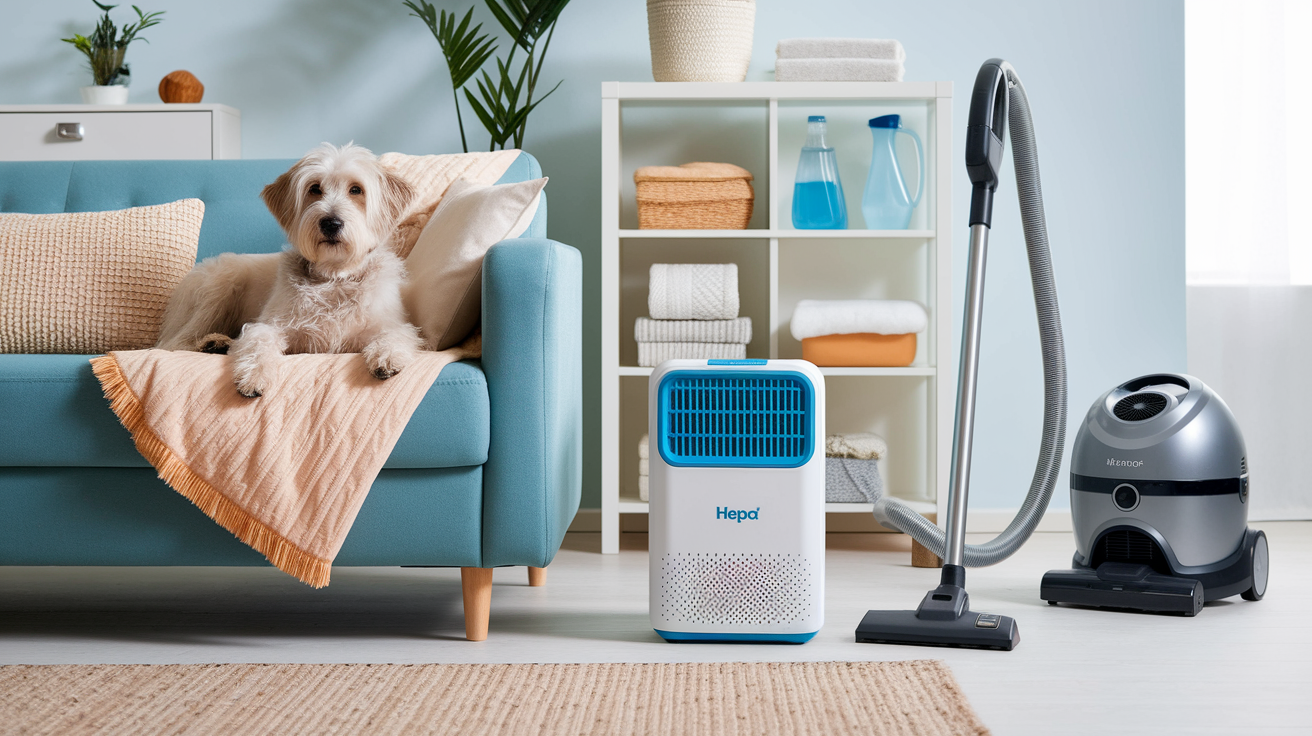
If you have allergies, spend time with the specific breed, and ideally the individual dog, before committing. Allergic reactions vary widely from person to person. You might tolerate a Poodle but react to a Maltese, or the other way around. A two week trial or foster period lets you test real world exposure in your home. Even with a low shedding breed, you’ll need to manage allergens actively. Run a HEPA air purifier, vacuum with a HEPA filter vacuum 2–4 times per week, wash dog bedding weekly in hot water, and groom your dog outside or in a bathroom you can wipe down afterward. Keep the dog out of your bedroom if possible. Allergen levels in sleeping areas have the biggest impact on symptoms. Regular professional grooming also helps, since it removes loose dander before it spreads. Low shedding breeds make allergies more manageable, not invisible. Budget time and money for the cleaning and grooming routines that actually reduce your exposure.
Exercise, Enrichment, and Space Needs for Small Indoor Breeds

Small low shedding dogs don’t need sprawling yards, but they do need movement and mental work every day. Most toy and small breeds thrive on 20–60 minutes of daily activity. Two short walks plus indoor play sessions. Skip exercise for even a few days and you might see restlessness, chewing, and nuisance barking, especially in intelligent breeds like Poodles and Miniature Schnauzers.
Indoor enrichment is just as important as outdoor walks. Five to ten minutes of puzzle toys, hide and seek with treats, or short obedience training sessions can tire out a dog’s brain and prevent boredom. Here are simple enrichment ideas that work in apartments:
- Snuffle mats or treat dispensing toys – let the dog “hunt” for kibble, satisfying natural foraging instincts.
- Rotating toy selection – keep three or four toys out at a time, swap weekly to maintain novelty.
- Short training drills – practice “sit,” “stay,” or tricks like “spin” for five minutes twice a day.
- Safe window perches or view spots – let the dog watch street activity for mental stimulation (but monitor for excessive barking).
- Interactive play with you – tug, fetch down a hallway, or gentle wrestling builds bonding and burns energy.
Weight management matters in small spaces. Indoor dogs move less than dogs with yards, so portion control and scheduled meals prevent obesity. An overweight Maltese or Shih Tzu faces joint strain and respiratory problems, especially in brachycephalic breeds. Measure food, limit treats, and weigh your dog monthly. Regular activity keeps muscles toned and prevents the anxiety that drives problem behaviors.
Noise Levels and Barking Tendencies Among Low-Shedding Apartment Breeds
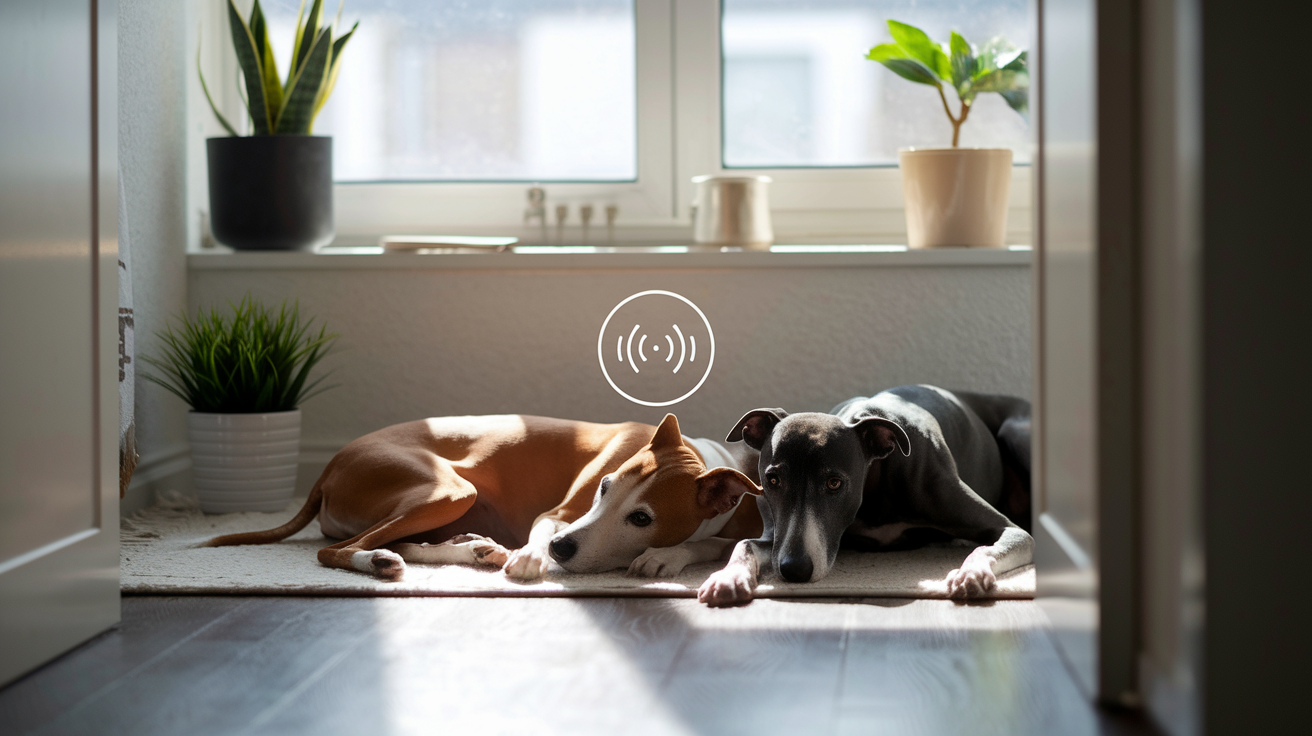
Barking is the apartment owner’s biggest worry. Thin walls and close neighbors mean noise complaints can escalate quickly. Some low shedding breeds are more vocal than others. Basenjis are famously quiet. They don’t bark in the traditional sense, though they make yodel like sounds when excited. Italian Greyhounds and Chinese Cresteds tend to be naturally reserved and bark infrequently. Bichon Frises and Shih Tzus are generally moderate. They may alert bark at door knocks but usually settle quickly with training.
On the louder end, Yorkshire Terriers, Miniature Schnauzers, and some smaller terrier types are bred to be watchdogs. They react to hallway footsteps, elevator dings, and delivery trucks with sharp, high pitched barking. That instinct can be managed with training, but it takes consistency. Early socialization helps. Expose puppies to apartment sounds (vacuums, neighbors’ voices, street noise) so they learn these are normal, not threats. Teach a “quiet” cue using positive reinforcement. Reward silence, redirect barking with a toy or command, and never yell, which often makes barking worse. Daily exercise and enrichment reduce boredom driven barking. A tired dog is a quiet dog. If barking becomes chronic, consider working with a trainer before it strains neighbor relations or violates lease terms. Breed tendency is real, but training and routine make the difference between an occasional alert bark and constant noise.
Practical Apartment-Living Tips for Owners of Low-Shedding Dogs
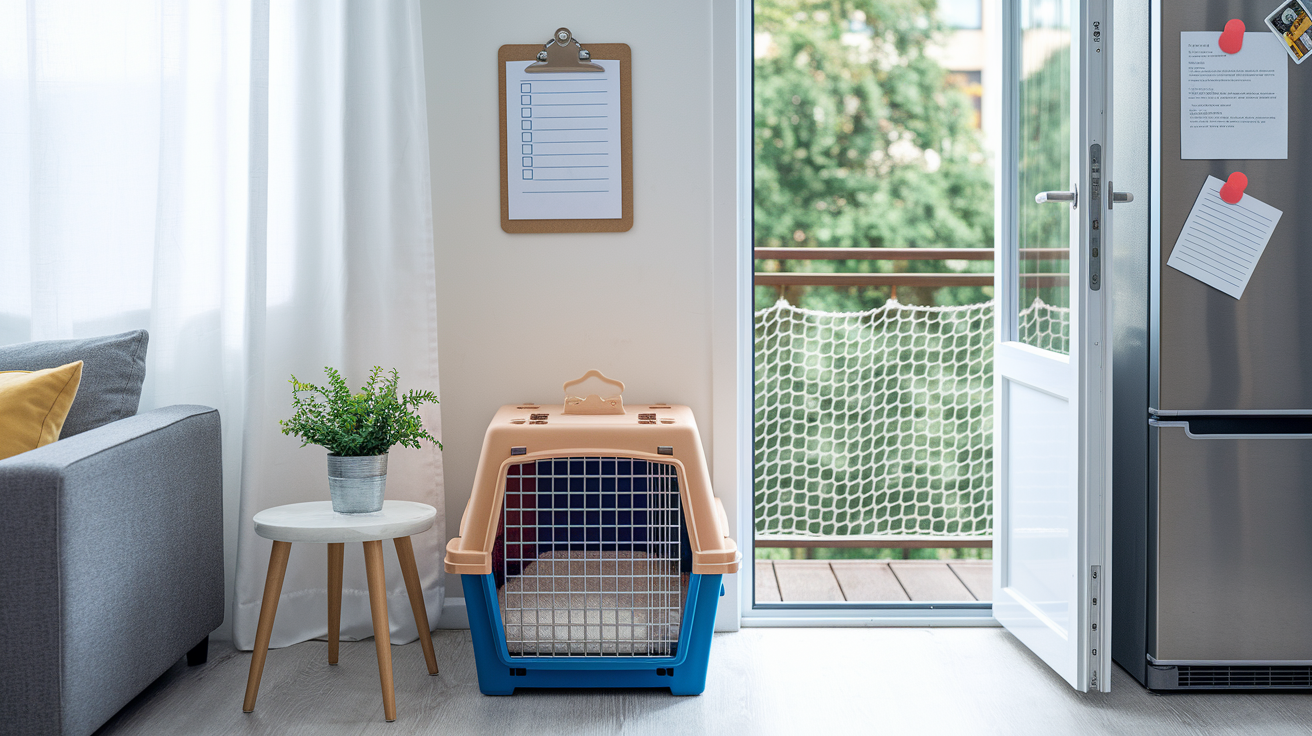
Apartment life with a dog requires structure, planning, and a few tools that make small space living manageable. Start with a consistent routine. Feed, walk, and play at roughly the same times each day. Predictability reduces anxiety and prevents accidents. For housetraining, small breeds often need more frequent potty breaks. Puppies may need to go every 1–3 hours, adult dogs every 4–6 hours. If you work long hours, arrange midday walks with a dog walker or neighbor.
Essential apartment care practices:
- Crate training – a properly sized crate (18–24 inches for toy breeds, 30–36 inches for small breeds) becomes a safe den, aids housetraining, and prevents destructive behavior when you’re out.
- Indoor potty solutions – pee pads or indoor grass patches work for emergencies or senior dogs, though outdoor training is preferred for long term habits.
- Balcony and window safety – secure railings with pet netting if gaps are wide. Never leave small dogs unsupervised on high balconies. Keep windows screened or cracked only at the top.
- Neighbor communication – introduce your dog early, keep barking managed, and address complaints quickly to maintain goodwill.
Separation anxiety is common in affectionate, companion focused breeds like Havanese, Cavapoos, and Maltese. Prevent it by practicing short departures. Leave for five minutes, return calmly, gradually extend time away. Provide a safe chew toy or puzzle feeder when you leave, and avoid dramatic hellos and goodbyes that signal your absence as a big event. If your dog becomes destructive, vocal, or housebroken only when you’re home, consult a trainer early. Apartment living amplifies behavior issues because space is limited and neighbors are close. The good news? Most low shedding small breeds adapt beautifully to apartment routines when their exercise, grooming, and social needs are met consistently.
Final Words
in the action, we ran through the top low-shedding breeds for small spaces, how temperaments and energy affect apartment life, basic grooming needs, allergy tips, exercise and quietness, plus practical apartment care.
Pick based on daily routine, time for grooming, and how much noise you can tolerate. Many low-shed breeds need regular brushing and vet checks — that’s the trade-off for less fur at home.
If you want cleaner floors and a small companion, consider apartment dogs that don’t shed and match one to your schedule. You can make this work.
FAQ
Q: What dog has the highest IQ?
A: The dog with the highest IQ is often the Border Collie, prized for quick learning, problem-solving, and strong herding instincts. It needs mental work or it will get bored and invent trouble.
Q: What is the best indoor dog that doesn’t shed?
A: The best indoor non-shedding and easiest apartment dogs are small Poodles, Bichon Frises, Maltese, Shih Tzus, and Havanese, all low-shedding, adaptable, and needing moderate walks plus regular grooming.
Q: What is the no. 1 lazy dog?
A: The no. 1 lazy dog is often the English Bulldog, which prefers naps to long runs. Owners should watch breathing and weight and give short, gentle daily walks.