

Think a tiny dog means an easy apartment life? Think again.
Apartment friendly dogs low energy are chosen by how they handle being inside, quiet, content with short walks, and not needing a yard.
Many do fine on 15 to 40 minutes of activity a day; others are small but barky or high maintenance.
This post breaks down the best low energy breeds for small spaces, plus real life trade-offs on grooming, noise, exercise, and health costs.
By the end you’ll know which calm companion actually fits your lease and daily routine.
Best Low‑Energy Dog Options Perfect for Apartment Living
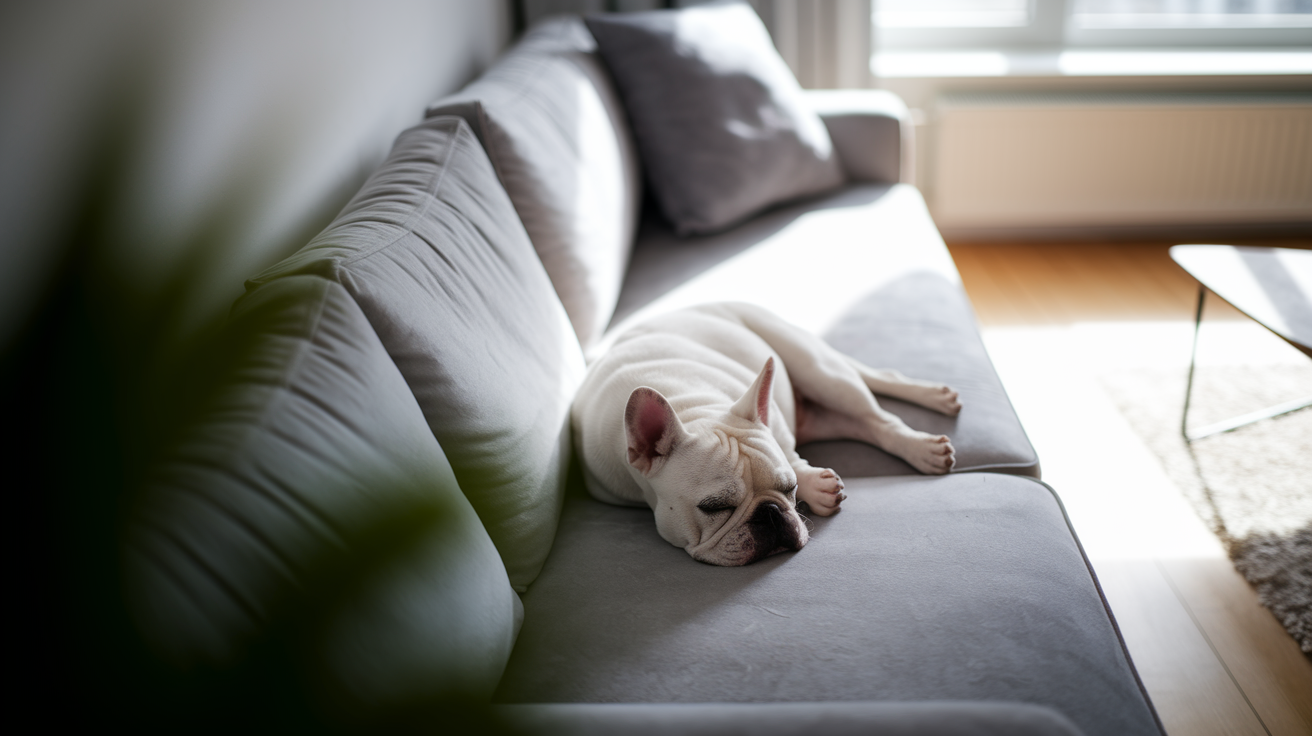
Finding apartment friendly dogs low energy starts with understanding what actually makes a breed suitable for small spaces. Size alone doesn’t tell the story. A calm 40 pound breed can outperform a nervous 12 pound dog in apartment life. Low energy breeds share common traits: they’re content with short outings, they don’t need constant stimulation, and they settle into a quiet routine without restless pacing or destructive boredom. These dogs adapt to the rhythm of apartment living without demanding a backyard or hours of daily activity.
Most best low energy dog breeds for apartments need between 15 and 40 minutes of exercise per day. That typically breaks down into two short leash walks and some light indoor play or enrichment. A 20 minute morning walk, a midday potty break, and a 20 minute evening stroll will satisfy the majority of these breeds. The goal is consistency, not marathon sessions. Skip a walk for two days running, and even a low energy dog will start inventing trouble. Chewing, whining, or pacing near the door.
Quietness and grooming obligations round out the picture. Small calm dog breeds and quiet dog breeds for apartments aren’t always the same group. A Chihuahua is tiny and low maintenance but can be persistently vocal without training. A Greyhound is large and nearly silent indoors but sheds moderately. Grooming ranges from weekly brushing for a Basset Hound to daily coat care for a Shih Tzu. Match grooming time to your actual schedule, not your best intentions.
Here are ten low energy breeds that adapt well to apartment life:
French Bulldog – 16–28 lb; 20–30 minutes daily exercise; very quiet; low grooming; watch for heat sensitivity and breathing issues.
Cavalier King Charles Spaniel – 13–18 lb; 20–40 minutes daily; moderate barking; brushing 2–3 times per week; prone to heart conditions.
Pug – 14–18 lb; 20–30 minutes daily; low to moderate barking; weekly grooming; heat sensitive and prone to obesity.
English Bulldog – 40–50 lb; 20–30 minutes daily; very quiet; weekly grooming; high risk for breathing problems and expensive vet bills.
Shih Tzu – 9–16 lb; 15–30 minutes daily; moderate barking; daily brushing if coat is kept long.
Maltese – 4–7 lb; 15–25 minutes daily; moderate barking; requires regular brushing to prevent mats.
Basset Hound – 40–65 lb; 20–30 minutes daily; moderate baying or howling; weekly grooming; scent driven and stubborn.
Chihuahua – 3–6 lb; 10–20 minutes daily; high barking tendency; low grooming; needs training to control noise.
Boston Terrier – 12–25 lb; 20–30 minutes daily; low barking; low grooming; heat sensitive but generally adaptable.
Greyhound – 50–70 lb; 20–40 minutes daily plus short sprints; very low barking; low grooming; calm couch potato indoors despite size.
How to Choose Low‑Energy Dogs That Thrive in Apartments
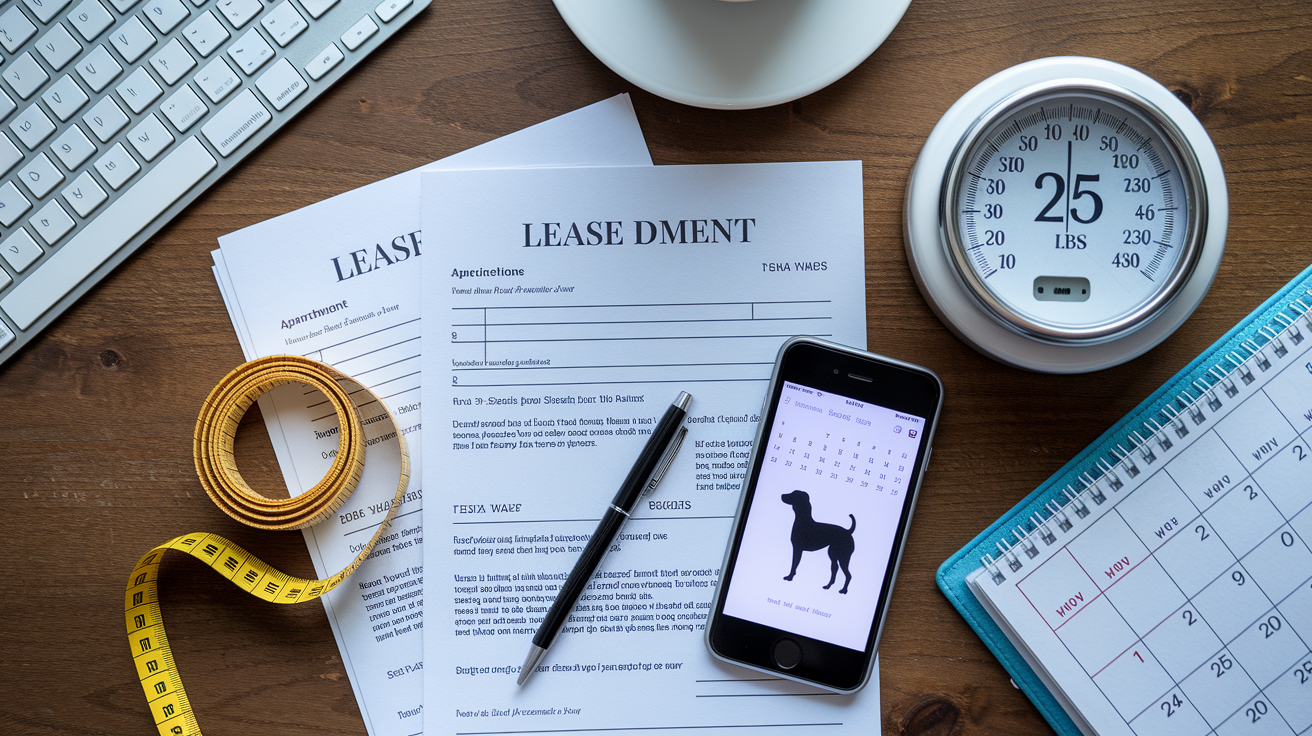
Before you fall for a photo, check your lease. Many apartment buildings cap dog weight at 25 or 50 pounds, and some maintain breed restriction lists that include brachycephalic dogs or hounds. Call your landlord or property manager and get written approval for the specific breed you’re considering. A verbal “probably fine” won’t help if you’re served an eviction notice three months later. While you’re at it, ask about noise complaints. How many warnings before action, and what counts as excessive barking in your building.
Your daily schedule determines success more than breed reputation. If you leave at 7 a.m. and return at 6 p.m., a dog that needs two daytime potty breaks won’t work unless you hire a walker. Grooming is another schedule test. A Maltese or Shih Tzu left unbrushed for a week will develop mats that hurt and cost money to fix professionally. If grooming feels like a chore you’ll skip, choose a wash and go coat like a Boston Terrier or Pug.
Use these six criteria to narrow your list:
Barking tendency. Greyhounds and English Bulldogs rarely bark; Chihuahuas and Dachshunds often do. High bark breeds require consistent training.
Shedding level. Pugs and Basset Hounds shed heavily; Maltese and Shih Tzu shed minimally but need grooming. Choose based on whether you’d rather vacuum or brush.
Exercise needs. Aim for breeds in the 20–30 minute daily range if your routine is tight. Pushing a 40 minute breed into a 15 minute schedule leads to behavior problems.
Heat sensitivity. French Bulldogs, Pugs, and English Bulldogs overheat quickly. If you live in a warm climate or a top floor unit with poor airflow, pick a breed with a normal muzzle.
Family and pet compatibility. Cavaliers and Shih Tzus are generally easygoing with kids and other pets. Some terriers and hounds have higher prey drive or independence.
Common health risks. Breeds with short faces often rack up respiratory vet bills. Dachshunds need careful stair management to protect their backs. Factor potential costs into your decision.
How to Evaluate Breed Traits for Low‑Energy Apartment Living

Size and weight matter most when they intersect with your lease and your floor plan. A 60 pound Greyhound fits a spacious one bedroom if the landlord allows it, but the same dog in a 400 square foot studio with narrow doorways becomes a daily obstacle course. Small breeds under 20 pounds usually sail through weight restrictions, but a 15 pound Dachshund stretched across a standard leash takes up as much walking space as a 30 pound Basset. Think about the dog’s body in motion. Turning around in your bathroom, navigating your furniture, fitting comfortably in a crate that doesn’t dominate your living room.
Grooming frequency and shedding level split into two separate planning tracks. Shedding is about cleanup. How often you vacuum, lint roll your clothes, and wipe fur off your couch. Breeds like Pugs and Basset Hounds shed year round; you’ll vacuum every other day or accept a layer of hair as décor. Low shedding breeds like Shih Tzus and Maltese leave less fur behind but require brushing several times a week to prevent painful mats and regular professional trims every six to eight weeks. If you hate grooming, a short coated shedder you can vacuum up is easier than a non shedder you must brush daily. Shedding and allergies sometimes overlap. People assume “hypoallergenic” means no reactions, but dander (skin flakes) triggers most allergies, not fur. Low shedding dogs still produce dander.
Bark tendency and temperament stability determine whether your neighbors complain or your landlord intervenes. Greyhounds, English Bulldogs, and French Bulldogs are naturally quiet. They may bark at a knock on the door, then settle. Chihuahuas, Dachshunds, and some Basset Hounds are more vocal by instinct; Chihuahuas bark at motion and sound, Dachshunds alert bark persistently, and Bassets bay or howl when bored or lonely. Vocal breeds aren’t automatically disqualified. They just require early, consistent training and realistic expectations. A Chihuahua trained with a “quiet” cue and rewarded for calm behavior can live peacefully in an apartment. The same dog left untrained will generate noise complaints within weeks. Temperament stability also matters. Dogs that startle easily or react to hallway sounds make apartment life stressful for everyone.
Exercise needs, heat tolerance, and breed specific health risks shape daily logistics and long term costs. Most low energy apartment breeds need 20 to 40 minutes of daily activity, but the type of exercise varies. A Greyhound needs a few short walks plus one chance to sprint in a safe area; a Pug needs two leisurely strolls with frequent sniff breaks and no exertion in warm weather. Brachycephalic breeds (French Bulldogs, Pugs, English Bulldogs) overheat quickly, struggle on stairs, and risk respiratory distress in hot or humid conditions. If your apartment is on the fourth floor with no elevator and temperatures regularly hit 85°F, a flat faced breed is a poor match. Dachshunds have long spines prone to injury; lifting them on and off furniture and limiting stair use prevents expensive back problems. Don’t choose a breed based on the easy parts. Look hard at the complications and decide if you can manage them daily for ten to fifteen years.
Daily Care Plans for Low‑Energy Apartment Dogs

A realistic daily schedule keeps low energy dogs healthy and prevents the boredom behaviors that get you in trouble with neighbors. The goal is 30 to 55 minutes of total active time spread across the day. Not one long block, but short sessions that fit around work, meals, and your own energy. Morning routines anchor the day. A ten to fifteen minute leash walk first thing gives your dog a potty break and a chance to move before you leave. Add five to ten minutes of interaction. Feeding breakfast in a slow feeder bowl, practicing a few training cues, or letting the dog sniff around while you drink coffee. That’s 20 minutes, and you’re both set until midday.
Midday care depends on your work situation. If you’re home, a ten to fifteen minute enrichment session works well. Rotate a puzzle toy, scatter kibble in a snuffle mat, or practice “find it” games with treats hidden around the apartment. If you’re gone all day, consider a dog walker for a short potty break and a few minutes of play. Evening is your longer window. A fifteen to twenty five minute walk or a play session in the apartment (gentle tug, fetch down a hallway, or trick training) burns energy and reinforces your bond. If your breed requires regular grooming, add ten minutes two or three times a week for brushing while the dog is calm after exercise.
| Time of Day | Activity | Minutes |
|---|---|---|
| Morning | Leash walk + potty; light training or affection | 15–25 |
| Midday | Indoor enrichment (puzzle toy, snuffle mat) or brief potty break | 10–15 |
| Evening | Longer walk or indoor play session; optional grooming | 15–35 |
| Total daily active time | Walking, play, enrichment, grooming combined | 40–75 |
Noise and Barking Control for Calm Apartment Dogs

Even naturally quiet breeds bark sometimes, and in an apartment every bark travels. Greyhounds, English Bulldogs, French Bulldogs, and Boston Terriers are among the quietest options. They may alert bark once or twice at a door knock, then stop. More vocal breeds (Chihuahuas, Dachshunds, Maltese, and some Basset Hounds) bark or bay more readily and need active management from day one. The difference isn’t whether the dog can bark, but how easily the behavior becomes a habit.
White noise or soft music masks hallway sounds that trigger barking. A small fan or a white noise machine near your door dampens footsteps, neighbor conversations, and elevator dings before your dog registers them. Teaching a “quiet” cue takes consistency. When your dog barks, wait for a pause, say “quiet,” and immediately reward the silence with a treat. Repeat this ten to fifteen times over several days until the cue predicts the reward. Thick area rugs and draft stoppers under your door muffle sound traveling both directions and reduce your dog’s acoustic awareness of the hallway. Avoid leaving your dog alone during high traffic times (early morning, late afternoon, and evening) when hallway noise peaks and barking is more likely. If your schedule forces it, crate training in a quiet interior room helps.
Managing barking is easier when you prevent the triggers:
Walk your dog before the building’s rush hours so hallway encounters don’t wind them up.
Keep window blinds closed if street noise or passersby set off alert barking.
Practice calm greetings when you come home. Ignore your dog for the first minute to prevent excited barking from becoming a welcome ritual.
Use high value treats during exposure to new sounds, so your dog learns to associate doorbells and knocking with good things instead of alarm.
If a neighbor complains, address it immediately with a plan (extra training sessions, a consult with a trainer, adjusted routines) and keep the neighbor updated. Ignoring complaints escalates them into lease violations.
Grooming and Shedding Realities for Low‑Energy Apartment Breeds

Shedding and grooming time are separate concerns that people often confuse. Heavy shedders like Pugs and Basset Hounds drop hair year round but need only a quick weekly brush and occasional baths. The work is vacuuming your apartment and lint rolling your clothes, not hands on dog care. Low shedding breeds like Shih Tzus and Maltese leave less fur on your furniture but demand frequent brushing (daily if you keep the coat long) and professional grooming every six to eight weeks. If you skip brushing for even a few days, mats form close to the skin, pulling painfully and requiring expensive shave downs to remove.
Cavaliers fall in the middle. They shed moderately and need brushing two or three times per week to control loose fur and prevent tangles, especially behind the ears and under the legs. Breeds with short, smooth coats like Boston Terriers and Greyhounds are low maintenance; a weekly once over with a grooming mitt and a bath every four to eight weeks keeps them clean and reduces dander. Nail trims every four to six weeks prevent overgrowth that changes your dog’s gait and damages your floors. Most low energy breeds tolerate grooming well if you start early and keep sessions short and positive.
Allergy considerations often drive grooming choices, but “hypoallergenic” is misleading. All dogs produce dander, saliva, and urine proteins that trigger allergies. Breeds that shed less (Maltese, Shih Tzu, Bichon type mixes) distribute fewer allergens around your apartment because loose fur isn’t carrying dander onto every surface. Regular bathing (every two to three weeks for allergy households) and frequent vacuuming with a HEPA filter reduce allergen load more than breed selection alone. If allergies are a serious concern, spend time with the specific dog you’re considering before committing, and plan for consistent grooming and cleaning routines as part of your household management.
Health and Lifespan Considerations in Low‑Energy Apartment Dogs

Low energy dogs face specific health risks tied to their builds and activity levels. Brachycephalic breeds (French Bulldogs, Pugs, English Bulldogs) struggle with heat, humidity, and strenuous exercise because their short muzzles limit airflow. Respiratory distress can escalate into emergency vet visits costing $1,000 to $3,000 or more. Avoid these breeds if you live in a hot climate, your apartment lacks air conditioning, or your building requires climbing multiple flights of stairs daily. Dachshunds have long spines vulnerable to herniated discs; jumping on and off furniture or navigating stairs repeatedly increases injury risk. Lift your Dachshund when possible and use ramps for couch or bed access.
Routine veterinary care for a healthy adult low energy dog typically costs $200 to $600 per year, covering an annual exam, vaccinations, flea and tick prevention, and heartworm testing. Puppies and senior dogs need more frequent check ups, raising annual costs. Pet insurance averages $25 to $75 per month for young, healthy dogs; premiums rise with age and breed specific risks. Brachycephalic breeds and those prone to genetic conditions often face higher premiums or exclusions. Budget for the possibility of an unexpected $1,000 to $2,000 vet bill at some point in your dog’s life. Emergency visits, dental procedures, and minor surgeries add up quickly.
Watch for four common health concerns in low energy apartment breeds:
Obesity. Low activity and overfeeding lead to weight gain fast. A Pug or Basset carrying extra pounds stresses joints, worsens breathing problems, and shortens lifespan. Measure food portions daily and adjust based on body condition, not appetite.
Heat sensitivity. Flat faced breeds overheat during warm weather walks, even at moderate temperatures. Walk early morning or late evening, carry water, and watch for excessive panting or slowed pace. Stop immediately if your dog seems distressed.
Joint and mobility issues. Short legged and long bodied breeds (Dachshunds, Basset Hounds) and heavy bodied breeds (English Bulldogs) develop arthritis or joint problems as they age. Keep weight controlled and avoid repetitive high impact activities like jumping or long stair climbs.
Dental disease. Small breeds like Chihuahuas, Maltese, and Shih Tzus are prone to dental problems. Brush teeth several times a week and budget for professional cleanings under anesthesia every one to three years, typically $300 to $700 per procedure.
Costs and Budgeting for Low‑Energy Apartment Dogs

Initial setup costs for a low energy apartment dog typically run $150 to $500, depending on what you buy new versus secondhand. Essentials include a crate ($30–$100), a comfortable bed ($20–$80), leash and collar ($10–$30), food and water bowls ($10–$25), a few durable toys ($15–$40), and basic grooming tools like a brush and nail clippers ($10–$30). If you adopt, some rescues send dogs home with a starter kit (collar, leash, a small bag of food) which trims your first week expenses. Don’t overbuy before your dog arrives; you’ll learn quickly what your specific dog needs and what sits unused in a closet.
Monthly food costs range from $20 to $60, depending on your dog’s size and the quality of food you choose. A 10 pound Maltese eats far less than a 50 pound Basset Hound, and premium or prescription foods cost more than grocery store brands. Most low energy breeds do well on standard adult maintenance formulas; consult your vet if your dog has allergies, weight issues, or breed specific sensitivities. Adoption fees typically fall between $50 and $500 and usually cover spay/neuter, initial vaccinations, and a health check. Breeder prices vary widely. Pugs often cost $800 to $2,000, Cavaliers $1,500 to $3,500, and French Bulldogs $1,500 to $8,000 or more due to breeding difficulty and demand. High purchase prices don’t eliminate future vet costs; factor ongoing care into your total budget regardless of how you acquire your dog.
Here are the three major recurring expenses to plan for:
Food and treats. $20–$60 per month depending on dog size; add $5–$15 per month for training treats and chews.
Routine veterinary care. $200–$600 per year for exams, vaccinations, and preventive medications; pet insurance optional at $25–$75 per month.
Grooming. $0–$50 per month if you handle brushing and baths at home; $40–$80 every six to eight weeks if you use a professional groomer for breeds like Shih Tzus or Maltese.
Final Words
You’ve seen what makes a dog truly apartment-suited: low daily exercise, a calm temperament, manageable grooming, and a few breed-specific health warnings. Focus on the everyday parts—walk length, noise, and coat care—because that’s what you’ll live with.
Use the shortlist and the choice checklist to match a breed to your building rules and routine. If apartment friendly dogs low energy are the goal, meet a few adults in person and plan a simple daily routine. You can make this work—there’s a calm companion waiting.
FAQ
Q: What is the calmest dog for an apartment?
A: The calmest dog for an apartment is often the Greyhound or English Bulldog; they’re quiet, low-energy indoors, and usually need only 15–40 minutes of walking daily, so they fit small living spaces well.
Q: What is the 7 7 7 rule for dogs?
A: The 7 7 7 rule for dogs is a simple training approach using short, frequent sessions—think seven minutes of focused training or play, repeated several times a day to keep puppies engaged without overwhelming them.
Q: What is the best dog for a low-energy person?
A: The best dog for a low-energy person is a calm, small-to-medium breed like a Cavalier King Charles Spaniel, Basset Hound, or Shih Tzu; they relax indoors, need short daily walks, and suit quieter lifestyles.
Q: What is the laziest low maintenance dog?
A: The laziest low maintenance dog is often the Greyhound — a couch-loving breed with minimal grooming, calm indoor behavior, and short daily walks; just watch their need for occasional sprinting and joint care.