

Think a small apartment means you can’t have a family dog?
Some breeds actually thrive in tight spaces and tolerate kids, noise, and the occasional muddy paw.
This guide names the child-friendly breeds that tend to do well in apartments and explains what daily life will look like, covering exercise needs, grooming, noise, and health trade-offs.
Read on to find the right match for your family’s routine, before you commit.
Top Family-Friendly Dogs That Thrive in Apartments

Not every breed works in an apartment, especially when you’ve got kids running around. The dogs that actually thrive in smaller spaces don’t lose it when they hear footsteps in the hallway. They handle the chaos kids bring. And they don’t need a yard to stay sane.
What matters is whether the breed can settle into tight quarters without turning destructive, anxious, or annoying your neighbors. The ones below get recommended by trainers who’ve seen them succeed in real family apartments. Some are couch potatoes. Others need a bit more activity. But all of them can manage apartment life when you meet their basic needs.
- French Bulldog – Quiet, solid with kids, doesn’t need much exercise, lives for the couch.
- Cavalier King Charles Spaniel – Super gentle, patient even with toddlers, happiest near people.
- Bichon Frise – Doesn’t shed much, friendly with kids and strangers, energy adapts easily.
- Havanese – Small and social, gets along with families and other pets, low shedding.
- Pug – Easy to care for, calm indoors, puts up with kids being rough.
- Boston Terrier – Compact, playful without being wild, usually quiet in apartments.
- Shih Tzu – Loves to lounge, doesn’t need tons of activity, good with gentle kids.
- Miniature Poodle – Smart and trainable, hypoallergenic, needs moderate exercise.
These work because they don’t demand constant outdoor time. They tolerate unpredictable kid energy without snapping. Most figure out apartment routines pretty fast. If you can handle daily short walks and stay consistent with training, these dogs settle in without causing chaos or neighbor complaints.
Key Traits That Make a Dog Ideal for Apartment and Family Life

Size doesn’t tell you everything. A calm 30 pound dog can be quieter than a 10 pound terrier that barks at everything. What really matters is noise level, how well they adapt, and how they react to kids and close living.
Low to moderate barking isn’t optional when you share walls. Breeds that constantly alert bark or howl when alone? That creates problems with neighbors and landlords fast. The best apartment dogs either bark rarely or learn quickly when you train them to stop. Separation anxiety ties into this. Dogs that panic alone often bark, chew, or pace. That doesn’t work in tight spaces.
Then there’s how they handle children. You need dogs that don’t freak out over sudden movements, loud voices, or the way kids grab at them before they learn to be gentle. Patient breeds with moderate energy do best. High drive working dogs or strong guarders? They struggle in apartments full of children.
What to look for:
- Low to moderate barking – Naturally quiet or responsive to training.
- Adaptable energy – Settles indoors but still enjoys short walks and play.
- Patience with children – Handles noise, movement, and occasional rough petting.
- Friendly with strangers and other pets – Makes elevators, hallways, and shared spaces easier.
Detailed Profiles of Popular Apartment‑Friendly Family Breeds

French Bulldog
French Bulldogs were made for apartment life. They need maybe 20 to 40 minutes of exercise a day, then they’re done. The rest of the time? They’re lounging. Their short coat needs minimal grooming. Just brush weekly and clean those facial folds so they don’t get irritated. Barking is rare unless they’re bored or you’re not giving them enough attention. One of the quieter small breeds.
They’re sturdy with kids, which helps when toddlers are grabbing ears or leaning on them. Frenchies tolerate that contact better than fragile toy breeds. Training takes patience because they’re stubborn. But they respond well to treats and short sessions. The downside is health. Flat faced breeds like Frenchies overheat easily, snore constantly, and deal with respiratory problems that can rack up vet bills over time.
Cavalier King Charles Spaniel
Cavaliers are some of the gentlest dogs for families with young kids. They’re patient, affectionate, and don’t snap when kids get loud or clumsy. They need 30 to 45 minutes of exercise daily. Walks around the block plus some indoor play covers it. Cavaliers need people around. If you’re gone all day, they struggle. Long alone time can trigger separation anxiety.
Grooming is moderate. Brush three to four times a week to manage shedding and keep mats from forming, especially around the ears. They’re eager to please, so training goes smoothly. But they’re sensitive. Yell at them and they shut down. Barking is minimal unless something unusual happens. The main health worry is heart disease. A lot of Cavaliers develop mitral valve problems as they age, so regular vet visits matter.
Havanese
Havanese are small, social dogs that fit well into apartments with kids and other pets. They weigh 7 to 13 pounds, so space isn’t an issue. But they need 20 to 40 minutes of daily activity to stay calm indoors. Without it, they get yappy or anxious. They’re trainable and respond well to positive methods, though separation anxiety can develop if they’re left alone too often.
The coat needs daily brushing if you keep it long. Or you can go with a short “puppy cut” every six to eight weeks, which cuts down maintenance a lot. Shedding is low. Many families with mild allergies do fine with them. They bark at movement outside windows, so training early to limit alert barking helps in apartment buildings. Overall, they’re adaptable and affectionate without being fragile.
Pug
Pugs are low maintenance and don’t care about apartment life. They need about 20 to 30 minutes of exercise daily. A short walk and some indoor play. Then they’re happy being lazy. Pugs are sturdy for their size, so they handle rough kid handling better than smaller breeds. They’re patient and rarely snappy, even when toddlers are unpredictable.
Grooming is simple. Weekly brushing and cleaning the facial folds to prevent infection. Barking is rare, but snoring is constant. Like Frenchies, Pugs are flat faced, so they overheat quickly and can develop breathing issues. Vet costs run higher than average. They shed more than most small breeds, so if you need hypoallergenic, Pugs aren’t it. But if you want calm, tolerant, and easy to live with? They deliver.
Apartment Environment Considerations for Families Choosing a Dog
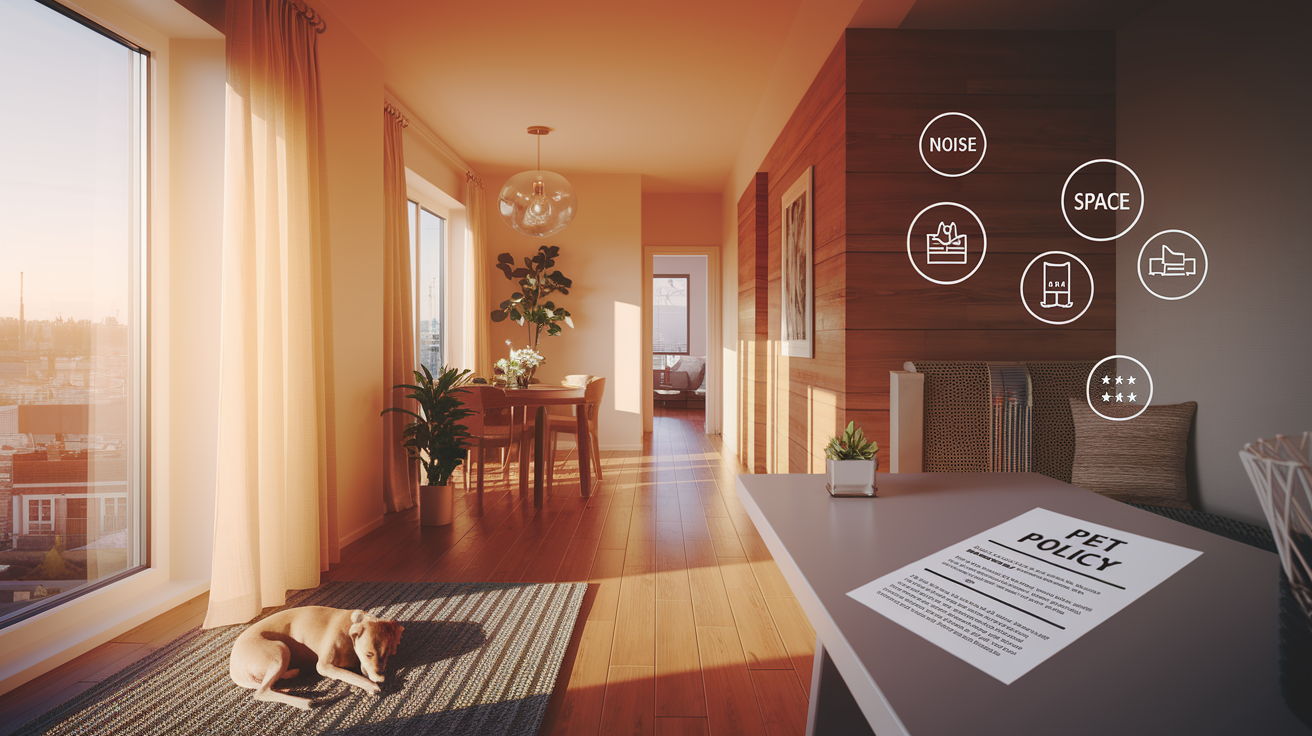
The apartment itself limits what works. A 400 square foot studio doesn’t leave room for a dog that paces or needs space to burn energy. Most small to medium dogs adapt fine to 600 to 800 square feet, as long as they’re getting outdoor exercise. Larger apartments with separate rooms can handle slightly bigger or more active breeds. But you’re still working within tighter boundaries than a house with a yard.
Noise is the second constraint. Thin walls mean barking travels. Landlords respond fast to complaints. Even a dog that only barks a few times a day can create friction if it’s during quiet hours or aimed at every person in the hallway. Breeds with lower bark tendencies or those that respond quickly to training are safer bets. If your building has strict noise rules or a history of pet complaints, pick a breed rated low for barking and start training early.
Building policies add another layer. Lots of landlords set weight limits, usually 25 to 50 pounds. They ban specific breeds too, commonly Pit Bulls, Rottweilers, German Shepherds, sometimes Huskies. Pet deposits range from $200 to $500. Monthly pet rent can add $25 to $75 to your lease. Some buildings cap the number of pets or require proof of spay/neuter and current vaccinations. Review your lease and building rules before committing to a breed. Restrictions can force rehoming if you overlook them.
Tips for Choosing the Right Dog for Your Family’s Apartment Lifestyle

Start by looking at your family’s actual routine, not the one you wish you had. If you work long hours and your kids are in school all day, you need a dog that handles alone time. If your household is loud and chaotic, pick a breed that’s unbothered by noise and movement. The mismatch happens when families choose based on looks or reputation without thinking about daily life.
Energy level matters more than size. A calm 30 pound dog can be easier in an apartment than a 12 pound terrier that barks and paces. Match the dog’s exercise needs to what you can realistically provide. If you can manage two 20 minute walks a day, breeds like Pugs and Frenchies work. If you have time for 45 to 60 minutes of daily activity, Miniature Poodles and Cocker Spaniels become options.
-
Meet the individual dog before committing. Breed tendencies are just guidelines. Individual temperament varies. Spend time with adult dogs or ask breeders about the puppy’s parents’ behavior. A calm, steady temperament matters more than breed alone.
-
Understand grooming time and costs upfront. Hypoallergenic breeds like Poodles and Bichons need professional grooming every four to eight weeks, plus daily brushing. Budget $50 to $100 per grooming session. Low maintenance breeds save time but may shed more.
-
Be honest about noise tolerance. If your building has thin walls or you’ve had noise complaints before, prioritize breeds rated low for barking. Training can reduce it, but some dogs are naturally more vocal.
-
Test the dog’s behavior with your children. If adopting, ask the shelter or rescue to observe interactions with kids. If buying from a breeder, request a meeting where your children can interact with the puppy in a calm environment. Watch for patience, not just friendliness.
-
Plan for training and socialization from day one. Apartment dogs need to be comfortable with elevators, hallways, other dogs, and strangers. Enroll in a basic obedience class within the first few weeks. Consistent training prevents barking, jumping, and anxiety behaviors that cause problems in close quarters.
Final Words
We ran through the top family-friendly breeds that do well in apartments—French Bulldog, Cavalier King Charles, Havanese, and Pug—and why they suit homes with kids. You also got clear trait checklists and deeper breed profiles to compare energy, grooming, and kid tolerance.
We covered practical apartment factors like space, noise, and building rules, plus simple tips to match a dog’s needs to your schedule. That practical part is the thing people often miss.
Use the checklist to find the best apartment dogs for families, pick the one that fits your routine, and enjoy the new companion.
FAQ
Q: What is the best dog breed for a family in an apartment?
A: The best dog breed for a family in an apartment is small-to-medium, calm, kid-friendly, and needs only moderate exercise; French Bulldog, Cavalier King Charles, Havanese, and Pug often fit well.
Q: What is the calmest dog for an apartment? / What is the no. 1 lazy dog? / What is the most low maintenance dog for families?
A: The calmest, laziest, and most low-maintenance dogs for apartment families are often small breeds like French Bulldogs, Pugs, and Cavalier King Charles, needing short walks, gentle play, and simple grooming.