

Think any cat will be fine with your kids?
Not true — some breeds tolerate small hands, noise, and being picked up; others hide or get stressed.
Daily life matters: will the cat sit through a toddler hug, tolerate loud play, or need daily brushing that nobody has time for?
This guide cuts past the cute photos.
It names eight breeds known for patience, shows what grooming, exercise, and vet costs look like at home, and helps you decide which cat is a real, workable match for your family.
Key Family Factors When Choosing Cat Breeds for Homes With Children
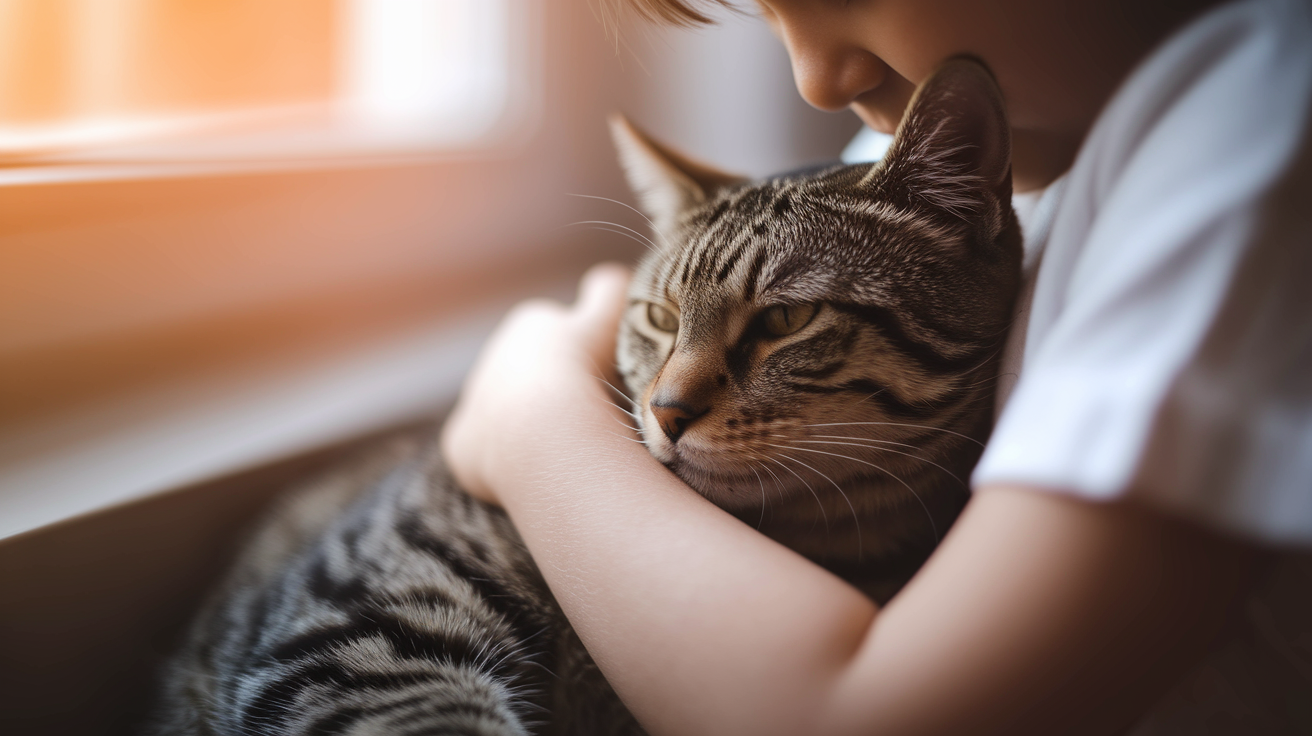
A truly kid friendly cat shows patience when a child’s hug lasts too long, stays calm when voices get loud, and tolerates being picked up even when it’s not their idea. Temperament matters more than looks. The best family cats have low reactivity. They don’t startle easily, they recover quickly from surprises, and they actively seek out interaction rather than hiding. Playfulness is a bonus, but tolerance is the foundation.
Grooming demands, activity needs, and health considerations determine whether your family can actually sustain the match long term. A stunning long haired breed that requires daily brushing becomes a source of stress if no one has fifteen minutes every evening. A high energy cat in a household with toddlers who nap twice a day will invent trouble. Health screening matters because some breeds carry genetic conditions that lead to expensive vet bills or early decline. Information you deserve before you commit.
When comparing breeds, expect lifespans between 10 and 20 years depending on the type. Grooming frequency ranges from once a week for shorthairs to several sessions per week for breeds with dense or silky coats. Activity levels are often rated on a 1–5 scale, where 1 is a lap cat and 5 is a cat that’ll knock things off counters if bored. These numbers help you match the cat’s needs to your family’s actual bandwidth.
Before choosing a breed, evaluate these core factors:
Temperament with children. Tolerance for noise, handling, and unpredictable movement. Grooming and time requirements. How many sessions per week and whether professional help is needed. Activity level matched to child age. High energy cats suit older kids, calm cats suit toddlers. Health issues and screening. Ask breeders or rescues about common conditions and testing. Size and handling tolerance. Larger cats are sturdier, smaller cats may feel fragile to young children. Budget for adoption, purchase, and ongoing care. Expect $300–$1,000 in the first year, then $500–$1,500 annually.
Overview of the Best Cat Breeds Known for Kid Friendly Traits

The breeds in this guide were chosen because they consistently show patience, adaptability, and a genuine interest in family life across multiple sources, including The Cat Fanciers’ Association and The International Cat Association. These aren’t the only cats that can thrive with children, but they represent the most reliable starting points for parents who want predictable temperaments and manageable care requirements.
Each breed profile includes the metrics that matter most in a busy household. Weight, lifespan, grooming frequency, activity level, and realistic cost ranges for both adoption and breeder purchase. Some are calm lap cats, some are playful companions for active kids, and a few fall somewhere in between. The goal is to help you match a breed to your family’s energy, schedule, and tolerance for fur on the couch.
The eight recommended breeds for families with children are:
Ragdoll. Maine Coon. Birman. American Shorthair. British Shorthair. Burmese. Ragamuffin. Sphynx.
Detailed Profiles of Kid Friendly Cat Breeds

Ragdoll
The Ragdoll is famously tolerant and often goes limp when picked up, earning the breed its name. These cats actively seek out family members, follow children from room to room, and tolerate the kind of handling that’d make other breeds walk away. They’re large but gentle, with males reaching up to 20 pounds, and they’ve got a calm, easygoing presence that works well even with toddlers. Ragdolls live 12–17 years on average, require brushing two to three times per week to prevent mats, and score a 5 out of 5 for kid friendliness. Adoption fees typically range from $50 to $200. Breeder prices run $800 to $2,000. The main health concern is hypertrophic cardiomyopathy (HCM), so ask breeders for cardiac screening documentation.
Maine Coon
Maine Coons are one of the largest domestic cat breeds, with males often exceeding 20 pounds, but they’re known as “gentle giants” for good reason. They’re patient with children, enjoy interactive play, and many even tolerate water. Their size makes them sturdy enough to handle enthusiastic petting from preschoolers, and their social nature means they don’t mind sharing attention with siblings or other pets. Expect a lifespan of 10–15 years, grooming sessions two to four times per week due to their long, thick coat, and an activity level around 3–4 out of 5. Adoption costs range from $75 to $250. Breeder prices typically fall between $900 and $2,500. Common health issues include hip dysplasia and HCM, so confirm that breeders screen for both.
Birman
Birmans are affectionate without being clingy, social without being demanding, and they adapt well to homes with children and other animals. They’re medium sized cats (6–12 pounds) with silky coats that require only weekly brushing, making them one of the lower maintenance longhaired breeds. Birmans enjoy gentle play and lap time, and they’re known for being trainable and responsive to their names. Their activity level sits at 2–3 out of 5, and their kid friendliness rating is a solid 5 out of 5. They live 12–16 years on average. Adoption fees are typically $50–$250, while breeder prices range from $800 to $1,600. Health concerns are minimal, but always ask breeders for genetic screening details.
American Shorthair
The American Shorthair is the dependable all arounder. Even tempered, adaptable, and tolerant of the noise and chaos that come with family life. These cats are sturdy (8–15 pounds), low maintenance, and known for living 15–20 years, one of the longest lifespans among common breeds. They’re playful without being hyperactive, content to entertain themselves by a window, and they don’t demand constant attention. Grooming is simple. Once a week is usually enough. Activity level is moderate (3 out of 5), and kid friendliness is a 5 out of 5. Adoption fees are often very affordable, $25–$200, because American Shorthairs are commonly available in shelters. Breeder prices range from $400 to $1,200. Health issues are rare, making this breed a practical choice for families who want a low drama companion.
British Shorthair
British Shorthairs are calm, patient, and less demanding than many other breeds, making them ideal for families who want a cat that won’t follow them everywhere. They tolerate children well, but they’re not lap cats in the traditional sense. They prefer sitting nearby rather than being held for long periods. These are solid, chunky cats (9–18 pounds) with a plush coat that needs weekly brushing, more during shedding season. They live 12–20 years, have a low activity level (2 out of 5), and score 4–5 out of 5 for kid friendliness. Adoption fees are typically $50–$250. Breeder prices run $800–$1,800. Watch for obesity, as this breed can become overweight without portion control and regular play.
Burmese
Burmese cats are people oriented and affectionate, often described as dog like in their attachment to family members. They seek out interaction, enjoy being part of household routines, and bond strongly with children who engage them in play. These cats are medium sized (6–12 pounds), have short coats that need only weekly brushing, and live 10–16 years. Activity level is moderate (3 out of 5), and kid friendliness is 4–5 out of 5, especially in households where the family can provide daily attention. Adoption fees range from $50 to $250. Breeder prices are typically $800–$1,800. Burmese cats can be vocal and may become overweight if overfed, so portion control and dental care are important.
Ragamuffin
The Ragamuffin is exceptionally docile, often described as one of the most patient breeds for families with small children. These cats are large (10–20 pounds), love being held and cuddled, and rarely show aggression even when handling gets a little clumsy. They’re laid back, with an activity level around 2 out of 5, and they thrive in homes where someone is usually around. Grooming needs are light to moderate. Once or twice a week. Their lifespan is 12–18 years. Kid friendliness is excellent across the board. Adoption is rare but possible at $50–$250. Breeder prices typically range from $800 to $2,000. Health issues are uncommon, but always ask about the breeder’s health guarantees.
Sphynx
The Sphynx is a unique choice. Hairless, warm to the touch, and intensely people focused. These cats are playful, tolerant of handling, and often described as having a dog like personality. They’ll follow you around, greet visitors, and seek out attention from anyone willing to give it. They’re medium sized (6–12 pounds), live 8–14 years, and have a moderate to high activity level (3–4 out of 5). Kid friendliness is 4–5 out of 5, especially in families who understand the grooming commitment. Sphynx cats need weekly baths to remove skin oils, regular ear cleaning, and protection from temperature extremes. Adoption is rare and costs $200–$500. Breeder prices run $1,500–$3,000. This breed is indoor only and requires more hands on care than most, but for families who want an interactive, affectionate cat and are prepared for the maintenance, the Sphynx delivers.
Comparison Chart for Families Comparing Cat Breeds

This table gives you a quick side by side look at how the eight recommended breeds compare on the factors that matter most in a household with children. Use it to narrow your list based on your family’s energy level, grooming capacity, and budget.
| Breed | Kid Friendliness (1–5) | Activity (1–5) | Grooming | Avg Weight (lbs) | Lifespan (yrs) | Typical Cost |
|---|---|---|---|---|---|---|
| Ragdoll | 5 | 2 | 2–3×/week | 8–20 | 12–17 | Adopt $50–$200; Breeder $800–$2,000 |
| Maine Coon | 5 | 3–4 | 2–4×/week | 10–25 | 10–15 | Adopt $75–$250; Breeder $900–$2,500 |
| Birman | 5 | 2–3 | 1×/week | 6–12 | 12–16 | Adopt $50–$250; Breeder $800–$1,600 |
| American Shorthair | 5 | 3 | 1×/week | 8–15 | 15–20 | Adopt $25–$200; Breeder $400–$1,200 |
| British Shorthair | 4–5 | 2 | 1×/week | 9–18 | 12–20 | Adopt $50–$250; Breeder $800–$1,800 |
| Burmese | 4–5 | 3 | 1×/week | 6–12 | 10–16 | Adopt $50–$250; Breeder $800–$1,800 |
| Ragamuffin | 5 | 2 | 1–2×/week | 10–20 | 12–18 | Adopt $50–$250; Breeder $800–$2,000 |
| Sphynx | 4–5 | 3–4 | Weekly bath | 6–12 | 8–14 | Adopt $200–$500; Breeder $1,500–$3,000 |
Safety Guidelines for Child–Cat Interaction at Different Ages
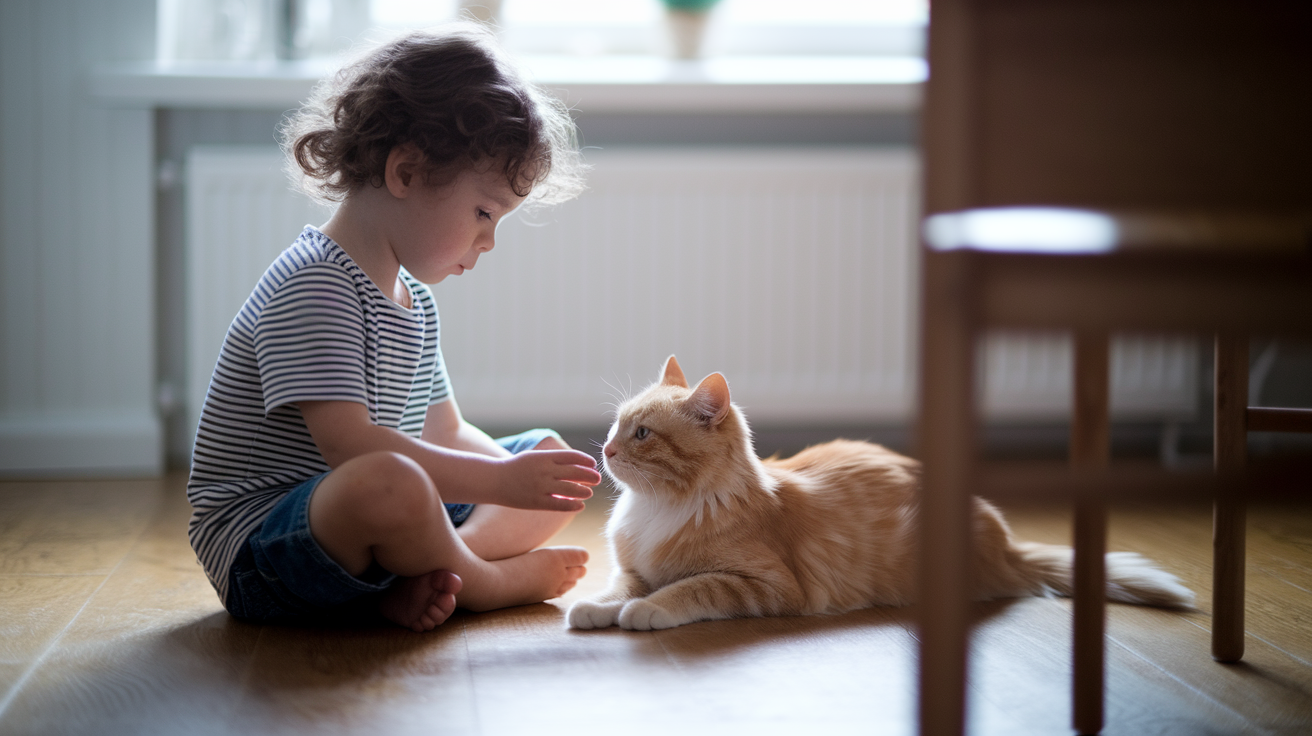
Children under five should never be left alone with a cat, even a tolerant one. Toddlers don’t yet understand cause and effect, and they can accidentally hurt a cat while trying to hug, carry, or “pet” with too much force. Most families can begin allowing unsupervised time around ages 10–12, once the child has demonstrated consistent gentle handling and the ability to read the cat’s body language.
Watch for stress signals. A cat that looks smaller (hunched posture), has ears turned slightly back or flattened, or swishes its tail in quick, agitated movements is asking for space. When you see these signs, give the cat a few minutes alone before re-engaging. Kittens and adolescent cats between 3 and 12 months are at higher scratch risk because they play rough and haven’t yet learned to control their claws. Expect more accidental scratches during this stage and redirect play to toys, not hands.
Set up safe zones before the cat arrives. Provide at least two or three elevated perches (cat trees, shelves, or window seats) and designate one quiet room where the cat can retreat when the house gets loud. Teach children that when the cat goes to its safe space, it’s off limits until it comes out on its own.
Five handling rules every child must follow:
Never pull the cat’s tail, ears, or whiskers. These are sensitive and painful when tugged. Always support the cat’s body with both hands when picking it up, one under the chest and one under the back legs. Don’t wake a sleeping cat or bother it while it’s eating or using the litter box. No tight hugging or squeezing. If the cat squirms, put it down immediately. Stop all interaction when the cat hisses, growls, or tries to move away.
Care Requirements and Recurring Costs for Family Friendly Cats

One time costs start with the adoption or purchase fee, which ranges from $50 to $250 at shelters and rescues, or $600 to $2,500 from breeders depending on the breed. Add spay or neuter surgery if not already done ($100–$500), a microchip for identification ($25–$50), and initial vaccinations if the cat is young. First year supply costs (carrier, litter box, scratching post, bedding, and toys) typically run $150 to $400.
Annual recurring costs include food ($240–$720 per year, or roughly $20–$60 per month depending on brand and cat size), litter ($120–$300 per year), and routine veterinary care ($200–$600 annually for wellness exams, vaccinations, and preventive treatments). Unexpected health issues can easily exceed $1,000, so many families budget an extra cushion or consider pet insurance. Long haired breeds and the Sphynx add grooming costs. Professional grooming or frequent baths can add $100–$500 per year if you’re not doing it yourself.
Plan for these six recurring cost categories:
Food and treats. Higher quality food costs more but often reduces vet bills long term. Litter and litter box supplies. Clumping litter is convenient but more expensive than clay. Routine vet visits. Annual exams, vaccinations, flea and tick prevention, dental checks. Grooming. Brushes, nail clippers, occasional professional grooming for long haired breeds. Toys and enrichment. Replace worn out toys, rotate puzzle feeders, update scratching posts. Emergency and illness care. Budget a contingency fund or look into pet insurance.
Adoption and Selection Tips for Choosing the Right Family Cat
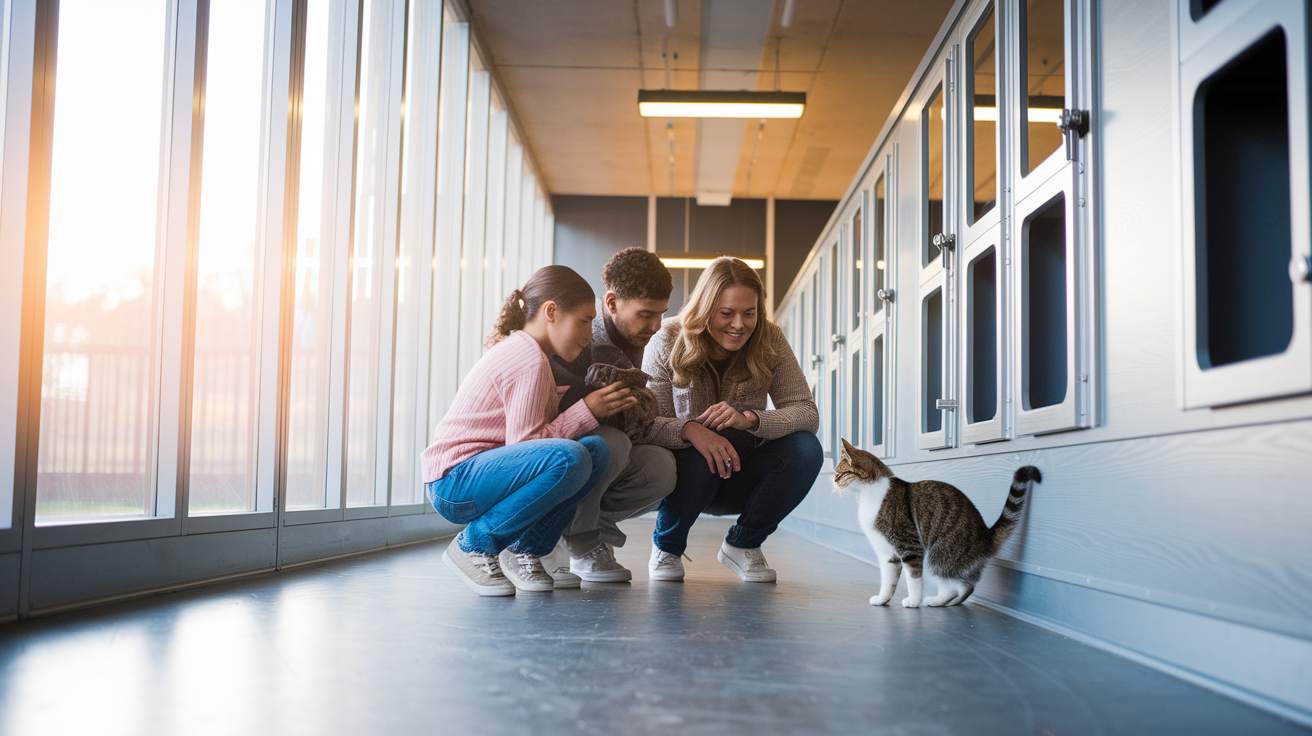
Adult cats between one and three years old show more predictable temperaments than kittens, making them a safer bet for families who need to know exactly what they’re getting. Kittens are adorable, but their adult personality won’t fully emerge until around 18 months. If you do adopt a kitten, aim for one that’s at least 10–14 weeks old. This gives them time to learn bite inhibition and social skills from their mother and littermates.
Many rescues and shelters offer trial periods of 7 to 14 days, allowing you to bring the cat home and see how it fits before finalizing the adoption. Use that time to observe how the cat reacts to noise, how it behaves around your children, and whether it seeks out interaction or hides. If the fit isn’t right, a good rescue will work with you to find a better match.
When visiting a shelter or breeder, ask these five questions:
What is this cat’s history with children, and has it shown any fear or aggression around kids? How does the cat react to loud noises, sudden movements, and being picked up? What are the cat’s litter box habits, and have there been any accidents or issues? Are health records available, including vaccination dates, spay/neuter status, and any known medical conditions? What is your trial period or return policy if the cat doesn’t adjust well to our home?
Behaviors, Red Flags, and Breeds That Require Extra Consideration

Red flags at adoption include consistent biting (not playful nipping, but hard bites that break skin), uncontrollable scratching even when redirected to appropriate surfaces, extreme hiding that lasts more than a few days, and aggression toward children during controlled introductions. A cat that hisses or swats once when startled is normal. A cat that repeatedly lunges or attacks without provocation is not a safe choice for a household with kids.
Avoid relying on “hypoallergenic” breed claims. No cat is truly allergy free. Some breeds produce slightly less of the Fel d 1 protein that triggers reactions, but individual cats vary, and allergic children may still react. If allergies are a concern, spend time with the specific cat you’re considering before committing. Similarly, avoid declawing as a solution to scratching concerns. It’s painful, can cause long term behavioral problems, and is banned or discouraged by most veterinary organizations. Instead, trim nails every two to four weeks and provide multiple scratching posts.
Watch for these six red flags during adoption or the first few weeks at home:
Repeated hard biting or scratching that draws blood, even during gentle interaction. Refusal to use the litter box consistently, with accidents happening in common areas. Extreme fear or hiding for more than two weeks without gradual improvement. Aggression when children are nearby, including stalking, hissing, or swatting unprovoked. Obsessive grooming, hair loss, or signs of severe stress like refusing to eat. Breeder or seller who can’t provide health records, vaccination proof, or genetic screening documentation.
Real Family Experiences and Common Success Patterns With Kid Friendly Cats

Many parents report that the calmest, most docile breeds (Ragdolls, Ragamuffins, and British Shorthairs) handle toddler mistakes better than more reactive cats. Households with children under five often see the best results when they choose a very tolerant adult cat rather than a kitten, because the adult’s temperament is already known and stable. Early socialization is the strongest predictor of success. Cats that were handled frequently and positively by children during their first few months adjust faster and show more patience.
Trial periods make a measurable difference. Families who use the first one to two weeks to observe interactions, establish routines, and teach children the five handling rules report fewer behavioral issues and stronger bonds. Veterinarians commonly recommend trimming nails every two to four weeks to reduce the severity of accidental scratches, especially during the high energy kitten phase.
Common themes from families who successfully matched cats and kids:
Choosing a breed with a documented history of patience and low reactivity made daily life smoother. Teaching children to recognize stress signals (ears back, tail swishing) before the cat escalates to scratching. Providing safe spaces and enforcing “leave the cat alone” rules when it retreats prevented most conflicts. Using trial adoption periods to confirm the match before fully committing reduced regret and returns.
FAQs About Selecting the Best Cat Breeds for Families With Kids
Which breed is best for families with toddlers?
Ragdolls, Ragamuffins, and British Shorthairs are the most tolerant of young children because they stay calm under handling and rarely react aggressively. Always supervise toddlers regardless of breed.
Are any cat breeds truly hypoallergenic for children with allergies?
No breed is guaranteed allergy free. Some breeds like the Sphynx or Balinese may produce slightly less allergen, but individual reactions vary. Spend time with the specific cat before adopting.
How long does it take for a cat to adjust to a new home with kids?
Expect an adjustment period of 2 to 12 weeks. Some cats settle in within days, others need a month or more to feel comfortable around noise and activity.
Can I leave my child and cat alone together, and at what age?
Most families can allow unsupervised time starting around ages 10–12, once the child consistently follows handling rules and can read the cat’s body language.
What is the typical lifespan for kid friendly cat breeds?
Most family friendly breeds live 10 to 20 years depending on the type. American Shorthairs and British Shorthairs often reach the upper end of that range with good care.
Final Words
Fit matters more than looks. Start with temperament and supervision: patience, low reactivity, and a grooming and activity plan you can keep.
We walked through eight family-friendly breeds, full profiles, a comparison chart, safety rules by age, expected costs, adoption tips, red flags, and real-family lessons to help you choose.
Use this guide to narrow choices and pick the best cat breeds for families with kids that match your daily life. You can do this, and your family will love the result.
FAQ
Q: What is the most kid friendly cat breed and what is the calmest nicest cat breed?
A: The most kid-friendly and calmest cat breeds are Ragdoll, Birman, Maine Coon, British Shorthair, and Ragamuffin. They’re patient, tolerate handling, and run at low-to-moderate energy—good for supervised children.
Q: What is the 3-3-3 rule for cats?
A: The 3-3-3 rule for cats says 3 days to feel safe, 3 weeks to explore and settle, and 3 months to fully bond and settle into routine; use a quiet room and slow introductions.
Q: What is the silent killer of cats?
A: The silent killer of cats is chronic kidney disease, which often progresses without obvious signs; regular vet exams with blood and urine tests help catch and manage it early.