

A dog won’t cure anxiety or depression, but the right breed can make bad days much easier.
Touching and caring for a dog raises serotonin and dopamine—real brain chemicals that help mood—and lowers cortisol, the stress hormone.
Some breeds do this work better because they stay calm, crave close contact, and notice when you’re off before you say anything.
This post lists top breeds, shows daily needs, and calls out trade-offs like exercise, grooming, vet costs, and alone-time tolerance.
You’ll finish with a clear short list that fits your life.
Key Dog Breeds That Best Support Anxiety and Depression Relief
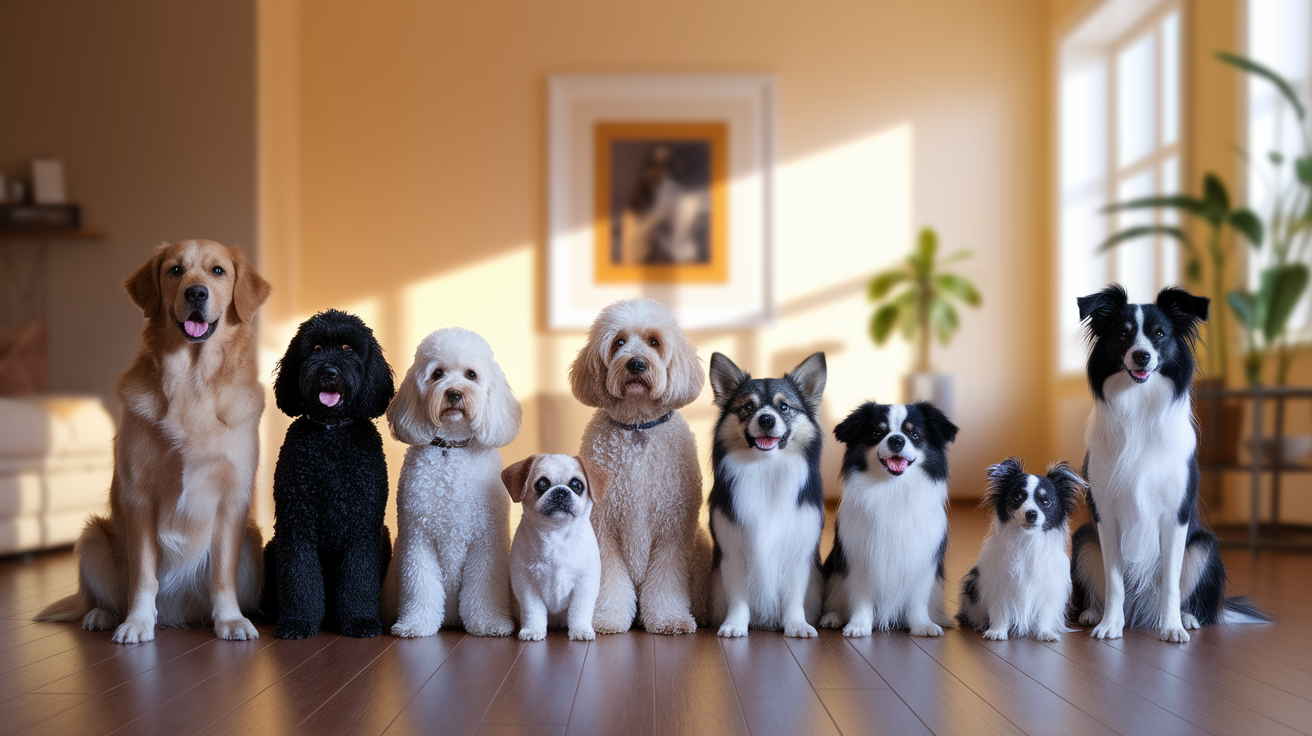
Some breeds just do this better than others. When it comes to emotional support, you’re looking at dogs that stay calm, bond hard with their people, and somehow know when you’re struggling before you’ve said a word. The best dog breeds for anxiety and depression don’t just keep you company. They’re predictable, trainable, and they actually want to be near you. Research backs this up: spending time with these dogs boosts serotonin and dopamine (the hormones that help you feel good) while dropping cortisol, which is your stress marker. A lot of these breeds can pick up on physiological changes before you consciously register panic building. They respond with touch, distraction, or just being there.
Here are 10 breeds known for solid emotional support:
Golden Retriever – Calm, empathetic, proven therapy dog.
Labrador Retriever – Reliable, social, great if you need routine and movement.
Cavalier King Charles Spaniel – Gentle lap dog, perfect for constant touch.
Poodle (Toy/Mini/Standard) – Smart, hypoallergenic, excels in therapy settings.
Corgi – Playful and affectionate, lifts your mood while staying close.
Shih Tzu – Low energy lap dog, works in small spaces and with limited mobility.
Pug – Ultimate clingy companion, needs constant human contact.
Border Collie – Emotionally sharp and intelligent, best for active owners.
Bichon Frise – Cheerful, non-threatening, good for allergy concerns.
Greyhound – Surprisingly mellow indoors despite athletic background.
When you’re looking at this list, think about how each breed’s energy, size, and grooming needs fit your actual day. A Border Collie helps if structured exercise combats your symptoms. A Shih Tzu works if you need calm, close companionship without demanding walks. The profiles below go deeper into lifestyle fit and health trade-offs.
Core Traits That Make the Best Dog Breeds for Anxiety and Depression

The dogs that help most with anxiety share a handful of temperament and behavior traits that directly address what you’re dealing with. Affection and physical closeness matter. Breeds that naturally want lap time, lean into you, or follow you room to room give you the tactile grounding that can interrupt panic spirals and ease loneliness. Intuitiveness is another piece: dogs bred for companionship or therapy work notice subtle shifts in your breathing, posture, or tone. Often they respond before you ask. Predictability counts too. Breeds with even tempers and low reactivity create a calming environment instead of adding stress.
From a science standpoint, touching and caring for a dog triggers real physiological changes. Stroking a dog’s coat lowers blood pressure, slows respiration, and decreases cortisol. At the same time, it increases oxytocin (the bonding hormone), which improves mood and reduces isolation. The daily tasks of feeding, grooming, and walking a dog build structure and purpose. Two things that often erode during depressive episodes. Social opportunities increase too, since walking a friendly dog naturally invites conversation and reduces the avoidance behaviors common in anxiety disorders.
When choosing a breed for depression support, prioritize these five traits:
- Natural affection and desire for physical closeness – Breeds that enjoy cuddling and proximity provide constant emotional reassurance.
- High trainability – A dog that learns commands quickly becomes a true partner instead of another source of stress.
- Calm or moderate energy – Very high energy dogs can overwhelm someone already managing mental health symptoms. Moderate activity levels match most owners better.
- Low aggression and high sociability – Friendly, non-reactive dogs integrate smoothly into daily life and reduce worry about behavior in public or around visitors.
- Emotional attunement – Breeds known for reading human moods and responding with supportive behaviors (leaning, resting near you, gentle nudging) amplify the therapeutic effect.
Breed Profiles: Understanding Why These Dogs Help With Anxiety and Depression

Golden Retriever
Golden Retrievers are people focused to their core. Their affectionate, steady temperament makes them one of the most common therapy dog breeds in hospitals, schools, and counseling centers. They thrive on companionship and respond intuitively to emotional cues, often leaning against an anxious owner or resting a paw on a lap during distress. Their high trainability means they learn calming routines quickly. Sitting quietly during panic attacks, fetching specific items, or providing deep pressure contact on command.
Energy needs are high: expect 60+ minutes of daily activity, which can be a positive forcing function if exercise helps your symptoms. They’re large dogs, typically 55 to 75 pounds, so they need space and aren’t ideal for tiny apartments. Lifespan averages 10 to 12 years. Grooming is moderate. Weekly brushing handles routine shedding, with heavier seasonal coat blowouts twice a year. Common health risks include hip dysplasia and certain cancers, so factor potential vet costs into your decision.
Labrador Retriever
Labradors share the Golden Retriever’s steady, empathetic temperament but tend to be slightly more food motivated, which makes training straightforward. They’re social, dependable, and excellent for owners who benefit from structured daily routines. Walking, playing fetch, or simple training sessions become predictable anchors in your day. Labs are also large, 55 to 80 pounds, and need similar exercise commitments: 60+ minutes daily.
They live 10 to 13 years on average. Grooming is easier than Goldens: short coats need only occasional brushing. The biggest health watch out is obesity, since Labs love food and will overeat if portions aren’t managed. Hip and elbow dysplasia are also common. If you’re using a dog to build active habits and social connection, a Lab is hard to beat.
Cavalier King Charles Spaniel
Cavaliers are the textbook lap dog. Gentle, cuddly, and affectionate, they’re happiest sitting on or beside you for hours. Their small size (13 to 18 pounds) makes them apartment friendly and easy to transport. Energy needs are moderate: 30 minutes of daily activity is usually enough. They’re highly trainable and respond well to gentle, reward-based methods.
Lifespan ranges from 9 to 14 years. Grooming requires regular brushing to prevent mats in their silky coats. The major health concern is mitral valve disease, a progressive heart condition common in the breed. Cavaliers also carry risks for eye problems and ear infections. They don’t tolerate being alone well. Separation anxiety and barking can develop if left for long stretches. If you’re home frequently and want constant, calming physical presence, a Cavalier delivers exactly that.
Poodle (Toy/Mini/Standard)
Poodles come in three sizes, so you can match the breed’s intelligence and trainability to your living situation. Toy Poodles weigh around 4 to 6 pounds, Miniatures 10 to 15 pounds, and Standards 40 to 70 pounds. All share the same core temperament: highly intelligent, adaptive, people oriented, and eager to please. Their hypoallergenic coats make them suitable for allergy sensitive owners, and grooming time can become a therapeutic bonding routine.
Trainability is exceptional. Poodles excel in therapy work because they learn supportive behaviors quickly and perform them reliably. Energy varies by size: Toy and Mini Poodles need 20 to 30 minutes daily. Standards need closer to 60 minutes. Lifespan is long. Toy and Mini Poodles often reach 12 to 15 years. Standards live 10 to 13 years. Grooming is high maintenance: plan for professional clips every 4 to 8 weeks if you keep the coat trimmed, or daily brushing if left longer. Health risks include luxating patella (kneecap issues) and cataracts, some of which can require costly treatment. The payoff is a deeply intuitive, responsive companion that adapts to your emotional rhythms.
Corgi
Corgis (both Pembroke and Cardigan varieties) bring playful energy and affection in a compact, medium sized package (around 25 to 30 pounds). Their entertaining movement and comedic expressions naturally lift mood, and they’re affectionate when settled. Intelligence is high, so training goes smoothly. Moderate energy means 30 to 60 minutes of daily activity, which many owners find manageable and mood boosting.
Lifespan is 12 to 15 years. Grooming needs are moderate. The breed’s distinctive body shape (long spine, short legs) creates a higher risk for intervertebral disc disease (slipped discs). Severe cases can require surgery. If you want a dog that balances playfulness with companionship and can handle life in smaller homes, a Corgi works well as long as you manage back health risks proactively.
Shih Tzu
Shih Tzus are built for laps and low energy companionship. Small (9 to 16 pounds), friendly, and alert, they thrive in apartments and with owners who have limited mobility. Energy needs are minimal (20 to 30 minutes daily) and they’re happiest close to you, whether on the couch or following you around the house. Lifespan is long: 10 to 16 years.
Grooming is the trade off. If you keep the coat long, daily brushing is essential to prevent mats. Many owners opt for a shorter “puppy cut” and professional grooming every 6 to 8 weeks, which reduces daily work. Shih Tzus are hypoallergenic, shedding very little. Health risks include dental problems and breathing issues common in flat faced breeds, though less severe than in Pugs or Bulldogs. For constant, low key physical comfort in a small package, a Shih Tzu is hard to improve on.
Pug
Pugs are intensely clingy. They require frequent human contact and will follow you everywhere, making them ideal if loneliness is a core symptom. Their small size (14 to 18 pounds) and low to moderate energy (30 minutes daily) fit apartment life. Temperament is charming, playful, and social.
Lifespan is 12 to 15 years, but health risks are significant. Pugs are brachycephalic (short nosed), which causes breathing difficulties, especially in heat or during exercise. Eye problems are common due to prominent eyes, and Pug Dog Encephalitis (a serious neurological condition) can cause seizures, blindness, and mobility issues. Vet costs can be high, so pet insurance is strongly recommended. Pugs also struggle with separation anxiety and can become destructive or noisy if left alone too long. If you have the time, can manage potential medical expenses, and need a dog that refuses to leave your side, a Pug provides unmatched devotion.
Border Collie
Border Collies are brilliant, emotionally attuned, and responsive, but they’re only a good match if you’re highly active. Their intelligence and herding instincts mean they notice every shift in your mood and respond with empathy. For owners who use exercise as therapy, a Border Collie becomes a powerful motivator. Structured daily walks, training, and mental enrichment become shared routines that lift both your moods.
Energy needs are very high: expect 60 to 90+ minutes of intense activity daily. Without it, Border Collies can become overactive, anxious, or destructive. Size is medium (30 to 55 pounds), and lifespan is 12 to 15 years. Grooming is moderate. Health issues are fewer than in many breeds, but the mental and physical stimulation demands are non-negotiable. This breed is best for owners whose depressive or anxious symptoms improve with movement, structure, and a highly engaged companion.
Matching the Best Dog Breeds for Anxiety and Depression to Your Lifestyle

Choosing the best dog breeds for anxiety and depression requires honest self assessment of your daily energy, living space, and time. High energy breeds like Border Collies and Vizslas need 60 to 90+ minutes of intense activity every day. If you’re managing depressive symptoms that make getting out of bed difficult, that mismatch creates stress for both of you. On the other hand, if physical activity is part of your coping strategy, a Golden Retriever or Labrador can be the forcing function that gets you outside and moving, which directly improves mood. Low energy breeds (Shih Tzus, English Bulldogs, Chihuahuas) are better suited to owners who need calm, close companionship without demanding exercise routines.
Living space matters too. Small apartments accommodate toy and small breeds (Cavaliers, Pugs, Poodles) more easily than large, active dogs. Grooming is another daily reality. Poodles and Shih Tzus require professional grooming every 4 to 8 weeks and regular brushing at home, which some owners find therapeutic and others find burdensome. English Bulldogs and Pugs need special attention to facial folds to prevent infection. Separation anxiety is common in breeds like Cavaliers and Pugs. They’re bred for constant companionship and struggle when left alone for long stretches. If your work or lifestyle requires frequent absences, choose a breed with better alone time tolerance, like a Greyhound or a trained adult Labrador.
Here are good matches for common lifestyle types:
Active owner, outdoor access, family home – Golden Retriever, Labrador Retriever, Border Collie.
Apartment living, limited mobility, need for constant closeness – Shih Tzu, Cavalier King Charles Spaniel, Pug.
Allergy concerns, moderate activity – Poodle (any size), Bichon Frise.
Sedentary lifestyle, calm companionship, minimal grooming – Greyhound (adult), English Bulldog (with health cost awareness).
Emotional Support Dog vs Service Dog: Choosing What You Actually Need
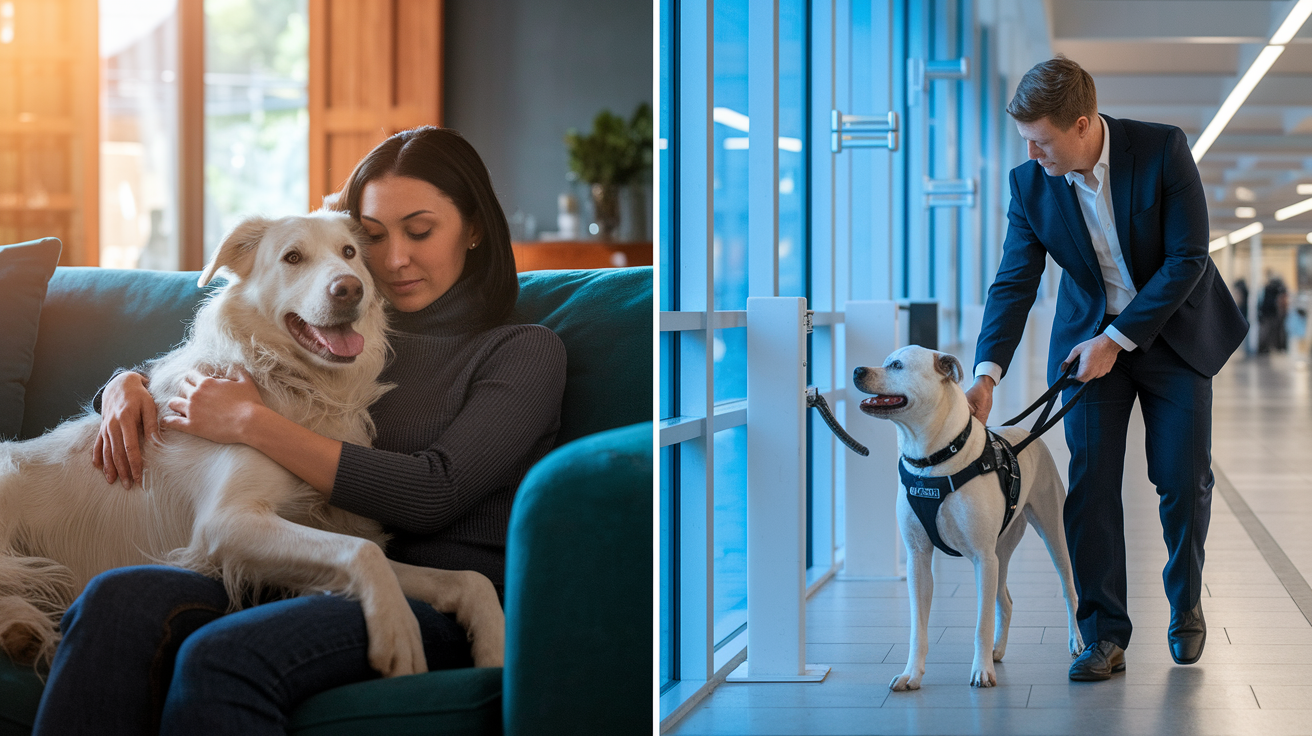
An emotional support animal (ESA) provides comfort and companionship through presence. ESAs rely on natural behavior (cuddling, staying close, responding to your mood) and don’t require formal task training. To qualify for housing protections under the Fair Housing Act, you need a letter from a licensed mental health professional (psychiatrist, psychologist, or therapist) stating that the animal supports your mental health. ESAs do not have public access rights. They’re classified as pets in most public spaces, meaning restaurants, stores, and transportation providers can refuse entry unless they have pet friendly policies.
A service dog is trained to perform specific tasks that mitigate a disability. Examples include deep pressure therapy during panic attacks, turning on lights during dissociative episodes, fetching medication or a phone, or interrupting self harm behaviors. Service dogs are protected under the Americans with Disabilities Act (enacted in 1990), which grants public access rights in all areas where the general public is allowed. Training is intensive, often taking 18 to 24 months, and costs can range from $15,000 to $30,000 if professionally trained, though owner training is also legal.
What ESAs can and cannot do:
Can: Provide housing accommodation in no pet buildings with a valid ESA letter.
Can: Offer emotional comfort, reduce loneliness, and respond intuitively to your mood.
Cannot: Access public spaces where pets are prohibited (restaurants, grocery stores, most airlines under current rules).
Cannot: Replace formal therapy or psychiatric care. They’re a supportive tool, not a standalone treatment.
If you need a dog for home-based emotional support, an ESA with basic obedience training is often sufficient. If you need a dog that performs specific tasks in public to manage disability level symptoms, pursue a trained service dog through an accredited program or work with a professional trainer experienced in psychiatric service dog tasks.
Essential Care, Costs, and Daily Needs for Supportive Breeds
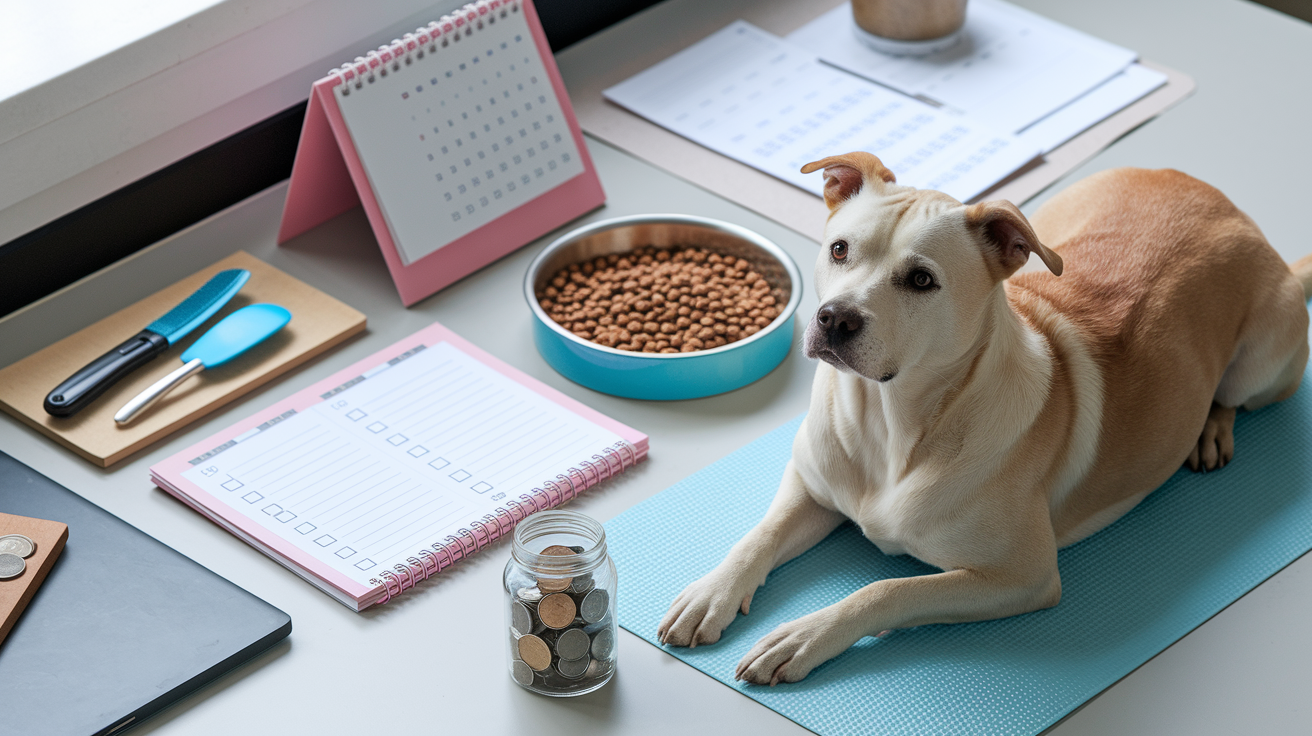
Owning a support dog means committing to daily routines that benefit both of you. Exercise is non-negotiable and varies widely by breed: low energy dogs like Shih Tzus need 20 to 30 minutes, while high energy breeds like Border Collies and Vizslas require 60 to 90+ minutes of structured activity. Walking, playing fetch, or training sessions become anchors in your day, and for many people managing depression, that predictable routine improves symptoms. Grooming routines (brushing, checking ears, cleaning facial folds on brachycephalic breeds) double as bonding time. The repetitive, tactile nature of brushing a calm dog can be calming for the owner, lowering anxiety and creating closeness.
Bonding techniques include short, positive training sessions that reinforce commands like “sit,” “stay,” and “come,” which build trust and predictability. Reward based methods work best for supportive breeds, which tend to be people oriented and eager to please. Simple rituals (a morning walk, evening cuddle time, feeding at consistent times) give structure to your day and create a reciprocal relationship where both you and the dog benefit from the routine.
Financial expectations are real and ongoing. First year costs typically run $1,000 to $2,500, covering initial vet visits (vaccinations, spay/neuter, microchipping), supplies (bed, crate, leash, collar, toys, grooming tools, food bowls), and basic training. Annual costs average $800 to $2,000, depending on size, health, and region, covering food, routine vet care, dental cleanings, flea/tick prevention, and grooming. Breeds with known health risks (Pugs, English Bulldogs, Cavaliers) can push vet expenses much higher. Pet insurance can help manage those costs. Policies typically range from $20 to $60 per month depending on coverage level and breed risk. Supplies to budget for include treats, toys, wipes, shampoo, toothpaste and brush, nail clippers, leash and collar, bed, crate, pee pads (if needed), and seasonal items like jackets for cold sensitive breeds.
| Breed Type | Daily Exercise Needs | Grooming Level | Expected Annual Cost |
|---|---|---|---|
| Low energy small (Shih Tzu, Pug) | 20 to 30 minutes | Moderate to High | $800 to $1,500 |
| Moderate small (Cavalier, Corgi) | 30 to 45 minutes | Moderate | $900 to $1,600 |
| Moderate to High medium (Poodle, Cocker Spaniel) | 30 to 60 minutes | High | $1,000 to $1,800 |
| High energy large (Golden, Labrador) | 60+ minutes | Moderate | $1,200 to $2,000 |
| Very high energy (Border Collie, Vizsla) | 60 to 90+ minutes | Low to Moderate | $1,200 to $2,000 |
Final Words
You saw a ranked list of 10 breeds that often help with mood — Cavalier, Golden Retriever, Pug, Poodle, and more — plus one-line traits and why those traits matter.
We also covered core temperament and the science (touch lowers cortisol), profiles with health watch-outs, how to match energy and grooming to your home, and the ESA vs service dog differences. Think about daily time, vet budget, and training need before deciding.
Use this guide to pick one of the best dog breeds for anxiety and depression that fits your routine, and enjoy the steady comfort a good dog can bring.
FAQ
Q: What to do if your dog cries or freaks out when you leave?
A: If your dog cries or freaks out when you leave, it’s often separation anxiety, boredom, or learned behavior. Try short practice departures, extra exercise, calming cues, puzzle toys, crate training, and consult a trainer or vet if severe.
Q: Can you get a service dog for anxiety and panic attacks?
A: You can get a service dog for anxiety and panic attacks when the dog is trained to perform tasks like grounding or interrupting panic; service dogs must be task-trained and are protected under the ADA.
Q: What is the best dog for mental illness?
A: The best dog for mental illness is not one breed; many owners find Cavalier King Charles Spaniel, Golden Retriever, Poodle, Pug, Shih Tzu, Corgi, Border Collie, Vizsla, Chihuahua, or English Bulldog helpful—match energy and grooming to your life.