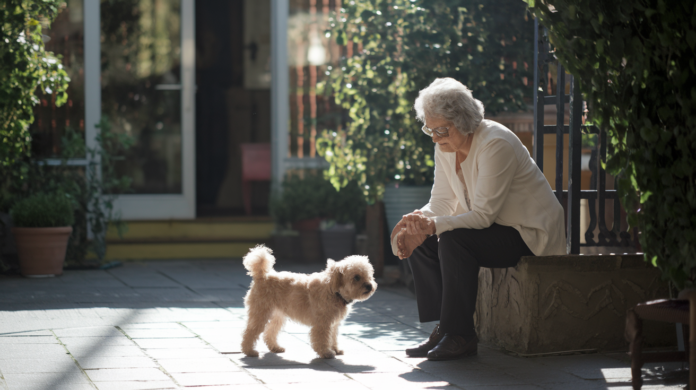

Think the best dog for a senior has to be young and high-energy? Not true. Many older adults do better with calm, small breeds that want short walks, lap time, and easy grooming. These dogs give steady companionship without turning daily life into a full-time job. This guide highlights breeds that are loyal and low maintenance, the kinds that fit apartments, short outings, and gentler budgets, so you can quickly decide which dog is a clear yes, which is a no, and which one might wait.
Quick Summary of Top Dog Breeds Ideal for Seniors

Seniors usually do best with breeds that don’t ask for much, stay friendly, and fit into smaller spaces without drama. The best dog breeds for seniors share a few things: they don’t need hours outside, they’re calm when you’re home, and their grooming and training needs won’t blow your budget or exhaust you. Here’s a list of breeds that tend to offer solid companionship without turning daily life into a full time job.
- Cavalier King Charles Spaniel – affectionate lap dog with moderate exercise needs and gentle temperament
- Pug – compact, low energy companion that thrives on couch time and short walks
- Shih Tzu – devoted and calm indoors; manageable if kept in a short clip
- Bichon Frise – cheerful, hypoallergenic breed with minimal shedding and trainable personality
- Boston Terrier – people oriented, easy to handle, and requires only basic grooming
- Maltese – tiny, gentle lap dog with low exercise demands and allergy friendly coat
- French Bulldog – social, low activity breed suited to apartment living
- Pomeranian – lively yet small enough to manage; enjoys short daily walks
- Greyhound – surprisingly calm indoors despite size; prefers short bursts of activity
- Havanese – sociable and smart with low shedding coat; best when owners are home often
Detailed Profiles of Senior Friendly Dog Breeds
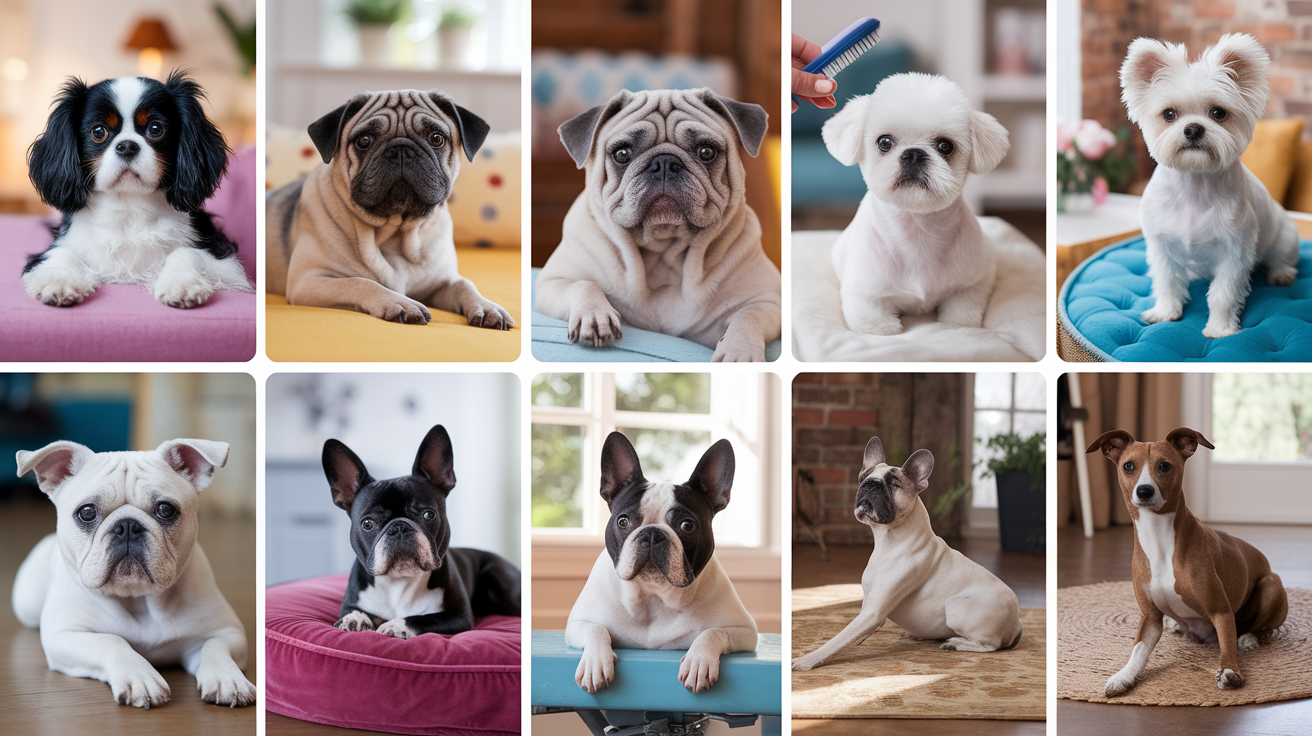
Each of these breeds brings something different. But they all share core traits that make daily life easier for older adults. What follows is a closer look at temperament, grooming reality, exercise expectations, and why each breed tends to work well in a senior household.
Cavalier King Charles Spaniel
Cavaliers are gentle, easygoing dogs that adapt to sedentary lifestyles without complaint. They’re happy to sit on your lap for hours. Their moderate exercise needs get met with a couple of short daily walks or light indoor play. Regular brushing keeps their silky coat manageable, though you’ll want to budget for occasional grooming and consistent vet care. This breed is prone to heart issues and ear infections, so preventive checkups matter. They’re affectionate without being demanding, which makes them excellent companions for seniors who want a close bond without high maintenance routines.
Pug
Pugs are built for companionship and minimal exertion. They’re affectionate, low energy, and perfectly content lounging indoors most of the day. Grooming is straightforward. Weekly brushing and regular cleaning of their facial folds to prevent skin infections. The trade off: Pugs are brachycephalic, meaning their short noses make them vulnerable to breathing trouble in heat or humidity. Keep them cool, avoid long walks in summer, and budget for potential respiratory or eye care. If you’re home often and prefer a dog that matches a calm routine, Pugs deliver.
Shih Tzu
Shih Tzus are devoted lap dogs with lively personalities that don’t translate into high exercise demands. They’re content with short indoor play sessions and brief walks. The grooming is the catch. Their long, flowing coat requires daily brushing unless you keep them in a short “puppy clip,” which drastically reduces maintenance. If you’re willing to visit a groomer every six to eight weeks or handle clippers yourself, a Shih Tzu is manageable. They’re small, affectionate, and don’t do well left alone for long stretches. Ideal for seniors who are home most of the time.
Bichon Frise
Bichons are cheerful, trainable, and hypoallergenic. A strong choice for seniors with allergies or anyone who doesn’t want fur all over the furniture. They’re friendly without being overly energetic, and their small size makes them easy to handle. Grooming requires brushing several times a week and professional trims roughly once a month to keep their curly coat from matting. Bichons are social dogs that thrive on companionship, so they’re best suited to owners who can provide consistent attention or arrange for company when they’re out.
Boston Terrier
Boston Terriers are people oriented, relatively easy to train, and require minimal grooming thanks to their short coat. Weekly brushing and occasional baths cover the basics. They’re manageable in size, around 20 to 25 pounds, so most seniors can handle them on a leash or lift them if needed. Bostons need a daily walk and some playtime, but they’re not hyperactive. The downside: they don’t like being left alone for long periods. Best for seniors who are home regularly or can arrange for a dog walker or companion during absences.
Maltese
Maltese dogs are tiny, gentle, and low energy, making them one of the easiest breeds for seniors to physically manage. They weigh less than seven pounds and are content with short walks or indoor play. Their coat is low shedding and hypoallergenic, but it requires daily brushing unless you keep it clipped short. A monthly grooming appointment keeps maintenance simple. Maltese are affectionate and bond closely with their owners, so they’re happiest when they’re near you most of the day. If you live in an apartment or have limited outdoor space, this breed adapts easily.
French Bulldog
French Bulldogs are compact, social, and low activity dogs that fit well in apartments or smaller homes. They’re affectionate without being clingy, and their grooming needs are minimal. Just basic brushing and regular cleaning of skin folds. The caution: Frenchies are brachycephalic and prone to breathing issues, especially in heat or humidity. Avoid long walks in hot weather, keep them in air conditioned spaces during summer, and budget for potential respiratory or eye care. If you want a calm, indoor oriented companion and can manage climate control, French Bulldogs are loyal and easy to live with.
Pomeranian
Pomeranians are tiny, lively dogs with big personalities packed into three to seven pounds. They’re affectionate and enjoy short daily walks or indoor play, so their exercise needs are manageable. The grooming is more involved. Their double coat requires weekly brushing and professional grooming roughly once a month to prevent mats and keep them comfortable. Pomeranians can be vocal, so training early helps manage barking. They’re ideal for seniors who want a small lap dog with a bit of energy and can handle or budget for regular grooming.
Greyhound
Greyhounds surprise people. Despite their athletic build and racing history, they’re calm, couch oriented dogs that don’t require heavy daily exercise. A couple of short walks and occasional access to a fenced area for a sprint keep them content. Their coat is low maintenance, and they’re gentle and quiet indoors. The trade off: Greyhounds are large, 65 to 70 pounds, so seniors need to be able to handle them on a leash and manage their size in the home. They’re also prone to chase instincts, so off leash time must happen in a secure, fenced space.
Havanese
Havanese are sociable, smart, and low shedding, making them a good match for seniors who want a small, joyful companion. They’re adaptable and trainable, and their coat can be kept short to reduce grooming time. Left long, their coat requires regular brushing and professional grooming. Havanese don’t do well when left alone for long periods. They’re bred to be companion dogs, so they’re happiest when their owner is home often or when paired with regular companionship plans like doggy daycare or a dog walker.
Choosing the Right Dog Based on Lifestyle and Health Considerations
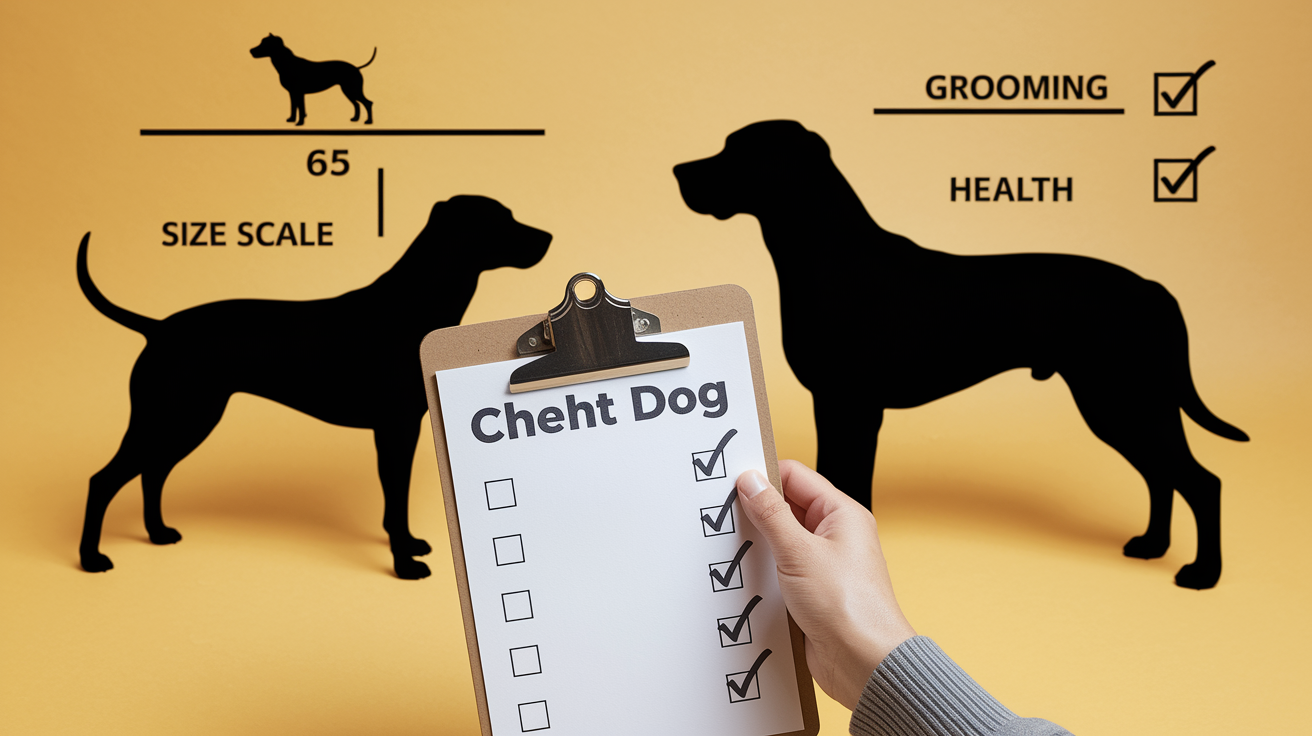
Fit matters more than the breed label. The right dog for one senior might be a disaster for another, depending on daily routines, physical ability, and living situation. Before you fall for a cute face, think through the logistics. Can you safely walk this dog every day? Can you afford grooming and vet care? Does your home have stairs, and can the dog manage them? If you travel often, who will care for the dog, and will the dog tolerate being left with someone else?
Size is a practical starting point. Small dogs, under 20 pounds, are easier to physically manage. You can lift them into a car, restrain them if needed, and handle them during vet visits without risk of injury. Larger dogs can be calm and gentle, but if they pull on a leash or need to be carried up stairs, the physical demand can be a problem. Greyhounds and similar large breeds are low energy indoors, but they still weigh 60 to 70 pounds. That size has consequences if you lose your balance or need to control them quickly.
Grooming is the part people underestimate. A Shih Tzu or Pomeranian with a full coat requires daily brushing and professional grooming every month or two. That’s time, money, and physical effort. If arthritis or limited mobility makes brushing difficult, choose a short haired breed like a Boston Terrier or keep long haired dogs in a short clip. Some breeds, like Poodles and Bichons, are hypoallergenic and low shedding, which helps with allergies but increases grooming frequency. Budget grooming costs into your monthly expenses. Professional trims can run $50 to $100 per visit depending on breed and location.
When evaluating a breed, consider these factors:
- Daily exercise requirements – Can you provide 10–30 minute walks, or do you need a dog that’s content with indoor play?
- Grooming frequency and cost – Daily brushing, weekly brushing, or monthly professional grooming?
- Size and handling – Can you safely lift, restrain, or walk the dog without risk of falling or injury?
- Health vulnerabilities – Does the breed have known issues (breathing problems, heart conditions, joint disease) that require regular vet monitoring and potential costs?
- Tolerance for alone time – If you travel or leave the house regularly, will the dog manage well, or does it need constant companionship?
Practical Care Tips for Seniors Owning a Dog

Set up routines that fit your energy level, not the dog’s ideal. Dogs thrive on consistency, so pick a walking schedule you can maintain every day without overextending yourself. Two short 10 to 15 minute walks often work better than one long outing. They reduce the risk of fatigue or falls. If mobility is limited, consider hiring a dog walker once or twice a week to cover longer exercise needs or to provide backup on days when you’re not feeling strong.
Use tools that make handling easier. A lightweight harness is safer and easier to control than a neck collar, especially if the dog pulls. Non slip mats on floors reduce the chance of slipping when the dog moves quickly. Elevated food and water bowls can help if bending is uncomfortable. Ramps or pet stairs let small dogs get on and off furniture or into the car without you needing to lift them repeatedly. These small adjustments prevent injury and make daily care less physically taxing.
Grooming at home is manageable if you keep it simple. For short haired breeds, a weekly brush and occasional bath cover the basics. For longer coats, invest in a quality brush and set a routine. Five minutes a day prevents mats and reduces the need for emergency grooming appointments. If arthritis or hand strength is an issue, ask a groomer about a low maintenance “puppy clip” that keeps the coat short year round. Mobile groomers are another option. They come to your home, which eliminates the need to transport the dog.
Plan for contingencies. Make a written plan for who will care for your dog if you’re hospitalized or become unable to provide care. Designate a trusted friend, family member, or local rescue organization as a backup caregiver. Consider setting aside a care fund in your will or trust. Some seniors arrange agreements with breeders or rescues to take the dog back temporarily during recovery periods. Having a plan in place prevents your dog from being surrendered to a shelter in an emergency and gives you peace of mind.
Adoption and Rescue Options for Seniors
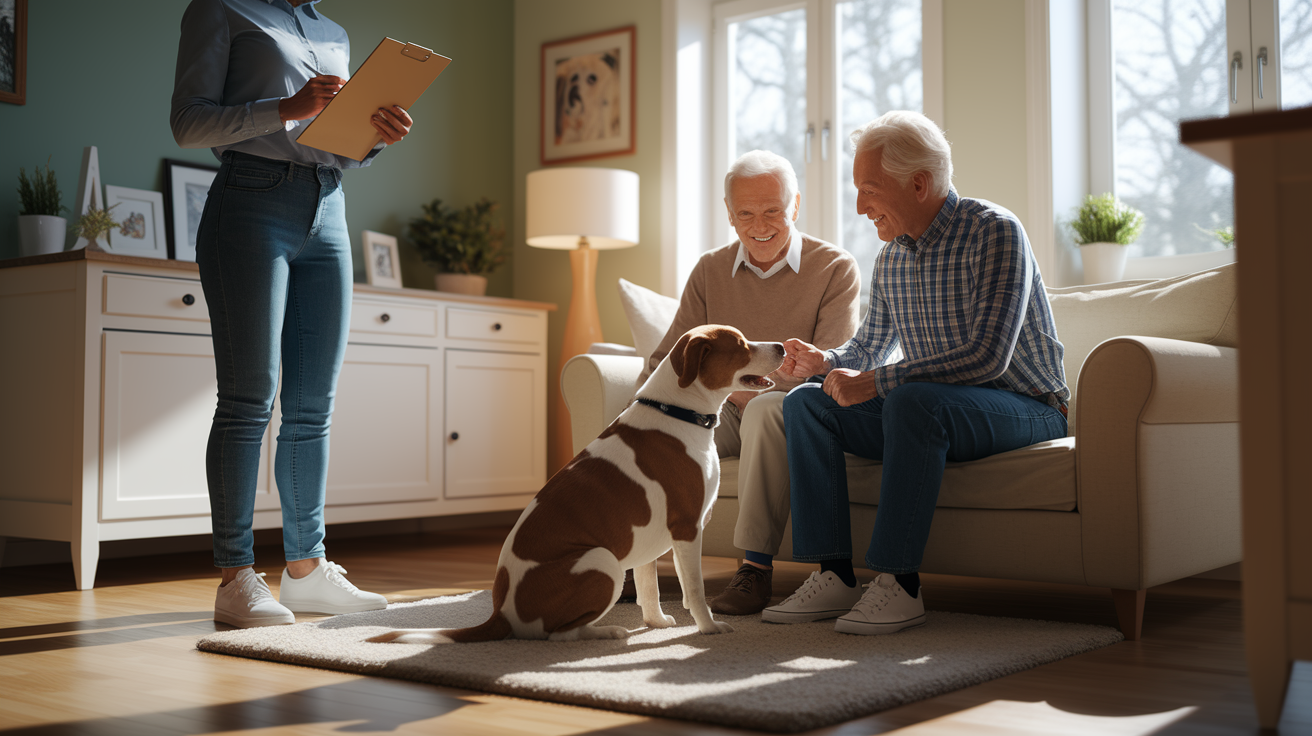
Adoption is often the best path for seniors, especially when you choose an adult or senior dog that’s already trained and calm. Many shelters and rescues offer programs specifically designed to match older adults with appropriate dogs, sometimes waiving adoption fees or providing ongoing support. Adult dogs skip the intense puppy phase. No round the clock supervision, no housebreaking accidents every hour, no months of vaccinations and vet visits. You get a dog whose personality is already established, which makes it easier to assess whether the match will work.
Foster to adopt programs let you live with a dog before committing. This is especially valuable for seniors who want to test compatibility in their home environment. If the dog’s energy level, barking habits, or alone time tolerance don’t match your lifestyle, you can return the dog without guilt or financial loss. Some rescues also offer trial periods. 30 days is common. You can evaluate the fit and make an informed decision.
When looking for adoption resources, consider these options:
- Local animal shelters – Often have a range of adult and senior dogs; staff can help match temperament and energy level to your needs
- Breed specific rescues – Specialize in particular breeds and often provide detailed behavioral assessments and post adoption support
- Senior dog adoption programs – Some shelters pair older dogs with older adults, sometimes reducing fees or offering free initial vet care
- Reputable rescue organizations – Look for rescues that temperament test dogs, provide medical history, and offer return policies or foster to adopt options
Final Words
You’ve got a quick list of top picks and deeper profiles that spell out temperament, grooming, and daily needs. That should help you narrow choices fast.
You also read practical tips on walks, simple grooming routines, vet care, and rescue options tailored for older adults. Think about mobility, housing, budget, and how much activity you really want.
Use that info to pick the best dog breeds for seniors that match your routine and energy level. A good match makes ownership easy and rewarding—you’re ready to find a companion.
FAQ
Q: What is the easiest dog for seniors to have?
A: The easiest dog for seniors to have is usually a small, low-energy companion breed—like Cavalier King Charles Spaniel, Bichon Frise, Shih Tzu, or Pug—because they need short walks, modest grooming, and steady companionship.
Q: What is the calmest dog for seniors? / What is the calmest low maintenance dog?
A: The calmest dogs for seniors and calmest low-maintenance dogs are often mellow small to medium breeds—like Cavalier King Charles Spaniels, Basset Hounds, or older mixed breeds—that prefer short walks and relaxed indoor time over high activity.
Q: Should a 70 year old person get a puppy?
A: A 70 year old person should weigh the demands: puppies need intensive training, frequent exercise, and years of care; consider adopting an older, calm dog or arranging regular help before choosing a puppy.