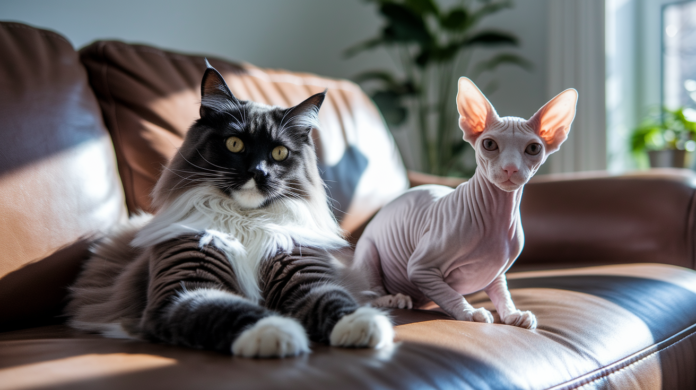

Think allergies mean you can’t have a cat?
About 3 in 10 pet parents sneeze, itch, or get congested around cats, but some breeds make life a lot easier.
No cat is 100% hypoallergenic, and every cat makes Fel d 1 (the saliva and skin protein that causes most reactions); individuals still vary a lot.
This guide ranks the breeds allergists and owners recommend, explains how each cuts down on dander and saliva allergens, and helps you decide which cat fits your life.
Fast Answers: The Top Hypoallergenic Cat Breeds Ranked
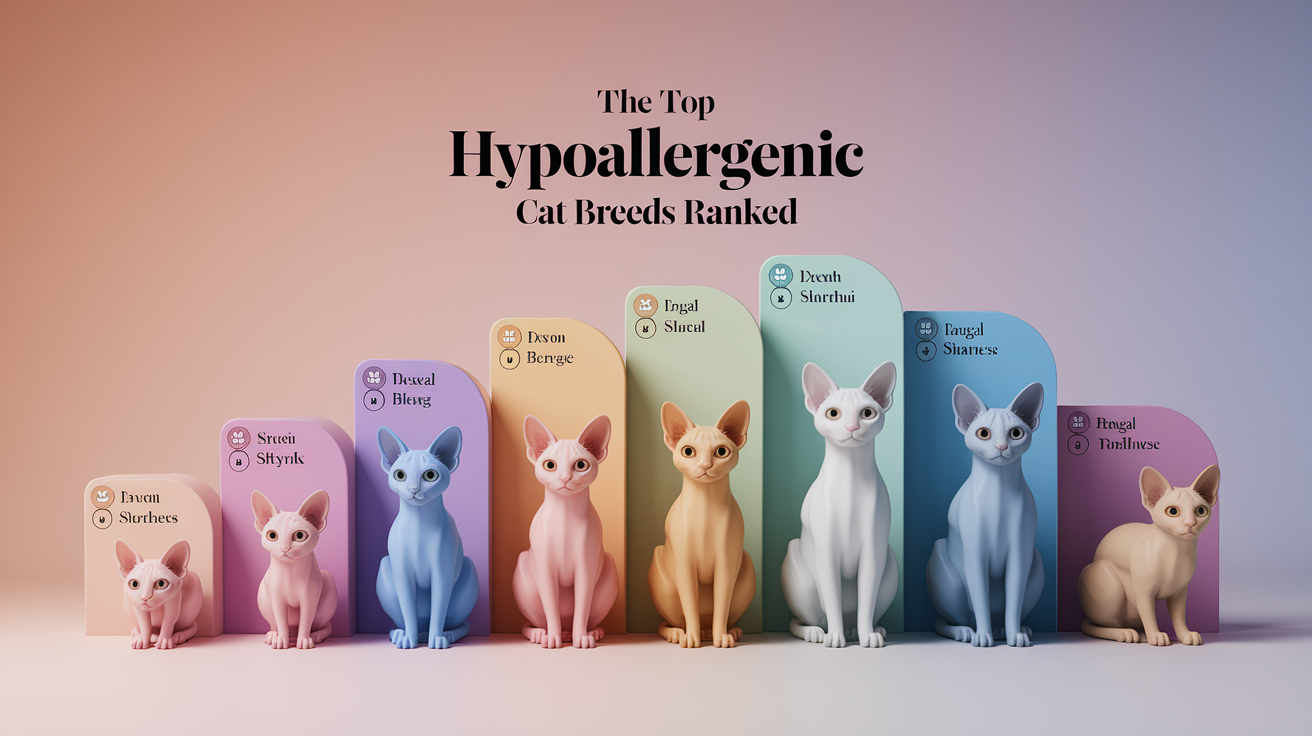
More than 46 million U.S. homes have a cat, but about 3 in 10 pet parents deal with allergic reactions. Some breeds produce fewer allergens or shed less, which cuts down on the dander and saliva proteins that cause sneezing, itchy eyes, and congestion. But here’s the reality check: no cat is 100% hypoallergenic. Every cat produces Fel d 1, the main allergen in saliva and skin secretions, and cats within the same breed can vary widely in how much they make.
The breeds below get recommended consistently by allergists, breeders, and owners who live with cat allergies. They tend to shed less, produce lower Fel d 1 levels, or have coat types that trap dander instead of sending it all over your house. Before you commit, spend time with the specific cat you’re thinking about. What works for someone else might not work for you.
- Siberian – makes less Fel d 1 despite that long, thick coat; friendly and handles attention well
- Balinese – lower Fel d 1 production; long hair but sheds less than most long coated breeds
- Russian Blue – dense coat but lower allergen output; calm and pretty independent
- Sphynx – hairless, so less fur around the house, but still makes dander and saliva allergens; needs regular baths
- Cornish Rex – soft, curly coat with no guard hairs; minimal shedding and dander
- Devon Rex – like the Cornish Rex but with even less hair; playful and affectionate
- Oriental Shorthair – sleek, fine coat that barely sheds; intelligent and social
- Bengal – short, pelt like coat with low to moderate shedding; super active and intelligent; check local laws before adopting
- Javanese – long coat that doesn’t shed much; vocal and people focused
- Siamese – short coat with light shedding; very vocal and wants your attention constantly
- Burmese – short haired and low shedding; affectionate and high energy
- Tonkinese – Siamese and Burmese cross; short coat, low shedding, lively personality
How Hypoallergenic Cat Breeds Reduce Allergens
Cat allergies aren’t just about fur. The real problem is Fel d 1, a protein that shows up in a cat’s saliva and sebaceous glands. When a cat grooms itself, saliva gets all over the fur and dries into microscopic dander flakes that float through the air and land on furniture, bedding, and clothes. You breathe those particles in or touch them, and your immune system overreacts. Sneezing, congestion, itchy eyes, skin irritation.
Breeds that shed heavily spread more dander everywhere. Breeds that shed less or naturally produce lower Fel d 1 give you better odds at controlling symptoms.
So called hypoallergenic breeds cut allergen exposure a few different ways. Some, like Siberians and Balinese, seem to produce less Fel d 1 naturally, though the science is still catching up to what owners report. Others, like the Cornish Rex and Devon Rex, have unusual coat structures. Curly, fewer layers, which traps loose hair and dander close to the skin instead of releasing it into the air. Hairless breeds like the Sphynx get rid of the fur middleman entirely, but they still secrete Fel d 1 from skin and saliva, so you’ll need to bathe them regularly to wash away oils and allergen buildup.
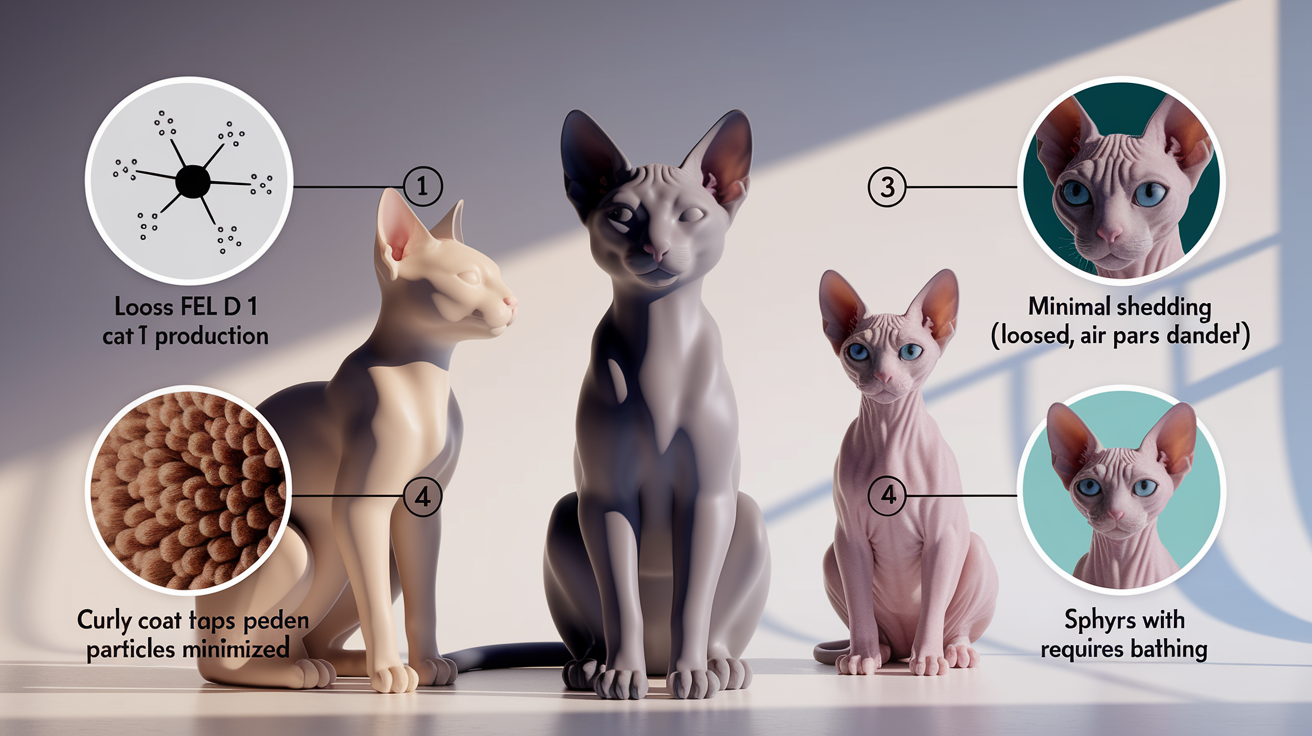
Here’s how the main allergen reducing traits actually work:
- Lower Fel d 1 production – Some breeds (Siberian, Balinese, Russian Blue) are reported to make less of the protein, though it varies by individual cat.
- Minimal shedding – Breeds with short or curly coats (Cornish Rex, Devon Rex, Oriental Shorthair) release fewer loose hairs and dander into the environment.
- Curly coat that traps dander – Tight curls or waves (LaPerm, Cornish Rex) keep loose hair and skin flakes contained until you groom them out.
- No fur, but requires bathing – Hairless breeds (Sphynx) don’t shed, but oil and dander pile up on the skin and need to be washed off weekly to prevent allergen buildup.
Breed by Breed Guide to the Best Hypoallergenic Cats

Siberian
The Siberian is a large, long haired breed that seems to break the rules. Despite that thick, lush triple coat, many allergy sufferers report fewer symptoms around Siberians than other cats. The reason’s believed to be lower Fel d 1 production, though cats vary individually. Siberians are known for friendly, dog like personalities. They’ll follow you around and enjoy interactive play.
Grooming isn’t optional. Plan to comb or brush a Siberian at least two to three times per week to prevent matting and reduce loose hair and dander piling up in your home. During seasonal shedding in spring and fall, daily brushing helps keep allergen levels in check. Siberians are generally healthy, but regular grooming also lets you check skin, ears, and coat condition.
Balinese
The Balinese is basically a long haired Siamese, and like the Siamese, it’s reported to produce less Fel d 1 than many other breeds. The coat is silky and lacks a dense undercoat, so it sheds less than you’d expect from a long haired cat. Balinese cats are highly intelligent, vocal, and intensely social. They want to be involved in whatever you’re doing and can get anxious if left alone for long stretches.
Grooming’s straightforward. Brush once or twice a week to prevent tangles and remove loose hair. The Balinese responds well to clicker training and puzzle toys, which helps channel their high energy and prevents boredom behaviors like excessive vocalization or destructive scratching. This is a breed that thrives on interaction, so plan for daily playtime and mental stimulation.
Russian Blue
The Russian Blue has a short, dense double coat with a silvery blue sheen, and it’s one of the breeds allergy sufferers mention most when they’ve found relief. Research suggests Russian Blues may produce lower Fel d 1, though individual variation applies as always. Temperament wise, Russian Blues are calm, gentle, and often shy around strangers, but they form strong bonds with their families.
Grooming needs are minimal. A quick brush once a week removes loose hair and distributes skin oils, keeping the coat healthy and reducing dander buildup. Russian Blues are generally quiet and independent enough to tolerate being home alone during the workday, which makes them a good fit for working professionals or quieter households.
Sphynx
The Sphynx is the most recognizable “hypoallergenic” breed because it’s hairless, or nearly so, with a fine layer of peach fuzz covering the skin. Less fur means less surface area for saliva and dander to stick to, but Sphynx cats still produce Fel d 1 in their saliva and sebaceous secretions. Oil and dead skin cells accumulate on their skin, so regular bathing (once or twice a week) is needed to keep allergen levels down and prevent skin issues.
Sphynx cats are affectionate, outgoing, and surprisingly high maintenance. They need warm clothing or heated beds in cold climates, sunscreen if they’re near windows, and weekly ear cleaning because they produce more earwax than furred breeds. This breed craves human contact and will hunt down the warmest lap in the house. If you want a low effort pet, the Sphynx isn’t it. But if you’re willing to put in the time, they’re loyal and entertaining companions.
Cornish Rex
The Cornish Rex has a soft, wavy coat made almost entirely of down hairs. No stiff guard hairs, no thick undercoat. This means minimal shedding and less dander released into the air. The curls lie close to the body, trapping loose hair until you brush it out. Cornish Rex cats are playful, curious, and surprisingly athletic, known for leaping to high perches and sprinting around the house in sudden bursts of energy.
Grooming’s gentle and infrequent. A soft brush or even a damp cloth once a week removes loose hair and keeps the coat looking tidy. This breed stays kitten like well into adulthood, so expect daily interactive play. Cornish Rex cats are also food motivated, which makes training easier but means you’ll need to watch portion sizes to prevent weight gain.
Devon Rex
The Devon Rex looks similar to the Cornish Rex but has even less hair and a slightly different curl pattern. The coat is soft, sparse, and sheds very little, reducing allergen spread. Devon Rex cats are affectionate to the point of being clingy. They want to be on you, near you, or at minimum in the same room. They’re intelligent, playful, and highly social with both people and other pets.
Grooming’s minimal. A weekly wipe down with a damp cloth or soft brush keeps the coat clean and removes loose hair. Devon Rex cats need substantial attention and mental stimulation, so this isn’t the breed for someone who’s away from home all day without providing enrichment. They’re also known for those large, bat like ears, which can accumulate wax and dirt, so check and clean ears weekly.
Oriental Shorthair
The Oriental Shorthair is part of the Siamese family and shares the sleek, fine coat and active, vocal personality. The coat lies flat against the body and sheds very little, making it easier to control dander with regular brushing. Once a week’s usually enough. Oriental Shorthairs are intelligent, curious, and highly social, often forming intense bonds with one or two family members.
These cats are talkative and opinionated. They’ll let you know when they want food, play, or attention. They’re not well suited to being left alone for long periods. Boredom can lead to destructive behavior or excessive vocalization. Provide climbing structures, puzzle feeders, and daily interactive play to keep an Oriental Shorthair mentally and physically satisfied.
Bengal
Bengals have short, dense, pelt like coats that feel more like rabbit fur than typical cat fur. They shed less than many short haired breeds, and the tight coat releases less dander into the air. Bengals are part domestic cat, part Asian leopard cat, and they keep a wild energy level. Expect a lot of climbing, jumping, and play. This is a breed that needs serious daily exercise and mental stimulation to stay out of trouble.
Grooming’s easy. A quick brush once a week keeps the coat shiny and removes loose hair. The real work is meeting their activity needs. Puzzle toys, leash walks, tall cat trees, and rotating enrichment are all part of responsible Bengal ownership. One critical note: some municipalities restrict or ban Bengal ownership because of their wild ancestry, so check local laws before adopting.
Javanese
The Javanese is a long haired breed closely related to the Balinese and Siamese. It has a fine, silky coat with minimal undercoat, so it sheds less than most long haired cats. The coat’s also less prone to matting, but regular brushing (once or twice a week) prevents tangles and removes loose hair before it becomes airborne dander. Javanese cats are vocal, playful, and intensely people focused.
This breed thrives on interaction and will follow you around the house, “help” with tasks, and demand attention when they feel neglected. They’re intelligent and can be trained to fetch, walk on a leash, or use puzzle feeders. If you work long hours or prefer a more independent pet, the Javanese will likely feel like too much.
Siamese
Siamese cats have short, fine coats that shed lightly, and anecdotal reports suggest they may produce lower Fel d 1, though scientific confirmation’s limited. What’s not in question: Siamese are one of the most vocal, social, and demanding breeds you can choose. They want constant interaction, and they’ll tell you (loudly) when they’re bored, hungry, or feeling ignored.
Grooming’s minimal. A quick brush once a week keeps the coat sleek and removes loose hair. The real commitment is meeting their emotional and mental needs. Siamese cats do best in homes where someone’s around most of the day, or where they have another cat for companionship. They’re also known for striking blue eyes and color point coat patterns, which darken with age.
Burmese
Burmese cats have short, glossy coats that shed very little and need minimal grooming. Once a week with a soft brush is usually enough. They’re affectionate, people oriented, and surprisingly playful well into adulthood. Burmese cats are often described as “dog like” because they enjoy fetch, follow their owners around, and seek out physical contact.
This breed is high energy and needs daily interactive play to stay happy and healthy. Boredom can lead to attention seeking behaviors like excessive meowing or knocking things off counters. Burmese cats are also social with other pets and children, making them a good choice for busy, active households that can meet their need for engagement.
Tonkinese
The Tonkinese is a cross between the Siamese and Burmese, combining the best traits of both. A short, low shedding coat, an affectionate and social temperament, and a playful, intelligent personality. The coat requires minimal grooming (once a week) and sheds less than many short haired breeds, reducing dander accumulation in the home.
Tonkinese cats are lively, curious, and highly interactive. They enjoy games, puzzle toys, and human companionship, and they don’t do well when left alone for long stretches. This breed’s a good fit for families or individuals who want an engaging, trainable cat and can commit to daily play and attention.
Comparison Table of Low Allergen Cat Breeds
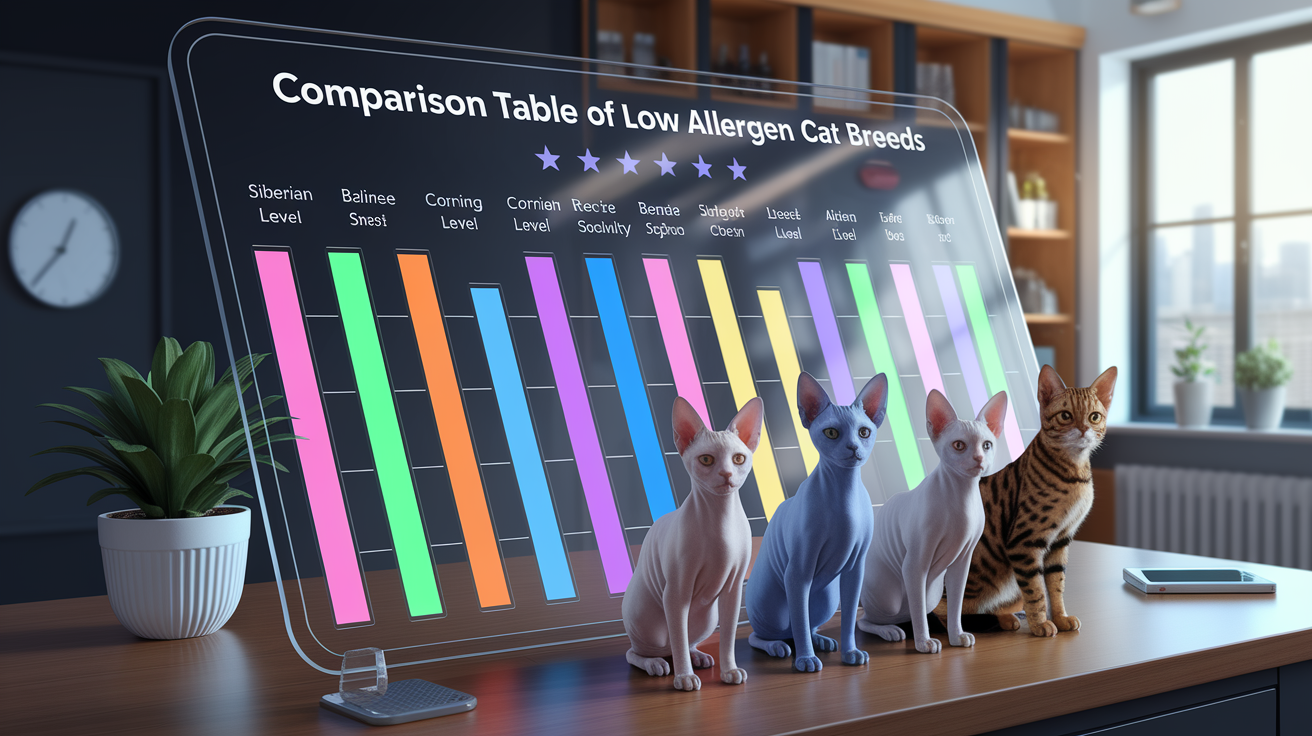
| Breed | Shedding Level | Grooming Frequency (times/week) | Activity Level | Allergen Notes |
|---|---|---|---|---|
| Siberian | Moderate | 2–3 | Medium to High | Lower Fel d 1 reported; long coat requires regular brushing |
| Balinese | Low | 1–2 | High | Lower Fel d 1; long coat but minimal undercoat reduces shedding |
| Russian Blue | Low | 1 | Low to Medium | Lower Fel d 1; dense coat but sheds less than expected |
| Sphynx | None | Bathing 1–2 | Medium to High | Hairless; requires weekly bathing to remove skin oils and dander |
| Cornish Rex | Very Low | 1 | High | Curly coat with no guard hairs traps dander; minimal shedding |
| Devon Rex | Very Low | 1 | High | Sparse curly coat; very low shedding; needs high engagement |
| Oriental Shorthair | Low | 1 | High | Fine short coat; minimal shedding; vocal and social |
| Bengal | Low to Moderate | 1 | Very High | Short pelt like coat; low shedding; check local ownership laws |
Grooming & Home Care for Hypoallergenic Cats

Regular grooming removes loose hair, dander, and dried saliva before they spread through your home. For most low shedding breeds, brushing once to three times per week keeps allergen levels manageable. Long haired breeds like the Siberian and Balinese need two to three sessions per week to prevent mats and reduce the amount of hair floating around. Short haired and curly coated breeds like the Cornish Rex or Oriental Shorthair usually need just one quick brush per week. The goal isn’t perfection. It’s reducing the baseline allergen load so your immune system has less to react to.
Here’s a practical grooming and cleaning routine to control allergens:
- Brushing frequency – Most hypoallergenic breeds need brushing 1 to 3 times per week; Siberians and Balinese need 2 to 3 times per week to manage longer coats.
- Bathing – The Sphynx requires bathing 1 to 2 times per week to remove skin oils and allergen buildup; other breeds only need baths occasionally, but monthly bathing can help reduce surface allergens if your cat tolerates it.
- Wash bedding weekly – Wash your cat’s bedding and any blankets they use every week to every two weeks in hot water to kill allergens and remove accumulated dander.
- Vacuum 2 to 3 times per week – Use a vacuum with HEPA filtration on carpets, rugs, and upholstery in high use rooms; vacuum furniture weekly to catch hair and dander before it becomes airborne.
- De shedding tools – For breeds that do shed (Siberian, Bengal), a rubber grooming mitt or fine toothed comb helps remove loose undercoat during seasonal shedding periods.
- Wipe surfaces daily – Use a damp microfiber cloth to wipe down counters, shelves, and other hard surfaces where dander settles; this prevents allergen buildup between deep cleans.
Saliva is the original source of Fel d 1, so the more a cat grooms itself, the more allergen ends up on its coat. You can’t stop grooming behavior, but regular brushing reduces the amount of loose, saliva coated hair in your environment.
Allergy Friendly Home Setup for Cat Owners
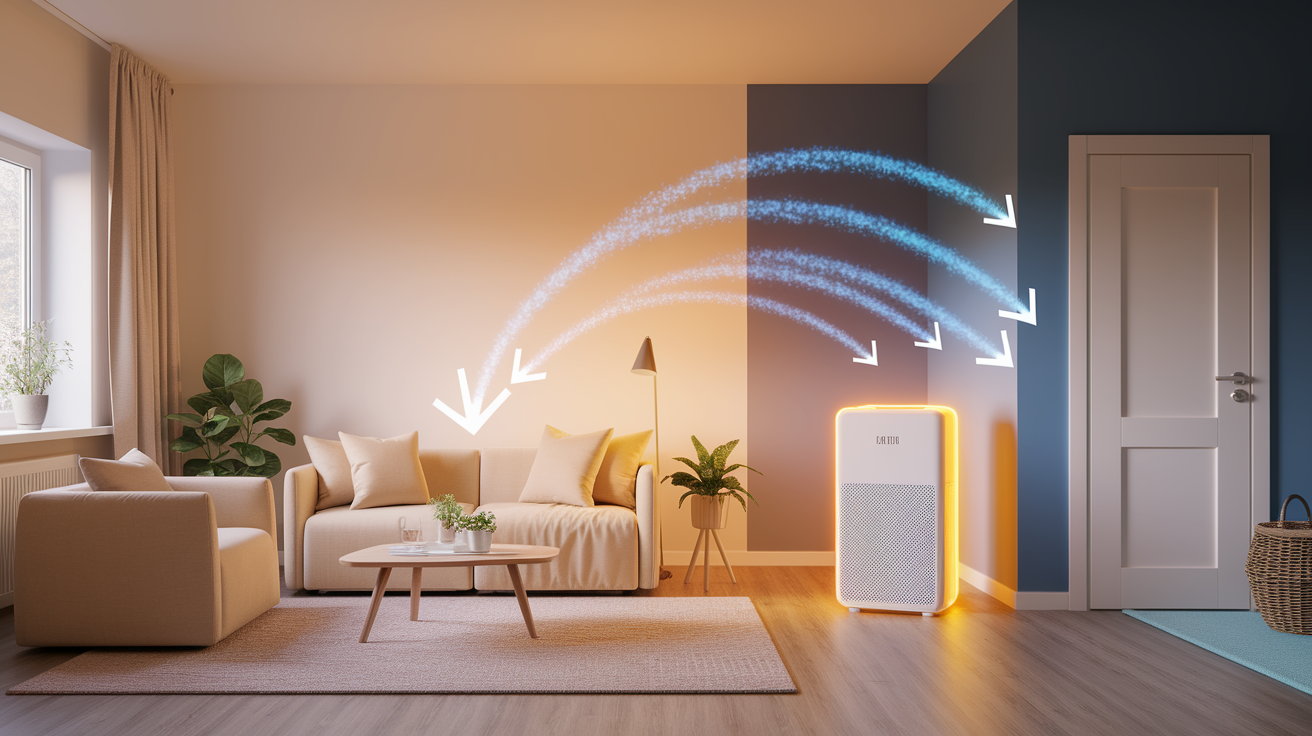
Your home environment has as much impact on allergy control as the breed you choose. Hard flooring (tile, vinyl, hardwood, or laminate) doesn’t trap dander the way carpet does, making it easier to wipe up allergens with a damp mop. If you have carpet, vacuum it frequently with a machine that has strong suction and a sealed HEPA filter. Open windows when weather allows to bring in fresh air and dilute indoor allergen concentrations, but balance ventilation with the need to keep pollen and outdoor allergens from drifting in during high pollen seasons.
Furniture choices matter. Leather, vinyl, or tightly woven fabrics are easier to wipe clean than plush upholstery, which acts like a sponge for dander. Washable slipcovers give you the option to throw fabric covers in the laundry weekly. Keep at least one room (ideally your bedroom) completely cat free, and keep the door closed at all times. A pet free bedroom gives your immune system a break for seven to eight hours every night, which can significantly reduce overall symptom severity.
Here are five practical home setup steps to lower allergen exposure:
- Place HEPA air purifiers in high use rooms – Use a purifier rated H13 or H14 in the bedroom, living room, or any room where the cat spends significant time; replace filters every 6 to 12 months per manufacturer instructions.
- Vacuum carpets and upholstery 2 to 3 times per week – Focus on areas where the cat sleeps or plays; use attachments to vacuum furniture, curtains, and baseboards.
- Wipe hard surfaces daily – Dander settles on counters, tables, shelves, and windowsills; a quick daily wipe with a damp cloth prevents buildup.
- Create allergen free zones – Keep the bedroom off limits to the cat, and consider restricting access to one or two rooms if symptoms are severe; this gives you clean spaces to retreat to.
- Choose washable fabrics – Use slipcovers on sofas and chairs, and opt for washable curtains and throw blankets that can go through the laundry weekly.
Medical, Testing & Allergy Management Options While Owning Cats

Before adopting a cat, it’s worth confirming that cats are the source of your symptoms and understanding how severe your sensitivity is. Allergists use two main tests: skin prick tests, where tiny amounts of allergen are introduced under the skin to measure reaction, and specific IgE blood tests, which measure antibodies to cat allergen in your bloodstream. Both are reliable, and results help you and your doctor decide whether living with a cat is realistic or whether you’ll need ongoing medical support.
If testing confirms cat allergy, several treatments can reduce symptoms. Over the counter antihistamines like loratadine or cetirizine can control mild to moderate reactions. Intranasal corticosteroid sprays reduce nasal inflammation and congestion. For more severe or persistent allergies, allergists may recommend immunotherapy (either allergy shots or sublingual tablets) which gradually desensitizes your immune system to cat allergens over months to years. Immunotherapy doesn’t work for everyone, and it requires a long term commitment, but for some people it’s the difference between living comfortably with a cat and constant misery.
Common symptoms that indicate cat allergies include:
- Sneezing, especially shortly after petting a cat or entering a room where a cat’s been
- Itchy, watery, or red eyes that worsen around cats
- Nasal congestion or a runny nose that starts or worsens in the presence of a cat
- Scratchy throat or coughing triggered by exposure to cat dander
- Skin rash, hives, or itching where a cat has scratched or licked you
How to Test Compatibility Before Adopting a Hypoallergenic Cat

Spending an hour with a cat at a shelter or breeder’s facility isn’t enough to predict how you’ll react after weeks of living together. Allergen levels build up in your home over time, and your immune system’s response can change with prolonged, daily exposure. The only reliable way to test compatibility is to spend multiple sessions (ideally over several days) with the specific cat you’re considering, in a home like environment where dander’s had time to accumulate.
Here’s a step by step compatibility testing process:
- Schedule multiple visits – Arrange at least three or four visits over a two week period, each lasting two to three hours, so you can observe how your symptoms develop with repeated exposure.
- Interact normally – Pet the cat, hold it, let it sit on your lap, and allow it in the same room where you’re sitting for extended periods; this mimics real life contact.
- Request a foster trial – Many rescues and some breeders allow a two to four week in home trial period; use this time to monitor symptoms closely and test your cleaning routine.
- Keep a symptom log – Write down daily symptoms (sneezing, congestion, itchy eyes, skin reactions) and rate their severity; note what time of day symptoms are worst and whether they improve after cleaning.
- Test your cleaning routine – Use the grooming, vacuuming, and air filtration strategies outlined earlier and measure whether they keep symptoms at a tolerable level.
- Follow up with your allergist – If symptoms are moderate but manageable, ask your allergist whether medication or immunotherapy can bridge the gap; if symptoms are severe and don’t improve with cleaning and medication, it may not be the right time to adopt.
FAQs About Low Allergen Cats

Can any cat be 100% hypoallergenic?
No. All cats produce Fel d 1, the primary allergen, in their saliva and skin secretions. Some breeds produce less or shed less, reducing exposure, but no cat’s completely allergen free.
Are hairless cats allergy proof?
No. Hairless breeds like the Sphynx still produce Fel d 1 in their saliva and skin oils. They shed less fur, but allergens accumulate on their skin and must be bathed off regularly.
Do mixed breed cats trigger fewer allergies?
It depends. If a mixed breed cat has genetics from a low allergen breed, it may produce less Fel d 1 or shed less, but there’s no guarantee. Testing with the individual cat is the only reliable way to know.
Do male or female cats differ in allergen levels?
Some studies suggest intact male cats produce more allergens, possibly linked to hormones, and that neutering reduces allergen output slightly. However, individual variation is larger than sex based differences.
Can cleaning alone stop allergy symptoms?
For mild allergies, aggressive cleaning (HEPA filters, frequent vacuuming, weekly bedding washing) can reduce symptoms to tolerable levels. For moderate to severe allergies, cleaning alone usually isn’t enough; medication or breed choice also matters.
Are kittens less allergenic than adult cats?
No. Kittens produce allergens just like adult cats. The difference is that kittens are smaller and groom less, so there’s temporarily less dander in the environment, but that changes as they grow.
Will a single low allergen breed always work for every person?
No. Allergen production varies between individual cats, even within the same breed, and people’s sensitivities vary. One person might do fine with a Siberian while another reacts to the same cat.
Can allergy shots help cat owners?
Yes, for some people. Allergen immunotherapy (shots or sublingual tablets) can reduce sensitivity over months to years, but it doesn’t work for everyone and requires a long term commitment and regular follow ups with an allergist.
Final Words
You’re in the action—choosing a cat that won’t send your eyes watering. This guide gave a quick ranked list of low-allergen breeds, explained Fel d 1 and how coat types affect dander, and walked through breed-by-breed realities.
It also covered practical care: grooming, home setup, testing options, medical routes, and a step-by-step plan to try a cat before you adopt. Testing at home still matters.
If you’re narrowing choices, remember that trial time is the final test when choosing the best hypoallergenic cat breeds. You’ll likely find a cat that fits your home and keeps allergy symptoms lower.
FAQ
Q: What is the best hypoallergenic cat? / What cat breed is best for allergy sufferers?
A: The best hypoallergenic cat breed depends on your sensitivity; commonly recommended breeds are Siberian, Balinese, Russian Blue, Sphynx, Cornish and Devon Rex, and Oriental types, which often produce less Fel d 1.
Q: What is the calmest cat to own?
A: The calmest cat to own is often an adult Ragdoll, British Shorthair, or Persian; these breeds tend to be laid-back, good with families, and require moderate grooming—consider energy and care before deciding.
Q: Is there a cat that no one is allergic to?
A: There is no cat that nobody is allergic to; no breed is 100% hypoallergenic. Fel d 1 levels vary, so do extended visits or a foster trial to test your reaction before adopting.