

You can still have a dog if you’re allergic — but “hypoallergenic” is often misleading.
Allergic reactions come from proteins in dander, saliva, and urine, not just fur, so some breeds release fewer airborne particles.
This guide looks at breeds that tend to cause fewer symptoms, explains which coat types help, and shows the grooming, exercise, and cleaning trade-offs you can expect.
By the end you’ll know which dogs suit apartments, family life, or allergy-sensitive routines so you can decide with confidence.
Identifying the Best Low‑Allergen Dog Breeds for Allergy‑Sensitive Homes

Dog allergens don’t come from fur alone. The proteins that trigger sneezing, itchy eyes, and respiratory discomfort live in dander (tiny flakes of dead skin that every dog sheds), saliva, and urine. When a dog licks its coat or scratches, those proteins transfer to fur and drift into the air, settling on furniture, bedding, and clothing. In homes with poor ventilation, allergen particles can hang around for days.
No dog is completely hypoallergenic. The term just means a breed is less likely to provoke an allergic response, not that it eliminates allergens entirely. Breeds labeled hypoallergenic typically have curly or hair-like coats that trap loose dander close to the skin rather than releasing it into the environment. Examples include Poodles, Bichon Frises, and Portuguese Water Dogs. Single-coated breeds and hairless varieties also shed less fur, though they still produce the allergenic proteins found in skin cells and saliva.
Certain coat types do help. Curly coats act like a net, catching dander before it becomes airborne. Hair-like coats grow continuously and shed in smaller amounts than traditional fur. Wiry or tightly packed coats reduce the volume of loose hair floating through your home. Even so, grooming frequency and household cleaning play just as large a role in managing symptoms as the breed you choose.
Top hypoallergenic breeds to explore:
- Toy, Miniature, and Standard Poodle (all sizes)
- Bichon Frise
- Portuguese Water Dog
- Maltese
- Miniature Schnauzer
- Yorkshire Terrier
- Shih Tzu
- Soft-Coated Wheaten Terrier
- Irish Water Spaniel
- Chinese Crested
Understanding Hypoallergenic Dog Traits and Allergen Sources
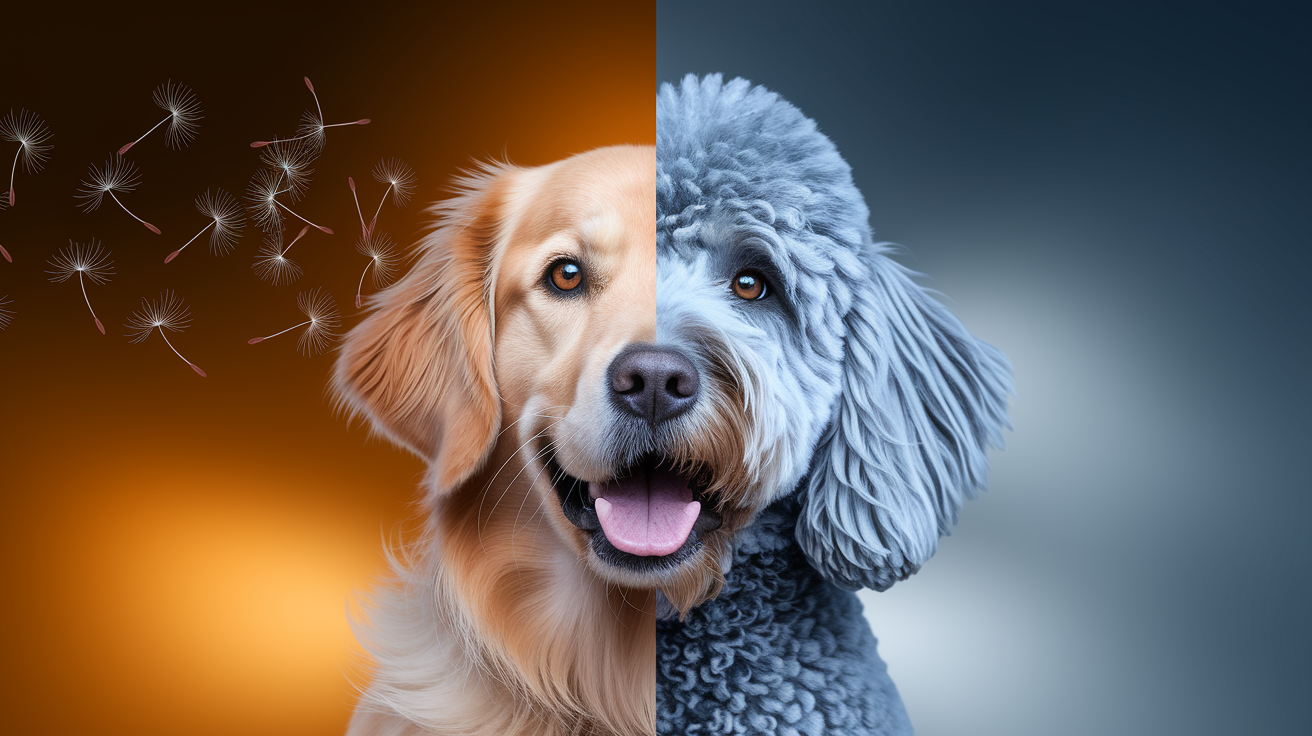
Allergenic proteins spread through your home every time a dog shakes, scratches, or walks across carpet. Dander clings to upholstery and can become airborne when you vacuum or sit on the couch. Saliva transfers to the coat during grooming licks, dries, and flakes off as microscopic particles. Urine proteins can linger on floors and outdoor surfaces. Curly and hair-like coats help because they trap these particles close to the body instead of releasing them into the room. That’s why Poodles and Water Dogs often work better for allergy sufferers than breeds with traditional double coats that shed heavily.
Hairless breeds still produce dander and saliva proteins. The absence of fur means less surface area for allergens to cling to, but the skin itself continues to shed dead cells. All dogs shed skin, even the ones marketed as non-shedding. The difference is in how much loose material enters your breathing space and how often you’re willing to groom and clean.
| Coat Type | Allergen Impact |
|---|---|
| Curly coat | Traps dander close to skin; minimal airborne release when brushed regularly |
| Single coat | Lacks undercoat, sheds less volume of fur and dander into environment |
| Hair-like coat | Grows continuously like human hair; sheds in small amounts rather than seasonal blowouts |
| Hairless | No fur to carry allergens, but skin still produces dander and requires bathing |
Small Hypoallergenic Dog Breeds Ideal for Apartments and First-Time Owners

Small hypoallergenic breeds fit tight living spaces and manageable daily routines, but they still demand consistent grooming to keep allergen levels low. These dogs produce less total dander than large breeds simply because they have less skin surface area, though individual reactivity varies widely from person to person.
Maltese
The Maltese carries a long, silky coat that behaves more like human hair than traditional dog fur. It grows continuously and sheds very little, which keeps airborne allergens to a minimum. Daily brushing prevents mats and removes loose dander before it spreads through your home. Without regular care, the coat tangles quickly and traps oils and skin flakes close to the body, which can worsen reactions during close contact.
Maltese temperament leans gentle and affectionate. They bond tightly with their people and tolerate apartment living well, though they can be vocal if left alone too long. Grooming every six to eight weeks keeps the coat manageable, and many owners opt for a shorter “puppy cut” to reduce daily brushing time.
Bichon Frise
The Bichon Frise sports a soft, curly double coat that sheds minimally. Loose hair stays trapped in the curls rather than drifting onto furniture. Brushing several times a week pulls out dead hair and dander, and professional grooming every four to six weeks prevents matting and keeps the coat in its signature puffy shape.
Bichons are social, playful, and usually good with children and other pets. They adapt to smaller homes but need short daily walks and interactive play to stay calm indoors. Their coat requires more frequent bathing than some other hypoallergenic breeds (every three to four weeks) to control oil buildup and reduce allergen load.
Yorkshire Terrier
Yorkies have fine, silky hair that grows long and sheds very little. The texture resembles human hair, so loose strands stay put until you brush them out. Daily or every-other-day brushing is the trade-off for low shedding. Many owners keep Yorkies in a short trim to simplify care.
Temperament wise, Yorkies are confident, alert, and sometimes stubborn. They’re well suited to apartment life but can be barky if they hear unfamiliar sounds. Their small size means less total dander, but their energy level is higher than many people expect. Short, frequent play sessions and training keep them occupied.
Shih Tzu
The Shih Tzu’s long, flowing double coat sheds minimally when maintained properly. Hair that does shed stays tangled in the coat until you brush it out, which keeps allergens off your floors and furniture. Daily brushing is ideal. Skipping sessions for several days leads to mats that require professional attention.
Shih Tzus are calm, affectionate, and content with moderate activity. They adapt well to apartment living and are typically good with children and other pets. Grooming every six to eight weeks is standard, and many owners choose a shorter “puppy cut” to reduce daily brushing time. Their flat faces can cause breathing issues in hot or humid weather, so indoor climate control matters.
Miniature Schnauzer
Miniature Schnauzers have a wiry, dense double coat that sheds very little. The outer coat is coarse and traps loose hair, while the softer undercoat stays close to the skin. Hand-stripping or clipping every six to eight weeks maintains the coat texture and removes dead hair. Without regular grooming, the coat becomes matted and holds onto dander.
Schnauzers are alert, intelligent, and naturally watchful. They bark to announce visitors or unusual sounds, which can be a challenge in shared housing. They’re energetic and benefit from daily walks and training games. Their beard and leg furnishings collect food and dirt, so daily face wiping and occasional baths keep allergen buildup in check.
Medium Hypoallergenic Dog Breeds for Active and Family-Oriented Homes
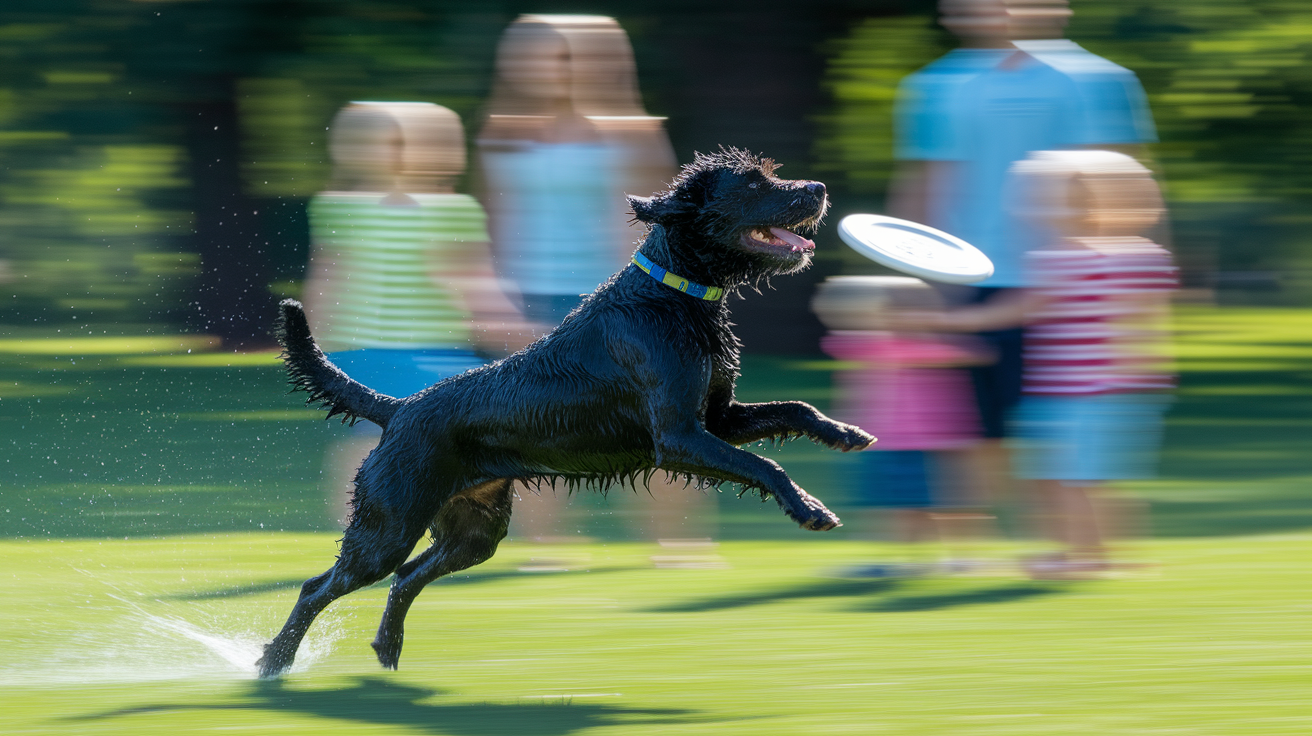
Medium size hypoallergenic breeds suit families who want a more robust companion without the space and exercise demands of a large dog. These breeds typically need more outdoor time than their smaller counterparts and thrive in homes with access to a yard or nearby park.
Portuguese Water Dog
The Portuguese Water Dog’s thick, curly or wavy coat is water-resistant and sheds minimally. Loose hair and dander stay trapped in the curls until you brush them out. Daily or every-other-day brushing is necessary to prevent mats, especially around the ears and chest. Professional grooming every six to eight weeks keeps the coat healthy and reduces allergen buildup.
This breed is highly active and needs at least an hour of exercise daily (walks, swimming, fetch, or agility training). They were bred to work alongside fishermen, so they have stamina and focus. Portuguese Water Dogs are intelligent and respond well to training, but boredom leads to destructive behavior. They’re generally good with children and other pets, especially when socialized early. Their energy and grooming needs make them a better fit for experienced owners who enjoy outdoor activities.
Soft‑Coated Wheaten Terrier
The Wheaten’s coat is soft, silky, and wavy, with a texture that sheds very little. Daily brushing is the standard to keep the coat free of tangles and to remove loose hair and dander. Professional grooming every six to eight weeks maintains the coat’s shape and prevents matting. Without consistent care, the coat becomes a tangled mess that traps oils and allergens.
Wheatens are friendly, social, and enthusiastic. They greet everyone (family, strangers, other dogs) with the same bouncy energy, which makes them a joy for outgoing families but a challenge for anyone who values a calm, reserved dog. They need moderate daily exercise (long walks, play sessions, or short jogs) and benefit from training that channels their energy. They’re generally good with children and adapt well to family life, though their exuberance can overwhelm very young kids.
Large Hypoallergenic Dog Breeds for Spacious Homes and Experienced Owners

Large hypoallergenic breeds produce more total dander than small dogs simply because they have more skin, but their coat types still reduce airborne allergens compared to heavy shedding large breeds. These dogs need space to move, consistent training, and owners who can commit to regular grooming and high activity levels.
Standard Poodle
The Standard Poodle’s dense, curly coat traps loose hair and dander effectively. Brushing every other day prevents mats and removes dead hair before it spreads through your home. Professional grooming every six to eight weeks is standard, and many owners choose a shorter clip to simplify maintenance. Without regular grooming, the coat becomes matted, uncomfortable, and harder to clean.
Standard Poodles are highly intelligent and trainable. They excel in obedience, agility, and service work. They need at least an hour of exercise daily (long walks, runs, swimming, or interactive games) and mental stimulation through training or puzzle toys. Boredom leads to destructive behavior. They’re generally good with children and other pets when socialized early. Their size and energy make them best suited to homes with yards and active families.
Irish Water Spaniel
The Irish Water Spaniel has a dense, curly, water-repellent coat that sheds minimally. The tight curls trap loose hair and dander, but the coat requires brushing several times a week to prevent mats and remove dead hair. Professional grooming every six to eight weeks keeps the coat in good condition. The breed’s love of water means frequent baths after swimming or muddy outings, which helps control allergens but adds to the grooming workload.
This breed is energetic, intelligent, and needs a job. They were bred to retrieve waterfowl, so they have high stamina and a strong work drive. Daily exercise should include long walks, swimming, or retrieval games. They’re generally good with children and other pets but can be reserved with strangers. Their energy and grooming needs make them best suited to experienced owners who enjoy outdoor activities and can commit to consistent training and coat care.
Giant Schnauzer
The Giant Schnauzer’s dense, wiry coat sheds very little. The coarse outer coat and softer undercoat trap loose hair close to the body. Hand-stripping or clipping every six to eight weeks maintains coat texture and removes dead hair. Brushing several times a week prevents mats and controls dander. Without regular grooming, the coat becomes matted and holds onto oils and allergens.
Giant Schnauzers are intelligent, protective, and need experienced handling. They were bred for guarding and herding, so they have a natural wariness of strangers and strong territorial instincts. They need at least an hour of vigorous exercise daily (long runs, hikes, or training sessions) and mental stimulation through obedience work or problem solving games. They’re generally good with children in their own family but can be standoffish with visitors and other dogs. Their size, energy, and protective nature make them best suited to experienced owners with space and time to invest in training and socialization.
Hypoallergenic Mixed Breeds and Doodle Variability
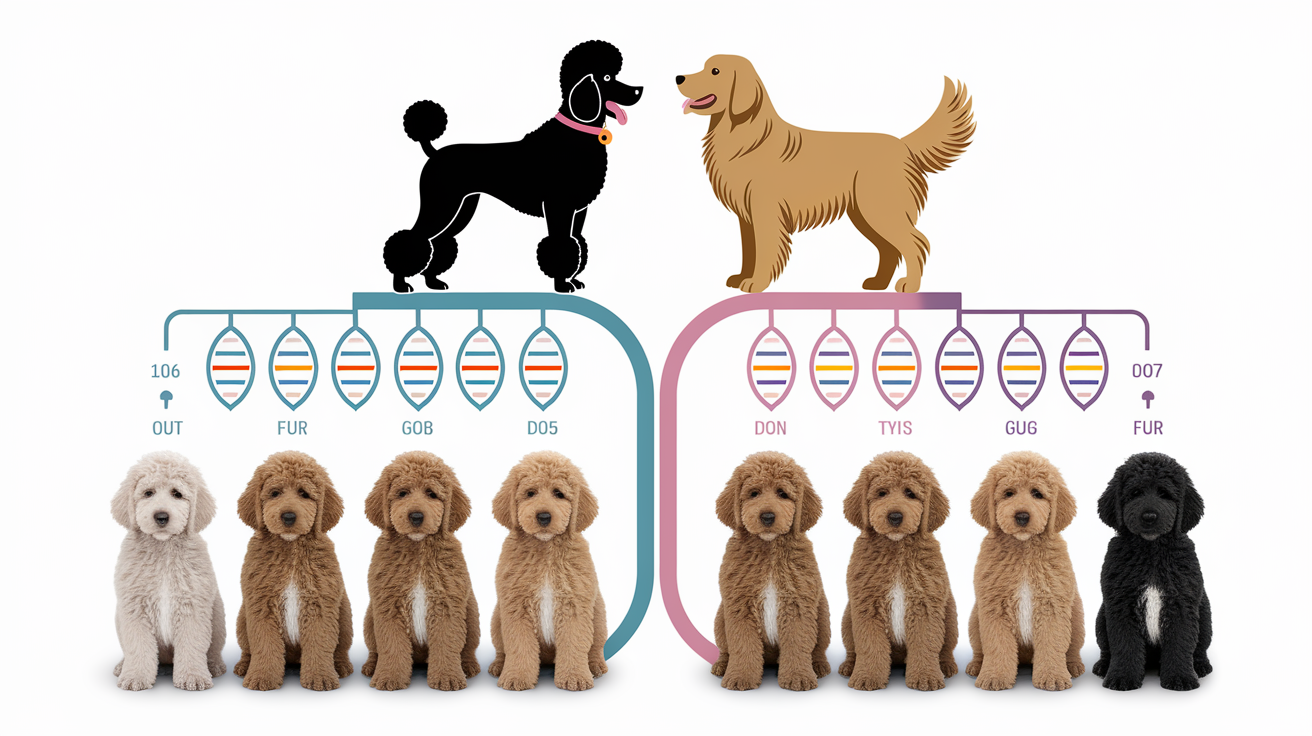
Doodles (mixed breeds that cross a Poodle with another breed) have surged in popularity, often marketed as hypoallergenic family dogs. The reality is more complicated. Coat type in mixed breeds is unpredictable. Even within the same litter, one puppy may inherit a tight, low shedding Poodle coat while a sibling inherits a straighter, shedding coat from the other parent breed. Genetics don’t follow a simple recipe, so a Goldendoodle or Labradoodle isn’t guaranteed to be allergy friendly.
Doodle coats also vary in texture and maintenance needs. Some are loose and wavy, others tight and curly, and some are straighter and shed more like a traditional retriever. The tighter and curlier the coat, the more it traps dander (but also the more grooming it requires to prevent mats). Many doodle owners underestimate grooming time and cost. If you’re considering a doodle, spend time with the specific dog before adopting. Ask the breeder or rescue about the parents’ coat types, and request a trial visit if possible.
Common doodle mixes and their allergen variability:
- Goldendoodle: Golden Retriever and Poodle cross; coat type ranges from wavy to curly, shedding varies widely.
- Labradoodle: Labrador Retriever and Poodle cross; one of the original “designer” hypoallergenic breeds, but coat consistency varies.
- Bernedoodle: Bernese Mountain Dog and Poodle cross; larger mix with unpredictable coat; some shed heavily.
- Aussiedoodle: Australian Shepherd and Poodle cross; active and intelligent, coat texture varies, some shed moderately.
- Cavapoo: Cavalier King Charles Spaniel and Poodle cross; smaller mix, usually low shedding but not guaranteed.
- Cockapoo: Cocker Spaniel and Poodle cross; one of the oldest doodle mixes, coat ranges from wavy to curly, shedding varies.
- Maltipoo: Maltese and Poodle cross; very small mix, typically low shedding but requires frequent grooming to prevent mats.
Grooming and Coat Maintenance to Minimize Allergens in Hypoallergenic Breeds
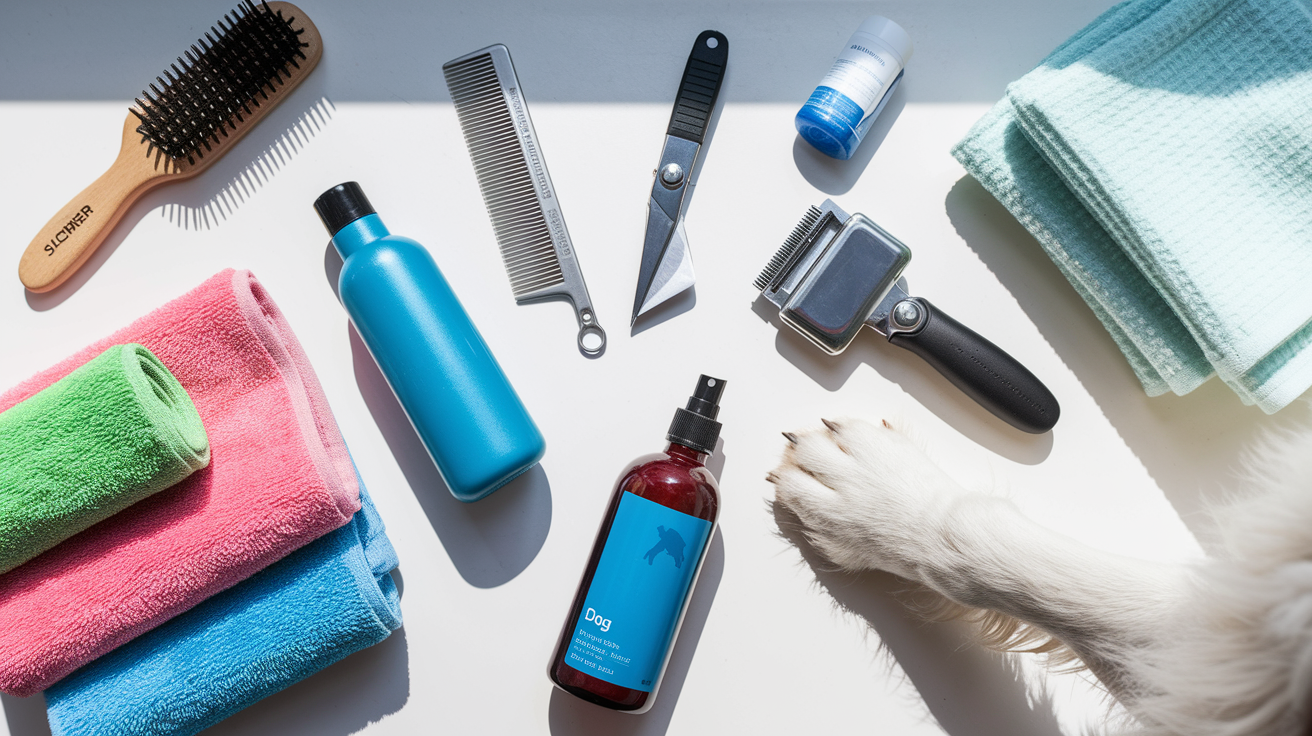
Grooming frequency directly affects allergen levels in your home. Brushing daily or every other day removes loose hair and dander before it becomes airborne. For curly or long haired breeds, daily brushing also prevents mats, which trap oils and allergens close to the skin. If you brush outdoors, even better. Loose dander stays outside instead of drifting through your living room.
Bathing every three to four weeks with a gentle, dog-safe shampoo reduces the proteins on your dog’s skin and coat. Look for shampoos with fatty acids or oatmeal, which support skin health and reduce flaking. Over-bathing strips natural oils and can worsen dryness, leading to more dander. Between baths, wipe your dog’s paws and face with a damp cloth after outdoor time to remove allergens picked up from grass, pollen, or dirt.
Professional grooming every six to eight weeks is standard for most hypoallergenic breeds. Groomers trim the coat, clean ears, clip nails, and thoroughly brush out any mats. A well maintained coat traps less dander and is easier to clean at home. If you skip professional grooming, the coat becomes matted, uncomfortable, and harder to manage, which increases allergen buildup and can lead to skin infections.
Five practical at-home grooming steps:
- Brush your dog outdoors or in a bathroom where you can easily clean up loose hair and dander.
- Use a slicker brush or metal comb designed for your dog’s coat type; cheap brushes miss undercoat and dead hair.
- Bathe every three to four weeks with a dog-safe shampoo, rinse thoroughly, and towel dry or use a low-heat blow dryer.
- Wipe your dog’s face, paws, and belly daily with a damp cloth to remove allergens picked up outdoors.
- Schedule professional grooming every six to eight weeks, or learn to trim and maintain the coat yourself with clippers and guidance from a groomer.
Allergen Control Strategies for Living Comfortably with Low‑Shedding Dogs

Grooming your dog is only half the equation. Household cleaning habits determine how much dander and saliva protein remain in your living space. Vacuuming with a HEPA filter vacuum at least twice a week pulls allergens out of carpets, rugs, and upholstery. Regular vacuums recirculate fine particles back into the air; HEPA filters trap them. If your home has wall to wall carpet, steam cleaning every few months reduces embedded allergens.
HEPA air purifiers help, especially in bedrooms and living areas where you spend the most time. Run them continuously, not just when symptoms flare. Wash your dog’s bedding weekly in hot water, and use washable slipcovers on furniture your dog uses. Hard flooring (tile, hardwood, laminate) makes allergen control easier than carpet because dander doesn’t embed into fibers. If replacing flooring isn’t an option, focus on frequent vacuuming and keeping dogs off upholstered furniture.
Six household cleaning tasks with recommended frequencies:
- Vacuum carpets, rugs, and upholstery with a HEPA filter vacuum twice per week.
- Wash dog bedding, blankets, and any washable fabric covers weekly in hot water.
- Mop hard floors weekly to remove settled dander and saliva proteins.
- Run HEPA air purifiers continuously in bedrooms and main living areas, replacing filters as recommended.
- Steam clean carpets and upholstery every two to three months if you have wall to wall carpeting.
- Wipe down surfaces (windowsills, baseboards, furniture legs) weekly to remove settled allergen particles.
Health, Lifespan, and Common Care Needs of Hypoallergenic Breeds
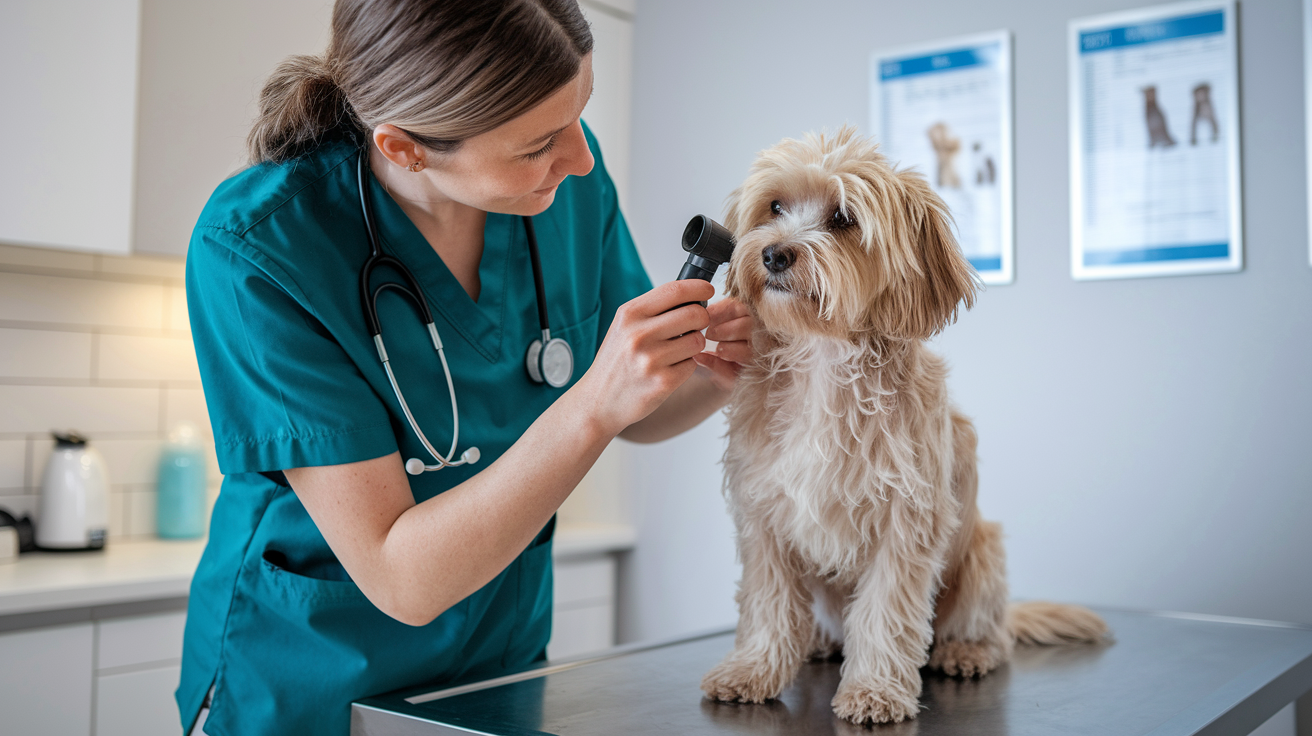
Hypoallergenic breeds can develop allergies of their own. Food sensitivities, environmental allergens like pollen or dust mites, and seasonal flare ups affect these dogs just as they do any other breed. Symptoms include itchy skin, ear infections, paw licking, and digestive upset. If your dog starts scratching excessively or developing hot spots, consult your vet. Switching to a limited ingredient diet or using prescription allergy medication can help.
Many curly or hair-like coated breeds are prone to skin issues if grooming lapses. Mats trap moisture and bacteria against the skin, leading to infections. Regular brushing, proper bathing, and professional grooming prevent these problems. Ear infections are also common in breeds with floppy ears and dense coats, like Poodles and Cocker Spaniel mixes. Check and clean ears weekly, especially after swimming or bathing.
Lifespan varies by size. Small hypoallergenic breeds like Maltese, Yorkies, and Bichons often live twelve to fifteen years. Medium breeds like Wheatens and Portuguese Water Dogs typically live ten to thirteen years. Large breeds like Standard Poodles and Giant Schnauzers usually live ten to twelve years. Routine veterinary care (annual exams, vaccinations, dental cleanings, and parasite prevention) supports a longer, healthier life and reduces allergen-triggering skin issues caused by fleas or poor nutrition.
Choosing the Right Hypoallergenic Dog Based on Lifestyle and Family Needs
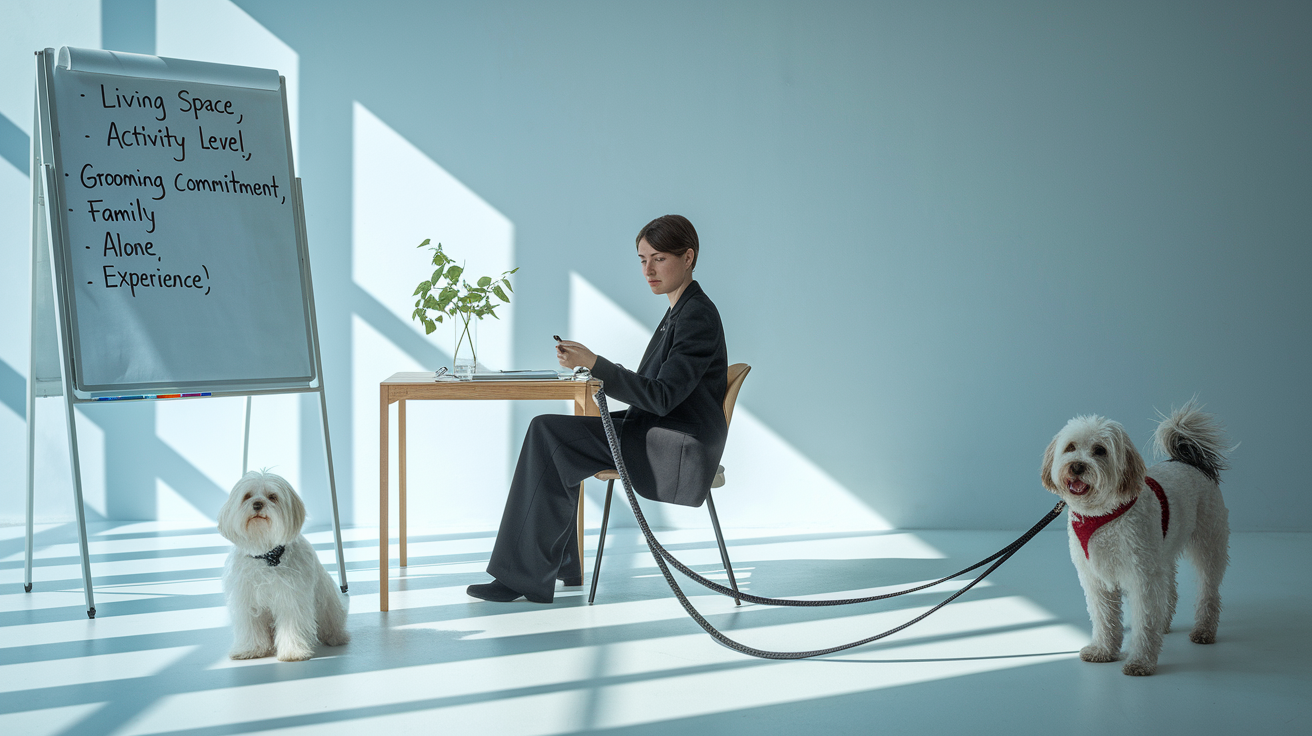
The best hypoallergenic breed for you is the one that fits your daily routine, not the one that produces the least dander on paper. A high energy dog like a Portuguese Water Dog or Wheaten Terrier will make your life harder if you can’t commit to an hour of outdoor activity every day. A small, quieter breed like a Maltese or Shih Tzu is a better match for apartment living and a less active lifestyle.
Six factors to evaluate before choosing a breed:
- Living space: Apartment, house with yard, or rural property; noise tolerance of neighbors.
- Activity level: Daily exercise time you can realistically commit (fifteen minutes, one hour, two hours).
- Grooming commitment: Willingness to brush daily and budget for professional grooming every six to eight weeks.
- Family composition: Presence of young children, elderly family members, or other pets; breed temperament with kids and animals.
- Alone time: How many hours per day the dog will be home alone; some breeds tolerate solitude better than others.
- Experience level: First-time dog owner or experienced handler; some breeds need firm, consistent training and early socialization.
Spend time with the specific breed or individual dog before adopting. Visit breeders, attend breed meet ups, or foster through a rescue. Your allergic reaction to one Poodle may differ from your reaction to another. Individual dogs produce varying levels of allergens based on genetics, grooming frequency, diet, and skin health.
Allergy Testing, Trial Visits, and Realistic Expectations Before Adopting
Consulting an allergist before adopting a dog is the most reliable way to understand your triggers. Skin prick tests or blood tests identify which proteins you react to. Some people are more sensitive to certain breeds or even specific dogs within the same breed. Knowing your allergy profile helps you make a better choice and manage symptoms more effectively.
Trial visits are essential. Spend several hours with the dog you’re considering (at the breeder’s home, the rescue facility, or through a foster arrangement if possible). Allergic reactions don’t always appear immediately. Spending time in the same room, handling the dog, and sitting on furniture the dog uses gives you a clearer picture of how your body will respond. If the breeder or rescue won’t allow a trial visit, that’s a red flag. Reputable breeders and rescues want successful matches, not returns.
Cost Expectations for Low‑Shedding Dogs (Grooming, Supplies, and Allergens)
Professional grooming every six to eight weeks typically costs between fifty and one hundred dollars per session, depending on breed size and coat complexity. Over a year, that’s six hundred to twelve hundred dollars. At-home grooming tools (slicker brushes, combs, clippers, and shampoos) add another one hundred to two hundred dollars upfront, plus replacement costs over time.
Four cost categories to budget for:
- Professional grooming: Six to twelve sessions per year, fifty to one hundred dollars per session.
- At-home grooming tools: Brushes, combs, nail clippers, dog-safe shampoo, and optional clippers; one hundred to two hundred dollars initially.
- HEPA vacuum and air purifiers: Quality HEPA vacuum costs two hundred to five hundred dollars; air purifiers range from one hundred to three hundred dollars each, with annual filter replacements.
- Allergy-friendly bedding and supplies: Washable dog beds, slipcovers for furniture, and hypoallergenic cleaning products; one hundred to three hundred dollars upfront.
Comparison Table of Popular Hypoallergenic Breeds
Comparing breeds side by side helps you weigh grooming intensity, activity needs, and allergy friendliness against your daily reality. A Poodle and a Maltese both trap dander, but their energy levels and space requirements differ dramatically.
| Breed | Size | Coat Type | Grooming Level | Activity Level | Allergy Friendliness |
|---|---|---|---|---|---|
| Standard Poodle | Large | Curly | High | High | Very high |
| Maltese | Small | Silky, hair-like | High | Low to moderate | Very high |
| Bichon Frise | Small | Curly, soft | Medium-high | Moderate | High |
| Yorkshire Terrier | Small | Silky, hair-like | High | Moderate | High |
| Shih Tzu | Small | Long, double coat | High | Low to moderate | High |
| Portuguese Water Dog | Medium | Curly or wavy | High | Very high | Very high |
| Soft-Coated Wheaten Terrier | Medium | Soft, wavy | High | Moderate to high | High |
| Giant Schnauzer | Large | Wiry, dense | High | Very high | High |
Use this table as a starting point, but remember that individual dogs within each breed vary. One Bichon may be calm and low energy; another may be bouncy and vocal. Grooming needs also shift with coat length. Owners who keep their dogs in short clips reduce brushing time but increase professional grooming frequency.
Final Words
We laid out what “hypoallergenic” really means — where allergens come from, which coat types trap less dander, and why no dog is allergen-free.
You saw small, medium, and large breed options, the doodle variability, plus grooming and home-cleaning steps that actually cut allergens.
Try a trial visit and allergy testing before you commit, and budget for grooming and a few tools.
If you pick carefully and stick to the routine, many people live comfortably with the best hypoallergenic dog breeds.
FAQ
Q: What is the most hypoallergenic dog breed?
A: The most hypoallergenic dog breed is often considered the Poodle (toy, miniature, or standard), thanks to its curly, low-shed coat that traps dander. No dog is completely allergen-free; reactions vary by person.
Q: What is the quietest calmest dog?
A: The quietest, calmest dog tends to be older, low-energy breeds such as Basset Hound, Cavalier King Charles Spaniel, or mellow senior mixed breeds. Training and environment shape how calm they stay.
Q: What dog can be left alone all day?
A: No dog should be left alone all day regularly. Some independent adult breeds like Basenji, Basset Hound, or Greyhound tolerate longer alone, but more than 6–8 hours daily risks separation anxiety and behavior problems.
Q: What is the cleanest house dog?
A: The cleanest house dog tends to be small, low-shed breeds such as Maltese, Bichon Frise, or Basenji, since they shed less and carry less odor. Regular grooming and cleaning still keep the home fresh.