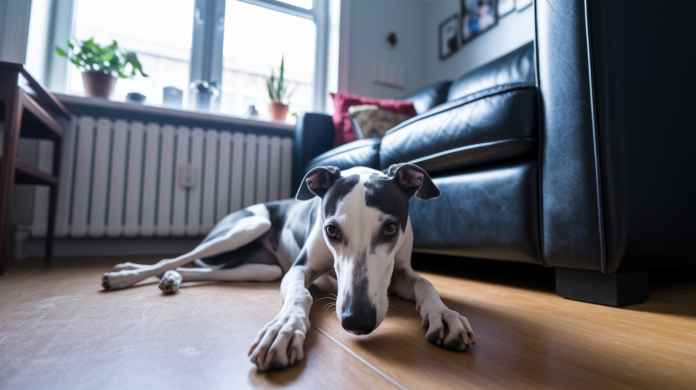

Think big dogs don’t belong in apartments?
Not true. Several large breeds adapt surprisingly well when temperament, not square footage, is the priority.
Greyhounds, Great Danes, Basset Hounds, Mastiffs, and St. Bernards often do best in small homes because they nap a lot and don’t need constant activity.
The catch: consistent walks, training, grooming, and building rules matter.
This post points you to calm large breeds, explains daily care and noise, and helps you decide if a gentle giant fits your life.
Large Apartment-Friendly Dog Breeds That Truly Fit Small Spaces

Several large breeds genuinely adapt well to apartment life. Size alone doesn’t tell the whole story. Breeds like Greyhounds, Great Danes, and Basset Hounds can thrive in smaller living spaces when their temperament matches your lifestyle. The key is understanding daily routines, not just square footage.
When you’re picking the best large dogs for apartments, prioritize low energy breeds with calm temperaments and minimal noise tendencies. Look for dogs that enjoy lounging, adapt to indoor routines, and don’t need constant activity to stay content. Breeds that do well in small living spaces typically have a natural off switch. They know when it’s time to rest.
Greyhound: Surprisingly calm indoors, minimal shedding, quiet napper
Great Dane: Gentle giant, low activity needs despite size, people oriented
Basset Hound: Low to moderate energy, family friendly, enjoys snuggling
Mastiff: Heavy but mellow, protective without high exercise demands
St. Bernard: Patient and gentle, prefers short walks over marathons
Bernese Mountain Dog: Calm indoors when given plenty of exercise
Even calm big dogs for apartments still need daily outdoor activity. A Greyhound might be a couch potato at home, but it still needs regular walks and occasional sprints. Before adopting or buying any large breed, verify your building’s policies. Many complexes ban breeds like German Shepherds, Rottweilers, and even Great Danes, cap the number of dogs at two, or impose weight limits as low as 15 pounds. Mixed breeds that resemble banned dogs are often treated the same way.
Understanding Temperament and Energy Levels in Large Apartment Dogs
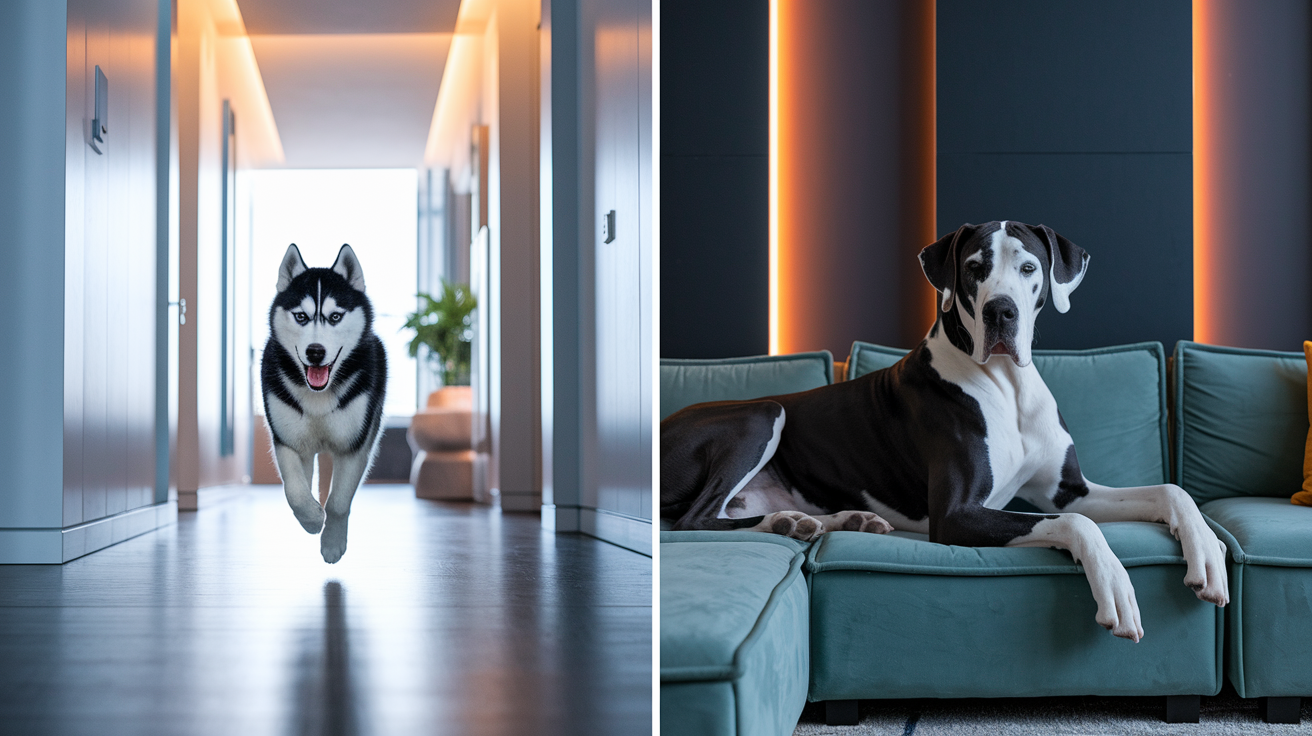
Temperament matters far more than size when choosing apartment dog breeds. A Siberian Husky can weigh less than a Great Dane, but the Husky was built to pull sleds for dozens of miles and needs intense daily exercise. Runs, dog park sessions, and mental challenges. A Great Dane, despite reaching up to 130 pounds and standing 32 inches tall, is often described as a calm, low activity “couch potato” that’s perfectly happy with one long daily walk and indoor downtime. If your schedule doesn’t allow for multiple long outings each day, a lower energy large breed is the only realistic fit.
Puppies are naturally more energetic than adults, regardless of breed. A five month old Great Dane puppy will have zoomies, chew furniture, and need constant supervision. An adult Great Dane that’s already crate trained and leash mannered will adapt to apartment life far more quickly. If you’re adopting for the first time or have a busy work schedule, consider an adult dog with a proven calm temperament.
Exercise Requirements for Big Dogs in Small Apartments
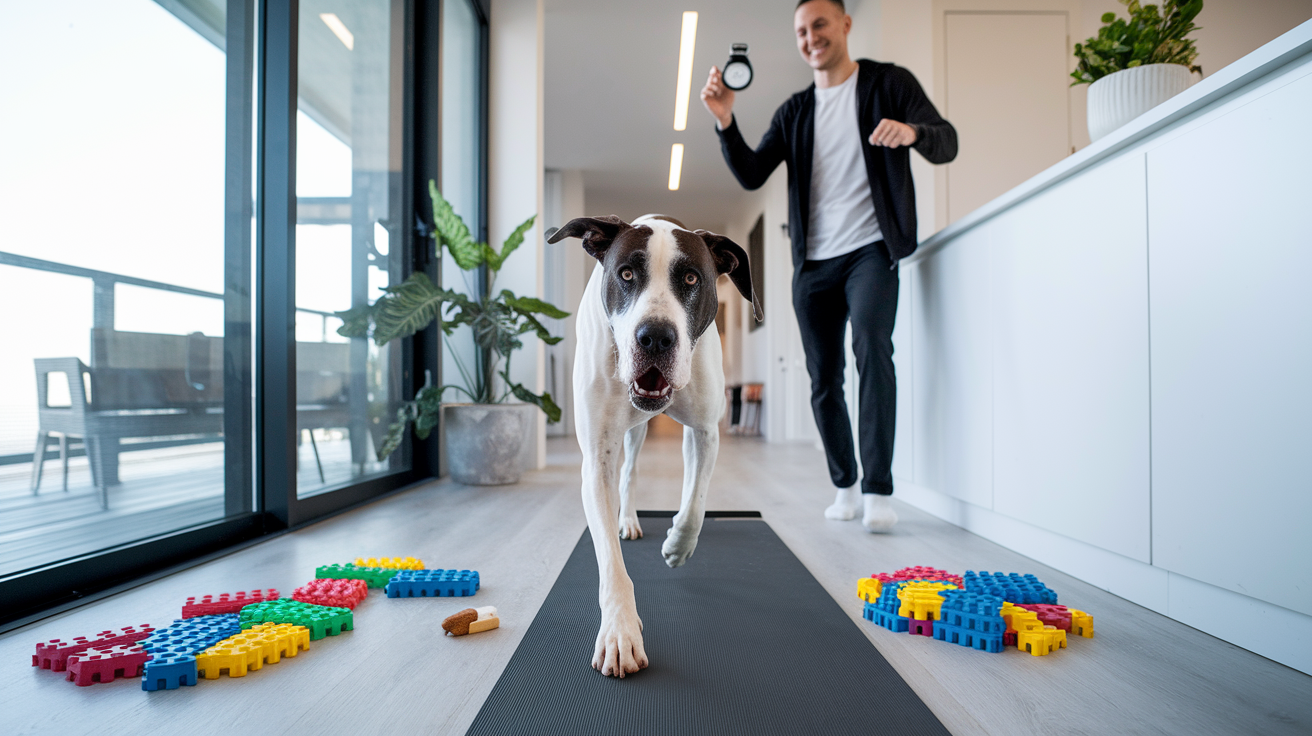
Most dogs need between 30 and 120 minutes of activity each day, depending on breed, age, and weight. Low energy large breeds like Basset Hounds and Mastiffs may do fine with 30 to 45 minutes of steady walking, while high drive dogs like Malamutes or young Bernese Mountain Dogs may need 90 to 120 minutes that include hiking, jogging, or fetch sessions. Match the exercise schedule to the dog’s natural energy level, not your ideal wishlist.
Outdoor surfaces matter when planning a large dog exercise schedule. Asphalt heats up quickly in summer and can burn paw pads, and it’s often heavily salted in winter, which irritates skin and can be toxic if licked. Seek nearby parks with grass or dirt trails. If sidewalks are the only option, use dog booties during extreme heat or salted conditions to protect your dog’s feet.
Tug of war games with a sturdy rope toy in the living room
Indoor fetch using soft balls in a hallway (measure the space first)
Hallway sprints for short bursts when weather prevents outdoor walks
Puzzle toys and snuffle mats to tire the brain without high impact movement
Consistency beats intensity. A predictable daily walk routine, even if it’s shorter, will keep a large apartment dog calmer and more content than sporadic long hikes. If you skip exercise for two days in a row, expect restlessness, barking, and furniture trouble.
Noise Levels and Barking Tendencies in Large Apartment Dogs

Noise is one of the biggest apartment deal breakers, so choosing naturally quiet breeds helps avoid conflicts with neighbors and building managers. Greyhounds and Great Danes are typically not excessive barkers. They’re calm, people oriented, and spend much of the day resting quietly. Basset Hounds, on the other hand, can be vocal when following a scent or when bored, though they’re not high barkers compared to terrier breeds or guarding dogs.
Barking often signals boredom, under exercise, or anxiety. Even the best quiet large dog breeds will bark if left alone for ten hours with no outlet. Establish a solid exercise routine, provide chew toys and puzzle feeders, and consider crate training to give your dog a secure resting spot during work hours. If your apartment has thin walls or strict noise ordinances, prioritize breeds with naturally low vocal tendencies and invest time in early training to reinforce calm behavior.
Grooming & Shedding Needs of Large Apartment Dogs

Grooming demands vary widely among large breeds, and those differences affect how much time you’ll spend cleaning fur off furniture and floors. Greyhounds shed minimally and have short coats that require almost no brushing, though their low body fat means they often need a sweater or coat in winter. Great Danes shed moderately year round, so plan to vacuum regularly and keep a lint roller nearby. Basset Hounds have droopy ears that trap moisture and need weekly cleaning to prevent infections, and they drool. Sometimes a lot.
In a small apartment, shedding and drool show up quickly. A Great Dane’s wagging tail can knock items off a coffee table, and loose fur collects in corners faster when there’s less floor space to dilute it. Budget time for weekly brushing, even for low shedding breeds, and keep grooming wipes on hand for ear care and drool cleanup.
| Breed | Shedding Level | Special Grooming Note |
|---|---|---|
| Greyhound | Minimal | May need winter coat due to low body fat |
| Great Dane | Moderate | Short coat, regular vacuuming required |
| Basset Hound | Moderate | Long ears need weekly cleaning; drools frequently |
Apartment Policies and Restrictions for Large Dog Owners

Many apartment complexes impose breed bans, weight limits, and numeric caps that directly affect large dog owners. Common banned breeds include Pit Bulls, Staffordshire Terriers, Chow Chows, Doberman Pinschers, German Shepherds, Cane Corsos, Great Danes, Alaskan Malamutes, and Siberian Huskies. Some landlords also restrict mixed breeds that resemble these dogs based on appearance alone, even without a DNA test or official registration.
Pet rent typically ranges from $15 to $40 per month, and many landlords require a refundable or nonrefundable pet deposit on top of that. Photograph your apartment before moving in. Document the condition of floors, walls, and doors so you have proof when requesting your deposit back. Some complexes also cap the total number of dogs at two, and a few pet friendly buildings set weight limits as low as 15 pounds, which would exclude nearly all large breeds.
Review the lease for breed restrictions before applying
Ask whether mixed breeds are assessed by DNA or by visual appearance
Confirm pet deposit amounts, pet rent, and refund policies in writing
Check for numeric limits (many buildings allow a maximum of two dogs)
Research city or county ordinances that may ban certain breeds regardless of landlord policy
Mixed breed restrictions are enforced inconsistently. A landlord might accept a Labrador mix but deny a Shepherd mix that looks similar in size and coat. If you’re adopting a rescue dog with unknown lineage, ask the shelter or rescue group for breed documentation and be prepared to provide photos and vet records when applying for housing.
Training Essentials for Large Dogs Living in Apartments
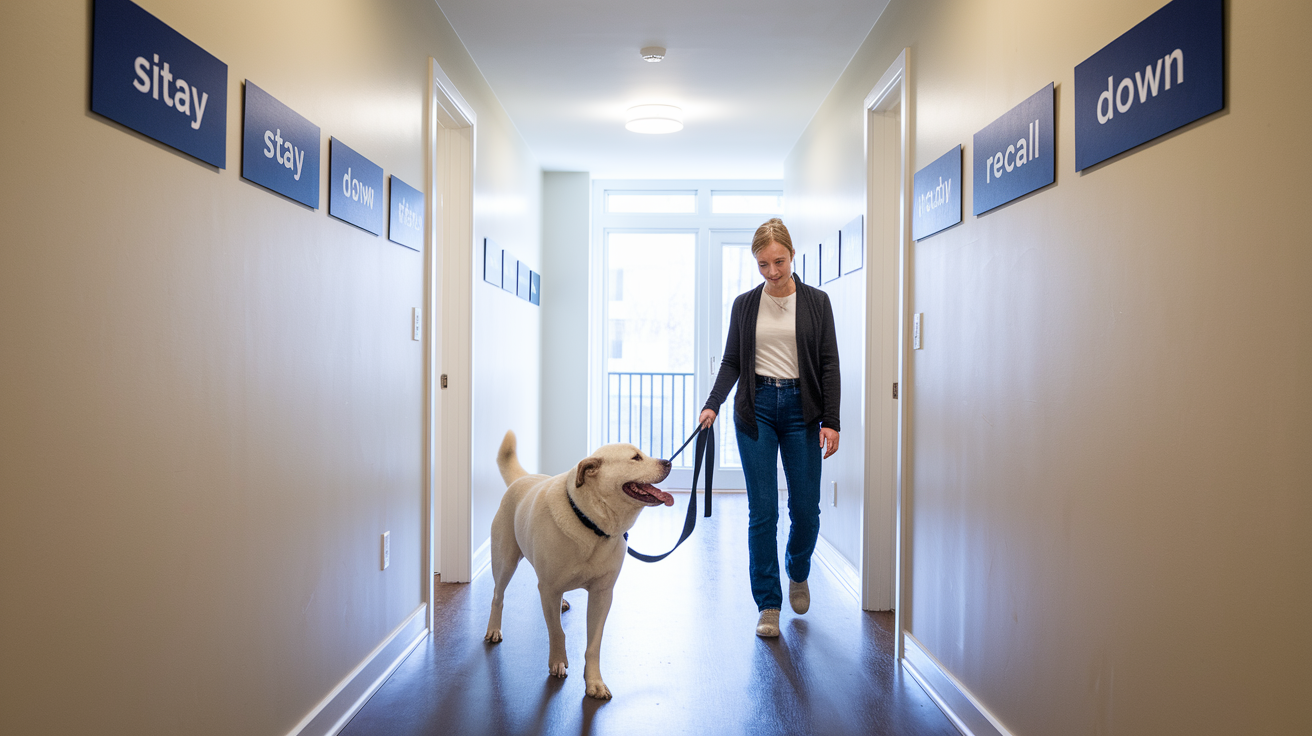
Training a large dog for apartment life requires more precision than training a small dog because mistakes are louder, messier, and harder to ignore. A Great Dane that jumps on guests or a Greyhound that bolts through an open door creates immediate problems in tight quarters. Start with basic obedience. Sit, stay, down, and recall. Practice every command in low distraction environments before testing them in hallways or near elevators.
Socialization should begin as early as possible, ideally between 8 and 16 weeks of age. Expose your dog to a variety of sounds, surfaces, people, and other animals in controlled settings. Early socialization reduces fear based behaviors like barking at neighbors in the hallway or lunging at delivery workers. Adult dogs can still be socialized, but it takes more repetition and patience.
Consistent training reduces noise complaints and property damage. A dog that knows “quiet” and “place” commands will settle faster when you’re on a work call or when neighbors are moving furniture next door. Apartment living rewards the time you invest in training because there’s less room for chaos.
Leash & Recall Skills
Leash manners matter more in apartments because you’ll walk through lobbies, share elevators, and pass close to strangers daily. Practice loose leash walking in your hallway before heading outside. Greyhounds have a strong prey drive and should never be off leash in unfenced areas. One squirrel sighting can trigger a 45 mile per hour sprint straight into traffic. Use a 6 foot leash for control and consider a front clip harness to reduce pulling.
Recall training should be practiced indoors first. Call your dog from another room, reward with high value treats, and gradually increase distance and distractions. Even calm big dogs like Great Danes need reliable recall in case they slip out the door or break away during a walk.
Housebreaking & Alone Time Training
Housebreaking a large breed in an apartment requires a strict potty schedule and close supervision. Take your dog out first thing in the morning, after meals, after play sessions, and right before bed. Crate training helps. Dogs naturally avoid soiling their sleeping area, and a crate provides a safe, calm space when you’re at work or running errands.
Preventing separation anxiety starts with short practice sessions. Leave your dog alone for five minutes, then ten, then thirty, gradually building tolerance. Provide a chew toy or puzzle feeder to keep them occupied. If your dog barks, whines, or destroys items when left alone, address the behavior early with positive reinforcement and consistency. Untreated anxiety gets worse over time and leads to neighbor complaints and lease violations.
Indoor Potty & Space Saving Solutions for Large Apartment Dogs

Indoor potty solutions help when weather is extreme, schedules run long, or your dog is elderly or injured. Options include small and large grass dog potty trays, washable grass pads, real grass patch subscriptions, and litter box style setups designed for big breeds. These systems work best when introduced early and paired with consistent outdoor potty routines. Not as a full replacement, but as a backup.
Large grass dog potty trays with drainage layers for realistic outdoor texture
Real grass patch subscriptions delivered monthly and composted after use
Washable synthetic grass pads that rinse clean and dry quickly
Litter box alternatives with low tracking pellets sized for large paws
Space saving layouts keep apartments functional. Place your dog’s bed in a corner or along a wall to preserve walking paths. Greyhounds need a soft, warm surface because their low body fat makes hard floors uncomfortable. Great Danes need enough room to stretch out fully. Measure before buying a bed. Use furniture risers to create under bed storage for food, toys, and grooming supplies. If you crate train, position the crate in a low traffic area where your dog can rest without constant interruptions.
Best Large Dog Breeds for First Time Apartment Owners
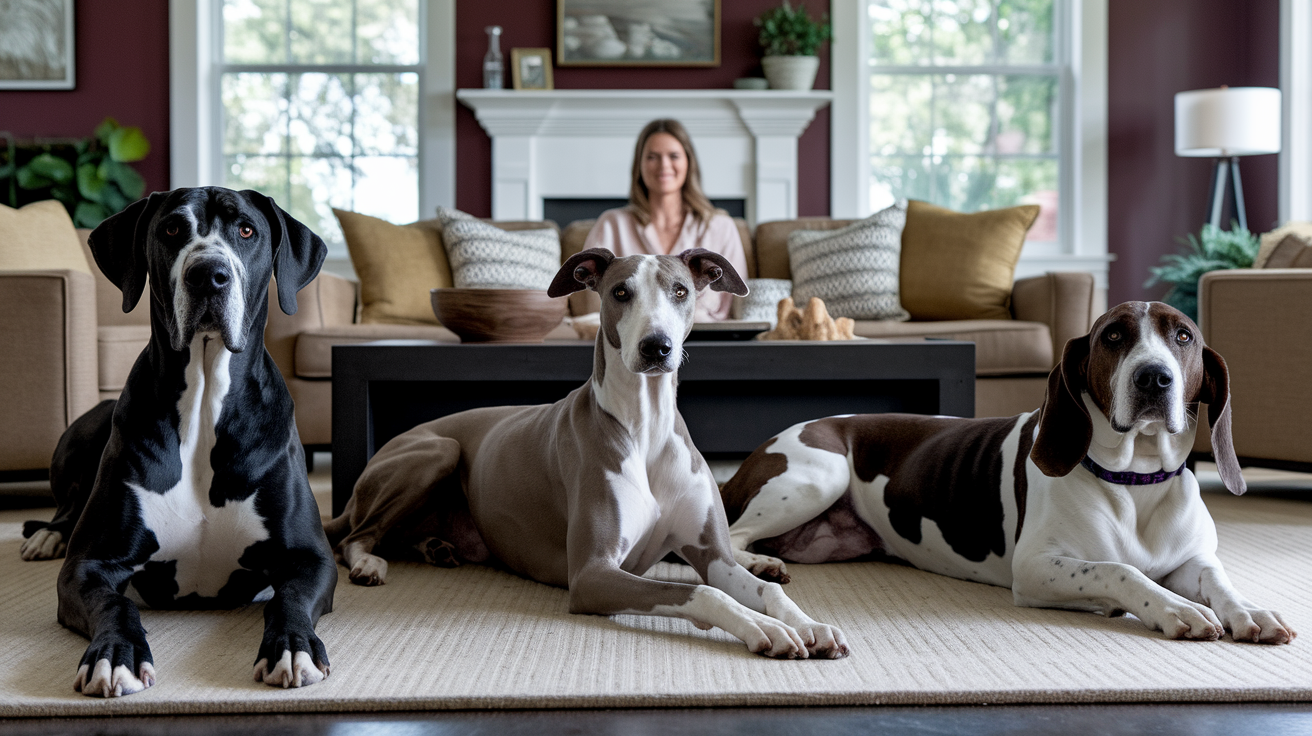
First time owners should prioritize gentle giant apartment dogs with naturally calm temperaments and tolerance for downtime. Great Danes, Greyhounds, and Basset Hounds are all beginner friendly because they don’t require advanced handling skills, adapt well to routine based schedules, and forgive minor training mistakes. Avoid high drive working breeds like Huskies or Malamutes unless you’re genuinely committed to daily intense exercise and have prior dog handling experience.
Great Dane: Calm, people oriented, minimal exercise demands
Greyhound: Quiet indoors, short grooming routine, low activity needs
Basset Hound: Easygoing, family friendly, enjoys lounging
Adult dogs often suit first time apartment owners better than puppies. An adult dog with a known temperament and some training already in place will settle into apartment life faster and with fewer surprises. Puppies require constant supervision, frequent potty breaks, and months of intensive training. Doable, but significantly harder in a small space with shared walls.
Additional Large Breeds Worth Considering for Apartment Life

Standard Poodle
Standard Poodles are intelligent, highly trainable, and shed very little, making them one of the best apartment friendly giant breeds for owners with allergies. They do require regular grooming. Plan for professional grooming every 6 to 8 weeks and daily brushing to prevent matting. Their energy level is moderate, so expect at least one solid walk or play session daily.
Irish Wolfhound
Irish Wolfhounds are gentle, quiet, and surprisingly low energy for their size. They can weigh up to 180 pounds but are content with moderate daily walks. Space management is critical because they need room to stretch out, and their long legs make tight corners awkward. They’re calm with children and other pets, though their size requires careful supervision around toddlers.
American Staffordshire Terrier
American Staffordshire Terriers are strong, loyal, and energetic, so they need consistent exercise and early socialization to thrive in apartments. Many buildings ban this breed or mixed breeds that resemble them, so verify housing policies before adopting. When properly trained and exercised, they’re affectionate, people focused dogs that adapt well to indoor routines.
Portuguese Water Dog
Portuguese Water Dogs are medium to large, energetic, and highly social. They were bred to work alongside fishermen, so they need daily mental and physical stimulation. Long walks, fetch games, or puzzle toys. Their curly, low shedding coat requires regular grooming to prevent tangles. They’re excellent for active apartment dwellers who can commit to a structured exercise routine.
Lowland Sheepdog
Lowland Sheepdogs are calm, gentle, and moderate energy, making them a solid choice for apartment living if you’re prepared for coat care. Their long, shaggy fur needs brushing several times a week to prevent matting, and professional grooming every few months keeps them comfortable. They’re patient with children and other pets, and they’re typically quiet indoors when their exercise needs are met.
Final Words
You’ve seen which large breeds genuinely adapt to apartment life. Calm, low-energy types like the Greyhound, Great Dane, and Basset Hound can fit with the right routine.
We covered the key trade-offs: daily exercise, training, noise, shedding and drool, and building limits like breed or weight caps.
Puppies are more work. Adult dogs often settle faster, and consistent walks, indoor play, and sensible grooming go a long way.
If you’re weighing options, this guide points you to the best large dogs for apartments that match your routine and lease rules. You can do this.
FAQ
Q: What big dogs do well in apartments?
A: Big dogs that do well in apartments are typically calm, low-energy, and quiet. Popular options include Greyhound, Great Dane, Mastiff, St. Bernard, Basset Hound, and Malamute—each still needs regular walks.
Q: What is the calmest large dog?
A: The calmest large dog is often the Great Dane, prized for gentle, low-activity indoor behavior; Mastiffs and St. Bernards also rank very calm, but all large dogs still need daily walks and vet care.
Q: What is the best dog breed for an apartment?
A: The best dog breed for an apartment depends on your routine: for large breeds, Greyhounds and Great Danes often adapt if you provide daily exercise; otherwise choose smaller, low-energy dogs and confirm your building’s rules.
Q: What kind of dog can you leave alone in an apartment?
A: The kind of dog you can leave alone in an apartment is an adult, crate-trained, low-anxiety dog that tolerates alone time—think calm breeds like Greyhounds or Mastiffs—gradually build tolerance; puppies and high-drive breeds need more supervision.