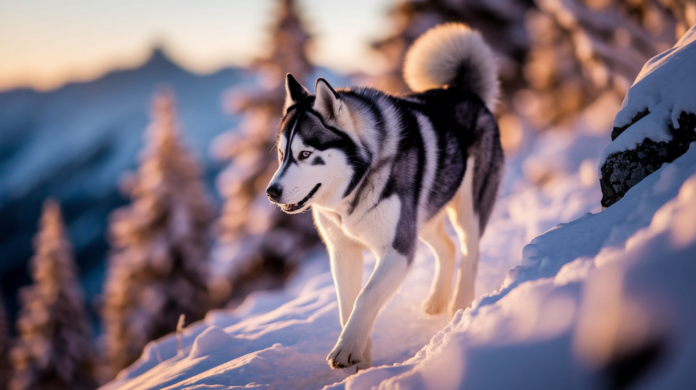

Think every dog wants to be on your couch?
Some breeds genuinely do better outside, built for cold, long work, or wide open spaces.
This post lays out the outdoor-ready breeds that thrive with active owners, plus the daily realities most people underestimate: grooming, exercise, and climate limits.
Not about neglect. It’s about matching a dog’s wiring to your life.
Read on to find which breeds fit your climate, yard size, and how much time you can actually give.
Outdoor-Ready Breeds That Truly Thrive Outside
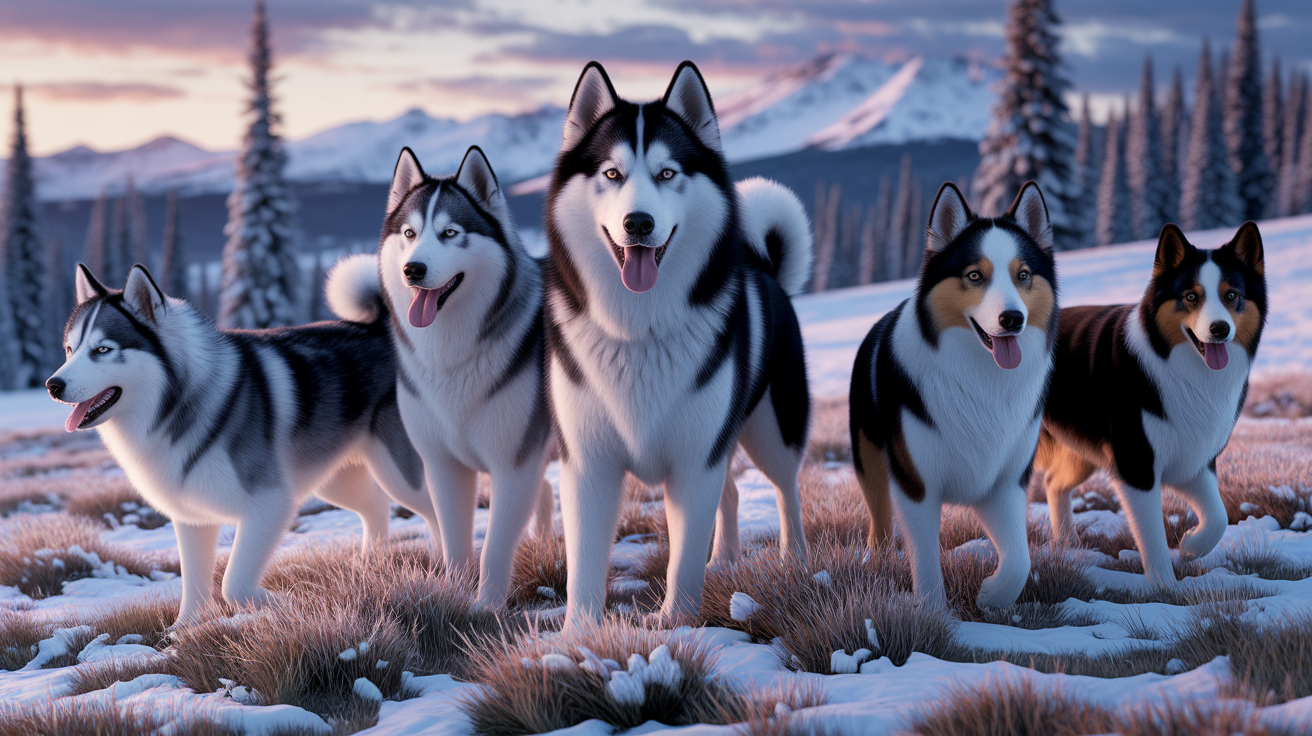
Some dogs are happiest living outdoors. Not because they’re neglected, but because their genetics, coat structure, and energy systems were built for it. Breeds developed for herding sheep in snow, hunting in forests, or guarding livestock on mountainsides don’t just tolerate outdoor living. They prefer it. These dogs have thick double coats, high stamina, independent problem solving instincts, and the kind of drive that turns idle indoor time into trouble.
This isn’t about leaving a dog outside 24/7 with no interaction. It’s about recognizing which breeds are wired to spend most of their working hours outdoors, handle weather swings without stress, and stay mentally satisfied when given space, tasks, and regular human contact. The breeds below consistently show up in working roles, active homes, and rural properties where outdoor time isn’t a weekend bonus. It’s the daily routine.
- Siberian Husky – Cold loving sled dog, happy in snow, tolerates rain, independent temperament.
- Alaskan Malamute – Larger than the Husky, built for hauling heavy loads in Arctic conditions.
- German Shepherd – Versatile working dog, handles varied climates, trainable, protective.
- Labrador Retriever – Water loving retriever, strong stamina for hiking, swimming, and fetch work.
- Golden Retriever – Similar to the Lab but heavier coat, thrives with active outdoor routines.
- Border Collie – Intense herding drive, needs wide open space and daily mental challenges.
- Australian Shepherd – High energy herder, excels in agility, trail work, and problem solving tasks.
- Australian Cattle Dog – Compact working breed, bred to herd cattle in heat and rough terrain.
- Norwegian Elkhound – Brave outdoor guardian, historically used to track large game in Scandinavia.
- Greater Swiss Mountain Dog – Strong enough to pull carts, content working or guarding outdoors.
- Rottweiler – Large, loyal guardian, thrives with outdoor patrol work and structured exercise.
- Beagle – Hardy hunting dog, needs high daily exercise or becomes destructive indoors.
Climate and space matter as much as breed temperament. Cold weather specialists like Huskies and Malamutes struggle when summer temps climb above 75°F. Large bodied breeds like Irish Wolfhounds and Mastiffs need sprawling yards or acreage. Cramming them into a small fenced lot creates frustration. Guardian breeds such as Anatolian Shepherds and Great Pyrenees perform best with at least one acre and a job to do. If you’re working with a standard suburban yard, lean toward medium energy breeds like Labs or Beagles that can adapt as long as daily exercise is consistent and vigorous.
Climate-Tough Dog Breeds for Outdoor Living

Coat type determines whether a dog shivers in winter or overheats in July. Double coated breeds carry a dense undercoat for insulation and a longer outer coat that sheds water and blocks wind. That design makes them nearly bulletproof in cold climates. Huskies sleep comfortably in snow, Norwegian Elkhounds patrol in freezing rain, and Greater Swiss Mountain Dogs work happily when temps drop below freezing. The trade off: those same dogs pant heavily and seek shade when it’s warm, and sustained heat above 80°F can lead to overheating, especially during hard work.
Single coated or short haired breeds handle heat better but need shelter in cold weather. Rhodesian Ridgebacks and Anatolian Shepherds tolerate hot, dry climates without struggling. Beagles and short coated working mutts stay comfortable in moderate heat as long as they have water and shade. Body size also plays in. Larger, heavier dogs generate more internal heat, so a 100 pound Rottweiler will overheat faster than a 50 pound Cattle Dog in the same conditions.
Cold tolerant breeds include Siberian Husky, Alaskan Malamute, Norwegian Elkhound, Bernese Mountain Dog, Greater Swiss Mountain Dog. Thick double coats, perform well below freezing.
Heat tolerant breeds include Rhodesian Ridgeback, Anatolian Shepherd, Beagle, Australian Cattle Dog. Shorter coats or leaner builds, handle summer heat with proper hydration.
Moderate climate generalists like Labrador Retriever, German Shepherd, Golden Retriever adapt to varied climates but need seasonal adjustments. Shade in summer, insulated shelter in winter.
Breeds that struggle in heat: Huskies, Malamutes, Elkhounds. Any double coated Arctic breed, temps above 75°F require cooling measures.
Breeds that struggle in cold: Ridgebacks, Beagles without shelter, short coated guardian mixes. Need insulated housing and bedding when temps drop near or below freezing.
Match the breed to your region’s extremes, not the average. If your summer highs regularly hit 90°F, skip the Husky. If winter lows drop into single digits and you don’t have insulated shelter, don’t bring home a Ridgeback. The dog’s coat is fixed. Your climate isn’t.
Exercise and Space Needs of Outdoor-Focused Breeds

Outdoor breeds aren’t all the same when it comes to energy output. A Beagle needs daily running to stay sane, but an Irish Wolfhound is surprisingly calm and needs moderate exercise despite its size. Herding breeds like Border Collies and Australian Shepherds require 90+ minutes of intense work every single day. Without it, they invent their own jobs, and you won’t like the results. Sporting breeds such as Labs and Goldens thrive on structured outdoor activities like swimming, fetching, and long trail hikes, and they’re happiest when those activities involve their people.
Space matters, but it’s not a magic fix. A fenced half acre won’t tire out a Border Collie if all it does is pace the perimeter. That same yard works beautifully for a Rottweiler that patrols it deliberately or a Beagle that gets daily leash walks and scent games. Guardian breeds like Great Pyrenees need room to roam and patrol, one to two acres minimum, but they’re lower energy overall and don’t need sprinting. Giant breeds such as Irish Wolfhounds and Mastiffs need open space to stretch out, not necessarily to run laps.
| Breed | Daily Exercise (minutes) | Ideal Yard Size | Energy Level |
|---|---|---|---|
| Border Collie | 90–120 | 0.5+ acre, secure fence | Very high |
| Siberian Husky | 60–90 | 0.25+ acre, tall fence | High |
| Labrador Retriever | 60 | 0.25 acre or daily outings | Moderate-high |
| Great Pyrenees | 30–60 | 1+ acre preferred | Moderate |
| Beagle | 60 | Fenced yard or leash walks | High |
| Irish Wolfhound | 30–60 | Large open space | Low-moderate |
If your property is small, choose a breed whose exercise needs you can meet with daily structured activity. Long morning runs, fetch sessions, or trail hikes. If you have acreage but limited time, lean toward lower energy guardians or giant breeds that are content patrolling and resting. Space without exercise structure just gives a high drive dog room to dig, bark, and pace.
Best Outdoor Working and Guarding Breeds
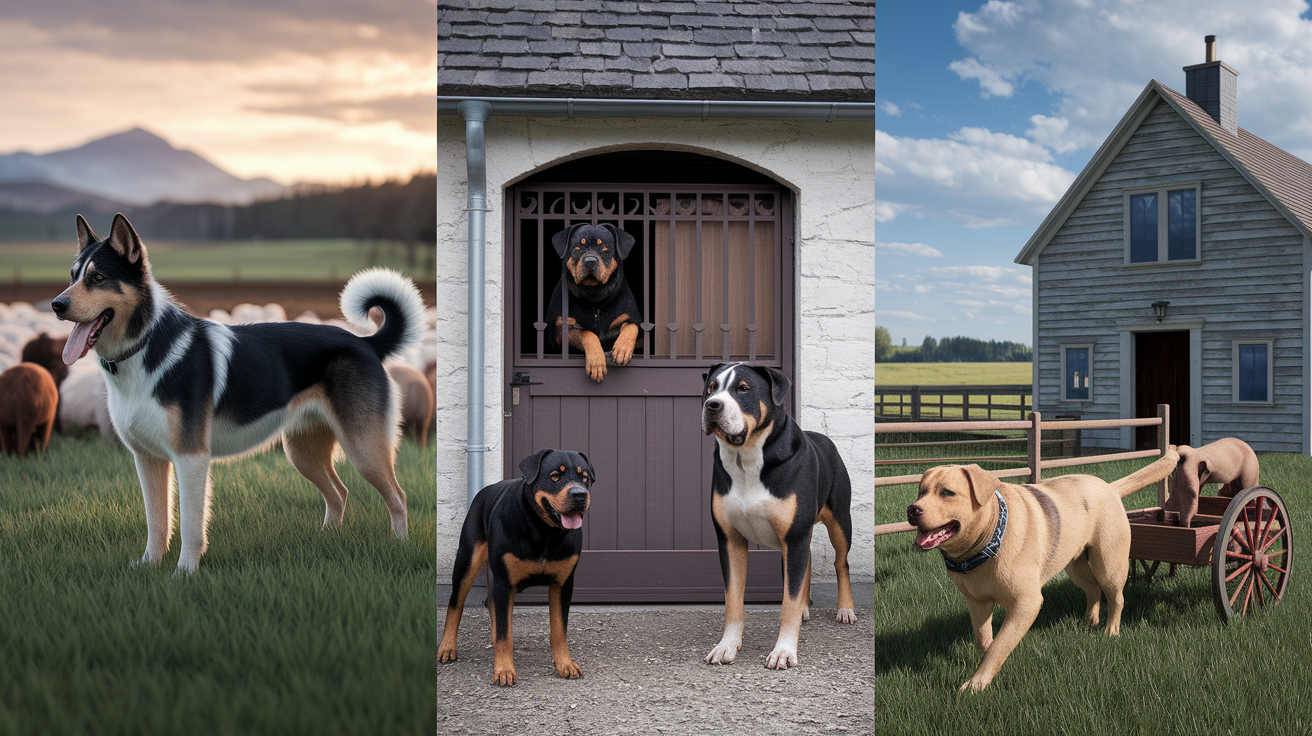
Some outdoor breeds were designed to work independently, make decisions without constant human direction, and protect territory or livestock from threats. That independence is an asset on a farm or ranch, but it requires owners who understand the difference between a companion dog and a working guardian. These breeds won’t fetch your slippers. They’re scanning the property line.
Livestock Guardians
Breeds like the Norwegian Elkhound and Great Pyrenees were developed to live with flocks, patrol large areas, and confront predators without waiting for permission. The Elkhound’s reputation includes tracking and standing down large game, historically even bears, while the Pyrenees bonded with sheep and goats, staying outdoors through all seasons. These dogs are calm around their charges but wary of strangers and fiercely territorial. They bark to warn and will physically intervene if a threat persists. Livestock guardians need acreage, a job, and owners who respect their independent decision making.
Property Guardians
Rottweilers and Mastiffs guard homes and families rather than livestock. The Rottweiler is loyal, confident, and highly trainable, making it a strong choice for active owners who want both protection and obedience. Mastiffs are calmer and less driven but intimidating by size alone. Both breeds need structured socialization as puppies and clear boundaries. They’re naturally suspicious of strangers and will escalate to physical defense if they perceive a real threat. Property guardians do best with secure fencing, daily interaction, and owners who can handle a powerful, protective dog.
Multi-Purpose Working Dogs
Greater Swiss Mountain Dogs and Australian Cattle Dogs are versatile workers. The Swissie historically pulled carts, guarded farms, and worked alongside people in the Alps. Strong, steady, and content with outdoor tasks that combine physical work and problem solving. Australian Cattle Dogs herd livestock with intensity and intelligence, excelling in rough terrain and hot climates. Both breeds are happiest when they have structured work routines, whether that’s pulling a wagon, moving stock, or running agility drills. Without a job, they redirect that drive into less helpful projects.
Family-Friendly Outdoor Breeds for Active Homes

Not every outdoor capable breed fits well with young children or multi pet households. Herding breeds may nip at running kids, and guardian breeds can be overprotective or wary of visitors. The breeds below balance outdoor stamina with family adaptability, though supervision and training remain necessary.
Labrador Retrievers and Golden Retrievers top the family friendly list. Both are patient with children, social with other pets, and enthusiastic about outdoor adventures. Hiking, swimming, fetch, and camping trips. They’re trainable, forgiving of beginner mistakes, and happiest when included in family activities. German Shepherds are protective and intelligent, making them excellent family guardians, but they need early socialization and consistent training to prevent overprotectiveness. Beagles are affectionate and sturdy enough for active kids, though their high exercise needs and strong scent drive mean they’ll follow their nose straight through an open gate if given the chance.
Labrador Retriever: Social, trainable, loves water and outdoor play. Excellent with children and other pets.
Golden Retriever: Gentle, patient, and adaptable. Thrives in active households with kids and outdoor routines.
German Shepherd: Loyal and protective. Great with family but needs structured training and early socialization.
Beagle: Friendly and sturdy. Good with kids but requires secure fencing and daily exercise to prevent mischief.
Even family friendly breeds have limits. Huskies are social and playful but have strong prey drive. They may chase cats or small pets. Rottweilers bond deeply with their families but can be standoffish or protective around unfamiliar children. Any outdoor breed that’s also a guardian or high drive worker needs supervised introductions, clear household rules, and ongoing training to ensure safe, positive interactions with kids and other animals.
Grooming and Shedding Realities of Outdoor Dogs

Outdoor dogs bring the outdoors inside, and that includes mud, burrs, and fur. Double coated breeds shed heavily twice a year during seasonal coat changes, spring and fall, and moderately year round. During peak shedding season, a Husky or Norwegian Elkhound can fill a grocery bag with loose undercoat every week. Plan on brushing two to three times per week minimum, increasing to daily during blow season, or the loose fur mats into clumps that pull at the skin.
Moderate shedders like Labradors and German Shepherds drop fur steadily throughout the year. Weekly brushing keeps it manageable, though you’ll still find hair on furniture and clothes. Breeds with longer outer coats, such as Golden Retrievers and Greater Swiss Mountain Dogs, need regular combing to prevent tangles, especially around the ears, tail, and hindquarters where mud and debris collect. Outdoor dogs that swim or work in wet conditions benefit from post activity rinses to prevent skin irritation and odor buildup.
Heavy seasonal shedders: Siberian Husky, Alaskan Malamute, Norwegian Elkhound. Expect intense twice yearly coat blow, daily brushing required during peak weeks.
Moderate year round shedders: Labrador Retriever, German Shepherd, Beagle. Weekly brushing keeps loose fur under control, no dramatic seasonal changes.
Lower maintenance coats: Australian Cattle Dog, Rhodesian Ridgeback. Short, weather resistant coats, occasional brushing and baths as needed.
Outdoor breeds rarely need professional grooming unless you’re managing severe matting or want a seasonal trim for heat relief. The bigger grooming task is managing what comes home with them. Paw cleaning, tick checks, and removing foxtails, stickers, and mud before it spreads through the house.
Training Outdoor Dogs: Recall, Leash Skills, and Socialization

Outdoor breeds often combine high independence with strong working instincts, which makes training both necessary and challenging. A Border Collie will outsmart inconsistent training, a Husky will ignore recall if something more interesting appears, and a Beagle will follow its nose straight into trouble. The key is starting early, keeping sessions short and rewarding, and building skills that match how the dog will actually live.
Recall Training Essentials
Recall is the most important skill for any dog that spends time off leash outdoors. Start in a low distraction environment, your yard or a quiet field, and practice calling the dog back from short distances using a high value treat or toy. Keep sessions to five to ten minutes, two to three times per day. Gradually increase distance and add mild distractions like other people or toys on the ground. For scent driven breeds like Beagles or independent thinkers like Huskies, expect eight to twelve weeks of consistent daily practice before reliable recall in open areas. Even then, some dogs will always need a long lead or secure fencing during high distraction moments.
Leash and Boundary Skills for Large Outdoor Areas
Dogs that roam acreage still need leash skills for vet visits, travel, and anywhere fencing isn’t an option. Practice loose leash walking in short bursts, rewarding the dog for staying near you without pulling. For property boundaries, walk the perimeter with the dog on leash several times, marking the edges with your presence and voice cues. Over time, the dog learns where its territory ends. Guardian breeds like Great Pyrenees and Rottweilers naturally patrol boundaries, but without training they may extend that patrol into neighbors’ yards or react aggressively to people passing near the property line. Clear boundary work prevents territorial conflicts.
Socialization for High Drive and Guardian Breeds
The critical socialization window is eight to sixteen weeks of age. During that period, expose puppies to different people, animals, sounds, and environments in short, positive sessions, five to fifteen minutes each. For guardian breeds, this prevents fear based aggression and overprotectiveness. For herding breeds, early socialization reduces nipping and chasing instincts toward children and other pets. High drive working dogs benefit from structured problem solving games and exposure to novel situations, which builds confidence and prevents reactive behavior. If you adopt an adult outdoor breed with limited socialization history, work with a professional trainer who understands working and guarding temperaments. DIY socialization with an undersocialized adult guardian can escalate to serious aggression.
Outdoor Safety, Gear, and Health Protection
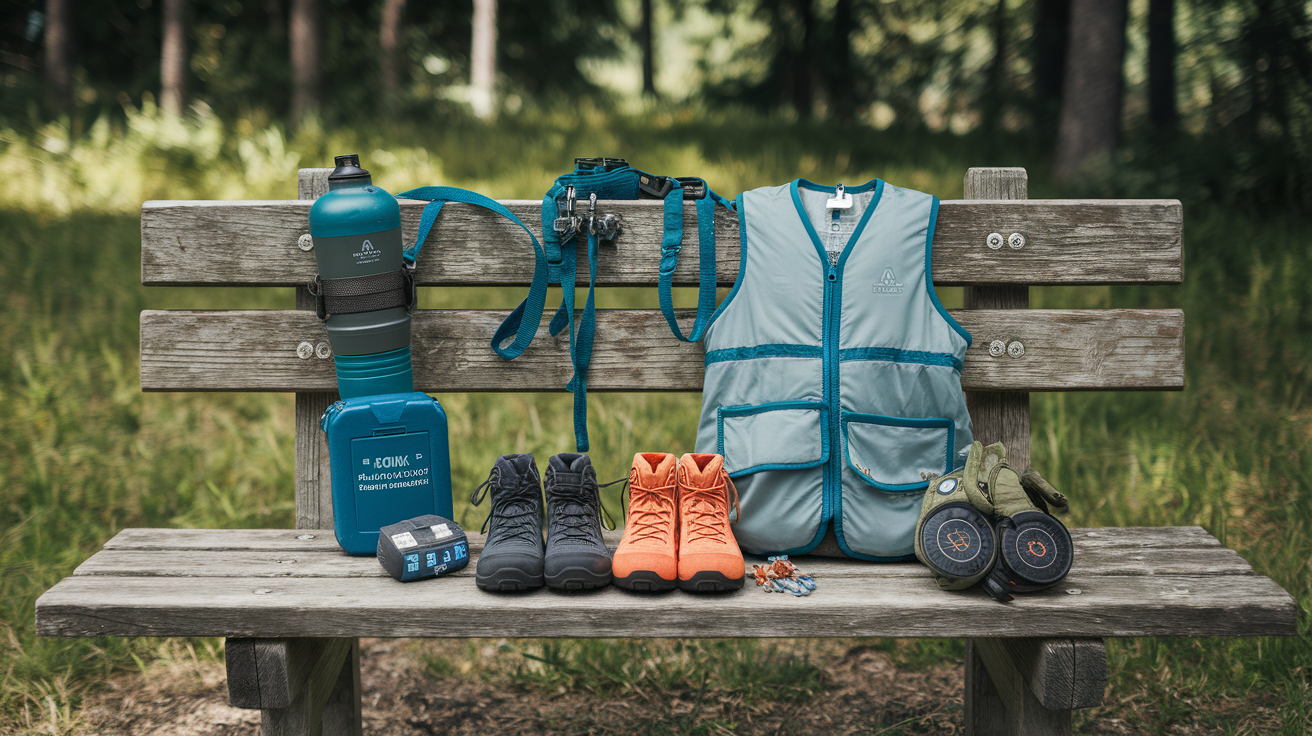
Outdoor dogs face risks indoor dogs don’t. Ticks, foxtails, extreme weather, wildlife encounters, and injuries from rough terrain. Prevention beats emergency treatment every time, and most outdoor hazards are manageable with the right gear and routines.
Hydration is the first priority. Active dogs working or playing outdoors in warm weather need access to fresh water at all times, at least one gallon per 20 to 30 pounds of body weight per day, more during intense exercise. Carry a collapsible water bowl and extra water on hikes. Overheating is a real risk, especially for double coated breeds. Watch for excessive panting, drooling, stumbling, or bright red gums, and stop activity immediately if any appear.
Ticks and fleas are constant threats in most outdoor environments. Monthly preventive treatments are non negotiable, oral or topical, depending on your vet’s recommendation. After every outdoor session, run your hands over the dog’s body, checking ears, armpits, groin, and between toes for attached ticks. The sooner you remove a tick, the lower the risk of disease transmission. Foxtails and burrs lodge in ears, paws, and fur. Inspect and remove them daily during grass seed season.
GPS collar or ID tag: Necessary for any dog with roaming access, ensures fast recovery if the dog slips a boundary.
Protective booties: Shields paws from hot pavement, ice, sharp rocks, and rough trail surfaces.
Cooling vest or bandana: Helps regulate body temperature for double coated breeds in warm weather.
Durable harness: Distributes pull force evenly, better control on trails and around livestock or wildlife.
Portable first aid kit: Include tweezers for ticks, sterile gauze, antiseptic wipes, and a foil emergency blanket.
Long training lead (20–30 feet): Allows safe off leash practice in unfenced areas while maintaining control.
Check weather forecasts before long outdoor sessions. Avoid midday heat during summer, schedule exercise for early morning or evening. In winter, provide insulated shelter with dry bedding and check water sources regularly to prevent freezing. Outdoor dogs still need regular vet care, including annual exams, vaccinations, and heartworm testing. Living outside doesn’t make them immune to illness. It often increases exposure.
Matching Your Lifestyle With an Outdoor Breed
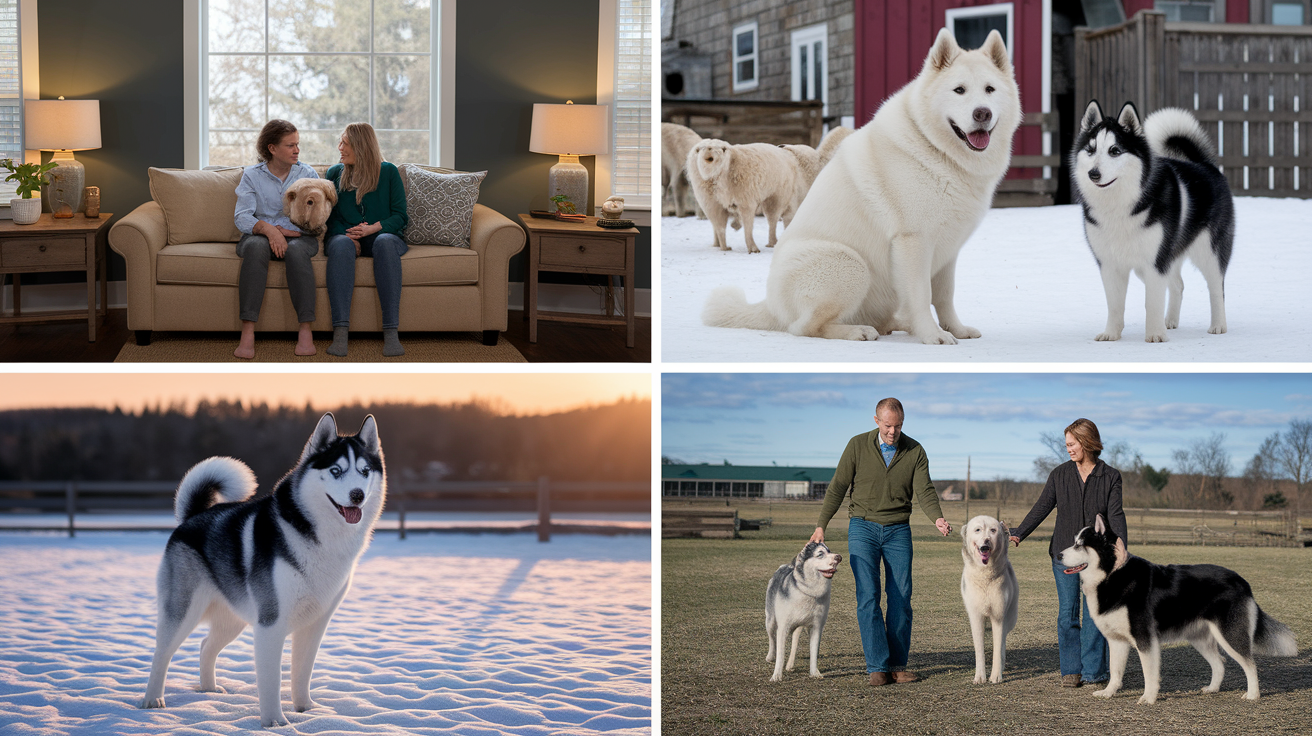
Choosing an outdoor breed isn’t about picking the toughest or most impressive dog. It’s about matching energy, temperament, and care requirements to what you can actually provide every single day. A Husky that needs 90 minutes of running and a job will destroy your yard and sanity if you work ten hour days and prefer quiet evenings. A Great Pyrenees that’s hardwired to patrol and bark at night will frustrate you and your neighbors if you live on a small suburban lot.
Start by honestly assessing your time, space, and experience. First time owners do better with trainable, people focused breeds like Labradors, Golden Retrievers, or Beagles. Dogs that want to please and forgive mistakes. Experienced owners who understand working or guarding temperaments can handle independent thinkers like Huskies, Cattle Dogs, or Rottweilers. If your property is under half an acre, skip guardian breeds and large roamers like Irish Wolfhounds. If your summer temps regularly exceed 80°F, double coated Arctic breeds will struggle.
| Lifestyle Match | Best Breeds | Energy Level | Training Difficulty |
|---|---|---|---|
| Beginner-friendly, active family | Labrador, Golden Retriever, Beagle | Moderate-high | Low-moderate |
| Experienced owner, acreage, livestock | Great Pyrenees, Anatolian Shepherd, Australian Cattle Dog | Moderate-high | Moderate-high |
| Cold climate, large property, active owner | Siberian Husky, Alaskan Malamute, Norwegian Elkhound | High | Moderate-high |
| Property guardian, experienced handler | Rottweiler, Mastiff, German Shepherd | Moderate | Moderate |
Budget matters too. Large breeds cost $700 to $1,200 per year just for food, and vet care for giant breeds or breeds with common health issues runs higher. If you’re adopting, look for breed specific rescues or spend time with mixed breed candidates at shelters. Many excellent outdoor dogs are waiting there, especially working breed mixes. A trial foster period of one to two weeks lets you test compatibility on your property before committing. The right outdoor breed should make your life easier and more active, not harder.
Final Words
You’ve got the outdoors-first checklist: climate-tough coats, daily exercise needs, grooming realities, and guard vs family temperaments.
Use the breed lists and the training, gear, and safety tips to match a dog to your yard, schedule, and experience level.
If you’re weighing options, ask how much daily activity you’ll actually give a dog. Active breeds do best with committed time.
Pick from the best outdoor dog breeds that fit your life, and you’ll have a happy, healthy partner for trails, yard time, and weekend adventures.
FAQ
Q: What dogs are best to live outside?
A: Dogs best suited to live outside are hardy, working breeds with weather‑tolerant coats—Siberian Husky, Norwegian Elkhound, Greater Swiss Mountain Dog, Australian Cattle Dog, Rottweiler, Mastiff, and adaptable mutts—if you provide shelter, exercise, and vet care.
Q: What is the no. 1 lazy dog and what is the nicest calmest dog breed?
A: The laziest and calmest dog breeds tend to be English Bulldogs, Basset Hounds, and retired racing Greyhounds; they’re relaxed at home but still need short walks, mental stimulation, and regular health checks.