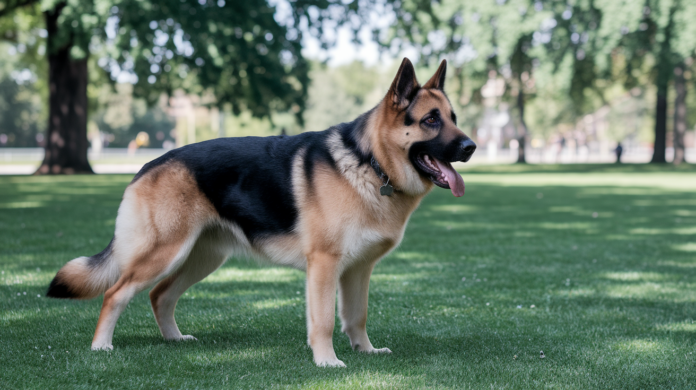

Controversial: a German Shepherd will love you like family, and will punish you for skipping a walk.
They’re smart, loyal, and protective, which makes them amazing working dogs and devoted pets.
But they need daily exercise, serious training, and heavy grooming.
Get those wrong and they’ll chew, bark, or develop anxiety.
This guide lays out the real pros and cons: trainability, loyalty, exercise needs, shedding, and common health watch-outs, so you can decide clearly whether a German Shepherd fits your life.
Key German Shepherd Pros and Cons for Choosing the Right Fit

German Shepherds stand 22–26 inches tall and weigh between 50 and 90 pounds. Males hit the heavier end, females lighter. They live 7 to 11 years on average. Bred as working dogs in Germany in the late 1800s, they carry strong instincts to do a job every single day. The American Kennel Club recognizes 11 coat colors. Skip a walk for two days and you’ll regret it.
They’re highly trainable, deeply loyal, and protective. Those qualities make them excellent police and military dogs. They form strong bonds with their families and can be wonderful with children when raised right. But they can be aloof with strangers, need constant mental and physical stimulation, and will develop destructive behaviors fast if they’re under-exercised or bored. Their double coat sheds heavily year-round and even more during seasonal blowouts.
Here’s what matters most when you’re deciding:
Trainability and versatility: They learn fast and excel at everything from scent detection to personal protection. Great if you can give them structured “work.”
Loyalty and bonding: They attach deeply to their families and are often protective of children, which appeals to people who want a guardian companion.
Climate adaptability: Their double coat handles cold and heat reasonably well, though they still need shelter in extremes.
Attractive, varied appearance: Recognized in many colors, and their classic look has wide appeal.
Very high exercise and mental stimulation needs: They need to work. Every. Single. Day. Understimulation leads to problem behaviors.
Aloofness and slow bonding: Socialization with strangers must be gradual. They don’t warm up instantly.
Vocal tendencies: Some bark frequently, and training “quiet” cues helps but won’t make them silent.
Size and strength risks: A 90-pound dog with poor leash manners can be dangerous. Solid control is non-negotiable.
German Shepherds thrive with active owners who have time to train, exercise, and socialize them daily. They’re not ideal for very sedentary households, people who want a low-maintenance pet, or anyone unable to commit to consistent leadership and structured routines. If you live a quiet, low-key life or work long hours without a plan for exercise and mental work, this breed will be hard.
German Shepherd Temperament and Behavior Traits

German Shepherds are affectionate with their families, playful, and capable of balancing pet behavior with serious protection instincts when they’re trained and socialized properly. They form deep bonds with the people they live with. Many owners describe them as “velcro dogs” who follow you from room to room. That loyalty is a huge pro if you want a close companion. The trade-off? That same attachment can turn into clinginess, separation anxiety, or over-protectiveness if structure and boundaries aren’t clear from the start.
Many lines are prone to anxiety or nervousness despite their tough-looking exterior. Some German Shepherds appear confident but are actually high-strung, reactive, or easily stressed. This can show up as barking at strangers, lunging on leash, or cowering in new situations. Anxiety plus size and strength equals a significant management challenge. Genetics play a large role here. If the parents are anxious or reactive, the puppies often inherit those tendencies. Meeting both parents and vetting the breeder’s temperament standards is one of the best predictors of what you’ll get.
They can also be pushy, stubborn, or aggressive if raised without consistent leadership or left to figure out their own rules. German Shepherds test boundaries, and they’ll exploit any inconsistency in training. If you’re permissive or unclear, expect a dog who ignores commands, guards resources, or challenges guests. Firm but kind leadership is the baseline expectation, not an optional extra.
Early Socialization and Genetic Influence
The critical socialization window for German Shepherds extends up until 16 weeks of age. What happens during that period shapes how your dog responds to people, places, sounds, and other animals for the rest of their life. Gradual, positive exposure to a wide range of real-world situations during those early weeks is the single most effective way to prevent fear-based reactivity and anxiety later.
Genetics set the floor and ceiling for temperament. A puppy with anxious parents can be socialized beautifully and still remain cautious or nervous. A puppy from confident, stable parents has a better foundation to start from. Health testing alone doesn’t guarantee good temperament. You need to see and assess the parents’ behavior in person. If the breeder won’t let you meet the parents or brushes off temperament questions, that’s a red flag.
Exercise and Mental Stimulation: Core Pros and Cons

German Shepherds need daily physical activity and mental “jobs.” This isn’t a breed you can tire out with a quick walk around the block. Think closer to an hour of real exercise. Running, hiking, fetch, or structured training sessions, plus mental work like obedience drills, scent games, or puzzle toys. If you enjoy an active lifestyle and want a dog who can keep up on long runs or weekend adventures, that’s a major pro. If you prefer a Netflix-and-couch routine, this breed will invent trouble to entertain itself.
Without structured exercise, German Shepherds develop destructive behaviors fast. Digging, chewing furniture, excessive barking, and hyperactivity are common complaints from owners who underestimate the daily commitment. Exercise is the receipt you pay for a calm dog. Skip it, and you’re living with a frustrated, bored animal in a high-energy body.
Here are practical ways to meet their needs:
Doggy daycare: Good for socialization and burning energy on days you’re busy.
Dog parks or off-leash runs: Let them sprint and interact with other dogs, if they’re well-socialized.
Training classes: Obedience, agility, or scent work count as both mental and physical exercise.
Structured walks with tasks: Practice heeling, recalls, or “find it” games during walks to keep their brain engaged.
Home agility or DIY obstacle courses: Weave poles, jumps, or tunnels in your yard add variety.
Interactive toys and puzzles: Slow feeders, treat-dispensing toys, or hide-and-seek games for rainy days.
A fenced yard is ideal but not mandatory. Plenty of German Shepherds live successfully in apartments as long as their owners commit to daily structured outings and mental work. The key is consistency. You can’t skip three days and then try to make it up on the weekend. If you don’t have a yard, plan for at least two solid exercise sessions per day plus mental enrichment. If that sounds exhausting, this breed probably isn’t the right fit.
Grooming, Shedding, and Coat Care Pros and Cons
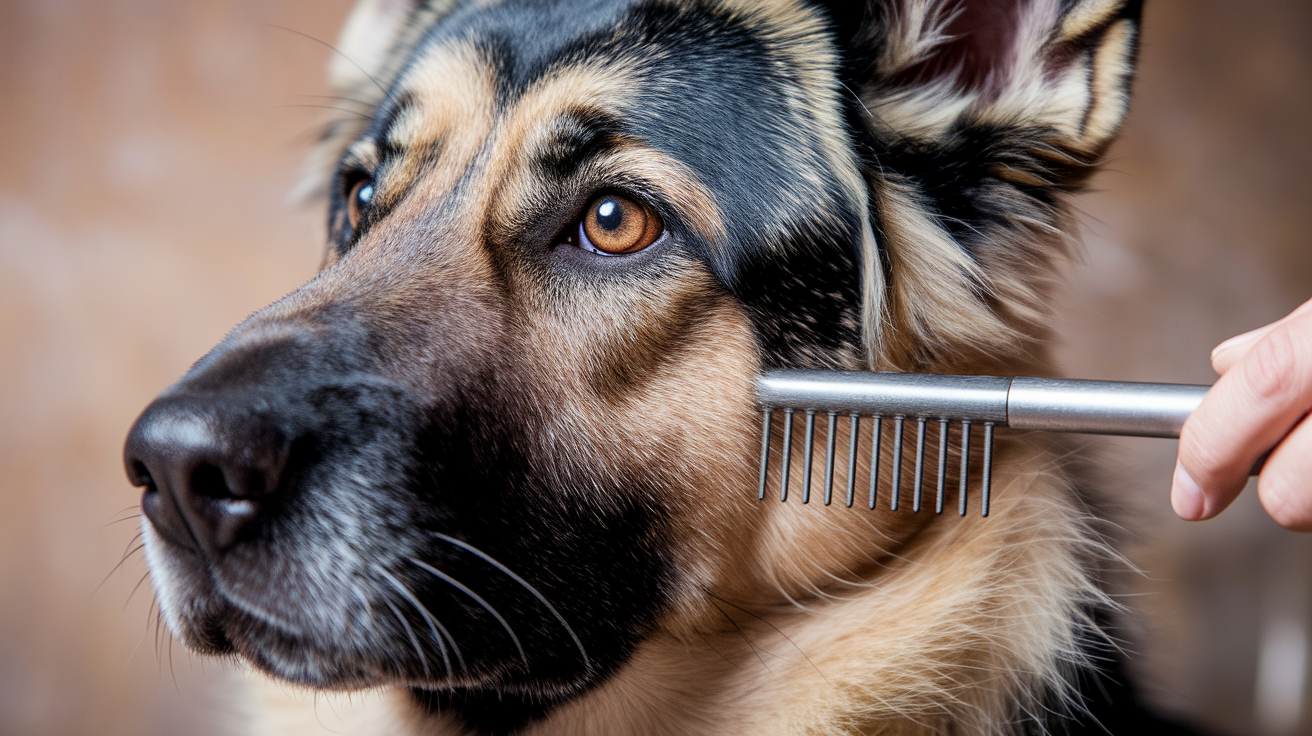
German Shepherds have a two-layer double coat that provides insulation in cold weather and protection from sun and heat. That’s the pro. They handle a range of climates reasonably well, which is one reason they’re used in working roles all over the world. The con is that coat requires daily grooming, sheds continuously year-round, and goes through heavy seasonal blowouts that will leave fur on every surface in your home.
Daily brushing is the baseline to keep shedding manageable and prevent mats. During spring and fall, when they “blow” their undercoat, expect to brush multiple times per day and still find tumbleweeds of fur in corners. A good slicker brush, undercoat rake, and a high-powered vacuum become necessary tools, not nice-to-haves. If you wear a lot of black clothes or have a strong preference for a clean, fur-free home, this breed will test your patience.
For people with allergies, German Shepherds are a poor match. The dander and constant shedding can trigger reactions even in people with mild sensitivities. Regular grooming helps reduce loose fur and dander in the air, but it won’t eliminate the problem. If anyone in your household has pet allergies, meet and spend time around German Shepherds before committing.
| Aspect | Details |
|---|---|
| Shedding intensity | Continuous year-round shedding, with heavy seasonal blowouts in spring and fall |
| Grooming frequency | Daily brushing required; increase to multiple sessions per day during seasonal shedding |
| Seasonal coat changes | Double coat “blows” undercoat twice per year; expect weeks of extreme fur everywhere |
| Allergy considerations | High dander and shedding; not suitable for allergy-sensitive households |
The coat’s weather adaptability is a real advantage if you live in a place with variable climate or if you want a dog who can handle outdoor activities in different seasons. Just remember that adaptability doesn’t mean invincibility. German Shepherds still need shelter from extreme cold, heat, and precipitation. Monitor for signs of frostbite, hypothermia in winter, or heat stroke in summer. The grooming trade-off is significant, and it’s daily, not occasional. If you’re not prepared to commit to that, choose a low-shedding breed instead.
Health, Lifespan, and Common Medical Pros and Cons
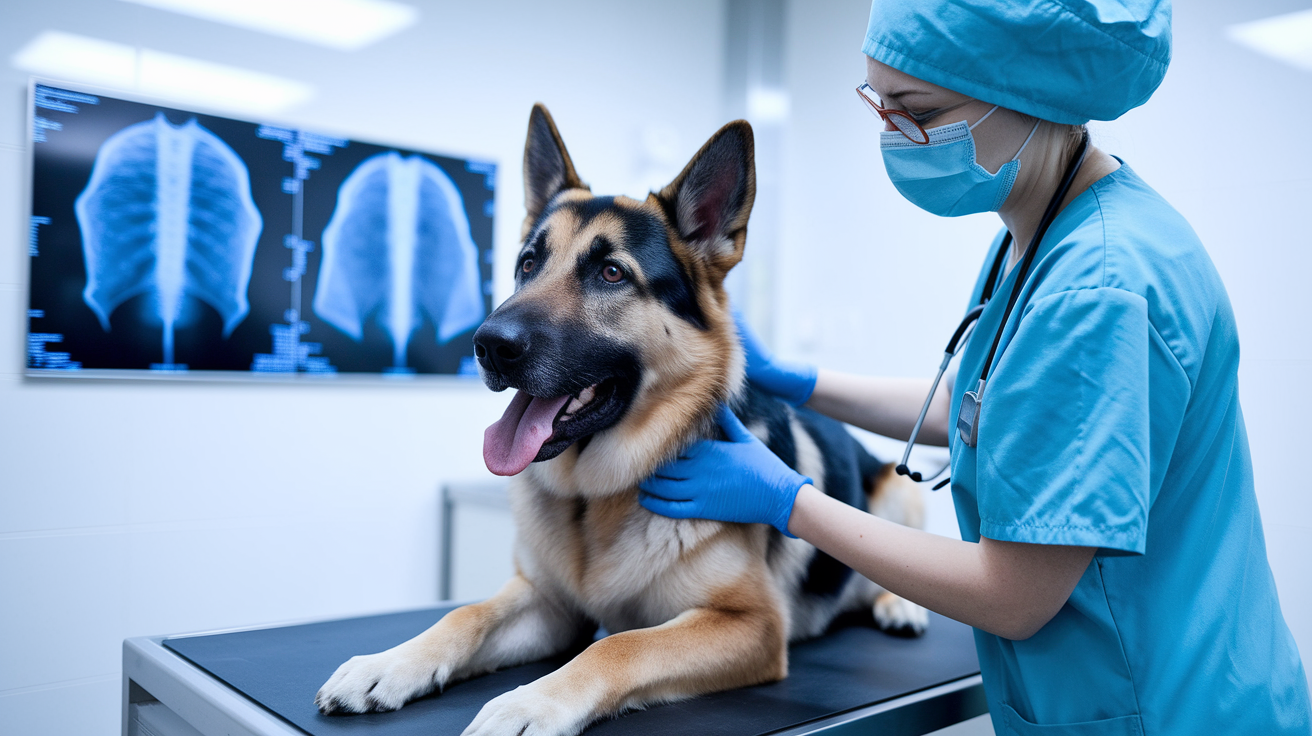
German Shepherds live 7 to 11 years on average, which is on the shorter side for dogs their size. That lifespan means you’re committing to roughly a decade of care, but the back half of that decade often comes with increasing medical costs and management. Budget for medium-to-large-breed veterinary care from the start, including wellness exams, vaccinations, and preventive screenings.
Joint issues are extremely common in German Shepherds. Hip dysplasia and elbow dysplasia show up frequently, even in lines with health testing. These conditions can range from mild discomfort managed with supplements and weight control to severe pain requiring surgery. Degenerative myelopathy, a progressive spinal cord disease, is another breed risk that has no cure and leads to progressive hind-end weakness. Not every German Shepherd will develop these conditions, but the odds are high enough that you should plan for them.
Other common health watch-outs include bloat (a life-threatening emergency in deep-chested dogs), allergies (food or environmental), and skin issues. Some lines are prone to anxiety-related behaviors that can escalate into compulsive disorders, which may require both behavioral intervention and medication. Veterinary costs add up fast, especially if surgery or ongoing medication is needed. Pet insurance is worth considering, but read the fine print on hereditary condition coverage.
Key health factors to monitor and discuss with a vet before bringing a German Shepherd home:
Hip and elbow dysplasia screening in parents and ongoing joint health monitoring in your dog
Degenerative myelopathy risk and genetic testing availability
Bloat prevention strategies, including feeding schedule and elevated bowls
Skin and coat health, particularly if allergies or hot spots develop
Mental health and anxiety management if behavioral issues appear
The health realities aren’t a reason to avoid the breed, but they are a reason to choose a responsible breeder who tests for hereditary conditions and to set aside a medical fund early. If you’re not prepared for potentially significant vet bills in the later years, factor that into your decision now.
German Shepherd Family Suitability: Pros and Cons for Homes with Kids and Pets
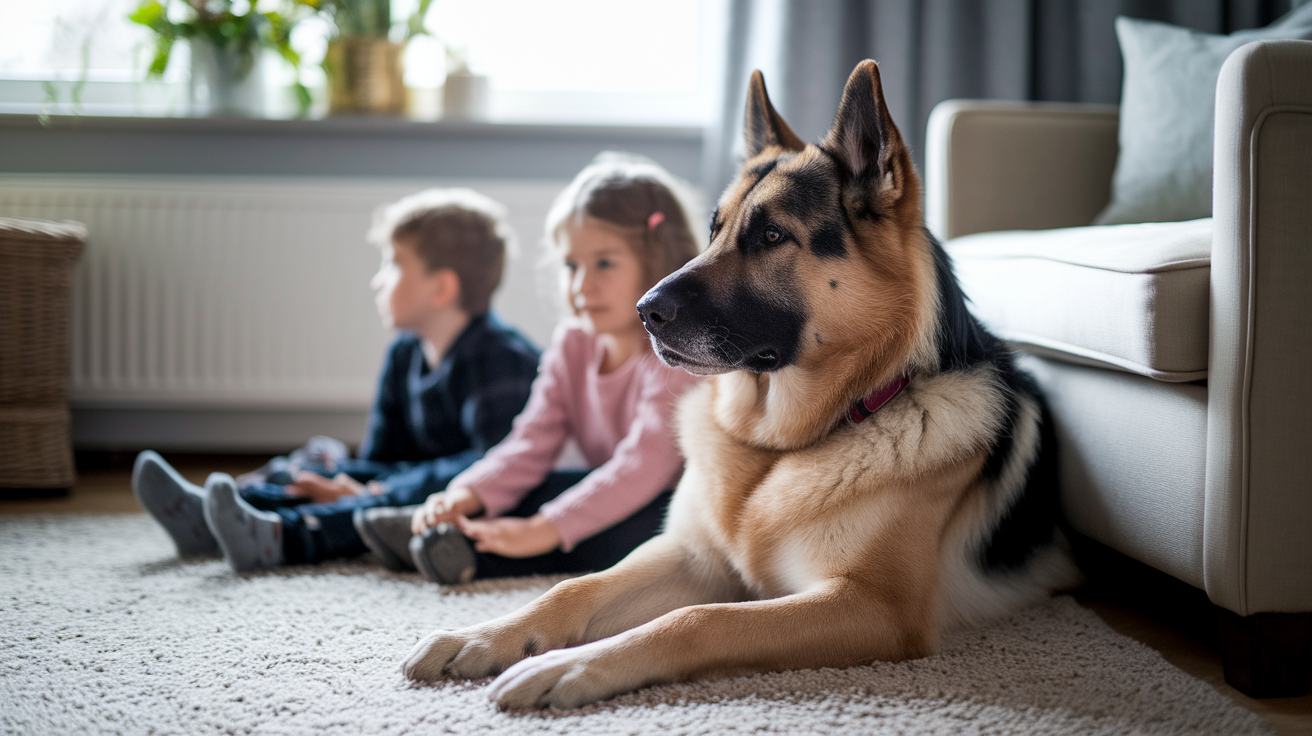
German Shepherds bond deeply with families and can be excellent with children when they’re raised with clear rules, consistent training, and proper supervision. Many families love them for their protective instincts and playful energy. They’re often patient with kids who treat them respectfully and can become loyal companions who watch over younger family members. The key phrase is “when raised right.” This isn’t a breed you can just bring home and hope for the best.
Children should never be left unsupervised with any dog, and that’s especially true for a breed this size and strength. A well-meaning German Shepherd can accidentally knock over a toddler during play, and a poorly socialized or anxious dog can react defensively if a child moves suddenly or makes a loud noise. Teaching kids how to interact with the dog is non-negotiable. No tail-pulling, no jumping on the dog, no bothering them while eating or sleeping. Supervision and training go both directions.
German Shepherds can live successfully with other pets, including cats and smaller animals, but it takes work. They have a strong prey drive, and some individuals will chase anything that runs. Controlled introductions, early socialization, and consistent boundaries are essential. If you already have a cat, bring the puppy home young and teach them from day one that the cat is off-limits. If you’re adding a German Shepherd to a home with small pets like rabbits or guinea pigs, plan for very careful management and possibly permanent separation.
Situations where German Shepherds excel with families:
Homes with older children (school-age and up) who understand how to interact respectfully with dogs
Families who can commit to daily training, exercise, and supervision
Households where the dog is included in family activities and not left isolated in the yard
Families seeking a protective companion who will alert to strangers and watch over the home
Situations requiring extra caution or where GSDs may not be the best fit:
Homes with very young children (toddlers and preschoolers) unless the parents are highly experienced with large, energetic breeds
Multi-pet households where the dog will be expected to coexist peacefully with small animals without supervision
Families who want a dog to entertain the kids without adult involvement in training and care
Households where different family members have inconsistent rules or expectations for the dog
Training Commitment: Pros and Cons for First-Time and Experienced Owners

German Shepherds are highly intelligent, which sounds like a pro until you realize they use that intelligence to test boundaries, exploit loopholes, and ignore commands when something more interesting is happening. They learn fast, but they also learn what they can get away with. If your training is inconsistent, they’ll notice immediately and adjust their behavior accordingly. That combination of smarts and independence means training is not optional. It’s the foundation of a manageable, safe dog.
Some lines are anxious, reactive, or high-strung, which adds another layer of difficulty. An anxious German Shepherd with poor training can become a significant liability. Biting, lunging at strangers, or developing aggression toward other dogs. Many common training approaches that rely only on treats and positive reinforcement struggle when the dog is highly distracted or in real-world situations. Treats work great in a quiet living room, but when there’s a squirrel, another dog, or a delivery person at the door, food often isn’t enough to hold their attention. Effective training for German Shepherds needs to work in the moments that actually matter, not just during practice sessions.
Essential Early Training Milestones
Start with basic obedience. Sit, down, come, stay. Make those commands non-negotiable from day one. German Shepherds need to understand that commands aren’t suggestions. Practice in low-distraction environments first, then gradually add real-world challenges like other people, dogs, traffic, and outdoor spaces. Leash manners are a safety priority given their size and strength. A German Shepherd who pulls on leash or lunges at distractions is difficult and potentially dangerous to handle.
Crate training helps with housebreaking, prevents destructive behavior when you can’t supervise, and gives the dog a safe space to decompress. Many German Shepherds are prone to separation anxiety, and a crate can either help or hurt depending on how it’s introduced. Go slow, make it positive, and never use the crate as punishment. Puppy mouthing and biting must be addressed immediately. German Shepherd puppies are often nicknamed “land sharks” because they’re more mouthy than average. Establish a strict “no biting” rule from day one. Redirect to toys, but don’t tolerate nipping at hands, clothes, or skin. What’s cute at 10 weeks becomes a serious problem at 10 months.
Socialization through the critical 16-week window is just as important as obedience. Expose your puppy to different people (ages, sizes, appearances), places (parks, streets, vet offices, pet stores), sounds (traffic, vacuum cleaners, fireworks recordings), and other animals in a controlled, positive way. The goal is confidence, not overwhelm. If your puppy shows fear, slow down and give them space to adjust at their own pace.
Training German Shepherds demands consistent leadership, firm boundaries, and realistic expectations. They’re not a good match for first-time dog owners unless those owners are deeply committed to learning and willing to invest significant time in training and socialization. Experienced owners who enjoy training and can provide structure will find them incredibly rewarding. If you’re looking for a low-maintenance pet who figures things out on their own, this breed will frustrate you.
Cost of Ownership: Financial Pros and Cons
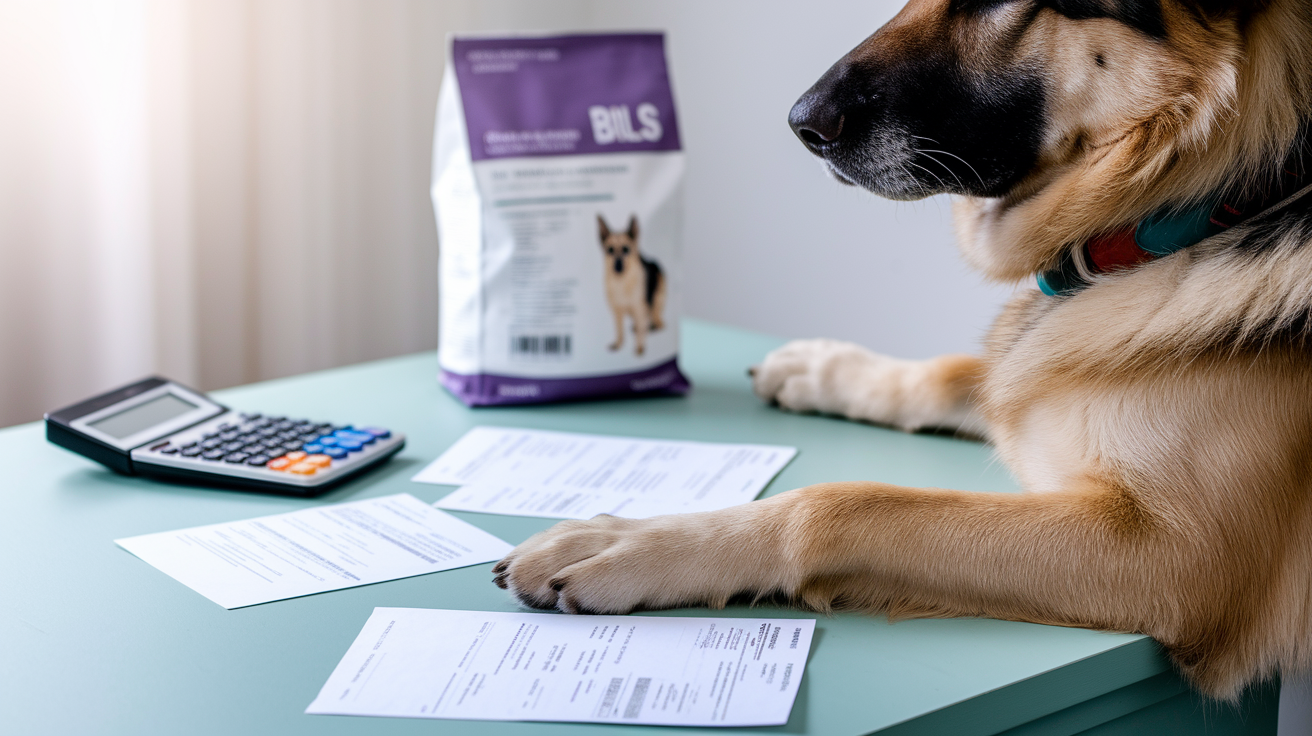
Owning a German Shepherd costs more than many people expect. Budget for high-quality food suited to a medium-to-large active breed. Cheap food won’t support their energy needs or joint health. You’ll also need grooming tools (brushes, undercoat rakes, nail clippers, possibly a de-shedding tool), training classes or private sessions, and ongoing veterinary care that includes wellness exams, vaccinations, flea and tick prevention, and heartworm medication.
The bigger expense category is medical care, especially as they age. Hip and elbow issues, degenerative myelopathy, and other hereditary conditions can require diagnostic imaging, medications, physical therapy, or surgery. Bloat is a medical emergency that requires immediate veterinary intervention and can cost thousands. Pet insurance can help offset some of these costs, but read policies carefully. Many exclude hereditary conditions or have breed-specific limitations. Even with insurance, expect out-of-pocket costs for deductibles, co-pays, and non-covered treatments.
| Cost Category | Typical Expectation |
|---|---|
| Food | High-quality large-breed formula; budget $60–$100+ per month depending on brand and dog size |
| Grooming tools | Upfront cost of $50–$100 for brushes, rakes, nail clippers; ongoing replacement as tools wear out |
| Veterinary care | Annual wellness $200–$400; emergency or specialist care $1,000–$5,000+ for surgeries or chronic conditions |
| Training | Group classes $100–$300 per course; private training $50–$150+ per session; ongoing for behavior issues |
Training costs can add up quickly, especially if you’re dealing with behavioral issues like aggression, reactivity, or separation anxiety. Professional help is often necessary, and it’s worth the investment to prevent bigger problems down the line. If you skip early training to save money, you’ll likely spend more later on damage control, behaviorists, or rehoming.
The financial commitment to a German Shepherd is long-term and ongoing. These aren’t one-time costs. You’re looking at a decade of food, vet care, grooming, and training expenses. If that feels like a stretch for your budget, it’s worth waiting until you’re in a more stable financial position or considering a less expensive breed to own.
Living Environment Pros and Cons for German Shepherds
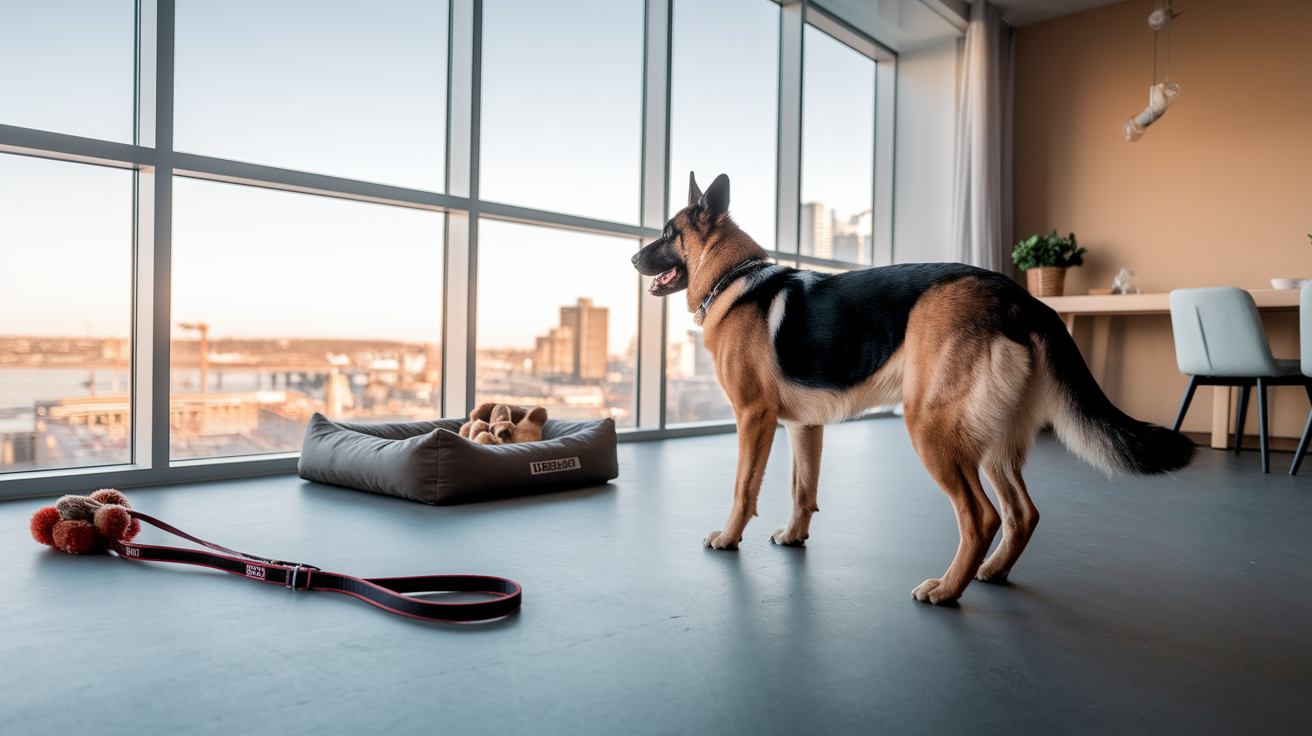
A fenced yard is the ideal setup for a German Shepherd. It gives them space to run, patrol, and burn off energy between structured exercise sessions. That said, plenty of German Shepherds live successfully in apartments or homes without yards as long as their owners commit to daily structured outings, doggy daycare, dog parks, or other alternatives. The breed adapts to the environment you can provide, but the exercise and mental stimulation needs don’t change based on square footage.
If you live in an apartment, plan for at least two solid outdoor sessions per day (morning and evening) plus mental enrichment indoors. Be realistic about noise, too. German Shepherds can be vocal, and barking in an apartment building creates tension with neighbors. If your lease has strict noise policies or your walls are thin, factor that into your decision. A bored or anxious German Shepherd in a small space without enough exercise is a recipe for complaints, damage, and stress for everyone involved.
This breed is not suited to very sedentary households or owners who work long hours without a plan for midday exercise and mental stimulation. Leaving a German Shepherd alone for 8 to 10 hours with nothing to do will lead to destructive behavior, excessive barking, or anxiety-related issues. Doggy daycare, a dog walker, or a trusted friend who can break up the day makes a huge difference. If none of those are realistic options for you, a German Shepherd probably isn’t the right fit right now.
Owner Lifestyle Compatibility: Who German Shepherds Are Best (and Not Best) For

German Shepherds thrive with active, experienced owners who enjoy training and structured routines. If you like having a dog who can join you on runs, hikes, or outdoor adventures, and you’re willing to invest time in obedience and socialization, this breed can be incredibly rewarding. They’re loyal, protective, and capable of learning almost anything you’re willing to teach them. The bond you build with a well-trained German Shepherd is deep and satisfying.
They’re not a good match for people seeking a low-maintenance pet, minimal shedding, or a dog who can be left alone for long stretches without consequence. If you want a companion who’s happy with a short daily walk and otherwise sleeps on the couch, choose a different breed. German Shepherds demand involvement, consistency, and a significant time commitment every single day.
Key lifestyle requirements for German Shepherd ownership:
At least one hour of physical exercise daily, plus mental enrichment and training
Consistent leadership and structure. They need clear rules and accountability.
Daily grooming and acceptance of heavy year-round shedding
Budget for higher food and veterinary costs, especially as the dog ages
Access to training resources, whether classes, private sessions, or effective at-home methods
Ability to socialize and manage a large, strong, protective dog in public and around strangers
If you check all those boxes and you’re genuinely ready for the work, German Shepherds can be amazing family dogs, working partners, and loyal companions. If even one or two of those requirements feel like a stretch, it’s worth reconsidering whether this is the right breed for your life right now.
Final Words
You’ve just covered the big trade-offs: size and protective nature, high exercise and mental work, heavy shedding and daily grooming, plus joint-health concerns and training needs.
That means they’re great for active, hands-on homes that can invest time and training, but not a fit for very sedentary households or owners who don’t want lots of fur or vet bills.
Weigh these german shepherd pros and cons against your daily life, time, space, and budget, and you’ll end up with a clear yes, no, or not right now. If it’s a match, expect a loyal, smart partner who rewards the work with real companionship.
FAQ
Q: Who should not own a German Shepherd?
A: People who should not own a German Shepherd are low-activity or inexperienced owners unwilling to provide daily exercise, firm training, grooming, socialization, or those with severe allergies or unsupervised small pets.
Q: What I wish I knew before getting a German Shepherd?
A: What I wish I knew before getting a German Shepherd is how much they shed, need daily physical and mental work, require consistent training, and can incur significant long‑term vet and joint‑care costs.
Q: What is the #1 smartest dog?
A: The #1 smartest dog is often considered the Border Collie, known for fast learning and problem solving; working breeds like German Shepherds also rank very high and need mental jobs to stay content.
Q: Who’s stronger, a pitbull or a German Shepherd?
A: Who’s stronger, a pitbull or a German Shepherd, depends: pit bulls often have a stronger bite and compact muscle, while German Shepherds are typically larger with more overall size, endurance, and working strength.