

Think Golden Retrievers are low-maintenance lap dogs? Think again.
They’re warm, eager to please, and great with kids, which is why so many people fall in love fast.
But they also shed constantly, need an hour or two of real exercise a day, don’t do well alone, and are prone to costly health problems like hip issues and cancer.
This piece gives the honest ownership reality: what life really looks like day-to-day, the trade-offs you’ll face, and how to decide if a Golden fits your household.
Are Golden Retrievers Right for You?

Golden Retrievers rank among the most beloved family dogs in the world, but their popularity doesn’t automatically make them the right fit for every household. Before you fall for those soulful eyes and that gorgeous coat, you need a clear picture of what daily life actually looks like with one of these dogs. They bring genuine warmth, trainability, and devotion. But they also bring fur everywhere, a serious need for your time, and a list of health risks that can be expensive and heartbreaking.
The honest truth? Many of the “cons” people discover after bringing a Golden home are completely manageable if you know about them upfront and plan accordingly. The problems start when someone expects a low maintenance companion or assumes that friendliness alone makes a great pet. It doesn’t. What makes a great pet is a good match between the dog’s needs and your real, everyday life.
Golden Retriever Pros:
- Exceptionally friendly and social with people of all ages
- Highly trainable and eager to please, making them suitable for first time owners
- Gentle and patient with children, often becoming protective family members
- Adaptable to other pets when properly socialized
- Enthusiastic about play, retrieval games, and outdoor activities
- Strong bond with owners and emotionally intuitive
Golden Retriever Cons:
- Heavy year round shedding with seasonal spikes that coat your home and clothes
- Require a minimum of 1–2 hours of daily exercise to stay healthy and calm
- Prone to separation anxiety and destructive behavior when left alone frequently
- High grooming maintenance with regular brushing and professional grooming costs
- Genetically predisposed to serious health conditions including hip dysplasia and cancer
- Not suitable as guard dogs due to their welcoming nature toward strangers
The core question isn’t whether Golden Retrievers are “good dogs.” They are. The question is whether you have the time for daily exercise and training, the tolerance for constant shedding and grooming upkeep, the budget for potentially high veterinary costs over their lifetime, and a household activity level that can keep a social, energetic dog happy. If those fit, a Golden can be an incredibly rewarding companion. If they don’t, this breed will struggle, and so will you.
Key Personality Traits of Golden Retrievers

Golden Retrievers were originally bred to work closely alongside hunters, retrieving game without damaging it. That cooperative, people focused temperament is still the breed’s defining feature. They want to be with you, help you, and please you. This isn’t a breed that thrives on independence or enjoys being left to entertain itself for long stretches. Their friendliness is genuine and indiscriminate. They’ll greet your guests, your mail carrier, and the stranger at the park with the same tail wagging enthusiasm.
That sociability makes them outstanding family dogs, especially in homes with children. Goldens tend to be patient with toddlers, tolerant of noise and chaos, and gentle enough to adjust their energy around smaller kids. Many families describe them as “nanny dogs” who instinctively watch over young children and other household pets. Their eagerness to please also makes training straightforward for most owners. They pick up commands quickly, respond well to positive reinforcement, and genuinely seem to enjoy the process of learning and working with you.
The flip side of all that affection and attachment? A breed that does not do well alone. Golden Retrievers left by themselves for long hours regularly can develop separation anxiety, which often shows up as destructive chewing, excessive barking, or indoor accidents. This is the part people underestimate. A Golden doesn’t just prefer company. They need it to stay emotionally stable. If your work schedule or lifestyle means the dog will be alone most of the day without arrangements for daycare, a walker, or another pet for company, this breed is not a fit.
What Golden Retriever behavior looks like at home:
- Following you from room to room, including the bathroom
- Bringing you toys or objects to initiate play or get attention
- Excited greetings every time you come home, even if you were only gone ten minutes
- Resting near you rather than off alone, often with physical contact
- Seeking interaction when bored: nudging your hand, dropping a ball in your lap, or vocalizing for attention
Exercise and Energy Needs

Golden Retrievers aren’t hyperactive, but they are active. They were bred to work all day in the field, and that stamina is still part of the package. A Golden who doesn’t get enough exercise will invent their own outlets. Digging, chewing furniture, pacing, barking, or becoming overweight. The commonly recommended minimum is one to two hours of exercise per day, and that needs to be real activity, not just letting them out in the yard to wander.
What this looks like in practice is a morning walk, some kind of play or training session during the day, and an evening walk or active game. Skipping exercise for a day or two because you’re busy or the weather is bad will show up in your dog’s behavior. You’ll see restlessness, attention seeking, and a dog who doesn’t settle. Exercise is the receipt you pay for a calm dog.
The good news? Goldens are enthusiastic about almost any form of activity, and variety keeps them mentally engaged as well as physically tired. They’re natural retrievers, so fetch is usually a favorite. Swimming is another excellent option. Many Goldens love water, and it’s easier on their joints than high impact activities. Long walks, hiking, and running alongside a bike also work well once the dog is fully grown and cleared by a vet.
Recommended exercise types for Golden Retrievers:
- Fetch or retrieval games using balls, frisbees, or dummy training bumpers
- Swimming in safe, dog friendly areas like lakes, rivers, or pools
- Long walks or hikes on varied terrain to provide mental stimulation
- Training games and obedience practice that combine physical movement with mental focus
Grooming and Shedding Realities

Golden Retrievers have a dense double coat. A soft undercoat for insulation and a longer, water resistant outer coat. That beautiful fur sheds heavily all year, with two major seasonal “blowouts” in spring and fall when they shed their undercoat in clumps. If you wear black pants, own dark furniture, or have any standards for a hair free home, prepare to adjust those expectations. You will find golden fur on your clothes, your couch, your car, and probably in your food.
Regular brushing helps control the shedding but doesn’t eliminate it. Most Golden owners brush at least two to three times per week, and daily during heavy shedding periods. A de-shedding tool like a Furminator or undercoat rake pulls out loose fur before it ends up all over your house, but it’s still a time commitment. Plan on 10–15 minutes per brushing session. Professional grooming every six to eight weeks is also common, especially for trimming the feathering on the legs, tail, and ears, and for a thorough bath and blow out that removes more undercoat than you can manage at home.
Beyond shedding, Golden Retrievers need regular ear cleaning because their floppy ears can trap moisture and lead to infections. Check and clean ears weekly, especially after swimming. Nail trims every few weeks and occasional teeth brushing round out the grooming routine. The time and cost add up. A professional grooming appointment typically runs $60–$100 depending on your area, and at home grooming supplies (brushes, shampoos, ear cleaner, nail clippers) are an initial investment of $50–$100. Grooming’s like doing laundry. A little often beats a huge catch up day.
Health Concerns and Lifespan Considerations

Golden Retrievers are generally healthy dogs, but the breed has a well documented list of genetic health risks that prospective owners need to understand before committing. The average lifespan is 10–12 years, which is shorter than many similar sized breeds, and a significant portion of Goldens develop serious health conditions that require ongoing management or expensive treatment. This isn’t about scaring you. It’s about preparing you.
Hip dysplasia and elbow dysplasia are common in the breed. These are malformations of the joints that cause pain, mobility issues, and often lead to arthritis as the dog ages. Responsible breeders screen for these conditions and only breed dogs with good joint scores, but even with careful breeding, there’s no guarantee. Treatment can range from weight management and joint supplements to surgery costing several thousand dollars. Heart conditions, particularly subvalvular aortic stenosis, and eye diseases like progressive retinal atrophy also appear in the breed with enough frequency that reputable breeders screen for them.
The most serious health concern in Golden Retrievers is cancer. Studies estimate that 60% or more of Goldens will develop cancer at some point in their lives, and it’s the leading cause of death in the breed. Common types include lymphoma, hemangiosarcoma, and mast cell tumors. Some cancers are treatable with chemotherapy or surgery. Others are aggressive and give little warning. Veterinary oncology treatment can easily run into the thousands of dollars, and even with treatment, outcomes vary. This is the hard truth that every Golden owner should be prepared for emotionally and financially.
| Condition | Key Symptoms |
|---|---|
| Hip Dysplasia | Limping, difficulty rising, reluctance to jump or climb stairs, decreased activity |
| Elbow Dysplasia | Front leg lameness, stiffness after rest, swelling around the elbow joint |
| Cancer (various types) | Lumps or swelling, unexplained weight loss, lethargy, difficulty breathing, abnormal bleeding |
| Heart Conditions (SAS) | Exercise intolerance, fainting, coughing, labored breathing |
| Progressive Retinal Atrophy | Night blindness, dilated pupils, reluctance to go out in dim light, eventual total blindness |
Preventive care matters. Annual vet exams, maintaining a lean weight, and staying current on joint supplements and heart health can help catch problems early and manage conditions before they become severe. Budget for higher than average veterinary costs over your dog’s lifetime, and seriously consider pet insurance if you want financial protection against major health events.
Costs of Golden Retriever Ownership

The upfront cost of a Golden Retriever varies widely depending on whether you adopt from a rescue or buy from a breeder. Rescue adoptions typically range from $200–$500 and often include spay/neuter, vaccinations, and a basic health check. Buying from a reputable breeder who performs health testing usually costs $1,500–$3,000 or more, but you’re paying for the peace of mind that comes with health clearances, a known lineage, and early socialization. Avoid cheap puppies from backyard breeders or pet stores. You often pay later in vet bills and behavioral issues.
Once you bring your Golden home, expect annual routine costs of $1,500–$2,500 for a healthy dog. That includes high quality dog food tailored to a large breed, which typically runs $60–$100 per month. Routine vet visits, vaccinations, flea and tick prevention, and heartworm medication add another $500–$700 per year. Professional grooming every six to eight weeks costs $500–$800 annually if you use a groomer, or you can cut that cost by investing in your own tools and doing most of it at home.
Training classes, especially during the puppy stage, are another worthwhile expense. Group obedience classes typically cost $100–$200 for a six week session, and many owners sign up for multiple rounds of puppy socialization, basic obedience, and advanced training. If you work long hours and need doggy daycare or a daily dog walker, those costs add up fast. $20–$40 per day for daycare, or $15–$30 per walk. Over a year, that can easily exceed the cost of food and vet care combined.
The wildcard is emergency and long term medical care. A single emergency vet visit for an injury, illness, or foreign body obstruction can cost $1,000–$5,000. Chronic conditions like hip dysplasia, allergies, or cancer can add thousands more per year in diagnostics, medications, surgery, or chemotherapy. Pet insurance can help, but policies vary widely in what they cover and what they exclude, especially for breed predisposed conditions. Read the fine print and understand your financial plan before you need it.
Living Environment and Family Suitability
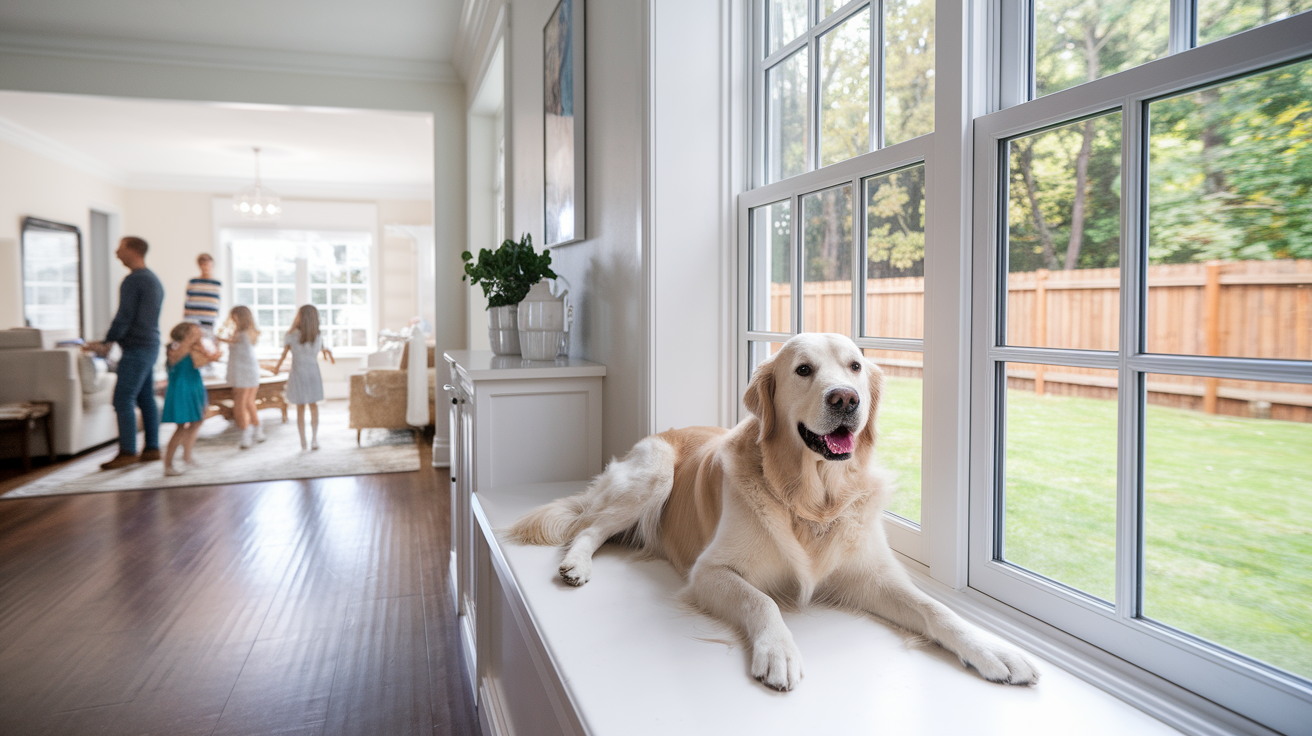
Golden Retrievers are large dogs. Adults typically weigh 55–75 pounds, and they need space to move comfortably and daily access to outdoor areas for exercise and bathroom breaks. A house with a fenced yard is ideal because it gives the dog room to play, burn energy, and explore safely. That said, Goldens can adapt to apartment living if their owners are committed to providing multiple walks, trips to a nearby park, and consistent mental stimulation. The limiting factor is never the size of your home. It’s how much time and energy you’re willing to invest outside of it.
What doesn’t work is a sedentary household or one where the dog spends most of the day alone without exercise or interaction. Goldens are people oriented and activity oriented. If your lifestyle is low key, work from home without breaks for walks, or involves frequent travel without the dog, this breed will struggle. They’re also not a good match for someone seeking a guard dog. Goldens will bark to alert you that someone’s at the door, but they’re far more likely to greet an intruder with a wagging tail than any kind of protective behavior.
Families with children are often an excellent fit, especially if the kids are old enough to participate in the dog’s care and exercise. Goldens are patient and gentle, and many thrive in the organized chaos of a busy household. They’re also generally good with other pets when properly introduced, and their social nature means they often enjoy having another dog in the home for companionship when the humans are away.
Ideal household characteristics for a Golden Retriever:
- Active lifestyle with time for daily walks, play, and training
- Home access or nearby outdoor space for exercise and bathroom breaks
- At least one person home for significant portions of the day, or arrangements for daycare or a walker
- Household members willing to share grooming, training, and care responsibilities
- Tolerance for dog hair on furniture, clothing, and floors
Training Needs and Mental Stimulation

Golden Retrievers are highly intelligent and bred to work closely with people, which makes them one of the easier breeds to train if you start early and stay consistent. They pick up basic commands quickly, respond well to positive reinforcement, and genuinely enjoy the process of learning and pleasing their owner. That eagerness, though, doesn’t mean training is optional or that it happens automatically. Without intentional training and socialization, even a naturally friendly Golden can develop problem behaviors like jumping, mouthing, pulling on leash, or selective listening when distracted.
The critical training window is during puppyhood, especially the socialization period between 8 and 16 weeks. This is when your puppy is most open to new experiences and least likely to develop fear or reactivity. Proper socialization doesn’t mean taking your puppy to meet every person and dog you see. It means controlled, calm exposure to a variety of sights, sounds, people, animals, and environments so your dog learns to stay relaxed and polite in the real world. A poorly socialized Golden can become overly excitable, reactive on leash, or anxious in new situations, even if they’re friendly at heart.
Training also needs to account for the breed’s enthusiasm. Goldens get excited about people, other dogs, squirrels, and pretty much anything that moves. Treat based training works well for teaching commands in a quiet room, but many owners find that their Golden “chooses” when to listen once distractions enter the picture. If you want reliable recall at the park or calm behavior when guests arrive, you need a training approach that builds real world obedience under distraction, not just performance when your dog feels like cooperating.
Mental stimulation is just as important as physical exercise for keeping a Golden Retriever happy and out of trouble. Bored Goldens find their own entertainment, and it’s rarely what you’d choose. Chewing baseboards, digging up the yard, barking at nothing, or pacing the house. Puzzle toys, scent games, and regular training refreshers give your dog something constructive to think about and tire them out mentally, which often leads to a calmer dog than exercise alone.
Recommended mental stimulation activities for Golden Retrievers:
- Puzzle feeders and treat dispensing toys that require problem solving
- Scent games like hiding treats or toys around the house or yard for the dog to find
- Short daily obedience refresher sessions to reinforce commands and keep skills sharp
- Retrieval drills with varied objects and locations to engage their natural instincts and focus
Final Words
The golden retriever pros and cons boil down to a simple trade: you get one of the friendliest, most trainable family dogs around, but you’re signing up for heavy shedding, serious exercise needs, and health costs that can add up fast.
If you have an active household, time for daily walks and play, and you’re okay with fur on everything, a Golden can be an incredible fit.
But if you’re short on time, prefer a low-maintenance coat, or aren’t prepared for potential vet bills down the road, this might not be your breed right now. Be honest about your routine before you fall for that sweet face.
FAQ
Q: What are the negatives of Golden Retrievers?
A: The negatives of Golden Retrievers are heavy, year-round shedding, high daily exercise needs, tendency to be mouthy or clingy, and raised risk of hip dysplasia and cancers that can mean costly vet care.
Q: What is the #1 nicest dog breed?
A: The #1 nicest dog breed is subjective; Golden Retrievers are often named for being friendly, patient with kids, eager to please, and social—traits many owners call the top “nice” qualities.
Q: What is the 7 7 7 rule for puppies?
A: The 7 7 7 rule for puppies is a simple guideline promoting very short, frequent sessions—often seven minutes of focused training or exposure repeated multiple times daily during early weeks to build confidence.
Q: Are Goldens clingy?
A: Golden Retrievers are often clingy, bonding closely with family and preferring company; without enough exercise and mental work they can become anxious, vocal, or destructive when left alone too long.