

Controversial: “Hypoallergenic” dogs won’t make your allergies disappear.
But they can make apartment life livable if you pick the right breed and commit to grooming and routine.
Hypoallergenic here means breeds that shed less and hold dander close to the skin, not allergen free.
You’ll trade lower shedding for regular brushing, trims, and a short daily exercise routine.
Read on to find the small breeds that fit studio life and the real costs, time, noise, and money, so you can decide if one is right for you.
Essential Guide to Choosing Hypoallergenic Dogs for Apartment Living
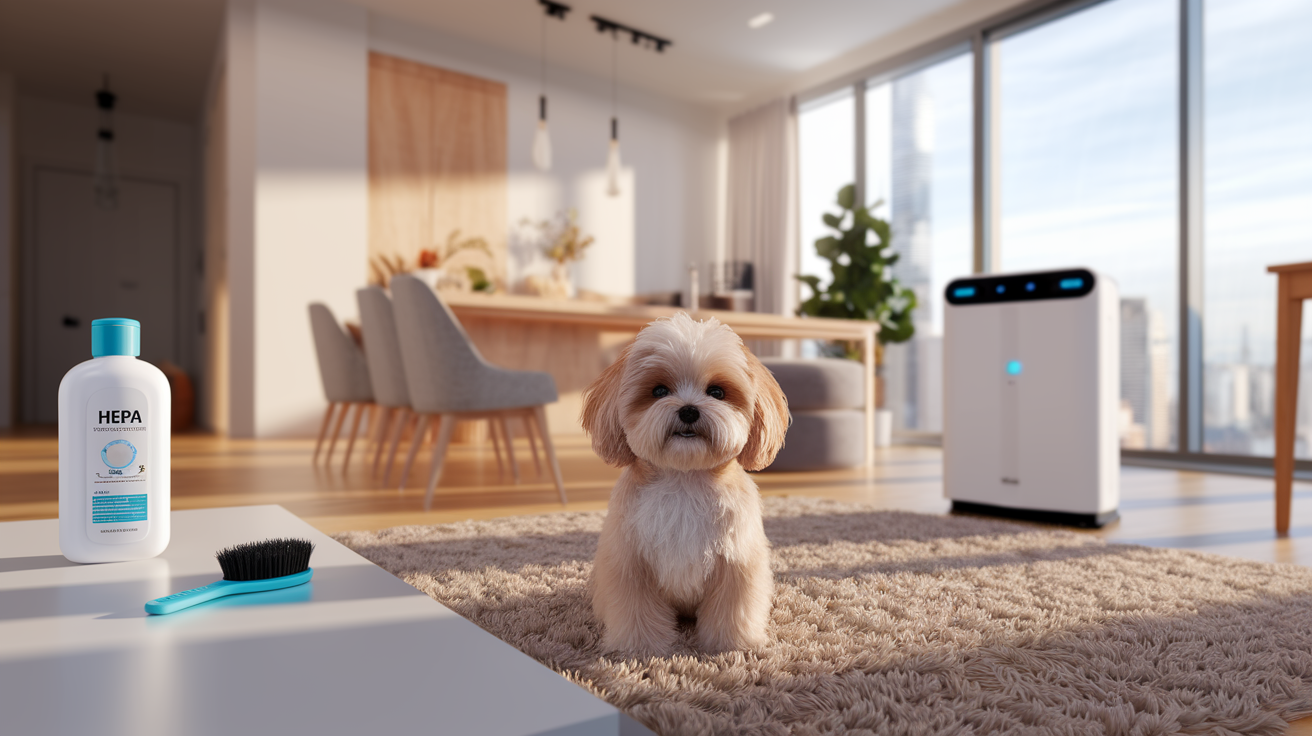
“Hypoallergenic” means breeds that shed less coat and release fewer airborne hairs and dander. It doesn’t mean 100% allergen free. Most small hypoallergenic breeds have hair like coats that trap dander close to the skin instead of scattering it across your apartment. Regular grooming removes that trapped material before it becomes a problem, reducing airborne allergens by 50–80% depending on how often you brush and bathe.
Apartment suitability matters because small living spaces amplify every issue. A dog that barks at footsteps in the hallway will annoy neighbors faster in a studio than in a house. A dog that sheds lightly still fills a 500 square foot space quickly. Small hypoallergenic breeds typically need 20–45 minutes of daily exercise and daily to weekly grooming to keep dander under control, so you’re trading lower shedding for higher maintenance time.
Top hypoallergenic apartment breeds:
Maltipoo
Yorkshire Terrier
Havanese
Bichon Frise
Toy Poodle
Miniature Schnauzer
Must know criteria when selecting a hypoallergenic apartment dog:
Daily exercise commitment. Most need 20–45 minutes of active time, which you can split into shorter sessions if your schedule is tight.
Grooming frequency. Expect daily brushing plus professional trims every 4–8 weeks to prevent mats and control dander.
Noise level. Some small hypoallergenic breeds are vocal. Check tenant rules and plan for quiet training.
Space requirements. Toy breeds fit studios. Slightly larger breeds need room to stretch and a dedicated resting spot.
Allergen reality. Non shedding doesn’t mean non allergenic. Plan for HEPA filtration and regular cleaning.
Budget. First year costs run $800–$2,500+. Annual recurring expenses average $500–$2,000 for food, vet care, grooming, and supplies.
Top Hypoallergenic Apartment Dog Breeds and Their Key Traits

Toy Poodle
Height under 10 inches, weight around 4–6 pounds, lifespan 12–15 years. Toy Poodles are intelligent, trainable, and adaptable to apartment routines. They need 20–40 minutes of daily exercise, which can be a brisk walk plus indoor fetch or tug. The coat requires daily brushing to prevent tangles and professional trims every 4–8 weeks. Very low shedding makes this one of the most allergy friendly small breeds, but the grooming schedule is non negotiable. Skipping brushing for a few days leads to mats that hurt to remove and increase grooming costs.
Miniature Poodle
Height 10–15 inches, weight 10–15 pounds, lifespan 12–15 years. A step up in size from the Toy, Miniature Poodles bring the same intelligence and low shedding coat with slightly higher energy. Expect 30–45 minutes of daily exercise, ideally split between a morning walk and evening play. Brush several times per week and schedule professional clips every 4–8 weeks. The larger size means a bit more coat to maintain, but the trade off is a sturdier build that handles rougher play and longer walks without fatigue.
Bichon Frise
Height 9.5–11.5 inches, weight 10–18 pounds, lifespan 12–15 years. Cheerful, social, and well suited to small spaces. Bichons need 20–40 minutes of daily exercise but are happy with indoor play when weather or schedules don’t allow long walks. The fluffy white coat sheds minimally but mats easily, so daily brushing is standard. Professional grooming every 4–6 weeks keeps the coat rounded and dander free. This breed does well with families, singles, and seniors who can commit to the grooming routine.
Maltese
Height 7–9 inches, weight 4–7 pounds, lifespan 12–15 years. One of the smallest hypoallergenic options. Maltese dogs need 15–30 minutes of daily exercise, which can be a short walk or indoor play session. Daily brushing prevents the long white coat from tangling, and most owners trim or schedule professional grooming every 4–8 weeks to keep the length manageable. The coat sheds very little, but the white color shows dirt quickly, so regular baths help. Maltese are affectionate and adapt well to apartment life as long as socialization starts early to prevent excessive barking.
Havanese
Height 8.5–11.5 inches, weight 7–13 pounds, lifespan 14–16 years. Low shedding with a silky coat that needs brushing multiple times per week. Professional grooming every 6–8 weeks keeps the coat at a practical length. Havanese need 20–40 minutes of daily exercise and thrive on interactive play and trick training. Generally quiet, playful, and good with kids, making them one of the easier small breeds for apartment living. The longer lifespan means a decade plus commitment, so plan grooming and vet budgets accordingly.
Yorkshire Terrier
Height 7–8 inches, weight 4–7 pounds, lifespan 12–15 years. Hair like coat that sheds minimally but grows continuously, requiring regular brushing and trims every 6–8 weeks. Yorkies need 20–30 minutes of daily exercise and can be vocal, especially if under socialized or bored. Early and consistent quiet training reduces neighbor complaints. The small size makes them easy to carry in a tote bag for errands or vet visits, and they adapt well to studio apartments as long as exercise and mental stimulation are consistent.
Shih Tzu
Height 9–10.5 inches, weight 9–16 pounds, lifespan 10–16 years. Bred as a companion dog, Shih Tzus are low energy and content with 20–40 minutes of daily exercise. The long, flowing coat sheds very little but requires daily brushing to prevent painful mats. Most owners schedule professional grooming every 4–8 weeks. Shih Tzus are generally quiet and friendly, making them well suited to apartment life and close neighbors. The breed can be stubborn during housetraining, so consistency and positive reinforcement matter early.
Miniature Schnauzer
Height 12–14 inches, weight 11–20 pounds, lifespan 12–15 years. Wiry coat that sheds minimally and requires hand stripping or clipping every 6–8 weeks plus brushing several times per week. Miniature Schnauzers need 30–45 minutes of daily exercise and are alert, sometimes vocal, so plan for early training to manage barking. The wiry texture traps dander effectively, making this a strong choice for allergy sufferers. The slightly larger size and higher energy mean this breed does best in apartments with access to nearby walking routes or small outdoor spaces.
Chinese Crested
Height 11–13 inches, weight 6–12 pounds, lifespan 13–18 years. Available in hairless and powderpuff varieties. The hairless variety has minimal coat and requires routine skin care, including sunscreen for outdoor time and moisturizer to prevent dryness. The powderpuff variety has a soft coat that needs regular brushing. Both types shed very little and work well for allergy sufferers. Chinese Cresteds need 20–30 minutes of daily exercise and are generally quiet and affectionate. The hairless option reduces grooming time but adds skin care routines, so weigh which trade off fits your schedule.
Managing Shedding, Dander, and Grooming Needs in Small Apartments
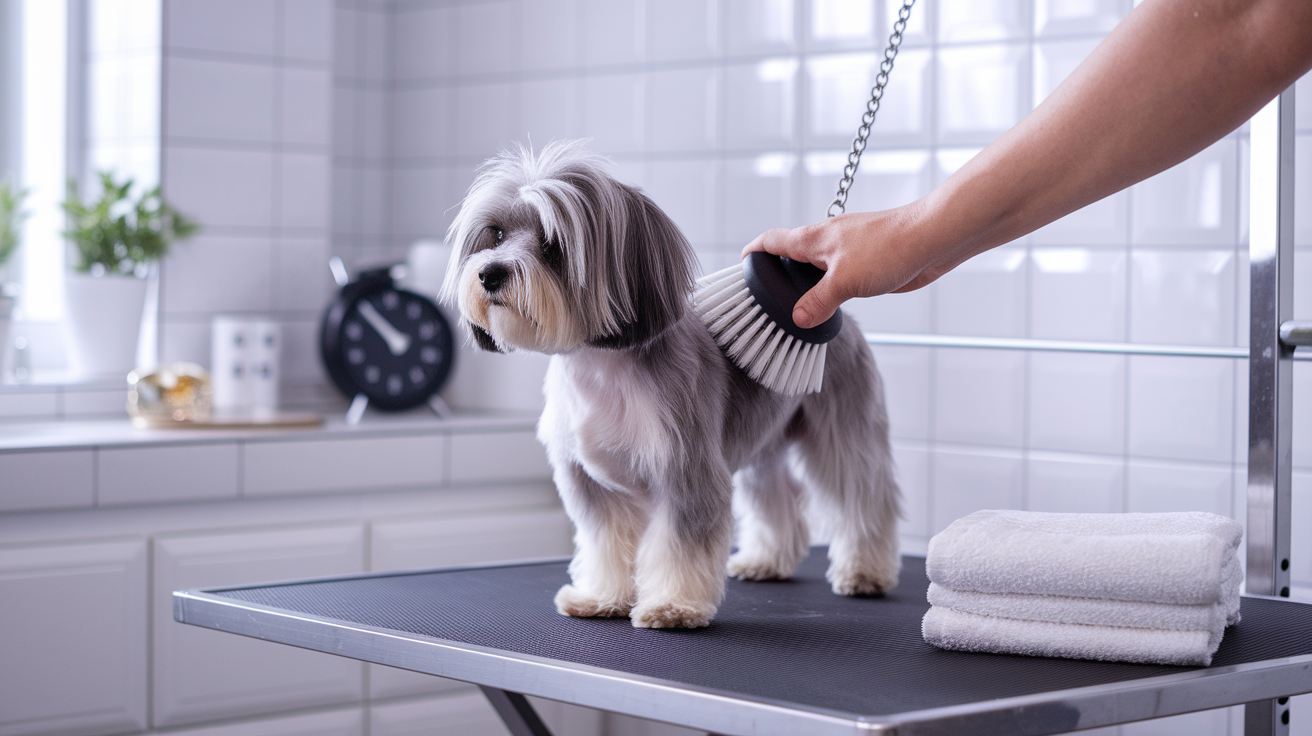
Regular grooming doesn’t just keep a dog looking neat. It removes loose hair, dead skin cells, and trapped dander before they circulate through your apartment. Brushing reduces airborne allergens by 50–70% compared to infrequent grooming, and that difference is noticeable in small spaces where air recirculates quickly. Professional grooming every 4–8 weeks keeps coats trimmed to a manageable length and includes baths that remove surface allergens. Grooming costs average $40–$90 per session, so budget $300–$1,200 per year depending on coat type and frequency.
Bathing every 3–6 weeks helps reduce surface allergens without over drying the skin. Use hypoallergenic shampoos if your allergies are sensitive, and rinse thoroughly to prevent residue that can irritate skin or attract dirt. Tools you’ll use regularly include a slicker brush for daily brushing, a comb for checking tangles, and a HEPA rated vacuum to capture hair and dander from floors and furniture.
Top grooming habits that reduce allergens:
Brush daily or at least every other day to remove loose hair and dander before it spreads.
Schedule professional grooming every 4–8 weeks to maintain coat length and reduce matting.
Bathe every 3–6 weeks with hypoallergenic shampoo to remove surface allergens.
Use a HEPA vacuum on floors, furniture, and dog bedding weekly to capture fine particles.
Wash dog bedding weekly in hot water (≥60°C/140°F) to kill dust mites and remove allergen buildup.
Space, Exercise, and Mental Stimulation for Low Shedding Apartment Dogs

Most small hypoallergenic breeds need 20–45 minutes of daily exercise plus 15–30 minutes of indoor mental stimulation. Exercise doesn’t have to mean long outdoor walks. Short sessions of fetch in the hallway, tug of war with a rope toy, or trick training count toward daily activity. Mental stimulation tires dogs faster than physical exercise alone, so puzzle feeders, scent games, and teaching new commands reduce the need for marathon walks. Canine conditioning exercises like balance work on a wobble board or low jumps over household items add variety and build strength without leaving the apartment.
Noise prone breeds like Yorkshire Terriers and Maltipoos benefit from 5–15 minutes of daily quiet training. Practice “speak” and “quiet” commands with treats, and reward calm behavior when doorbells ring or footsteps pass in the hallway. Consistent training reduces barking complaints and builds better neighbor relationships. If your apartment is tiny, look for leash free exercise alternatives like indoor agility tunnels or interactive toys that encourage movement without needing open space.
| Category | Recommended Approach |
|---|---|
| Typical Exercise Minutes | 20–45 minutes daily, split into 2–3 short sessions if needed |
| Suitable Indoor Activities | Fetch, tug, puzzle feeders, trick training, scent games, balance exercises |
| Noise Management Tips | Practice “quiet” command 5–15 min/day; reward calm behavior during hallway sounds; use white noise to mask triggers |
Allergy Management Strategies for Apartment Dog Owners

HEPA air purifiers reduce airborne allergens within 24–72 hours of continuous use. Place one in the room where your dog spends the most time and run it continuously, especially during shedding seasons or after grooming sessions. HEPA vacuums remove 30–70% more allergens from carpets and upholstery than standard vacuums, and that difference matters in apartments where carpets hold dander close to where you sit and sleep. Vacuum floors and furniture at least twice per week, and empty the canister or replace the bag outside to avoid re releasing allergens indoors.
Washing dog bedding weekly at ≥60°C (140°F) reduces dust mites and allergen load. Use unscented, hypoallergenic detergent if your allergies are sensitive, and dry bedding completely before putting it back to prevent mold. Wipe down hard surfaces like windowsills, baseboards, and furniture legs weekly with a damp microfiber cloth to capture settled dander. Dry dusting just moves allergens into the air. Damp wiping traps them for removal.
Regular bathing every 3–6 weeks removes surface allergens and reduces the amount of dander your dog carries. Coordinate bathing frequency with your vet to avoid over drying the skin, which can increase flaking and worsen allergies. High quality diets that support skin health reduce flakiness and dander production, so invest in food with balanced omega fatty acids and avoid fillers that can trigger skin reactions.
Cleaning and filtration routine for allergy households:
Run a HEPA air purifier continuously in the main living area and bedroom.
Vacuum floors, furniture, and dog bedding with a HEPA vacuum at least twice per week.
Wash all dog bedding weekly in hot water (≥60°C/140°F) and dry completely.
Wipe hard surfaces weekly with a damp microfiber cloth to capture settled dander.
Adoption, Breeders, and Evaluating Hypoallergenic Dogs Before You Commit
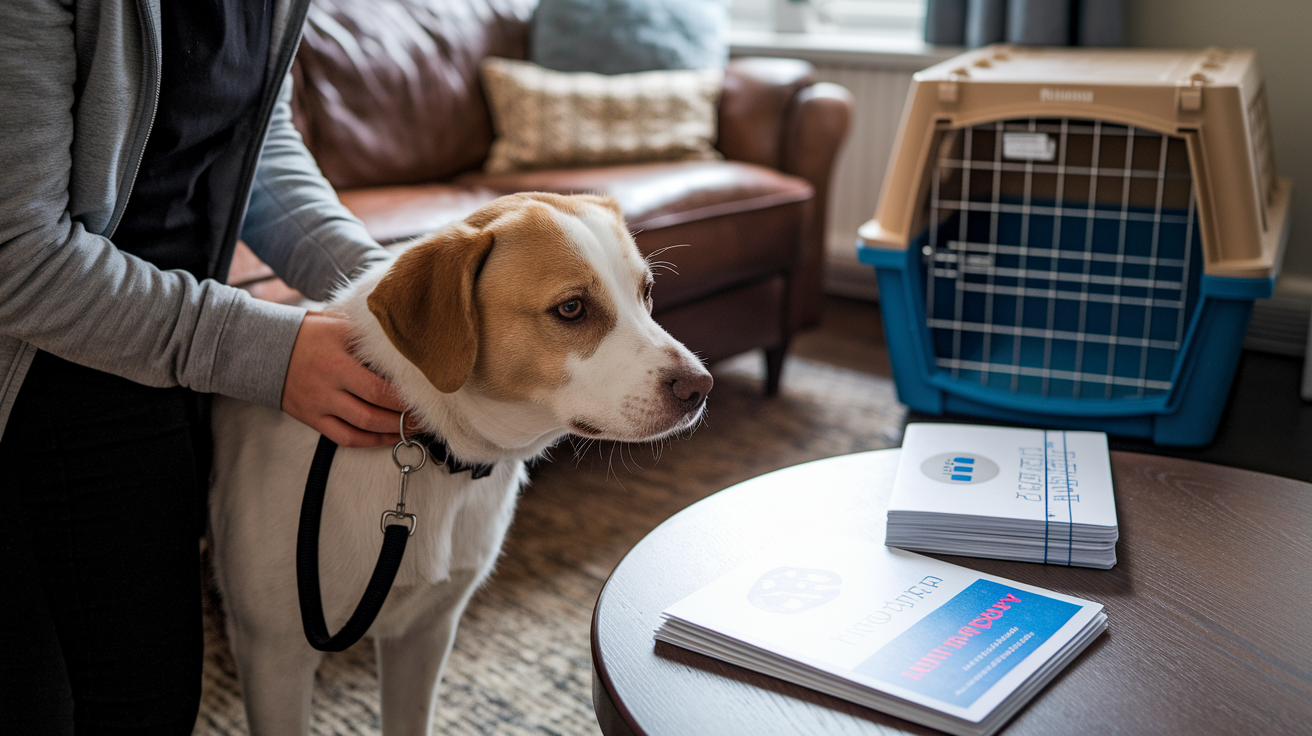
Adoption fees from rescues and shelters typically run $50–$400 and usually include spay/neuter, initial vaccinations, and a microchip. Breeder puppies cost $500–$3,000+ depending on breed, lineage, and breeder reputation. Adopting an adult dog lets you assess actual shedding, coat texture, and temperament more accurately than predicting from a puppy. Many rescues and breed specific organizations have adult hypoallergenic dogs available, and adult dogs often come with housetraining and basic commands already in place.
Arrange a 1–2 week exposure trial if possible, either through a foster program or by spending extended time with the dog before committing. Some allergic reactions appear immediately. Others build over days of close contact. Bring allergy medication during the trial period and note symptoms like sneezing, itchy eyes, or skin reactions. If you’re working with a breeder, ask about the parents’ coat type, grooming needs, and any known skin or allergy issues in the lineage. Responsible breeders provide health clearances and are willing to take the dog back if the match doesn’t work.
What to ask breeders and rescues:
What is the dog’s grooming routine, and how often does it need professional grooming?
Are the parents or previous litters known for low shedding and minimal dander?
Can I arrange a trial visit or foster period to assess my allergic reaction before adopting?
What health clearances and veterinary records are available, especially for skin and coat health?
What is your return or rehoming policy if the dog doesn’t work out due to allergies or lifestyle mismatch?
Budgeting and Daily Care Needs for Small Hypoallergenic Apartment Breeds

First year ownership costs run $800–$2,500+ and include adoption or purchase fees, initial vet visits, spay/neuter if not already done, vaccinations, microchipping, crate, bedding, bowls, leash, collar, and initial grooming supplies. Annual recurring costs average $500–$2,000 and cover food, routine vet care, grooming, flea and tick prevention, and replacement supplies. Food costs vary widely, from $200–$900 per year depending on brand and dog size. Grooming runs $300–$1,200 annually if you schedule professional sessions every 4–8 weeks.
Plan for unexpected vet expenses by setting aside $20–$60 per month for pet insurance or building a dedicated emergency fund. Dental cleanings, minor injuries, and sudden illnesses add up quickly, and small breeds can be prone to dental issues that require professional cleaning under anesthesia. Weight management matters for indoor dogs. Overfeeding by even a small amount leads to obesity in toy and small breeds, which increases joint stress and vet costs over time.
| Expense Category | Annual Estimate |
|---|---|
| Food | $200–$900 |
| Vet Care (routine) | $200–$600 |
| Grooming | $300–$1,200 |
| Supplies (treats, toys, bedding, replacements) | $100–$300 |
Daily Training, Noise Control, and Apartment Etiquette for Hypoallergenic Breeds
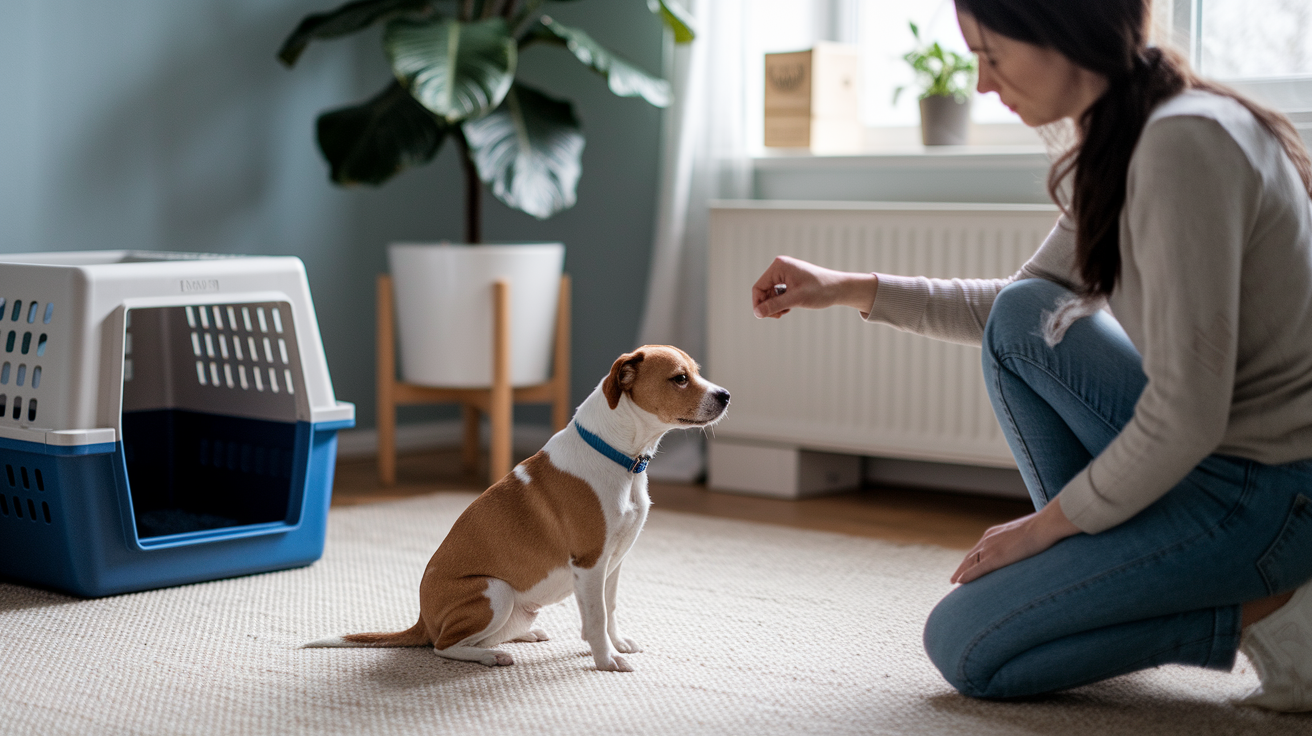
Bark prone breeds like Yorkshire Terriers and Maltipoos benefit from 5–15 minutes per day of focused quiet training. Practice the “speak” command first so the dog understands what barking is, then teach “quiet” by rewarding silence after a single bark. Use high value treats and keep sessions short. Consistency matters more than duration. Daily practice builds the habit faster than occasional long sessions.
Crate training reduces anxiety and prevents destructive behavior when you’re out. Use crates sized 18–22 inches for toy breeds and 24–30 inches for small breeds. The crate should be large enough for the dog to stand, turn around, and lie down comfortably but not so large that it becomes a bathroom spot. Introduce the crate gradually with treats, toys, and short periods of confinement, building up to longer stretches as the dog becomes comfortable. Leash training in high density housing means practicing calm behavior in elevators, stairwells, and lobbies where other residents and pets pass close by.
Reducing noise and indoor damage:
Practice “quiet” command daily using treats and calm reinforcement when the dog stops barking on cue.
Crate train early to provide a safe, calm space and prevent chewing or accidents when unsupervised.
Exercise and mentally stimulate before leaving the apartment to reduce boredom driven barking or destruction.
Use white noise or calming music to mask hallway sounds that trigger alert barking.
Final Words
Picking a hypoallergenic apartment dog comes down to everyday life, not just coat type. This post walked through what “hypoallergenic” really means, top small breeds, grooming and exercise needs, allergy-reduction tips, how to vet breeders or rescues, and realistic costs and training for flats.
If your schedule, noise limits, and budget line up, arrange a short meet-and-greet and plan grooming before you commit.
Use the checklist here to compare options, and remember that hypoallergenic apartment dogs do well when you plan for regular grooming, daily exercise, and simple allergy management. It’s worth it.
FAQ
Q: What is the calmest dog for an apartment? / What is the no. 1 lazy dog? / What kind of dog can you leave alone in an apartment?
A: The calmest, laziest dogs for apartments and ones you can leave alone are usually small, low-energy breeds like Shih Tzus, older poodles, or bichons; avoid leaving them more than about 4–6 hours.
Q: What is the #1 hypoallergenic dog?
A: The number one hypoallergenic dog is often the poodle (toy or miniature) because it sheds very little; remember low-shed coats still need frequent brushing and regular trims to keep dander down.