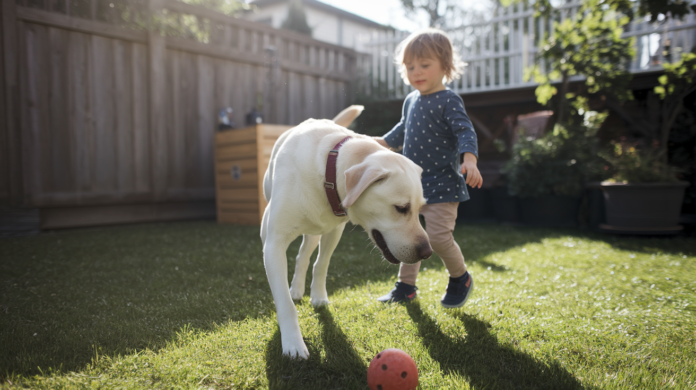

Think a Labrador is an easy, no-fuss family dog?
Lots of people do, and it’s true Labs are friendly, loyal, and easy to train.
But that friendly face comes with big daily needs — 60 to 120 minutes of exercise, constant shedding, and potential costly health issues.
This quick guide lays out the practical pros and cons so you can decide if a Lab fits your life, not just your heart.
By the end you’ll know whether to say yes, no, or not right now.
Key Labrador Retriever Pros and Cons for Deciding If This Breed Fits Your Home

Labs have been the #1 AKC breed since 1991. That’s not luck. They’ve got the friendly, eager temperament that families, service organizations, and active singles want. Adult Labs stand around 21 to 24 inches tall and weigh between 55 and 84 pounds (females usually lighter). They live about 10 to 13 years. During that time, they’ll need consistent companionship, regular vigorous exercise, and patience with the fur everywhere.
Here’s the deal: you get a loyal, affectionate, highly trainable dog who loves people and activity. But you’re also taking on a large, high energy animal who sheds constantly and needs 60 to 120 minutes of exercise every single day. Labs don’t do well sitting around. If your lifestyle is quiet, mostly indoors, or built around long work hours with nobody home, the mismatch will show up fast. Think chewed furniture, excessive barking, anxious behaviors.
Before you fall for the friendly face, consider these realities:
- Pro: Excellent with children across all ages. Patient, gentle, and playful in family settings.
- Pro: Highly trainable and food motivated. Responds well to obedience, tricks, and service work.
- Pro: Energetic and athletic. Thrives on fetch, swimming, hiking, and outdoor adventures.
- Con: Heavy year round shedding with intense seasonal blowouts in spring and fall. Daily vacuuming becomes normal.
- Con: Requires substantial daily exercise. Understimulation leads to destructive chewing and noise.
- Con: Prone to hip dysplasia, elbow dysplasia, obesity, eye conditions, and bloat. Budget for health screenings and potential treatments.
Labrador Temperament Pros and Cons Explained

Labs are famous for their friendly, adaptable nature. They greet strangers like old friends, get along well with other dogs, and show remarkable patience with children, even toddlers who grab ears or climb on backs. That open, social temperament makes them poor guard dogs but outstanding family companions. They bond tightly to their people and want to be involved in everything you do, from morning coffee to evening walks.
The downside? That affectionate, people focused personality means separation anxiety and boredom behaviors when left alone too long. Labs don’t like being by themselves for eight hour stretches with nothing to do. Understimulated Labs will find their own entertainment. Chewing baseboards, digging through trash, barking at every sound, or stress pacing. Mouthiness is another hallmark. Labs explore the world with their mouths, especially as puppies, so expect everything from shoes to remote controls to get tested.
Temperament highlights and watch outs:
- Friendly and social with strangers, children, and other pets. Great for busy households and dog parks.
- Eager to please and responsive to training. Picks up commands quickly with positive reinforcement.
- Strong bonding instinct means they crave interaction and don’t do well when isolated or ignored.
- Mouthiness and chewing are lifelong tendencies. Requires consistent training and appropriate outlets like chew toys.
- Boredom or loneliness can trigger destructive behaviors, excessive barking, or separation anxiety if daily needs aren’t met.
Pros of Owning a Labrador Retriever for Active and Family Households

Labs were originally bred in Newfoundland to work alongside fishermen, retrieving nets, hauling lines, and swimming in cold water. That working history gave them a water repellent double coat, natural swimming ability, and a drive to fetch and carry that’s still strong today. If you love outdoor activities, a Lab will match your energy. They excel at hiking, dock diving, agility courses, and any game that involves retrieving a ball or stick.
For families, Labs shine. They’re gentle enough for households with young kids, patient during chaotic playtime, and protective without being aggressive. Many therapy and service organizations choose Labs for their calm, trainable temperament and willingness to work. If you want a dog who participates in your life (camping trips, beach days, backyard play) rather than watching from the sidelines, a Lab fits that role naturally.
The combination of intelligence, eagerness to please, and food motivation makes training straightforward. Labs pick up basic obedience quickly and often enjoy learning new tricks or tasks. That teachability extends beyond the home. Labs are commonly trained for search and rescue, detection work, and assistance roles for people with disabilities.
Top lifestyle aligned advantages:
- Activity partner: Built for swimming, fetch, running, and long hikes. Thrives when included in your exercise routine.
- Service and therapy suitability: Calm, trainable, and people focused. Widely used in professional assistance roles.
- Strong retrieving instinct: Naturally motivated to carry and fetch. Makes games easy and engaging.
- Child friendly behavior: Patient, gentle, and playful with kids of all ages. Adapts well to family noise and activity.
Major Cons of Labrador Retriever Ownership to Consider

The flip side of that high energy and enthusiasm? A daily commitment most people underestimate. Labs need 60 to 120 minutes of physical activity every day. Not a slow stroll around the block, but vigorous exercise like off leash running, fetch sessions, or swimming. If you skip a couple of days, you’ll notice: restlessness, whining, destructive chewing, or indoor zoomies that knock over furniture.
Size matters, too. At 55 to 84 pounds, Labs exceed the weight limits in many apartments and rental properties. Even if your lease allows them, a large dog in a small space without a yard means multiple daily trips outside for exercise and bathroom breaks. Labs also bring the outdoors in. Muddy paws, dirt, slobber, and fur on every surface. If you need a tidy home or have a strict cleaning routine, the daily mess will wear on you.
Labs are opportunistic eaters. They’ll raid the trash, counter surf for food, eat things they shouldn’t (including toxic plants, baits, or spoiled scraps), and beg at every meal. That scavenging instinct requires secure trash cans, careful food storage, and constant supervision outdoors. Training helps, but the drive never fully disappears.
Primary ownership challenges:
- Exercise demands: 60 to 120 minutes of vigorous activity daily. Without it, expect destructive behaviors and noise.
- Space needs: Large size makes many apartments unsuitable. Thrives with access to a secure yard or regular off leash areas.
- Chewing and mouthiness: Strong oral exploration instinct. Puppies and young adults need appropriate chew toys and redirection training.
- Boredom risks: Understimulation leads to excessive barking, digging, trash raiding, or anxiety behaviors.
- Noise level: Barking at doorbell, strangers, or out of boredom. Not ideal for noise sensitive living situations.
- Apartment limitations: Weight and size restrictions, plus lack of outdoor access, make apartment life difficult without significant daily effort.
Labrador Grooming Pros and Cons & Realistic Shedding Expectations

Labs have a short, dense double coat designed to repel water and insulate in cold conditions. That coat sheds year round, with heavy seasonal blowouts in spring and fall when they drop their undercoat. During those peak weeks, you’ll pull handfuls of fur off the dog with every brushing session, and it will still cover your floors, furniture, and clothes.
Brushing 2 to 3 times per week is the baseline. During heavy shed seasons, daily brushing keeps the fur somewhat manageable. You’ll also need a good vacuum with a pet hair tool, lint rollers in every room, and realistic expectations about keeping black pants fur free. Baths every 6 to 8 weeks help with smell and loose fur, but frequent bathing can dry out the skin, so balance is important.
| Grooming Task | Frequency |
|---|---|
| Brushing (slicker brush or undercoat rake) | 2 to 3 times per week; daily during spring/fall shedding |
| Bathing | Every 6 to 8 weeks, or as needed for smell/dirt |
| Vacuuming floors and furniture | Weekly minimum; more often during heavy shed seasons |
Health Risks and Genetic Cons in Labrador Retrievers
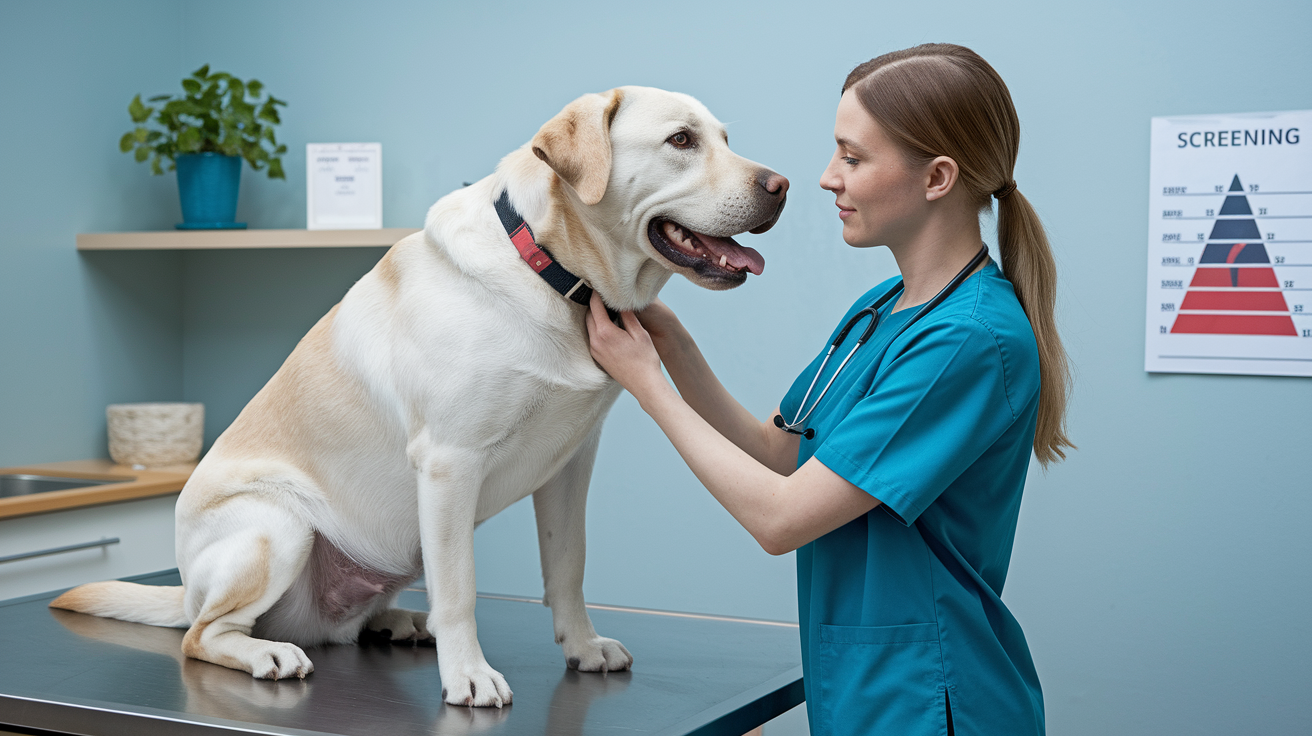
Labs are predisposed to several hereditary conditions that show up more often in this breed than in many others. Hip dysplasia and elbow dysplasia are common. These are malformations in the joint that cause pain, limping, and arthritis as the dog ages. Severe cases may require surgery costing $1,500 to $4,000 or more per joint. Reputable breeders screen parent dogs for hip and elbow scores. Always ask to see those clearances before buying a puppy.
Progressive retinal atrophy (PRA) and other eye diseases can lead to gradual vision loss. An ophthalmologist evaluation before breeding helps catch carriers. Exercise Induced Collapse (EIC) is a genetic condition where the dog’s hind legs weaken or collapse after intense activity. A DNA test identifies carriers. Bloat (gastric dilatation volvulus) is a life threatening emergency where the stomach twists. Labs are at higher risk due to their deep chest. Preventive surgery to tack the stomach is sometimes discussed with a vet, but it’s case dependent.
Obesity is one of the most common health problems in Labs. Their love of food and tendency to beg, combined with insufficient exercise, leads to weight gain that stresses joints and increases the risk of diabetes and heart issues. Regular weight checks, portion control, and consistent exercise are necessary throughout the dog’s life.
Major health concerns and preventive steps:
- Hip and elbow dysplasia: Common. Ask breeders for OFA or PennHIP clearances. Budget for potential surgery or pain management.
- Progressive retinal atrophy and eye conditions: Screening by a veterinary ophthalmologist recommended. Can lead to blindness.
- Exercise Induced Collapse (EIC): DNA test available. Affected dogs may collapse after strenuous activity.
- Bloat (gastric dilatation volvulus): Life threatening. Know the signs (distended abdomen, restlessness, retching). Discuss prevention options with your vet.
- Obesity: Portion control, measured feeding, and daily exercise are critical to prevent weight related joint and organ stress.
Labrador Exercise Needs, Energy Level Pros and Cons, and Daily Routine Examples

A tired Lab is a well behaved Lab. That saying holds true because exercise is the receipt you pay for a calm, happy dog. Labs are moderate to high energy and need both physical activity and mental stimulation. Plan for at least 60 minutes daily at minimum, but many Labs do better with 90 to 120 minutes, especially in their first five years. Skipping exercise for even two days often results in restless pacing, whining, destructive chewing, or indoor zoomies that knock over lamps.
Mental stimulation matters just as much. Labs are smart and get bored easily. Puzzle toys, training sessions, scent games, and interactive feeders keep their minds busy. A 20 minute training session where they learn a new trick or practice recall can tire them out as much as a long walk. Combine physical and mental work for the best results.
What exercise looks like day to day varies, but it should be vigorous and engaging. A slow neighborhood stroll won’t cut it for most Labs. They need to run, swim, fetch, or explore off leash in safe areas. If you work full time, you’ll need a plan: morning walk or play session before work, midday dog walker or doggy daycare, and evening exercise or fetch. Without that structure, the dog will find other outlets. Usually ones you don’t like.
Effective daily exercise and enrichment examples:
- Fetch sessions: 20 to 30 minutes of ball or frisbee retrieval in a fenced yard or park. Labs rarely tire of this game.
- Swimming: Ideal exercise for Labs. Low impact, high energy, and taps into their natural water loving instincts.
- Hiking or trail walks: 60+ minutes of varied terrain. Provides physical exertion and mental stimulation from new scents and sights.
- Off leash dog park play: Social interaction with other dogs plus running. Good for Labs who are well socialized and recall trained.
- Puzzle toys and training: 15 to 20 minute sessions teaching new commands, practicing tricks, or using treat dispensing toys to engage their brain.
Labrador Dietary Cons, Obesity Risks, and Feeding Expectations

Labs are famous for eating anything and everything. They’ll swallow food without chewing, raid the trash, counter surf, eat feces, and ingest things that aren’t food (sticks, socks, spoiled scraps, even wild mushrooms). That opportunistic appetite means you need secure trash cans with locking lids, food stored out of reach, and supervision during outdoor time. Training commands like “leave it” and “drop it” helps, but the instinct to scavenge stays strong.
Portion control is critical. Free feeding doesn’t work for Labs. They’ll eat until the bowl is empty and then look for more. Measure every meal, stick to a feeding schedule (usually two meals per day for adults), and resist the begging. Treats should make up no more than 10% of daily calories. Weigh your dog every few months and check body condition. You should be able to feel ribs easily without seeing them prominently.
Feeding and weight management strategies:
- Use measured portions based on the dog’s weight, age, and activity level. Follow food packaging guidelines or your vet’s recommendation.
- Feed on a schedule (morning and evening meals) rather than free feeding to control intake and monitor appetite.
- Secure trash cans and food storage. Labs will eat spoiled or toxic items if given access.
- Limit treats and table scraps. Use small, low calorie training treats and account for them in daily food totals.
Labrador Cost Considerations and Long Term Ownership Realities

Bringing home a Lab is the smallest expense. Adoption fees from shelters or rescues typically run $50 to $500, which usually includes initial vaccinations, spay/neuter, and microchipping. Buying from a reputable breeder who screens for hips, elbows, eyes, and EIC costs $800 to $2,500 or more, depending on location and lineage. Avoid bargain puppies from backyard breeders or pet stores. The health problems you inherit often cost far more than the money you “saved.”
First year costs add up quickly: vaccinations, spay or neuter surgery, microchip, initial vet exams, supplies (crate, bowls, leash, collar, toys, grooming tools), and puppy training classes. Budget $500 to $2,000 for that startup year. After that, annual maintenance runs $800 to $2,000 in a typical year, covering food, routine vet visits, parasite prevention, grooming supplies, and basic gear replacement.
The wildcard is health. Hip or elbow surgery for dysplasia can cost $1,500 to $4,000 per joint. Emergency bloat surgery runs $1,500 to $5,000. Even routine age related issues (arthritis medication, dental cleanings, lumps that need biopsy) add hundreds to thousands over the dog’s lifetime. Pet insurance can help, but premiums for large breeds often run $40 to $80 per month, and not all hereditary conditions are covered.
| Expense Category | Typical Range |
|---|---|
| Adoption or purchase price | $50 to $500 (shelter/rescue); $800 to $2,500+ (reputable breeder) |
| First year startup costs (vet, supplies, training) | $500 to $2,000 |
| Annual maintenance (food, routine care, prevention) | $800 to $2,000 |
| Major health procedures (surgery, emergency care) | $1,500 to $5,000+ per incident |
Labrador Living Environment Fit and Home Requirements (Pros and Cons)

Labs adapt to different homes, but they do best in houses with secure, fenced yards where they can run and play off leash. Apartment living is possible, but only if you’re committed to multiple daily trips outside (morning, midday, evening, and before bed) for exercise and bathroom breaks. A Lab stuck indoors all day in a small space will become restless, noisy, and destructive. If you live in a multi story building, factor in elevator waits and stair climbs with a 70 pound dog who may pull on the leash.
Labs also bring mess into the home. Muddy paws after rain, drool on floors and furniture, and year round shedding mean cleaning becomes part of your routine. If you have hardwood floors, expect to hear nails clicking. If you have carpet, expect embedded fur. They’re not a good match for anyone who needs a spotless, fur free environment.
On the upside, Labs thrive in active households with kids, frequent visitors, and outdoor focused lifestyles. If your weekends include hiking, trips to the lake, or backyard barbecues, a Lab will fit right in and become the center of family fun.
Home environment compatibility checklist:
- Ideal: House with fenced yard, active family, access to trails or dog parks, tolerance for mess and fur, household members home frequently.
- Possible but challenging: Apartment with no weight restriction, owner committed to 90+ minutes of daily outdoor exercise, nearby green spaces or parks.
- Poor fit: Small apartment with size/weight limits, sedentary household, long work hours with no midday break, strict cleanliness standards, limited outdoor access.
- Best for outdoor lifestyles: Owners who hike, camp, swim, or spend significant time outside. Labs love participating in those activities.
- Not ideal for allergy sufferers: Heavy shedding and dander make Labs a poor choice for households managing pet allergies.
Final Words
in the action: this post ran through the key labrador traits — friendly and kid-ready, highly trainable, big energy needs, heavy shedding, common genetic and weight-related health concerns, plus realistic grooming and cost notes.
Think about daily life: Labs need 60–120 minutes of activity, room to move, and someone who’ll stick to training and feeding plans.
Use the labrador retriever pros and cons to decide: if you match the energy and budget, a Lab often brings playful loyalty and a lot of warm, muddy moments.
FAQ
Q: What are the negatives of a Labrador? / Is a Labrador a high maintenance dog?
A: The negatives of a Labrador and whether they’re high maintenance: Labs shed heavily, need 60–120 minutes daily exercise, can be mouthy and food-driven, and may develop separation anxiety or obesity—so they’re higher-maintenance than many breeds.
Q: What is the 5 minute rule for Labradors?
A: The 5 minute rule for Labradors is a short training/play burst: five minutes of focused, reward-based work several times daily to burn energy, reinforce manners, and reduce boredom-driven mischief.
Q: What is the #1 nicest dog breed?
A: The #1 nicest dog breed is subjective, but the Labrador Retriever is often ranked top for friendliness, patience with kids, trainability, and social nature—well suited to active families and therapy roles.