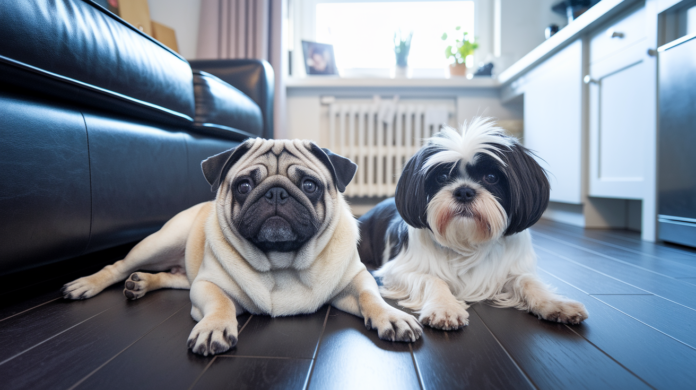

A lazy dog might be the best pet for apartment life, seriously.
They mean fewer chewed shoes, calmer neighbors, and naps instead of zoomies.
But lazy doesn’t mean zero care.
You still need short walks, grooming, and mental work.
This post shows the low-energy breeds that actually thrive in apartments, and the trade-offs you should expect: time, cost, and noise.
By the end you’ll know which dogs are a yes, a no, or “not right now” for your life.
Best Low-Energy Breeds That Truly Fit Apartment Living
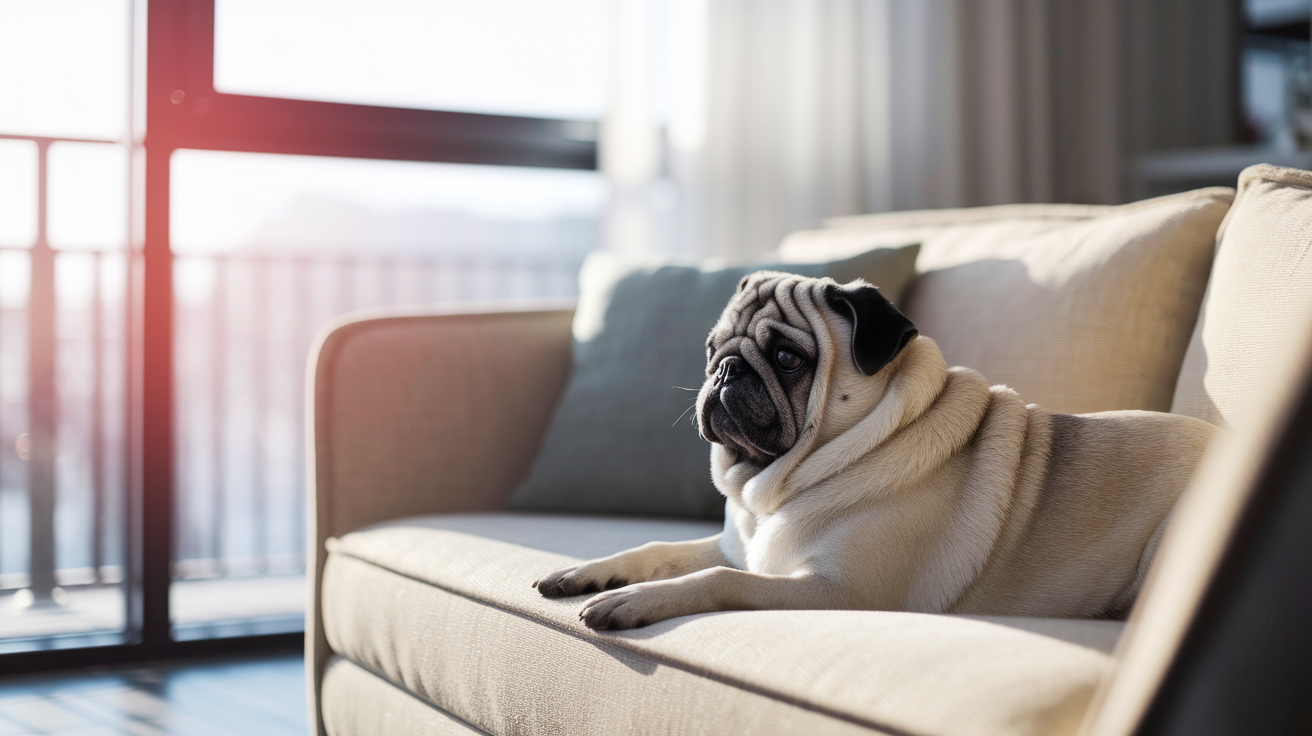
When you’re picking a dog for apartment life, “lazy” isn’t an insult. It’s a practical match. Low energy breeds mean less pent up frustration, fewer destroyed shoes, and a calmer home for you and your neighbors. Dogs that don’t need constant exercise or wide open yards can thrive in small spaces, as long as their exercise, grooming, and mental needs are actually met. The goal? Pick a breed that’s naturally content to nap between short walks, not one that’ll invent trouble the moment you skip a morning jog.
Low energy breeds generally need between 15 and 60 minutes of daily activity, depending on size and health. Brachycephalic breeds like Pugs and French Bulldogs can’t tolerate heavy exertion or heat, so their exercise is naturally limited. Toy breeds like the Chihuahua need very little outdoor time but can be alert barkers, which matters in close quarters. Grooming varies widely. Short coated breeds are low maintenance, while long haired breeds like the Shih Tzu and Pekingese require frequent brushing and professional grooming. Noise is another factor. Most lazy breeds are quiet, but a mismatch between breed temperament and your routine can lead to boredom barking or chewed furniture.
Here are the seven breeds that consistently show up as strong apartment fits for low energy owners:
- Pug – cheerful, playful in short bursts, needs ~30 minutes/day, low grooming, low noise, heat sensitive
- Shih Tzu – warm, intelligent, low exercise needs, high grooming, generally quiet, can be harder to housebreak
- Cavalier King Charles Spaniel – gentle, people oriented, 30–60 minutes/day, moderate grooming, low to moderate noise
- Pekingese – calm lap dog, enjoys a few short walks daily, high grooming, very quiet
- French Bulldog – affectionate, quirky, short play sessions, low grooming (fold care needed), low noise, heat sensitive
- Boston Terrier – alert, intelligent, needs daily walks and puzzle toys, low grooming, can be excitable/vocal if bored
- Chihuahua – bold, intensely loyal, minimal exercise, low to moderate grooming, can be vocal/alert barkers
Profiles of Calm Small Breeds Ideal for Apartment Lifestyles
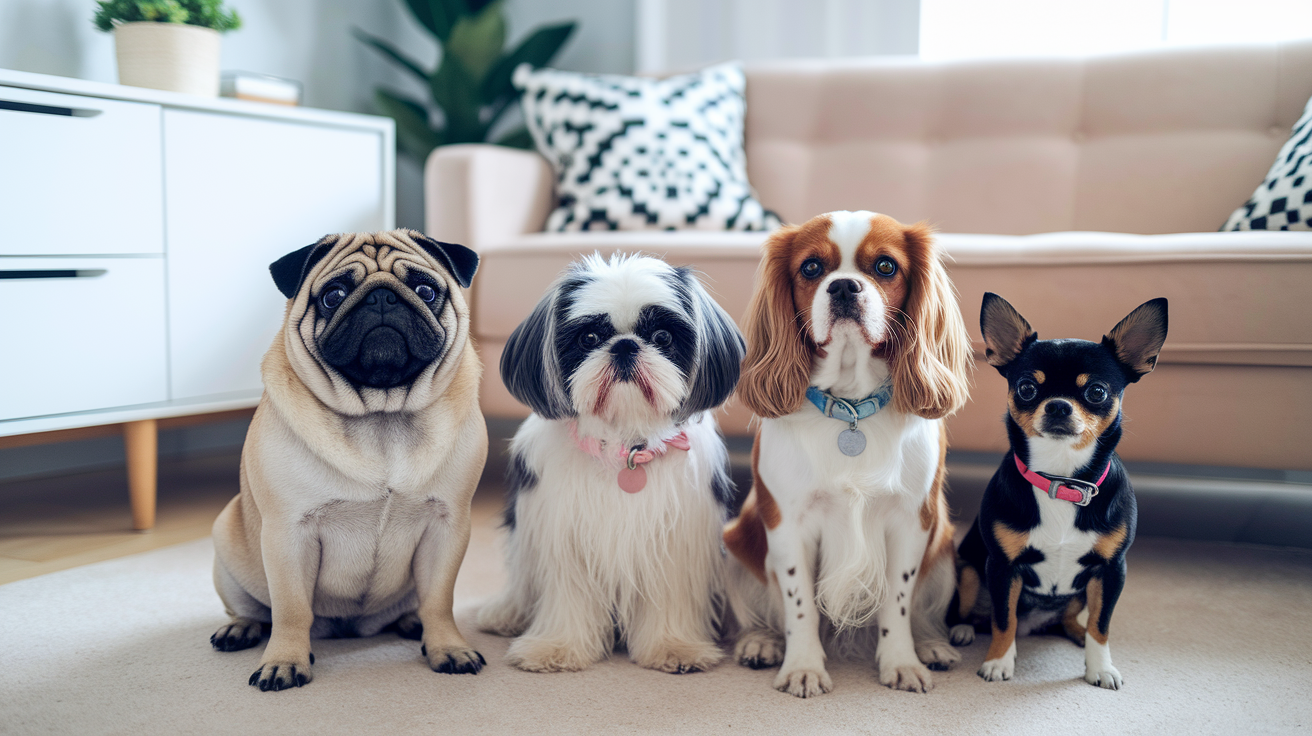
Small and toy breeds are the most forgiving in tight spaces. They need less room to move, their potty schedules can sometimes be managed with indoor pads, and most are physically easier to carry down stairs or into elevators. But “small” doesn’t automatically mean “easy.” Some toy breeds are high strung or yappy. The best apartment matches are the ones bred to be companions, not hunters or terriers.
Pugs are cheerful couch partners that bond tightly to their people and nap happily after a short walk. They shed more than you’d expect from a short coat, and their flat faces make them sensitive to heat and overexertion. Shih Tzus are warm and intelligent but need regular grooming and can be stubborn during housebreaking. Plan for patience and consistency. Pekingese are classic lap dogs, quiet and calm, but their long coats require daily brushing and regular trims. Chihuahuas are tiny and portable, perfect for very small apartments, but they can be alert barkers and intensely attached to one person, which means early socialization and “quiet” training are worth the effort.
The table below compares four of the most popular small lazy breeds for apartment living:
| Breed | Daily Exercise | Grooming Level | Typical Noise Level |
|---|---|---|---|
| Pug | ~30 minutes | Low (regular brushing) | Low |
| Shih Tzu | Short walks/play | High (daily brushing, regular grooming) | Low to moderate |
| Pekingese | A few short walks daily | High (daily brushing, regular trims) | Very low |
| Chihuahua | 15–20 minutes (indoor play counts) | Low to moderate (varies by coat) | Can be vocal/alert |
Low Energy Medium and Large Breeds That Surprisingly Work in Apartments
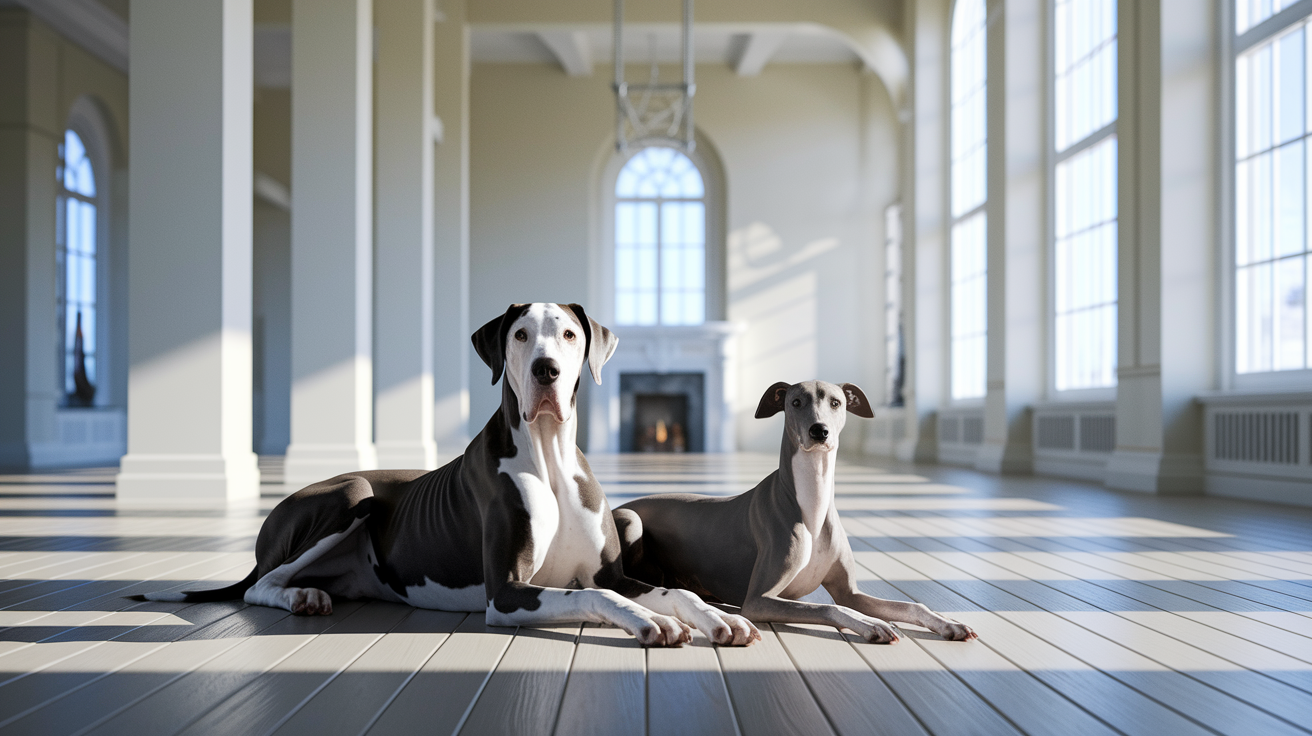
It sounds backwards, but some of the laziest dogs are also the biggest. Great Danes are famous for being gentle giants and world class couch potatoes. They need short, consistent walks to stay healthy, but they’re not high energy dogs. The catch is space. A Dane needs room to stretch out, and your landlord needs to allow large breeds. Greyhounds are another surprise. Retired racers are calm, quiet, and happy to sleep most of the day after a short burst of activity. They’re lean and surprisingly compact when curled up, but they do need a few chances to sprint or play in a safely fenced area.
Other giant lazy breeds (Mastiffs, Saint Bernards, Newfoundlands) are calm and affectionate, but they come with trade offs. They drool, they shed heavily, and they take up physical space. They’re best suited to ground floor apartments or buildings with elevators, and you’ll need landlord approval and possibly pet insurance. If you can provide the space and the short daily walks, these breeds are some of the quietest, gentlest apartment companions available.
Here are five medium and large low energy breeds that can adapt to apartment life if the setup is right:
- Great Dane – gentle, calm, minimal exercise needs, very quiet, requires large indoor space and landlord approval
- Greyhound – short bursts of activity, long rest periods, quiet, low shed, often available as retired racers from rescues
- Mastiff – calm, affectionate “couch potato,” drools, sheds, needs space and short consistent walks
- Saint Bernard – gentle, low energy, heavy shedding, drooling, needs daily walk but minimal exertion
- Newfoundland – calm giant (nearly 150 pounds), low activity indoors, heavy grooming needs, best with elevator access
Grooming, Health, and Noise Expectations for Lazy Apartment Breeds
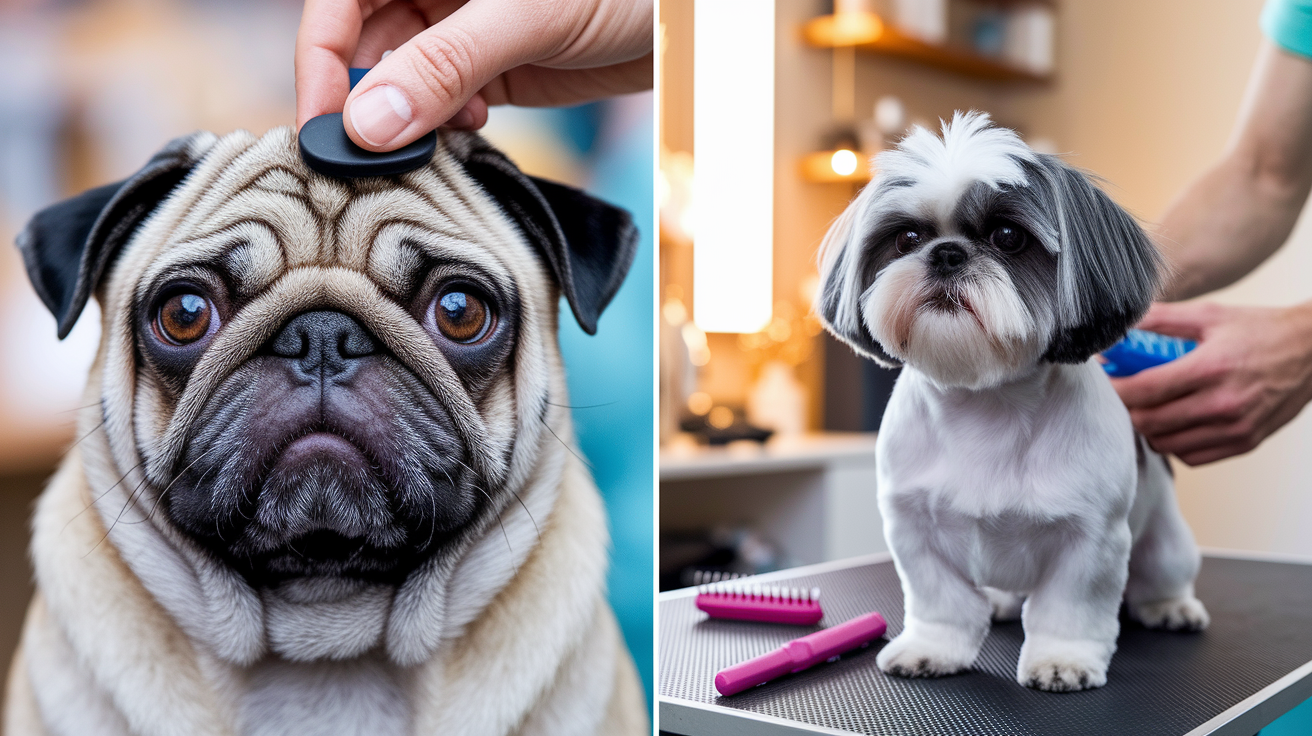
Grooming reality varies widely among lazy breeds. Short coated dogs like Pugs, French Bulldogs, and Boston Terriers are low maintenance. Weekly brushing and the occasional bath. But brachycephalic breeds (Pugs, Frenchies) need their facial folds cleaned regularly to prevent infection, and their flat faces make them prone to breathing trouble, especially in heat or during exercise. If you live in a warm climate or a top floor apartment with no air conditioning, these breeds are higher risk. Long coated lazy breeds (Shih Tzus, Pekingese, Cavaliers) need daily brushing and regular grooming appointments, which adds time and cost. Budget for professional grooming every 6–8 weeks for these breeds.
Health wise, low energy dogs are at higher risk for obesity if their short daily walks are skipped or if treats aren’t controlled. Lazy doesn’t mean zero exercise. It means the right amount, consistently. Brachycephalic breeds can develop worsening breathing issues over time, especially if they gain weight. Dachshunds, though moderate energy, need careful handling to protect their long backs. No jumping off furniture, no frequent stairs. Giant lazy breeds like Mastiffs and Saint Bernards are prone to joint issues and bloat, so gentle daily movement and monitored feeding are essential.
Noise is usually low across lazy breeds, which is one reason they’re apartment favorites. Most are content to nap and aren’t prone to boredom barking if their basic needs are met. The exceptions are small alert breeds like Chihuahuas, which can be vocal, and any breed that’s left alone too long without mental stimulation. Boston Terriers, for example, are quieter when exercised and given puzzle toys. If you skip the enrichment, expect more noise.
Indoor Enrichment and Daily Care for Lazy Dogs in Small Spaces
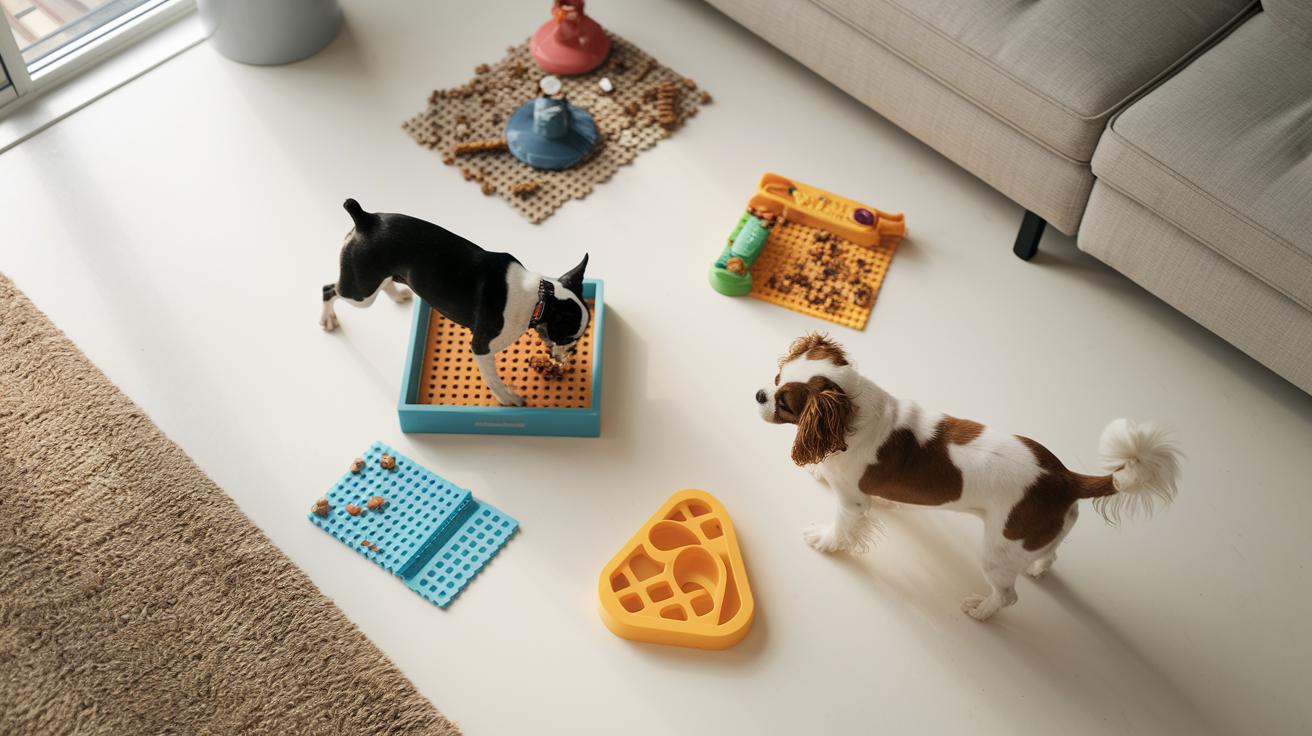
Lazy dogs still need things to do. The receipt you pay for a calm apartment dog is short daily walks plus indoor mental work. Most lazy breeds are happy with 15–30 minutes of outdoor activity spread across the day (one morning potty walk, one evening stroll), but they also need something to occupy their minds indoors. Puzzle toys, slow feeders, and hide and seek games with treats are simple ways to prevent boredom without wearing them out. Boston Terriers and Cavaliers especially benefit from learning tricks or working through interactive feeders. It satisfies their smart, people pleasing side without requiring a yard.
For giant lazy breeds, indoor enrichment looks different. A Great Dane or Mastiff won’t chase a ball around your apartment, but they do enjoy calm training sessions, gentle tug games, and snuffle mats. Keep activity low impact to protect joints, and watch for overheating in brachycephalic breeds. Dachshunds need exercise but must avoid stairs and high jumps to protect their backs. Use ramps, keep play on one level, and choose short flat walks over hilly routes.
Here are six daily enrichment and care routines that work well for lazy apartment dogs:
- Two short leashed walks per day (10–30 minutes each, adjusted for breed and weather) for potty breaks, sniffing, and gentle movement.
- Puzzle feeders or slow feed bowls at mealtimes to add mental work and slow down eating.
- Hide and seek with treats or toys around the apartment to engage their noses and brains.
- Simple trick training (sit, shake, spin, “touch”) for 5–10 minutes to build focus and bond.
- Rotating chew toys and interactive toys weekly to keep novelty high without clutter.
- Calm floor time or gentle tug for giant breeds, avoiding high impact play that stresses joints.
Training and Management Tips for Quiet, Well Behaved Apartment Dogs
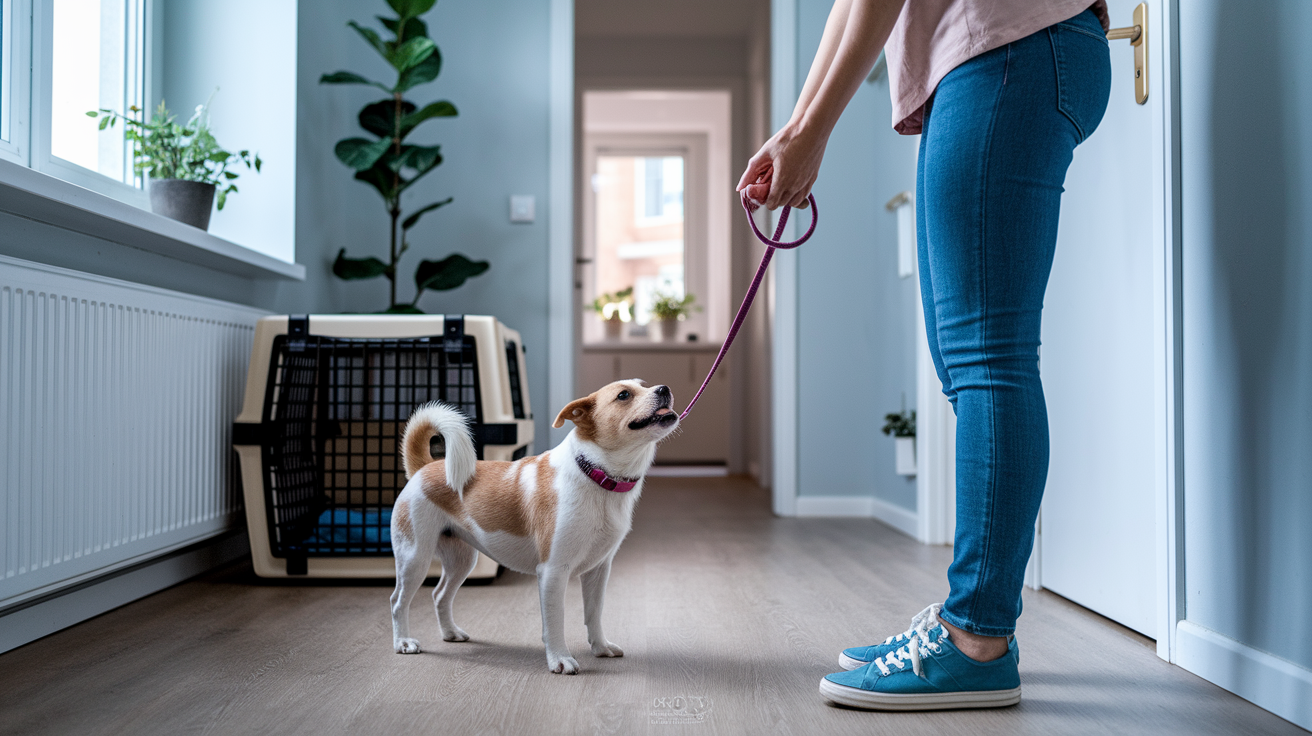
Training a lazy breed for apartment life is less about burning energy and more about building routines and boundaries. The two biggest training priorities are housebreaking consistency and teaching “quiet.” Some lazy breeds, like Shih Tzus, are notoriously harder to housebreak. They’re small, stubborn, and easily distracted. Crate training, frequent scheduled potty breaks, and high value rewards for outdoor success are the path forward. Indoor potty pads can be a bridge for toy breeds in high rise apartments, but outdoor training is still the long term goal.
Barking control matters in apartments. Chihuahuas and other alert breeds can be vocal, especially at door sounds or passing footsteps. Positive reinforcement “quiet” training (rewarding silence, not yelling at barking) works better than punishment. Boston Terriers and Cavaliers can develop boredom barking or destructive chewing if left alone too long without mental stimulation. Crate training helps with alone time, but it’s not a substitute for enrichment. If you’re gone for long stretches, plan for a midday walk or a pet sitter.
Leash walking is still essential, even for the laziest breeds. Consistent short walks (two 15 minute outings daily, for example) prevent weight gain, provide mental stimulation, and teach leash manners. Lazy dogs can still pull or react to other dogs if they’re under socialized, so early positive exposure and calm, confident handling make apartment hallways and elevators easier for everyone.
Key training priorities for lazy apartment dogs:
- Housebreaking consistency – scheduled potty breaks, crate training, high value rewards, patience with slow learners like Shih Tzus
- “Quiet” cue training – reward silence, redirect alert barking, manage door/noise triggers early
- Leash manners – short daily walks teach calm behavior in hallways, elevators, and crowded sidewalks
- Alone time tolerance – crate training, enrichment toys, midday breaks if you’re gone 8+ hours
Costs, Space Requirements, and Apartment Policies for Low Energy Breeds
Before you bring home a lazy breed, check your lease. Many apartments have weight limits (commonly 25 or 50 pounds), which rules out giant breeds like Great Danes, Mastiffs, and Newfoundlands unless you’re on the ground floor with landlord approval. Some buildings ban brachycephalic breeds due to noise or liability concerns, even though most are quiet. Pet deposits, monthly pet rent, and breed restrictions vary widely, so confirm policies in writing before you commit.
Space wise, toy and small breeds (Pugs, Chihuahuas, Shih Tzus) are the easiest fit. They need a bed, a crate, and a small play area. Doable in a studio or one bedroom. Medium and large lazy breeds need room to stretch out. A Great Dane’s bed is the size of a twin mattress, and giant breeds often prefer hard flooring to support their joints. Budget for more square footage or a ground floor unit with easy outdoor access. Long term costs also vary. High grooming breeds like Shih Tzus and Pekingese can cost $50–$80 per grooming visit every 6–8 weeks. Brachycephalic breeds may need vet monitoring for breathing issues, which adds annual costs. Giant breeds eat more, and their medications and vet care are dosed by weight, so routine care is pricier.
| Breed Size | Typical Apartment Requirement | Budget Considerations |
|---|---|---|
| Toy / Small (Chihuahua, Pug, Shih Tzu) | Studio or 1-bedroom; minimal floor space | Lower food costs; high grooming for long coats; potential indoor potty supplies |
| Medium (Cavalier, Boston Terrier, French Bulldog) | 1-bedroom or larger; moderate bed/crate space | Moderate food; brachycephalic vet monitoring; low to moderate grooming |
| Large (Greyhound, some Boxers) | 1–2 bedroom; elevator or ground floor preferred | Higher food costs; low grooming; landlord approval often needed |
| Giant (Great Dane, Mastiff, Newfoundland, Saint Bernard) | Spacious apartment; elevator access; landlord approval required | High food and vet costs; heavy grooming/drool cleanup; large bed and supplies |
Final Words
You’ve seen which calm breeds actually work in small spaces — the toy-sized Pug, Shih Tzu, Chihuahua, through to low-activity larger breeds like Greyhounds and Great Danes — and why energy, noise, grooming, and health matter.
Short walks (15–60 minutes a day), regular grooming for long coats, and watching brachycephalic breeds in heat are the usual trade-offs. Mismatched energy leads to trouble, so be honest about your routine.
If you want low-key company, one of these lazy dog breeds for apartments could fit your life. It’s doable — and rewarding.
FAQ
Q: What are the calmest dog breeds for apartments?
A: The calmest dog breeds for apartments are small, low-energy types like Pug, Shih Tzu, Cavalier King Charles Spaniel, Pekingese, French Bulldog, Boston Terrier, and Chihuahua— they need short walks and usually stay quiet.
Q: What is the calmest, laziest dog breed? What is the no. 1 lazy dog?
A: The calmest, laziest dog breed is often the Pug or French Bulldog; both favor short daily activity (about 15–30 minutes), enjoy couch time, and suit apartment life, though watch breathing limits.
Q: What is the easiest dog to have in an apartment?
A: The easiest dog to have in an apartment tends to be short-coated, low-energy breeds like Cavalier, Boston Terrier, or Chihuahua when matched to your routine; pick low grooming, short walks, and calm temperament.