
Think small dogs are always easy? Think again.
In an apartment, “low maintenance” means a dog that mostly naps, doesn’t bark the building awake, and needs only quick brushing, not a breed that looks cute but stresses your schedule.
This guide cuts through the fluff and lists breeds that actually thrive in tight spaces, explains what daily life with them really looks like, including noise, exercise, grooming, and alone time, and points out the trade-offs so you can decide if one fits your routine.
Best Breed Matches for Low Maintenance Apartment Dogs
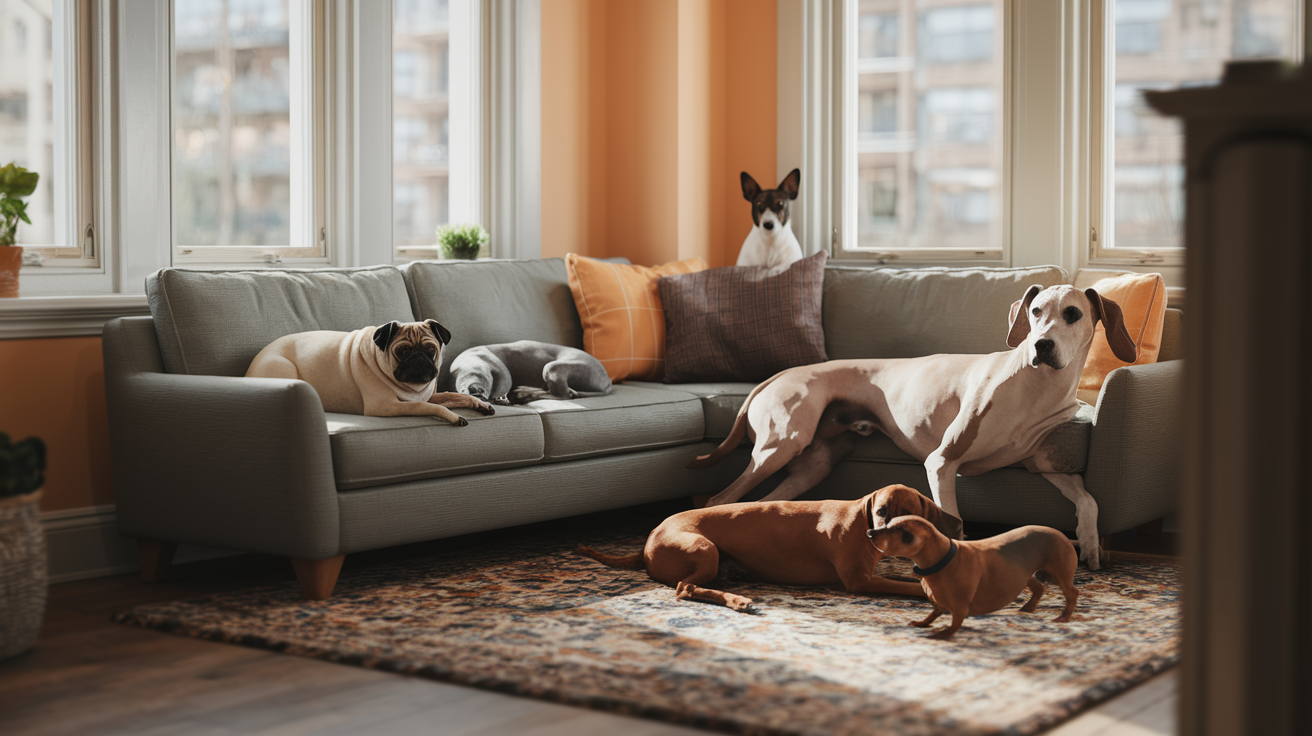
“Low maintenance” in an apartment means dogs that adapt to small spaces without crazy energy, constant noise, or grooming that eats your weekends. These breeds fit tight quarters because they’re happy to sleep most of the day, don’t need endless brushing or trips to the groomer, and won’t have your neighbors banging on the wall at 2 AM. The trade off is simple. Less fur everywhere, fewer walks, calmer behavior indoors.
Size doesn’t tell you everything. A Chihuahua can be way more work than a Great Dane if the Chihuahua won’t stop barking and the Dane sleeps 18 hours straight. What actually matters is how much energy they burn indoors, how loud they get, and whether you can handle the grooming without blocking off your whole Saturday. A dog that entertains itself quietly while you’re on a Zoom call beats a small dog that needs your attention every five minutes.
The breeds that work best for apartments share a few things. They’re naturally calm, they’ve got short coats that don’t mat or shed like crazy, or they’re small enough that even their worst messes are manageable. Greyhounds get called “40 mph couch potatoes” because they’ll sprint at the park and then collapse on your couch for hours. Great Danes look massive, but their chill vibe and low energy make them surprisingly good apartment dogs if you can handle the food bills and occasional fur tumbleweeds that need a decent vacuum.
Pug: Small, wrinkled, curious. They’d rather nap than play most days. Quiet for the most part. Short coat means you brush them once and you’re done for the week.
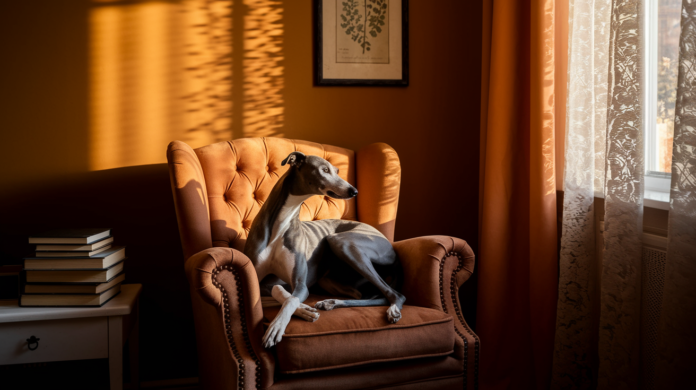
Greyhound: Big frame but zero energy indoors. Short hair, almost no grooming. They can sprint when they want to, but mostly they just want a soft couch and long naps.
Chihuahua: Tiny, easy to carry around. Short coat, barely any grooming. Affectionate but can get into trouble. They handle being alone if you give them attention when you get home.
Great Dane: Giant but gentle and calm. They’re fine on the couch all day. Barely any grooming but they eat a ton. Quiet and usually good with kids.
Dachshund: Long body, short legs. Smart, friendly, brave. Small size, doesn’t need tons of exercise. Watch their weight though, they need regular walks and a collar that fits. Can be loud, so training early helps.
Key Traits That Make Dogs Truly Low Maintenance in Apartments
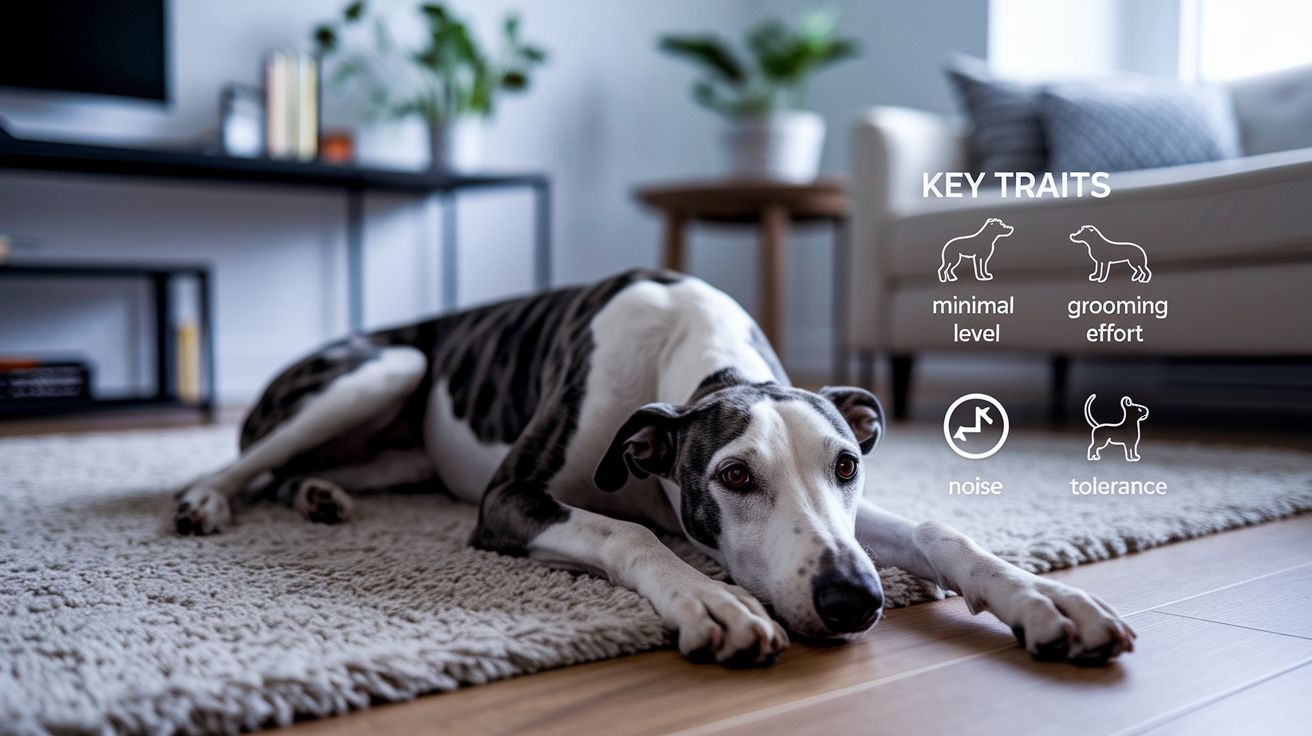
Energy level is where you start. Low energy dogs are content with one short walk and then they’re out for hours. Greyhounds and Great Danes fall into this. They don’t pace, they don’t wreck your furniture because they’re bored, they don’t need hours outside. Skip a walk for a day and a low energy dog will just sleep through it. A high energy dog will find something to destroy or bark at every noise in the stairwell.
Grooming separates the actually easy breeds from the ones that look easy but aren’t. Short haired breeds like Pugs, Greyhounds, Chihuahuas, and Dachshunds need a quick brush once a week and a bath here and there. No mats, no groomer appointments every six weeks, no hair coating every surface. Great Danes shed more than their short coat suggests, so you’ll vacuum, but you’re not spending hours untangling knots.
Barking matters when noise travels through walls and floors. Pugs are usually quiet. They’ll bark when someone knocks but they won’t lose it over footsteps in the hall. Dachshunds can be vocal, which means you train early and reward them for staying quiet. A dog that barks nonstop isn’t low maintenance, no matter how small or short haired.
Noise tolerance: Does the breed bark all the time or only when it needs to?
Space adaptability: Can the dog settle in a small living room without pacing or getting anxious?
Grooming time: How many minutes per week does coat care actually take?
Alone time tolerance: Can the dog handle a full workday without tearing things apart?
Additional Low Maintenance Apartment Friendly Dog Breeds
Beyond the usual recommendations, there are other dogs that offer low maintenance living in apartments without repeating the same care routines. These breeds expand your options if you’re looking for specific traits like coats that don’t trigger allergies, almost no noise, or grooming that takes minutes. They don’t get talked about as much, but they’re just as good for renters who want a calm, easy companion.
Some of these are naturally quieter or need even less grooming than the standard picks. Others bring unique benefits, like shedding almost nothing or fitting into schedules where you can’t commit to daily walks. If you’ve crossed off the first set because of size, coat type, or exercise needs, this fills in the gaps.
Quiet & Minimal Grooming Breeds
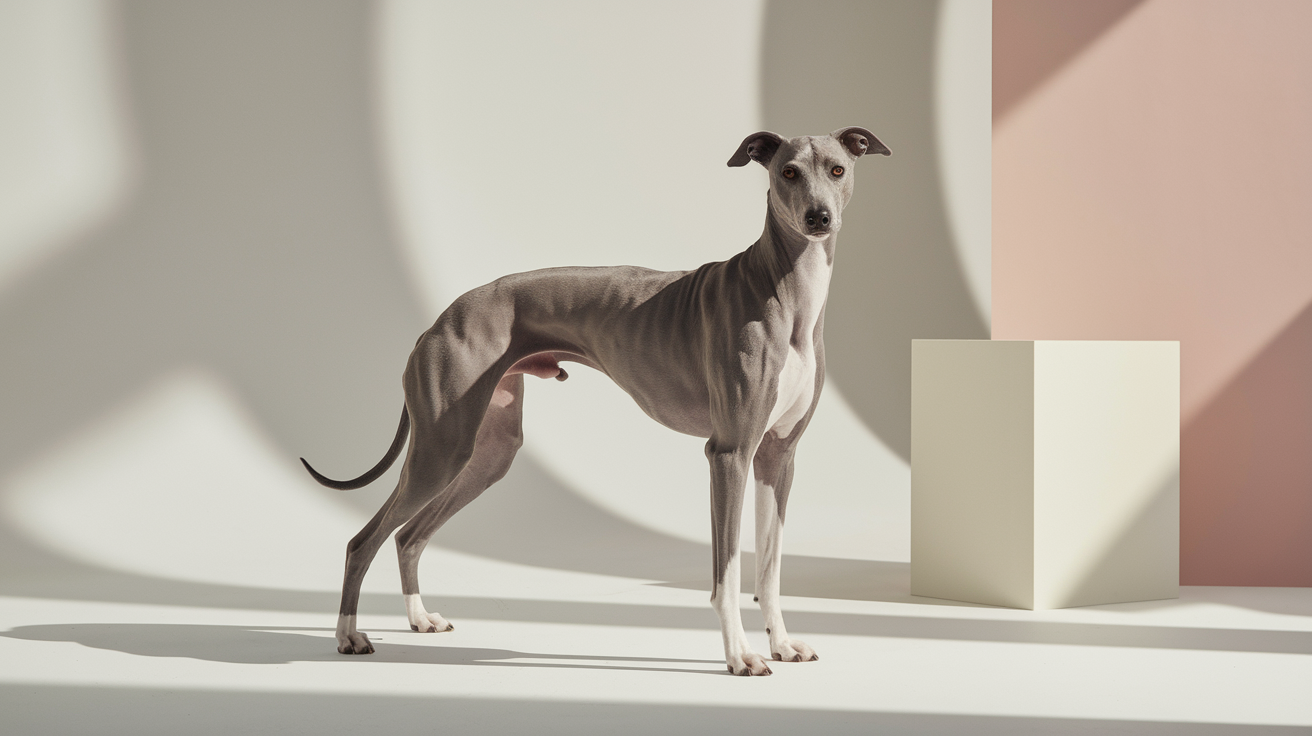
Italian Greyhound: Smaller version of the Greyhound with the same love for couches. Short, smooth coat that needs basically no grooming. Wipe them down with a damp cloth every few days and you’re done. Quiet indoors, rarely barks. They need a sweater when it’s cold because they have almost no body fat, but that’s easier than managing shedding or mats.
Basenji: Known as the “barkless dog” because it doesn’t bark like other dogs. It makes a yodel sound called a baroo. If noise is your biggest worry, a Basenji is one of the quietest you’ll find. Short coat, minimal grooming. They’re clean and kind of cat like in how they groom themselves, so less dog smell in your apartment.
Chinese Crested: Comes in two types. Hairless and powderpuff. The hairless version has almost no grooming if you manage the skin with some moisturizing now and then. The powderpuff has a soft coat that needs brushing but doesn’t shed much. Quiet, small, fits into apartment schedules.
Hypoallergenic or Low Shedding Options
Havanese: Small, coat that doesn’t shed much and won’t trigger allergies as easily. Needs regular brushing to avoid mats, but the lack of shedding means fewer allergens and less fur on your couch. Friendly, calm, adapts to small spaces. Good for owners with allergies who still want a dog.
Chinese Crested (from an allergy angle): The hairless version is one of the most allergy friendly breeds because there’s no fur trapping dander. Skin care is simpler than it sounds. Sunscreen if they’re outside for long, and a gentle wipe down to remove oils. Less mess, less sneezing, no vacuum bags stuffed with fur.
Calm Companions Requiring Limited Exercise
Shih Tzu: Bred to be a lap dog, and that’s what they do best. Calm indoors, happy with short walks. Their coat needs regular brushing or a puppy cut to keep it manageable, but their low energy and quiet personality make them easy apartment dogs. They’re not needy. They just want to be near you.
Pug (more detail): Beyond their easy grooming, Pugs are emotionally low maintenance. They’re not clingy in an annoying way. They’re happy to nap while you work, then play for ten minutes and go back to sleep. The biggest thing to watch is their breathing in hot weather, since their short noses mean they overheat faster than other breeds. Keep your apartment cool and they’re one of the easiest dogs to live with.
Comparing Low Maintenance Apartment Dogs by Care Needs
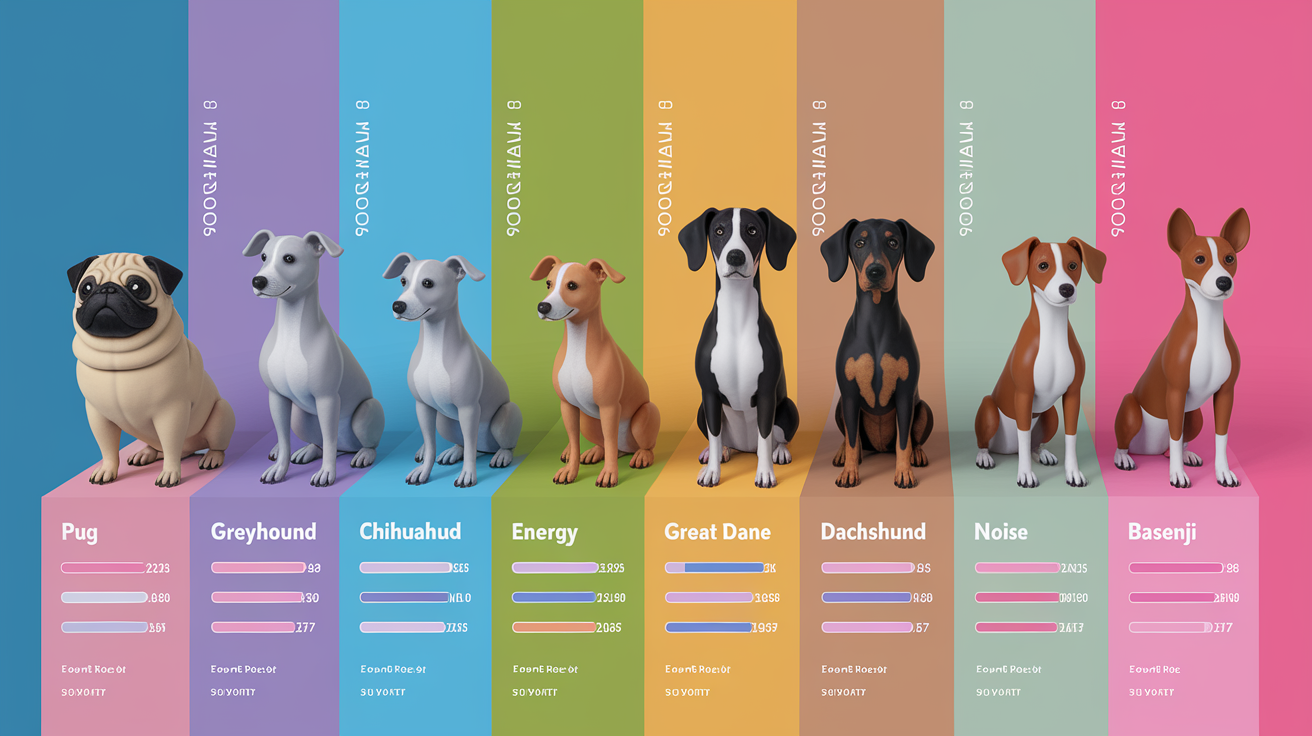
Choosing a low maintenance apartment dog gets easier when you can compare breeds side by side. The table below breaks down six key decision points. Size, energy, grooming, noise, and overall apartment fit. Use it to match your daily routine and living space to the right breed.
A dog that’s perfect for someone working from home might not work for someone gone ten hours a day. A quiet dog matters more if your walls are thin. Grooming and shedding matter more if you have allergies or dark furniture. This is where the trade offs become clear. Great Danes eat more than any small breed, but they’re calmer than most. Dachshunds are small and portable, but they can be vocal.
| Breed | Size | Energy Level | Grooming Needs | Noise Level | Ideal Apartment Fit |
|---|---|---|---|---|---|
| Pug | Small | Low-Moderate | Minimal (short coat) | Low | Great for studios and one-bedrooms |
| Greyhound | Large | Low (indoors) | Minimal (short coat) | Low | Works if you have couch space |
| Chihuahua | Very Small | Low-Moderate | Minimal (short coat) | Moderate (can be vocal) | Excellent for tight spaces |
| Great Dane | Giant | Low-Moderate | Minimal (some shedding) | Low | Calm enough for apartments despite size |
| Dachshund | Small | Low-Moderate | Minimal (short coat) | Moderate-High (training needed) | Good if you manage barking |
| Basenji | Small-Medium | Moderate | Minimal (short coat) | Very Low (barkless) | Great for noise-sensitive buildings |
If noise is your top concern, check the “Noise Level” column first. If you’ve got limited floor space, focus on “Size” and “Energy Level.” Low energy in a large dog like a Greyhound or Great Dane means they won’t pace or need constant movement. If you’re juggling a busy schedule, look at “Grooming Needs” to avoid adding weekly grooming appointments to your routine.
Daily Care Tips for Low Maintenance Apartment Dogs
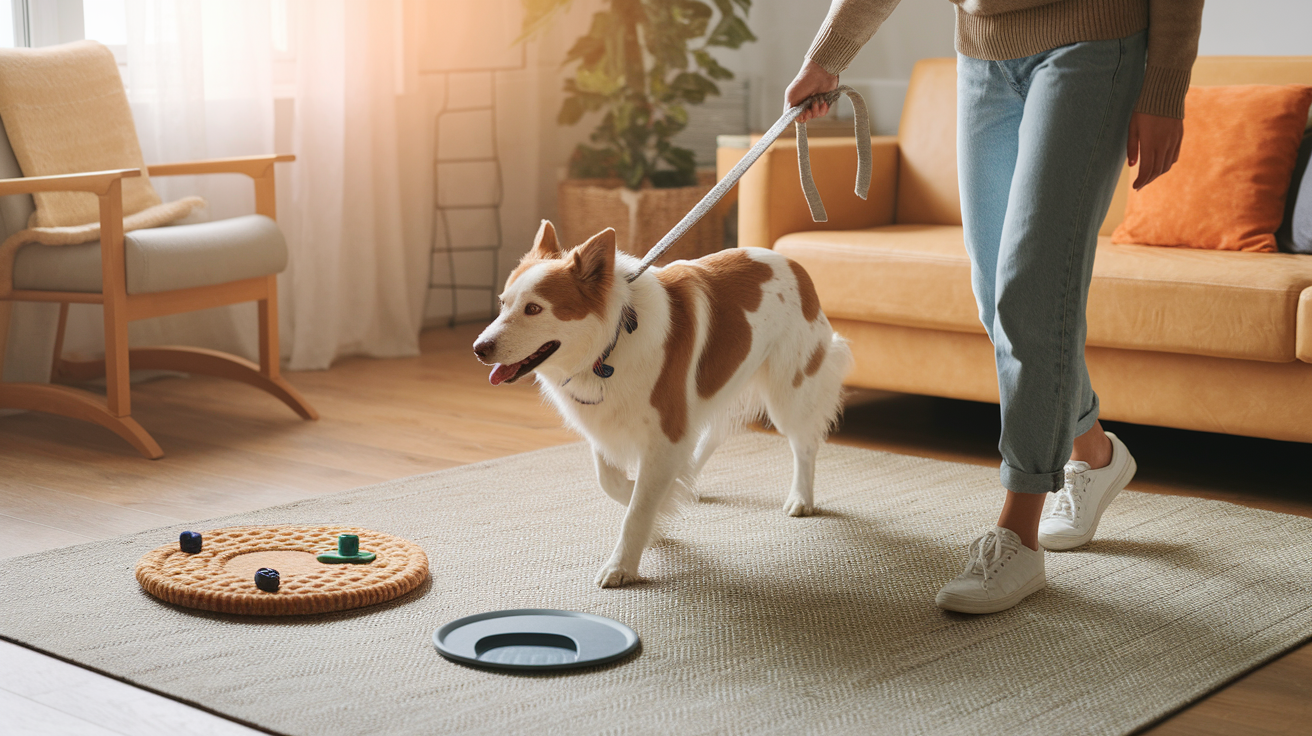
Low maintenance doesn’t mean no maintenance. Even the calmest, shortest haired dog needs a routine. The difference is the routine fits into small pockets of time. Ten minutes here, five minutes there. It doesn’t take over your schedule or require special equipment.
Start with exercise. Low energy apartment dogs need at least one short walk per day, usually 15 to 30 minutes. Greyhounds appreciate a chance to sprint in a fenced area once or twice a week, but they’re fine with a slow neighborhood loop the rest of the time. Dachshunds need regular walks to prevent weight gain, which stresses their long backs. Skip walks for two days and you’ll see restlessness or weight creep. It’s easier to stay consistent.
Indoor enrichment keeps dogs mentally tired without needing outdoor space. A snuffle mat, puzzle feeder, or frozen Kong stuffed with peanut butter can occupy a dog for 20 minutes. Low noise toys like soft squeakers or crinkle toys work in apartments where neighbors complain about constant squeaking. Rotate toys every few days so they feel new.
Potty pads or indoor grass patches help very small breeds like Chihuahuas, especially during bad weather or if you’re on a high floor with slow elevator access. Training a dog to use an indoor option takes a few weeks but saves you from multiple trips outside in the middle of the night. It’s not a replacement for walks, but it’s a practical backup.
Training to minimize barking matters in close quarters. Reward your dog when they’re quiet after a knock on the door or footsteps in the hallway. Ignore barking. Don’t yell, because that sounds like you’re joining in. Dachshunds and Chihuahuas can be vocal, so start training early with treats and calm repetition.
Walk your dog once a day for 15 to 30 minutes, adjusting for breed energy level.
Use indoor enrichment toys like puzzle feeders or snuffle mats to tire them mentally.
Brush short haired breeds once a week. Wipe down hairless breeds with a damp cloth every few days.
Train quiet behavior early by rewarding silence and ignoring unnecessary barking.
Set up a consistent potty routine, using pads or indoor grass if needed for small breeds.
Apartment Living Considerations for Low Maintenance Dogs
Before you bring a dog home, check your lease. Most apartments have pet policies that include weight limits, breed restrictions, and fees. Some buildings cap dogs at 25 or 30 pounds, which rules out Great Danes and Greyhounds even though they’re calm. Breed restrictions often target dogs perceived as aggressive, but policies vary. Ask your leasing manager for the full list before you fall in love with a breed.
Pet fees usually include a one time deposit and monthly pet rent. Common example: $300 to $600 one time fee, plus $25 to $50 per month. Pet rent covers carpet cleaning, air duct cleaning, and repairs for chew or scratch damage. Some buildings exempt caged pets like hamsters or small aquariums, but dogs always count. Budget for it. It adds up over a year long lease.
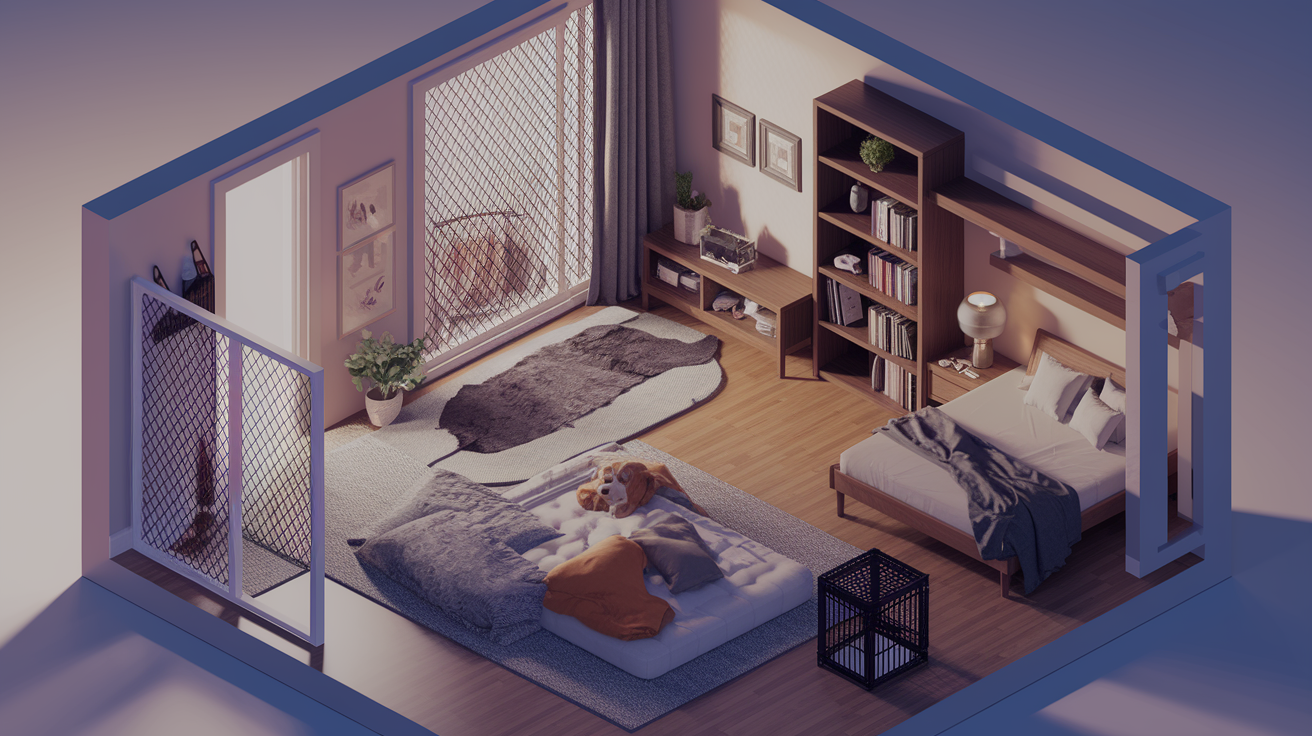
Floor space matters more than square footage. A studio with an open layout works better than a one bedroom with narrow hallways and closed off rooms. Dogs like Greyhounds and Great Danes need room to stretch out on a couch or dog bed. Small breeds like Pugs and Chihuahuas are easier to manage in tight spaces, but even they need a spot that’s theirs. A crate, a bed, or a corner with their toys.
Safety and apartment proofing prevent damage and vet bills. Balconies need secure railings. Small dogs can squeeze through gaps, and even large dogs can jump if startled. Electrical cords, trash cans, and anything chewable should be out of reach or secured. Great Danes can knock over furniture with a wagging tail, so anchor tall bookshelves and lamps.
Secure balcony railings with mesh or plexiglass if your dog is small or curious.
Move electrical cords behind furniture or use cord protectors to prevent chewing.
Use baby gates to block off rooms with hazards or to create a safe space when you’re not home.
Anchor tall furniture and remove small objects that can be swallowed or knocked over.
Adoption Options for Low Maintenance Apartment Dogs
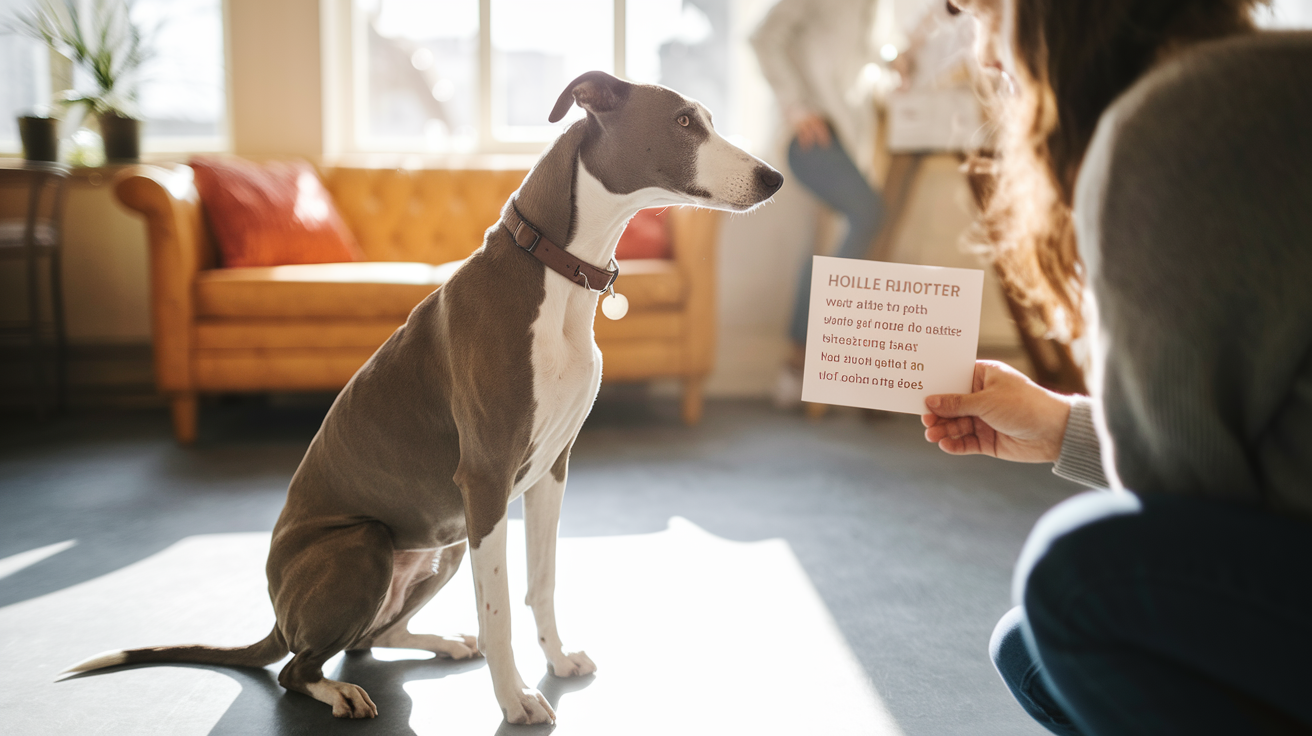
Adopting an adult dog from a shelter or rescue is one of the best ways to find a low maintenance apartment dog. Adult dogs come with established temperaments. You can see exactly how calm, quiet, and adaptable they are before you commit. Puppies are unpredictable. An adult Greyhound mix sleeping in the corner of a shelter kennel is showing you its real energy level.
Mixed breeds often combine the best traits of their parent breeds without the health issues that come from overbreeding. A Chihuahua Pug mix might be quieter than a purebred Chihuahua and sturdier than a purebred Pug. Shelter staff can tell you which dogs do well in apartments, which ones bark constantly, and which ones are house trained and crate trained. That saves you months of work.
Ask about energy level: How much exercise does this dog need? How do they behave indoors after a walk?
Ask about noise: Does this dog bark at every sound, or only when necessary? Have previous fosters or staff noticed vocal tendencies?
Ask about grooming and shedding: How often does this dog need brushing? Do they shed heavily, and is it manageable in a small space?
Final Words
You saw five top breeds: Pug, Greyhound, Chihuahua, Great Dane, Dachshund, with quick notes on grooming, exercise, noise, and why even big guys can be apartment friendly.
We also broke down the traits that matter — energy, shedding, barking, and alone time — and added extra picks like Italian Greyhound, Havanese, Basenji, and Shih Tzu. Practical daily care, lease tips, and adoption questions were included so you can act, not guess.
If your life matches the needs, low maintenance apartment dogs can be calm, low-mess companions that fit small spaces. That’s a choice you can feel good about.
FAQ
Q: What is the easiest dog to have in an apartment and what are the calmest dog breeds for apartments?
A: The easiest, calmest apartment dogs are low-energy, small or short-haired breeds like Pug, Chihuahua, Italian Greyhound, Greyhound (couch potato), Havanese, and some Shih Tzus—quiet, low-grooming, and indoor-friendly.
Q: What is the 7 7 7 rule for dogs?
A: The 7 7 7 rule for dogs isn’t one fixed standard; trainers use it differently for socializing or settling a new dog. Ask your trainer what their specific seven-segment steps mean for your pet.
Q: Which dogs can be left alone for 8 hours?
A: Dogs that can often handle eight hours alone are calm, fully house-trained adults (like some Greyhounds or Great Danes) with potty solutions and gradual alone-time training; not suitable for puppies or anxious dogs.