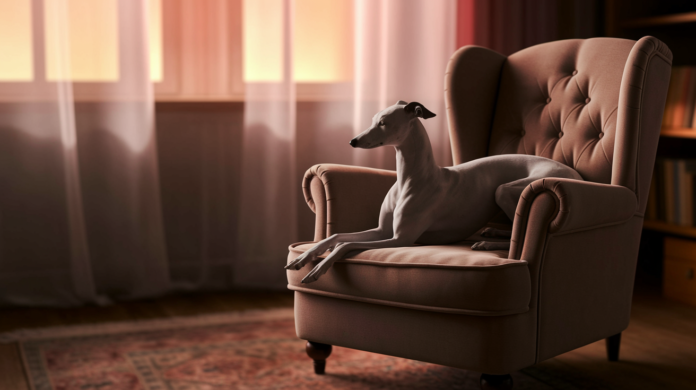

Think all apartment dogs are noisy? Not true.
Some breeds barely make a sound through thin walls, so you can have a calm companion without angry neighbors.
This guide highlights low-barking breeds—French Bulldogs, Basenjis, Greyhounds, Cavalier King Charles Spaniels, Shiba Inu, and Japanese Chin—and shows what “quiet” really looks like at home: short daily walks, low grooming fuss, and the boredom or stress that can still trigger noise.
Read on to find the breed that fits your space and the trade-offs you should budget for.
Quietest Dog Breeds Best Suited for Apartment Living
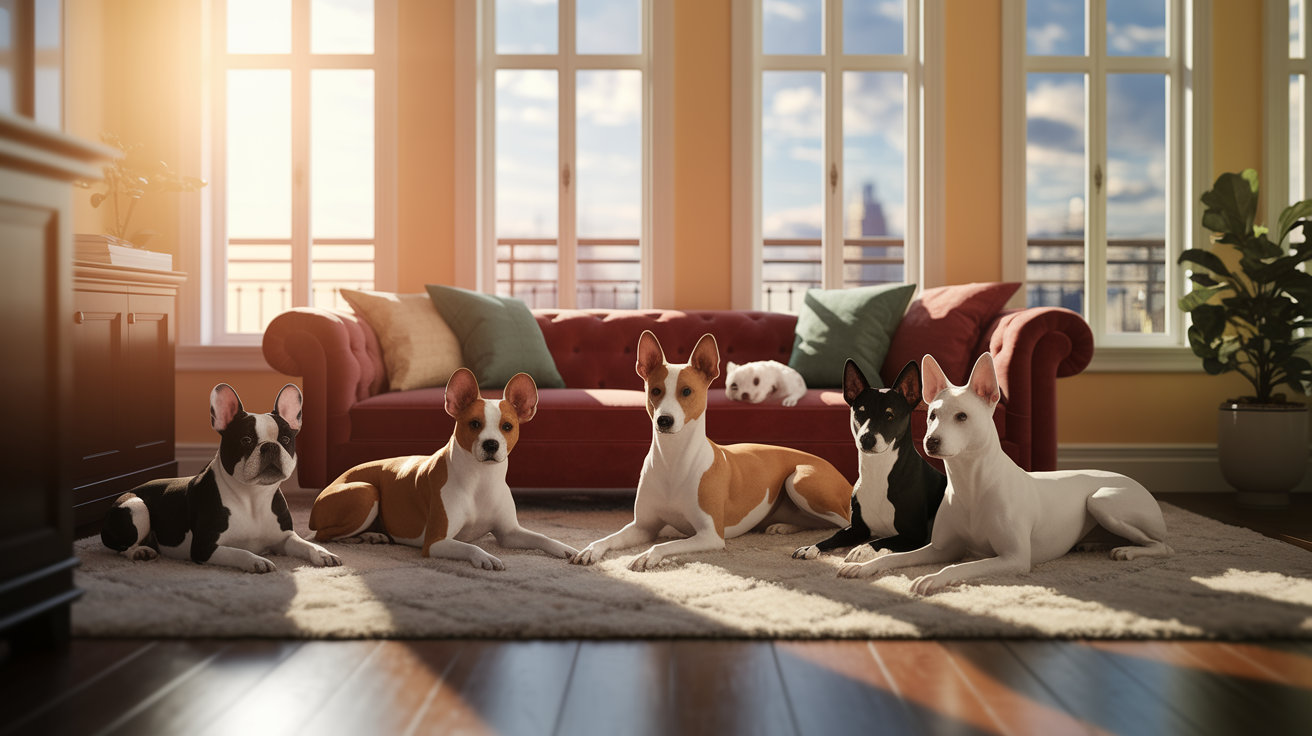
Some dogs barely bark at all, even when your neighbor’s footsteps are just a wall away. French Bulldogs, Cavalier King Charles Spaniels, Basenjis, Greyhounds, Shiba Inus, and Japanese Chins are among the lowest barking breeds you’ll find. These dogs either lack the genetic drive to vocalize constantly or they’ve got calm, settled temperaments that don’t trigger alert barking at every little sound. Most of them were developed as companion animals or coursing hounds, roles that didn’t require constant noise.
Basenjis are often called “barkless dogs.” Their larynx won’t let them produce a typical bark. Instead, they make this soft yodel called a “baroo” when they’re excited or alarmed. That sound is quieter than a full bark and way less likely to travel through apartment walls. Greyhounds surprise a lot of first time owners. Despite their size (60 to 70 pounds), they’re incredibly quiet indoors. They’d rather lounge on your couch most of the day after a short burst of exercise. French Bulldogs share that low energy, low vocalization profile. They rarely bark unless something truly unusual happens.
Cavalier King Charles Spaniels are gentle and adaptable, naturally inclined to settle calmly in small spaces. They’ll alert you to a visitor but they won’t bark out of boredom or anxiety when they’re properly exercised. Shiba Inus are more independent and less prone to attention seeking barking, though they can vocalize loudly when distressed. Japanese Chins are almost cat like in their quiet demeanor and small footprint, which makes them perfect for studio apartments.
Here are the quietest apartment friendly breeds worth considering:
French Bulldog: Low energy, minimal barking, 16 to 28 lb, happy in small spaces.
Cavalier King Charles Spaniel: Affectionate, adaptable, 13 to 18 lb, calm indoors.
Basenji: Unique “yodel” instead of bark, 22 to 24 lb, independent but quiet.
Greyhound: Surprisingly calm indoors, 60 to 70 lb, needs short daily sprint plus rest.
Shiba Inu: Independent, less attention seeking, 17 to 23 lb, moderate exercise needs.
Japanese Chin: Cat like temperament, 7 to 11 lb, minimal barking.
Whippet: Gentle and laid back, 25 to 40 lb, quiet when exercised, needs secure running space.
These breeds excel in apartment settings because they combine naturally low vocalization with temperaments that adapt well to smaller indoor spaces. Most also have moderate to low exercise requirements that fit into typical urban routines. Twenty to 45 minutes of daily walks and a little mental enrichment keep them content and quiet.
Why Some Breeds Bark Less Than Others

Barking is partly genetic and partly learned. Certain breeds were developed for jobs that rewarded silence or steady focus rather than loud alerts. Sight hounds like Greyhounds and Whippets were bred to chase prey visually, not to bay or bark during the hunt. Companion breeds like Cavaliers and French Bulldogs were selected for calm, people focused temperaments. Not guarding or herding roles that demand vocalization. Over generations, these breeds simply don’t carry the same drive to bark frequently.
Environmental sensitivity plays a role too. Dogs bred to guard territory or herd livestock tend to react vocally to movement, unfamiliar sounds, or perceived threats. Quieter breeds often have lower prey drive, slower arousal responses, and less territorial instinct. That means they’re less likely to bark at a knock on the door, a neighbor walking past, or a car alarm in the street. Training and early socialization refine these tendencies, but the baseline barking threshold is mostly genetic. A Basenji won’t suddenly become a noisy watchdog. And a Greyhound won’t develop a herding dog’s vocal alarm habit.
Here’s what makes a breed naturally quieter:
Low prey drive: Less impulse to vocalize at moving stimuli like squirrels or passing joggers.
Calm temperament: Slower to become anxious or over aroused by changes in routine or environment.
Minimal guarding instinct: No genetic push to alert or defend territory vocally.
Selective breeding for companionship: Historically rewarded for being calm indoors and around people.
Breed by Breed Guide to Noise Levels and Apartment Suitability

French Bulldog
French Bulldogs are among the quietest small breeds. They rarely bark unless something genuinely startles them. They’re low energy, affectionate, and perfectly content in apartments as small as 300 square feet if they get a short 20 to 30 minute walk each day.
Cavalier King Charles Spaniel
Cavaliers are gentle, adaptable, and social. Excellent apartment dogs for families or singles. They may alert bark once or twice when someone knocks, but they settle quickly. They don’t bark out of boredom or anxiety if they receive 30 to 40 minutes of daily exercise.
Basenji
Basenjis are often called “barkless dogs” because their larynx prevents typical barking. Instead, they produce a soft yodel when excited. They’re intelligent, independent, and need 30 to 45 minutes of exercise plus mental enrichment daily to stay calm indoors. Ideal for owners who can provide structure and secure outdoor time.
Greyhound
Greyhounds are large but remarkably quiet and laid back indoors. They spend most of the day napping on soft furniture. They need one good 30 to 45 minute walk or a short sprint in a safe area each day. After that, they’re completely content to lounge in even a modest sized apartment.
Japanese Chin
Japanese Chins are small, aristocratic, and almost cat like in their quiet demeanor and low exercise needs. At 7 to 11 pounds, they fit comfortably in studio apartments and rarely bark unless startled. Perfect for noise sensitive buildings.
Shiba Inu
Shiba Inus are independent and less prone to attention seeking barking than many small breeds. They’re naturally clean, moderate in energy, and adapt well to apartment life with 30 to 40 minutes of daily exercise. Though they can vocalize loudly when distressed, a sharp “Shiba scream” that’s rare but unmistakable.
Managing Noise and Preventing Barking in Apartments

Even naturally quiet breeds will bark if they’re bored, under exercised, or anxious. Proactive management prevents most nuisance barking before it becomes a pattern. Here’s what works:
Establish a consistent daily routine for feeding, walks, and crate time so your dog knows what to expect and feels secure.
Provide 20 to 45 minutes of physical exercise daily depending on breed energy level. Bored dogs bark more.
Add 15 to 30 minutes of mental enrichment each day through puzzle toys, scent games, or short training sessions.
Desensitize your dog to common triggers like doorbells, hallway sounds, or visitors by practicing calm responses during training sessions.
Use white noise machines or soft music to mask hallway and street sounds that might trigger alert barking.
Set clear boundaries with a “quiet” cue and reward silence immediately. Train this for 5 to 10 minutes daily until it’s reliable.
Preventing boredom is the single most effective noise reduction strategy. A tired dog with a full routine and predictable day to day structure simply has less reason to bark. Most nuisance barking in apartments comes from dogs who are under stimulated, not from breeds that are naturally noisy. If your Greyhound or French Bulldog starts barking more than usual, the first question to ask is whether they’re getting enough exercise and attention. Not whether the breed is suddenly “too loud” for apartment life.
Choosing the Best Breed for Your Apartment Lifestyle

Your daily schedule and building rules matter more than breed reputation alone. If you work long hours and can’t walk a dog twice a day, even a quiet breed like a Greyhound won’t thrive. If your lease prohibits dogs over 30 pounds, that eliminates Greyhounds entirely, no matter how quiet they are. Start by listing your non negotiables: noise level, size limit, grooming tolerance, and how much time you can spend on exercise and training each day. Then match those needs to a breed’s actual requirements, not just its reputation.
A French Bulldog might be perfectly quiet, but if you live in a hot climate without air conditioning, the breed’s heat sensitivity becomes a bigger problem than noise. A Basenji may bark rarely, but if you’re not home for most of the day and can’t provide mental enrichment, that independence can turn into destructive boredom. The best apartment dog for you is the one whose exercise, grooming, and temperament needs fit your real life. Not the one that looks best on paper.
| Breed Name | Noise Level | Exercise Needs | Apartment Rating |
|---|---|---|---|
| French Bulldog | Very Low | 20–30 min/day | Excellent |
| Greyhound | Very Low | 30–45 min/day | Excellent |
| Cavalier King Charles Spaniel | Low | 30–40 min/day | Excellent |
| Basenji | Very Low (yodel) | 30–45 min/day | Good |
Final Words
You ran through the quietest apartment-friendly breeds, why some dogs bark less, a breed-by-breed noise check, and practical ways to reduce barking in small spaces.
We looked at Frenchies, Cavaliers, Basenjis, Greyhounds, Japanese Chins, and Shibas — how loud they tend to be, their temperament, and how they handle indoor life.
If you want a calm, neighbor-friendly companion, compare energy, grooming, and alone-time tolerance to narrow choices.
Choosing from non barking dog breeds for apartments is doable and worth it.
FAQ
Q: What is the quietest dog for an apartment?
A: The quietest dog for an apartment and the least barky breeds are often French Bulldogs, Basenjis, Greyhounds, Cavalier King Charles Spaniels, and Japanese Chins, each tending to vocalize little and suit small spaces.
Q: What is the 3 bark rule?
A: The 3 bark rule means waiting until a dog barks three times before intervening, so you avoid rewarding attention-seeking barks and teach quieter behavior through consistent responses.
Q: What is the no. 1 lazy dog?
A: The number one lazy dog is often the Greyhound, which spends most days lounging indoors but still needs short daily walks and occasional sprinting in a secure area.