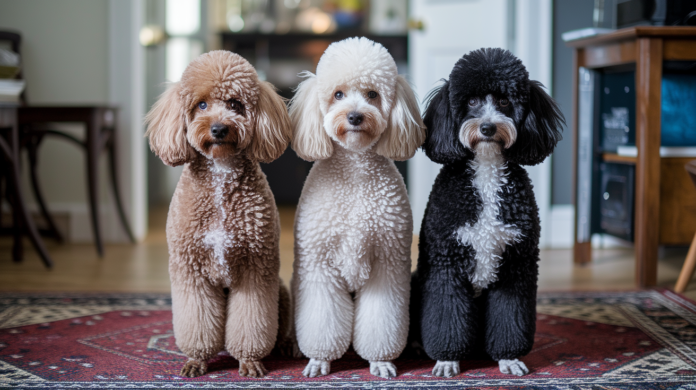

Want a smart, low‑shedding family dog—or a daily grooming project?
Poodles often give you both.
They’re bright, deeply people‑oriented, and usually easier on allergy noses, but they demand daily mental work, brushing, and pro grooming every 4–8 weeks.
They bond fiercely with families but can get anxious, loud, or destructive if bored or left alone.
This post gives a clear, decision‑focused breakdown of poodle pros and cons so you can answer: is a poodle the right fit for your home, kids, schedule, and budget?
A Clear Breakdown of Poodle Breed Pros and Cons for Decision‑Makers
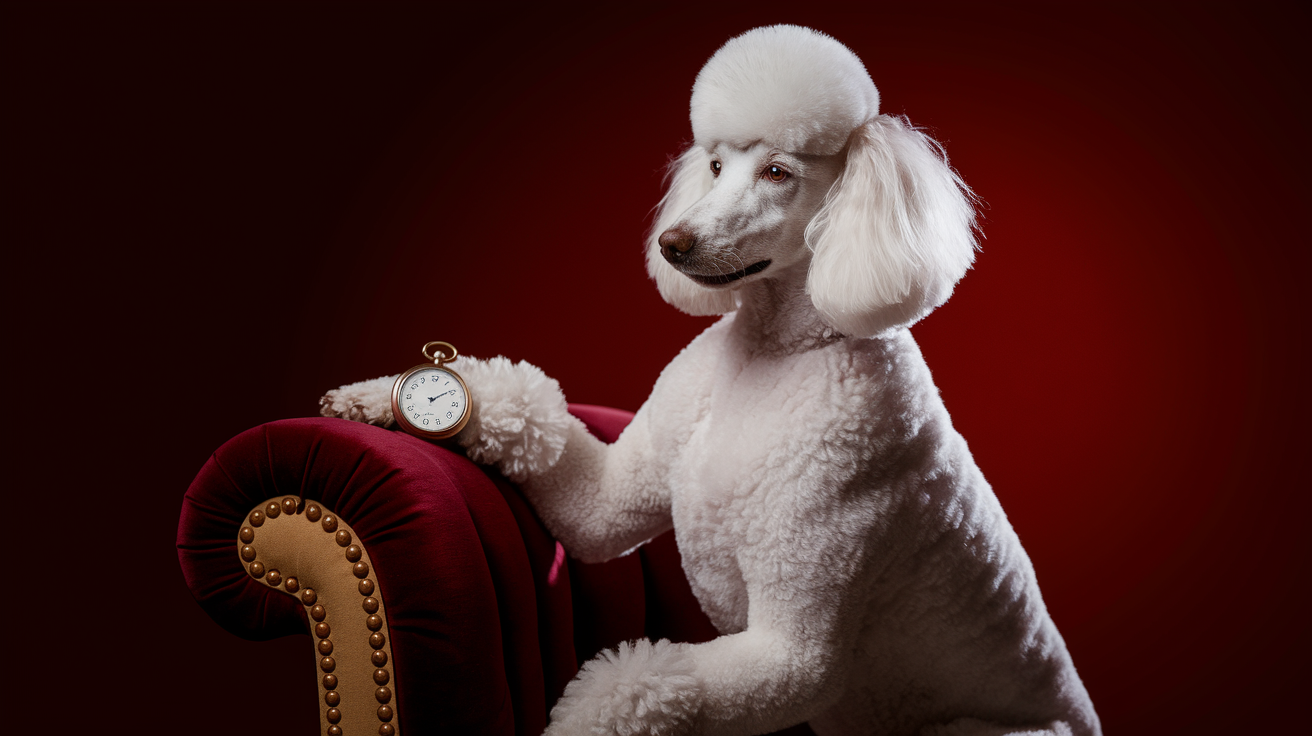
Poodles pack a rare mix of smarts, trainability, and that low shedding coat people with allergies love. Their history as water retrievers and circus performers shaped them into eager learners who thrive in obedience work, service roles, and dog sports. But here’s the thing. These traits come with expectations. Your poodle needs steady mental work, daily grooming, and real human connection to stay balanced.
The trade offs show up fast when you look at everyday life. That coat might be kinder to allergy sufferers, but you’re booking professional grooming every 4 to 8 weeks and brushing at home daily. Their intelligence makes training smooth. Boredom, though? That triggers digging, barking fits, or chewed furniture within hours. They bond deeply with their families because of emotional sensitivity, but that same trait means they’re vulnerable to stress behaviors and separation anxiety during long solo stretches.
Poodle Breed Pros:
- Low shedding hair coat that traps loose strands, cutting down on airborne dander in your home.
- High trainability. Most learn basic commands in 4 to 8 weeks with consistent positive reinforcement.
- Excellent with children when socialized properly, making them flexible family dogs.
- Strong fit for service, therapy, and volunteer work thanks to size options and temperament.
- Long lifespan compared to many breeds. 10 to 13 years for Standards, 12 to 15 for Miniatures, 12 to 16 for Toys.
- Adaptable to apartments and houses as long as you meet exercise and enrichment needs.
- Versatile athletes. They excel in agility, obedience trials, flyball, and scent work.
- People oriented personality that craves attention and forms deep family bonds.
- Available in three recognized sizes, letting you match fit to your living situation and mobility needs.
- Historically proven work ethic. Bred for water retrieval, circus performance, and companionship over 400 years.
Poodle Breed Cons:
- High grooming frequency. Professional clip every 4 to 8 weeks plus daily brushing at home to prevent matting.
- Grooming costs can hit $480 to $810 or more per year depending on size, region, and style.
- Heavy mental stimulation requirements. At least 30 minutes daily of training, puzzles, or enrichment activities.
- Prone to separation anxiety and destructive behaviors when left alone for long periods.
- Emotional sensitivity can trigger stress related gastrointestinal issues and neurotic behaviors in chaotic homes.
- Higher purchase price. $800 to $3,000 or more for pet quality puppies. Show or rare lines often exceed $4,000.
- Breed specific health risks include progressive retinal atrophy, hip dysplasia, patellar luxation, Addison’s disease, and bloat.
- Not ideal for very young children, especially Toy size, due to fragile frame and startle responses.
- Require consistent socialization during the 3 to 16 week puppy window to prevent wariness around strangers.
- Time commitment. Exercise ranges from 20 to 40 minutes daily for Toys up to 60 to 120 minutes for Standards.
Size variety itself changes how you experience these pros and cons. A Standard Poodle at 40 to 70 pounds gives you the athleticism for jogging partners and mobility assistance service roles, but grooming sessions take longer and hip dysplasia screening becomes more important. Miniature Poodles (12 to 20 pounds) balance moderate exercise needs with lower physical fragility, fitting well in active apartments. Toy Poodles (4 to 8 pounds) adapt to smaller spaces and travel easily, yet their delicate build and higher sensitivity make them less suitable for households with loud toddlers or frequent noise. Each size shares the breed’s intelligence and grooming demands. The physical and behavioral intensity just scales with body weight and energy output.
Poodle Breed Characteristics That Shape Their Pros and Cons

Poodles started in Germany as water retrievers. The name comes from “pudelin,” meaning splashing in water. Their history spans over 400 years, shifting from gun dog work to circus performers valued for quick learning and showmanship, and finally to companion animals bred for temperament and size variety. Standard Poodles handled the original water retrieval role. Miniature and Toy sizes came later. Toy Poodles emerged in the early 20th century in the United States specifically for companionship. This shift from working dog to entertainer to household pet explains why modern poodles combine high intelligence, people focus, and adaptability with a strong need for mental engagement and social connection.
The poodle’s single curly coat is hair, not fur. It grows continuously rather than cycling through seasonal shedding phases. Shed strands get trapped in the dense curls instead of landing on floors and furniture, which cuts down on airborne dander spread and makes poodles a better match for many people with dog allergies. Texture varies slightly by individual. Some poodles have tighter corkscrews, others looser waves. All require regular work to prevent matting. Without daily brushing, trapped hair forms knots close to the skin that cause discomfort, skin irritation, and expensive emergency grooming sessions.
Body structure differences by size create distinct lifestyle implications. Standard Poodles typically weigh 40 to 70 pounds and stand over 15 inches at the shoulder, giving them the strength and stamina for long hikes, running alongside bikes, and performing physical service tasks like mobility assistance. Miniature Poodles weigh 12 to 20 pounds and measure up to 15 inches, offering moderate energy and a sturdier build than Toys while still fitting comfortably in apartments. Toy Poodles weigh 4 to 8 pounds and stand no more than 10 inches, making them highly portable and suitable for travel. Their delicate frame means accidental falls, rough play, or being stepped on can result in fractures. Training expectations remain high across all sizes. Poodles of any weight learn quickly. But exercise duration, feeding portions, and injury risk all shift with body mass.
The Hypoallergenic Advantage and Coat‑Care Trade‑Offs in Poodles

Poodles shed less visibly than double coated breeds because their hair grows in a continuous cycle and shed strands remain tangled in the coat rather than spreading into the environment. This reduces the spread of dander, those tiny flakes of skin that carry the proteins most allergy sufferers react to. No dog is completely allergen free. Poodles produce fewer airborne particles in typical home conditions, which can mean fewer sneezing episodes, less itchy eyes, and reduced need for daily vacuuming compared to breeds with seasonal undercoat blow outs.
That hypoallergenic benefit comes with a grooming contract. The same curly coat that traps dander also traps dirt, debris, and dead hair, forming mats within days if left unattended. Allergen proteins are still present in saliva, urine, and skin oils, so even a well groomed poodle will trigger reactions in people with severe dog allergies. Just at lower levels than many other breeds.
Common Grooming Tasks for Poodles:
- Daily brushing with a slicker brush and metal comb to prevent mats, spending 10 to 20 minutes per session depending on coat length.
- Bathing every 2 to 4 weeks or after dirty outings, using dog specific shampoo to avoid stripping natural oils.
- Professional grooming every 4 to 8 weeks for full body clipping, nail trimming, ear cleaning, and sanitary trim.
- Ear care after baths and between grooming appointments. Remove excess ear hair and clean with vet approved solution to prevent infections.
- Teeth brushing or daily dental chews to manage plaque buildup, especially important in Toy and Miniature sizes prone to dental disease.
- Regular nail trimming, about once a month if nails aren’t naturally worn down during outdoor activity.
| Size | Groom Frequency | Brushing Needs | Risk of Matting |
|---|---|---|---|
| Standard | Every 6–8 weeks | Daily, 15–25 minutes | Moderate to high if coat kept long; lower with short puppy clip |
| Miniature | Every 4–6 weeks | Daily, 10–15 minutes | High in friction areas (armpits, behind ears); manageable with routine care |
| Toy | Every 4–6 weeks | Daily, 10–15 minutes | Very high due to fine texture and small body; mats form quickly if brushing skipped |
Even with a short “puppy cut” style, skipping more than two days of brushing can create small mats that turn into larger tangles. Longer show clips like the continental cut require even more frequent attention and are rarely practical for pet owners. Budget grooming time and costs before committing. This is the part people underestimate.
Understanding Poodle Training Strengths and Behavioral Challenges

Poodles rank among the top breeds for working and obedience intelligence, consistently learning new commands in fewer repetitions than most other dogs. Where many breeds require 25 to 40 repetitions to reliably respond to a cue like “sit” or “stay,” poodles often get it in fewer than five. This rapid learning made them stars in early 20th century circus acts, performing complex tricks and routines that required precise timing, memory, and focus. That same capacity makes them excellent candidates for service work, therapy visits, competitive obedience, and advanced dog sports like agility and scent detection.
The socialization window between 3 and 16 weeks is especially important for poodles. During this period, positive exposure to different people, children, dogs, environments, sounds, and surfaces shapes their adult confidence and reduces the likelihood of fear based reactivity. Poodles who miss this window or experience harsh treatment during it can become overly cautious, wary of strangers, or prone to stress responses like excessive barking or hiding. Puppy kindergarten classes, controlled play dates, and calm introductions to household chaos all help build a well adjusted adult.
Typical Behavioral Issues Tied to Boredom in Poodles:
- Excessive barking at every sound, visitor, or movement outside the window.
- Destructive chewing on furniture, baseboards, shoes, or remote controls.
- Digging in yards or indoor potted plants as an outlet for unused energy.
- Neurotic pacing, circling, or repetitive behaviors like tail chasing.
- Stress related gastrointestinal upset including vomiting or diarrhea when routine changes.
Emotional sensitivity is a double edged trait. Poodles read tone, body language, and household mood closely, which speeds up training but also means they shut down or become anxious under harsh corrections or raised voices. Positive reinforcement works far better than punishment based methods. Treats, praise, play. Short, varied training sessions of 10 to 15 minutes keep their attention sharp without causing frustration. Consistency across all family members prevents confusion and the selective listening that can emerge when rules change depending on who’s home.
Poodle Exercise and Mental‑Stimulation Needs That Influence the Pros and Cons
Standard Poodles need 60 to 120 minutes of exercise per day, split between morning and evening walks, off leash play in secure areas, and interactive games like fetch or tug. Their size and athleticism make them strong candidates for jogging partners, hiking companions, and participation in canine sports. Miniature Poodles require 30 to 60 minutes daily, typically manageable with two moderate walks and some backyard or indoor play. Toy Poodles need 20 to 40 minutes, which you can cover with short neighborhood loops and active indoor fetch or hide and seek games.
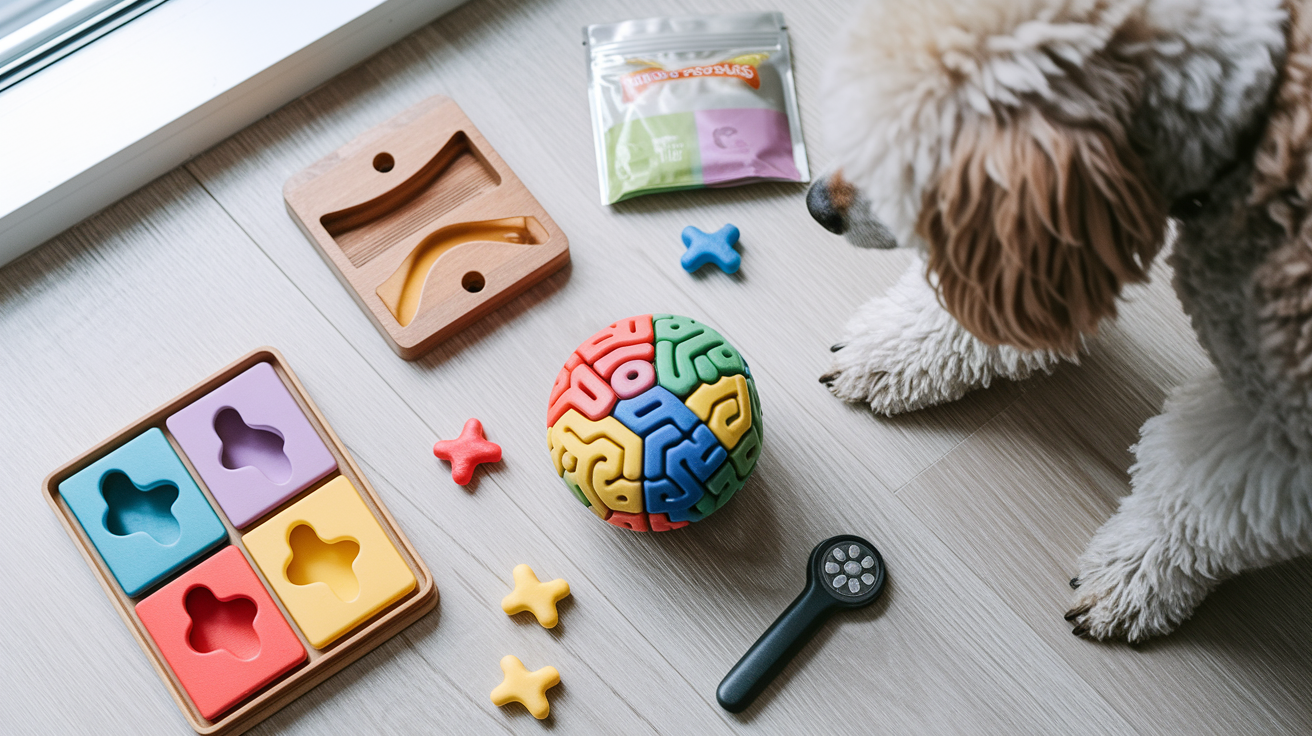
Physical exercise alone doesn’t satisfy a poodle. Mental stimulation burns energy as effectively as a long walk. Training new tricks, solving puzzle feeders, practicing scent work, or learning the names of individual toys. A 30 minute training session can leave a poodle as calm and tired as an hour of running. Without this mental outlet, you’ll often see problem behaviors emerge even in dogs who get plenty of physical activity.
Mental Enrichment Activities for Poodles:
- Puzzle feeders and treat dispensing toys that require problem solving to release kibble.
- Short trick training sessions teaching commands like “spin,” “bow,” “fetch specific items by name.”
- Scent work games. Hiding treats around the house or yard and encouraging the dog to search.
- Rotating toy selection weekly to maintain novelty and interest.
- Enrolling in structured activities like beginner agility, rally obedience, or nosework classes.
A Standard Poodle left alone in a yard without tasks will invent its own entertainment. Digging holes, barking at passersby, or pacing the fence line. A Toy Poodle stuck indoors for 10 hours with no interaction often becomes destructive or vocal. The breed’s intelligence is a pro when you’re teaching them to ring a bell to go outside or retrieve your slippers. It becomes a con when boredom turns that intelligence toward opening cabinets, unraveling toilet paper, or systematically shredding couch cushions.
Family Compatibility and Household Fit in Relation to Poodle Pros and Cons

Poodles generally do well with children when properly socialized from puppyhood, but size matters. Standard and Miniature Poodles are sturdy enough to handle the noise, movement, and occasional accidental bumps that come with young kids, making them good matches for families with school age children who understand gentle handling. Toy Poodles are more fragile. A toddler’s enthusiastic hug, a dropped toy, or a stumble can cause injury. They’re better suited to homes with older, calmer children or adults only. Supervision is essential during early interactions, and teaching children to respect the dog’s space, avoid startling approaches, and recognize stress signals (yawning, lip licking, turning away) prevents negative experiences for both the child and the dog.
Apartment living is practical for Miniature and Toy Poodles as long as daily exercise and mental enrichment needs are met. They adapt well to smaller spaces, don’t require a yard, and can be trained to use indoor potty options if building access is limited. Standard Poodles can also live in apartments, but their size and energy output mean you’ll need to commit to multiple outdoor sessions daily and plan for stairs or elevator logistics. Noise can become an issue in any size if boredom or separation anxiety triggers excessive barking. Neighbors in shared wall housing may not appreciate a reactive poodle left alone for eight hour stretches.
Multi pet households and senior owners both benefit from the poodle’s social nature and trainability. Poodles raised with other dogs or cats typically coexist peacefully, especially when introductions are gradual and positive. Their eagerness to please and moderate energy (in Miniature and Toy sizes) make them manageable for older adults who want companionship and can handle grooming commitments. Seniors should consider whether they can physically manage daily brushing and the cost of professional grooming every 4 to 6 weeks. Mobility assistance needs may favor a Standard Poodle, while lap friendly Toys suit retirees seeking a smaller, quieter companion for daily routines.
Health Considerations That Impact Poodle Breed Pros and Cons

Lifespan varies by size, with smaller poodles generally outliving larger ones. Toy Poodles commonly live 12 to 16 years, Miniature Poodles 12 to 15 years, and Standard Poodles 10 to 13 years. This longevity is a significant advantage for owners seeking a long term companion, but it also means budgeting for senior dog veterinary care, potential chronic condition management, and end of life expenses that can stretch over multiple years.
Annual veterinary checkups are recommended for all ages, with increased monitoring (every six months) starting around age 7 or 8. Early detection of common inherited conditions improves management outcomes and quality of life.
Common Inherited and Age Related Conditions in Poodles:
- Progressive retinal atrophy (PRA). Gradual vision loss leading to blindness. Symptoms often appear between ages 3 and 7. Breeders should provide DNA test results.
- Hip dysplasia. More common in Standard Poodles. Causes arthritis and mobility issues. OFA or PennHIP screening recommended before breeding.
- Patellar luxation. Kneecap slips out of place. Seen more frequently in Miniature and Toy sizes. Can require surgical correction.
- Sebaceous adenitis. Inflammatory skin condition causing hair loss and flaky skin. Typically appears in young to middle aged adults.
- Addison’s disease. Adrenal insufficiency causing lethargy, vomiting, and collapse. Manageable with lifelong medication once diagnosed.
- Bloat (gastric torsion). Life threatening stomach twist seen in deep chested Standard Poodles. Requires emergency surgery.
- Von Willebrand’s disease. Inherited bleeding disorder. Screening available through DNA testing.
- Tracheal collapse. Windpipe weakening common in Toy and Miniature sizes. Use a harness instead of collar to reduce pressure.
Preventative screening tests for responsible breeders include hip evaluations (OFA or PennHIP), cardiac exams, ophthalmologist eye clearances for PRA, patella checks, and genetic tests for von Willebrand’s and other breed specific conditions. Puppy buyers should request written proof of these clearances for both parents before committing. Juvenile screenings between 6 months and 2 years catch early onset issues, while ongoing senior monitoring after age 7 helps manage age related conditions like dental disease, thyroid imbalances, and arthritis. Regular eye exams, weight monitoring, omega 3 supplementation for skin and eye health, and daily dental care all contribute to longer, healthier lives.
Cost of Ownership and How It Shapes the Poodle Breed Pros and Cons

Grooming is the largest recurring expense after food for most poodle owners. Professional grooming every 4 to 8 weeks typically costs $40 to $120 per session depending on size, geographic region, coat condition, and style complexity. A Standard Poodle in a major city might see $90 to $120 per groom, while a Toy Poodle in a smaller town may cost $40 to $60. At an average of $60 per groom every six weeks (roughly 8 to 9 visits per year) you’re looking at $480 to $540 annually. At $90 per groom, that jumps to around $810 per year. Add home grooming supplies like slicker brushes, combs, shampoo, and nail clippers, and you’re spending an additional $50 to $150 yearly on maintenance tools.
Veterinary and training costs add up quickly in the first year. Primary puppy vaccinations run $40 to $70. Spaying or neutering typically costs $110 to $300 depending on size and clinic. Microchipping, flea and tick prevention, heartworm medication, and initial wellness exams push first year veterinary expenses to $300 to $800 or more. Puppy kindergarten or basic obedience classes range from $100 to $300 for a 6 to 10 week course. Food costs vary by size and quality. Expect $20 to $50 per month for high quality small breed kibble for Toys and Miniatures, and $40 to $80 monthly for Standards. Pet insurance averages around $266 per year for dogs without pre existing conditions, though premiums vary widely based on coverage level, deductible, and regional rates.
| Category | Typical Range | Notes |
|---|---|---|
| Puppy purchase price | $800–$3,000+ | Pet quality from reputable breeders; show or rare lines often exceed $4,000. Adoption/rescue fees $50–$400. |
| Grooming yearly | $480–$810+ | Based on 8–9 sessions at $60–$90 each; Standards and complex clips cost more. |
| Food yearly | $240–$960 | $20–$80/month depending on size and food quality. |
| Insurance yearly | $200–$400 | Average ~$266/year; varies by coverage, location, and breed size. |
Annual recurring costs (including food, routine veterinary care, grooming, supplies, and insurance) commonly range from $800 to $2,500 or more depending on size, health, and grooming choices. Unexpected health events, emergency vet visits, or specialty treatments for inherited conditions like PRA or hip dysplasia can add thousands more in individual years. The financial commitment is a con for budget conscious households, but the long lifespan and relatively low incidence of catastrophic health issues (compared to some brachycephalic or giant breeds) can make the total lifetime cost more predictable.
Poodle Size Varieties and How Each Size Changes the Pros and Cons

Choosing between Standard, Miniature, and Toy Poodles isn’t just about appearance. It’s a decision that affects exercise duration, injury risk, grooming session length, and which family members can safely handle the dog. Understanding how each size shifts the balance of pros and cons helps you match the breed to your actual daily life.
Pros Particular to Each Size:
- Standard Poodles (40 to 70 pounds). Strongest athletic ability for jogging, hiking, and dog sports. Suitable for mobility assistance service work. Sturdier with children and less fragile than smaller sizes.
- Miniature Poodles (12 to 20 pounds). Balanced energy. Active enough for daily walks but manageable in apartments. Less prone to injury than Toys. Grooming sessions shorter than Standards.
- Toy Poodles (4 to 8 pounds). Highly portable for travel and errands. Lower food and medication costs. Adaptable to very small living spaces. Easier to physically lift for seniors or people with mobility limits.
Cons Particular to Each Size:
- Standard Poodles. Higher risk of hip dysplasia and bloat. Grooming sessions take longer and cost more. Require more space for indoor activity. Stronger on leash and harder for small children or elderly owners to control.
- Miniature Poodles. More prone to patellar luxation than Standards. Can develop “small dog syndrome” if boundaries aren’t enforced. May be too energetic for very sedentary owners.
- Toy Poodles. Extremely fragile. Injury risk from falls, rough play, or being stepped on. Higher tendency toward tracheal collapse (always use a harness). More likely to develop separation anxiety and stress related behaviors. Not suitable for homes with toddlers.
Lifestyle constraints should guide size choice. If you live in a studio apartment, work from home, and want a lap dog for companionship and short neighborhood walks, a Toy or Miniature fits. If you have an active family with school age kids, a fenced yard, and time for longer hikes or runs, a Standard or Miniature offers the stamina and sturdiness you need. If you’re a senior seeking a calm companion but worried about physical handling, a Miniature balances manageability with lower fragility than a Toy. If you travel frequently by car or plane and want to bring your dog along, a Toy’s portability is a major advantage. But only if you can also provide the mental stimulation and company that prevents anxiety in such a sensitive, people focused breed.
Final Words
We laid out the poodle’s biggest wins and trade-offs: a low-shedding hair coat and top-notch intelligence, paired with frequent professional grooming, daily mental work, and emotional sensitivity that can cause stress behaviors.
You also saw how size changes the picture—Standards need more exercise and face different health risks than Toys, while Minis sit in the middle. Expect costs for grooming and regular vet screening.
Use the poodle breed pros and cons to decide if this fit matches your rhythm. They’re smart, loyal, and often worth the extra effort.
FAQ
Q: What are the disadvantages of Poodles?
A: The disadvantages of Poodles include high grooming needs (every 4–8 weeks), heavy mental stimulation requirements that cause trouble if bored, emotional sensitivity leading to separation anxiety, and some size-specific health risks.
Q: Can Poodles be left alone for 8 hours?
A: Poodles can be left alone for eight hours sometimes, but they often struggle, especially without exercise, enrichment, or crate training. Younger or anxious dogs may need breaks or a dog-walker.
Q: What is the calmest nicest dog breed?
A: The calmest nicest dog breed is subjective; breeds often cited are Cavalier King Charles Spaniels, Golden Retrievers, and some Poodles, but temperament varies, so meet individual dogs and match your family’s energy.
Q: What rank is a poodle in IQ?
A: The poodle ranks among the top breeds for working and obedience intelligence in expert lists, often placed in the top three; they’re fast learners and typically excel at training and problem-solving.