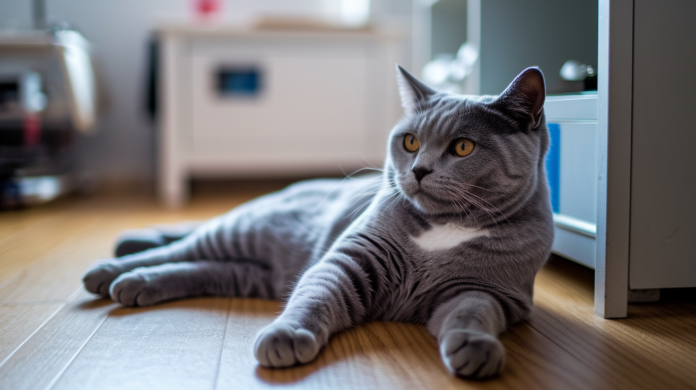

Think all cats are chatty? Think again.
If you live in an apartment with thin walls, a noisy cat can wreck peace with neighbors and your sleep.
Some breeds are naturally quiet, more body language than loud meowing.
This post points you to the best silent companions for small spaces (British Shorthair, Persian, Russian Blue, Ragdoll, Scottish Fold, Birman, Norwegian Forest).
You’ll get clear, practical takes on noise, grooming, exercise, and whether each breed fits your routine.
By the end you’ll know which cat is a yes, a no, or not right now.
Best Quiet Cat Breeds for Peaceful Apartment Living

The quietest cat breeds for apartments are British Shorthair, Persian, Russian Blue, Ragdoll, Scottish Fold, Birman, and Norwegian Forest Cat. All seven communicate more through body language and expressive eyes than loud meowing, which makes them solid picks for close neighbors and tight spaces. Adult cats from these breeds (one year or older) tend to be calm, reserved, and won’t create noise complaints or mess with your household rhythm.
These breeds stay naturally quiet because they prefer non-verbal communication over constant vocalization. Many use soft chirps, trills, or gentle purrs instead of loud meows when they want attention or food. Scottish Folds rarely meow loudly and they’re perfectly content sitting near you without demanding interaction. Russian Blues are shy and reserved, relying on subtle body language to get their needs across. Persians often use those large, expressive eyes to signal comfort or curiosity instead of vocalizing, while Maine Coons and Norwegian Forest Cats favor quiet chirping sounds over traditional meowing.
Here are the top five picks for small apartments:
- British Shorthair: calm, composed, minimal vocalization, low maintenance grooming
- Persian: extremely quiet, uses eyes to communicate, but needs daily brushing
- Russian Blue: reserved personality, soft spoken, weekly grooming only
- Ragdoll: docile, goes limp when held, quiet lap cat despite large size
- Scottish Fold: rarely meows loudly, beginner friendly, adaptable to routines
Noise Levels and Quiet Behavior Patterns in Apartment-Suitable Cats
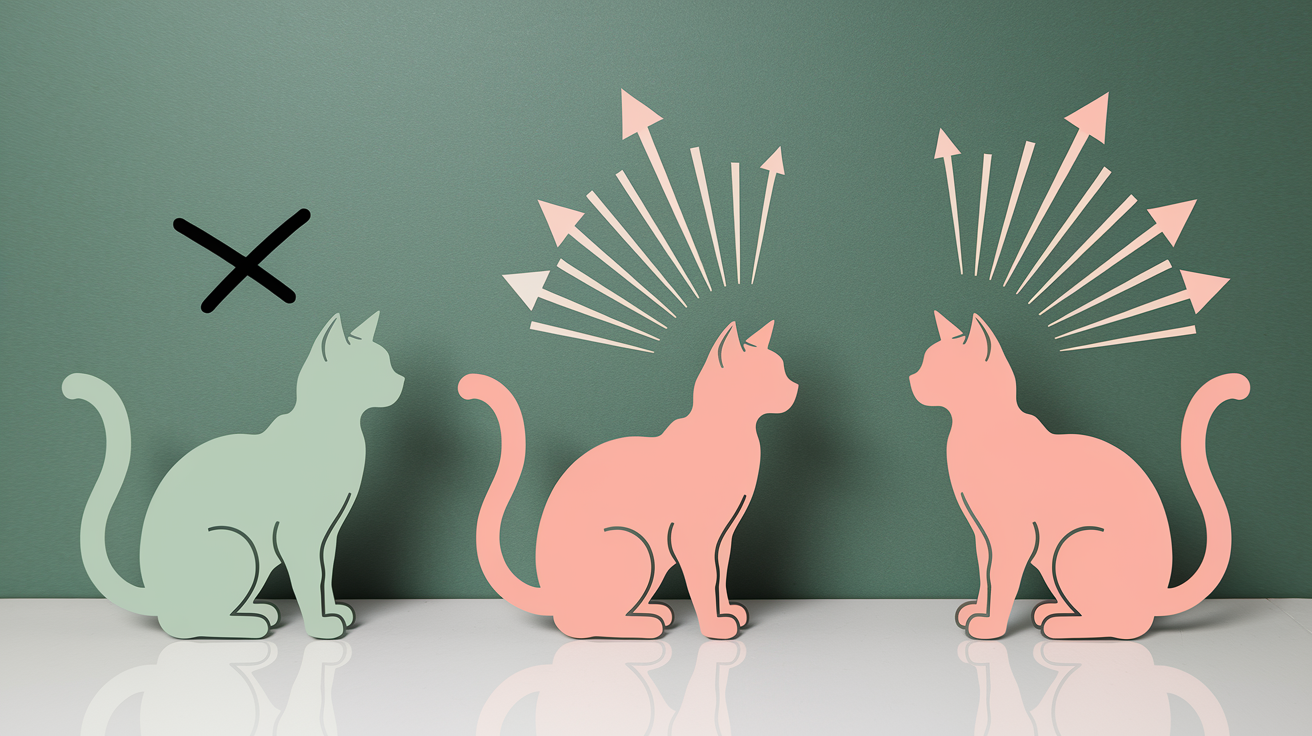
“Quiet” in cat terms means low meowing frequency, no loud yowling, and a preference for non-vocal communication like tail positioning, ear movement, and eye contact. Quiet breeds tend to be reserved, laid back, or simply wired for subtle interaction. When they do vocalize, it’s usually soft chirps, gentle trills, or brief purrs. Adult cats (one year or older) are calmer and less likely to engage in attention seeking meowing compared to kittens. That makes them safer bets for apartment living.
Some breeds vocalize less because of these patterns:
Temperament: Calm, placid breeds have lower drive to demand attention through noise.
Historical roles: Breeds developed for companionship or barn life (like American Shorthairs) weren’t bred to “talk” to humans constantly.
Communication style: Breeds that prefer body language, like Persians and Birmans, simply rely less on meowing as a tool.
Energy levels: Lower energy breeds are less likely to vocalize out of boredom or restlessness.
Detailed Quiet Breed Profiles for Apartment Living

Scottish Fold
The Scottish Fold has distinctive folded ears and a very soft spoken nature. This breed rarely meows loudly and is content to simply be in the same room without demanding interaction, which makes it excellent for owners who want an undemanding, quiet pet. Weekly brushing is enough for their short coat. They adapt well to apartment routines.
Russian Blue
Russian Blues are prized for their blue gray coat and reserved, shy personality. They’re quiet by nature and less likely to vocalize compared to more social breeds. This breed suits calm households and first time cat owners who want a low noise companion. Grooming is minimal. Weekly brushing keeps their dense coat in good shape.
British Shorthair
The British Shorthair is calm, composed, and typically low noise. They’re content to lounge on furniture and observe rather than demand attention through meowing. This breed is a strong match for serene apartment life, especially for families with small children. Their short, dense coat requires only weekly grooming, making them one of the lowest maintenance quiet breeds.
Persian
Persians are known for luxurious long fur and an extremely quiet personality. They communicate more with expressive eyes than loud vocalizations, which makes them ideal for someone wanting a silent companion. The trade off is high grooming commitment. Expect daily brushing to prevent mats and manage shedding. Persians have very low activity levels and are sometimes described as “furniture with fur.”
Norwegian Forest Cat
The Norwegian Forest Cat is large, majestic, and very quiet. This breed tends to use soft chirps and trills rather than loud meows when interacting with people. Norwegian Forests are gentle and patient with children but require more space due to their size. Grooming needs are moderate. Brush several times per week to manage their long coat and seasonal shedding.
Maine Coon
Maine Coons are one of the largest domestic cat breeds, but they’re friendly and generally quiet. They often make soft chirping sounds when interacting with humans instead of traditional meowing. Despite their calm demeanor, their large body size means they need more physical space, vertical climbing options, and regular grooming (several times per week) to control shedding.
Birman
Birmans have a striking appearance with color point markings and a gentle, soft spoken nature. They often follow owners around the apartment and use subtle body language more than loud vocalizations to communicate. Birmans are affectionate without being clingy, which makes them apartment friendly. Their semi-long coat requires brushing several times per week.
| Breed | Noise Level | Grooming Frequency | Size | Space Needs |
|---|---|---|---|---|
| Scottish Fold | Very low | Weekly | Medium | Low |
| Russian Blue | Low | Weekly | Medium | Low |
| British Shorthair | Very low | Weekly | Medium-large | Low |
| Persian | Very low | Daily | Medium | Low |
| Norwegian Forest | Low | Several times weekly | Large | Moderate |
| Maine Coon | Low | Several times weekly | Large | Moderate |
| Birman | Low | Several times weekly | Medium | Low |
Comparing Quiet Breeds vs Talkative Breeds for Apartments
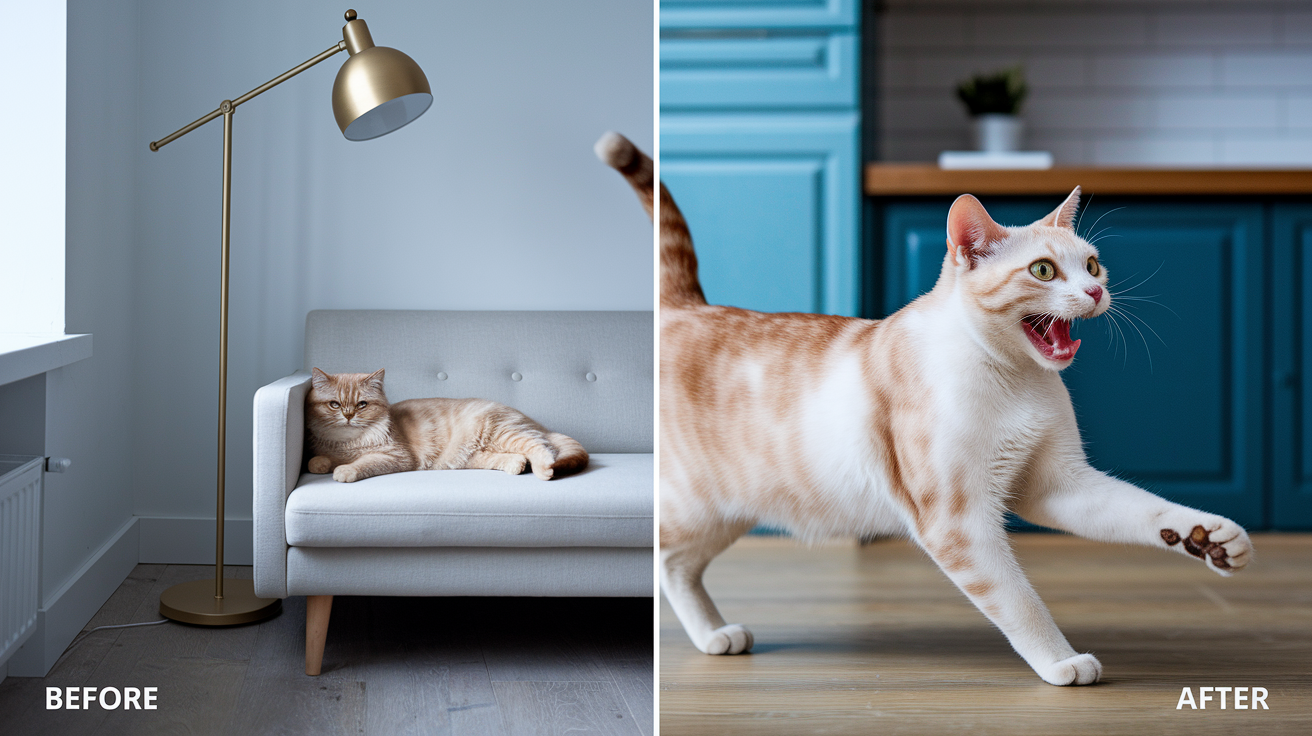
Not all cat breeds are suited to close neighbor living. Some breeds are naturally chatty, vocal, or high energy, which can lead to noise complaints or disrupted routines in apartments. Siamese cats are famously talkative and will meow loudly to express opinions, ask for food, or demand attention. Bengals are energetic and can be noisy during play, and some Russian Blues (despite being generally quiet) enjoy active games like fetch that result in more vocalization and movement. If you live in an apartment with thin walls or shared hallways, these breeds can become a mismatch.
Quiet breeds like British Shorthairs, Persians, and Birmans use body language and soft sounds instead of constant meowing. They’re less likely to yowl at dawn, demand interaction loudly, or create disturbances during evening hours. Choosing an adult cat (one year or older) also reduces the risk of loud, attention seeking behavior common in kittens.
Breeds that tend to be more vocal or active in apartments:
Siamese: Talkative, opinionated, loves to “converse” with owners.
Bengal: High energy, playful vocalizations, can be loud during activity.
Oriental Shorthair: Closely related to Siamese, equally chatty and social.
Space Requirements and Apartment Adaptability of Quiet Cats

Quiet cats still need physical space and environmental setup to stay calm and content. Larger quiet breeds like Maine Coons and Norwegian Forest Cats require more room for stretching, climbing, and moving around despite their low noise levels. In small apartments, vertical space becomes critical. Install cat trees, wall mounted perches, or shelving units to give bigger cats room to explore without feeling cramped. Lack of space can lead to stress behaviors like scratching furniture, pacing, or increased vocalization.
Adult cats (one year or older) adapt better to apartment life because their energy levels have stabilized and their temperament is predictable. Quiet breeds benefit from designated hiding spots, cozy beds, and access to windows for outdoor viewing. British Shorthairs, Persians, and Ragdolls are especially tolerant of smaller spaces because they’re naturally low energy and prefer lounging over constant movement.
Apartment setup tips for quiet cats:
Provide multiple vertical perches or a tall cat tree to maximize usable space.
Place scratching posts near favorite lounging spots to reduce furniture damage.
Install window perches or secure a small catio for safe outdoor viewing.
Rotate hiding spots and cozy beds to give cats variety without adding clutter.
Grooming Needs and Maintenance Levels of Quiet Cat Breeds

Grooming commitment varies widely across quiet breeds and directly affects how much time you spend managing shedding and mats in a small apartment. Persian cats require daily brushing because their long, luxurious coat tangles easily and sheds heavily. Skipping grooming for even a few days can lead to painful mats and increased fur on furniture and floors. Maine Coons, Norwegian Forest Cats, and Birmans also have long or semi-long coats but require brushing several times per week rather than daily. These breeds shed seasonally, so expect heavier grooming during spring and fall.
Short haired quiet breeds like British Shorthairs and Russian Blues need only weekly grooming. Their dense coats shed moderately year round, but a quick brush once per week keeps loose fur under control and reduces allergens in your apartment. Scottish Folds also fall into the low maintenance grooming category. If you want a quiet cat but have limited time for grooming, prioritize short haired breeds.
Grooming frequency categories:
Daily grooming: Persian (long coat, heavy shedding, high mat risk).
Several times weekly: Maine Coon, Norwegian Forest, Birman (long/semi-long coats, seasonal shedding).
Weekly grooming: British Shorthair, Russian Blue, Scottish Fold (short dense coats, moderate year round shedding).
Low maintenance: Exotic Shorthair (short coat, minimal grooming despite being related to Persians).
Daily Care, Exercise, and Mental Enrichment for Quiet Apartment Cats
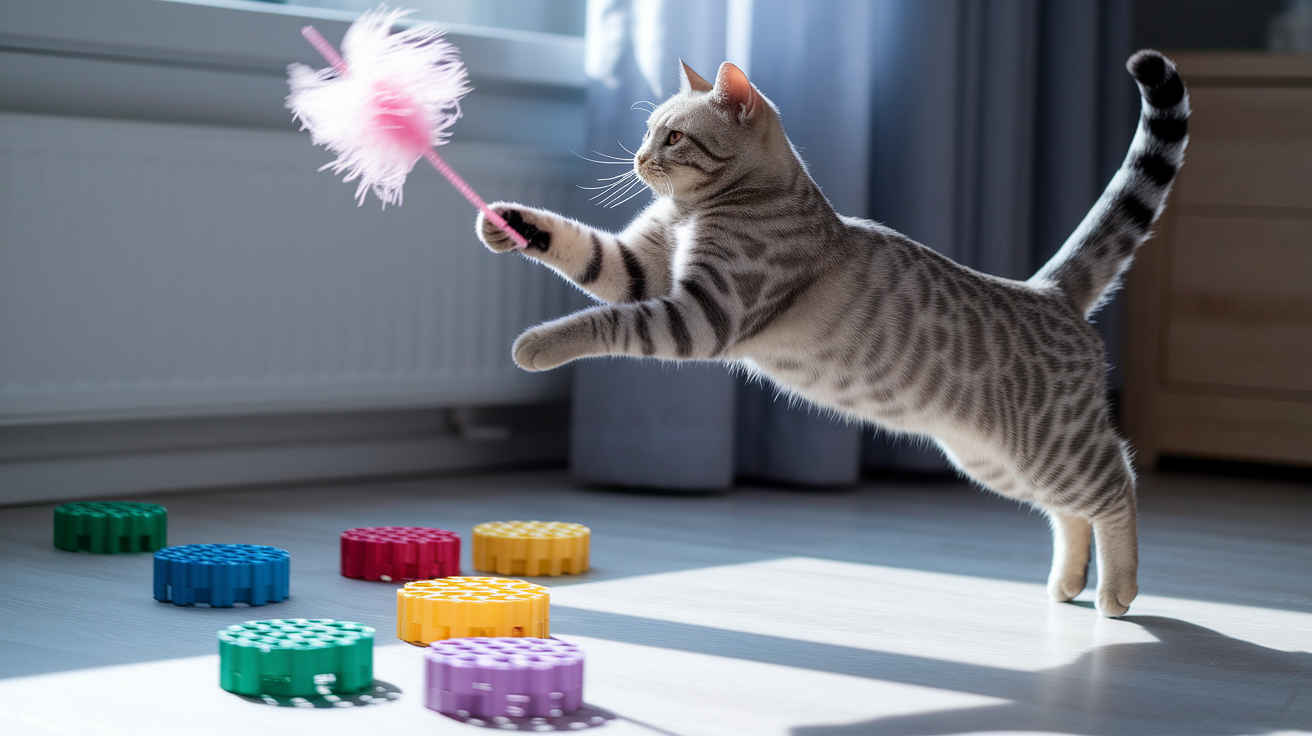
Quiet breeds are low to moderate energy, but they still need daily interactive play to stay healthy and prevent boredom. Plan for 10 to 20 minutes of active play each day, split into two sessions if possible. Use wand toys, laser pointers, or feather teasers to encourage movement and mental engagement. Even low energy breeds like Persians and British Shorthairs benefit from short bursts of play. It keeps weight under control and reduces the risk of attention seeking vocalization later in the day.
Environmental enrichment is just as important as exercise. Rotate toys weekly to maintain novelty and interest. Puzzle feeders slow down eating and provide mental stimulation, especially for indoor cats at higher risk of obesity. Window perches let cats watch birds, people, and outdoor activity without leaving the apartment. Scratching posts satisfy natural scratching impulses and reduce furniture damage. Adult cats (one year or older) are calmer and easier to entertain with simple, consistent routines.
Enrichment ideas for quiet apartment cats:
Install a window perch with a view of street activity or bird feeders.
Use treat dispensing puzzle toys to slow down meals and add mental challenge.
Provide multiple scratching surfaces (vertical posts, horizontal pads, sisal, carpet).
Rotate wand toys, crinkle balls, and small plush toys every week.
Set up a small, secure catio or screened balcony for safe outdoor time.
Choosing the Right Quiet Cat for Your Apartment Lifestyle

When choosing a quiet cat, prioritize temperament and care commitment over “quietness” alone. Adult cats (one year or older) have predictable, stable temperaments and are less likely to surprise you with loud or hyperactive behavior compared to kittens. Shelters and rescue organizations often have calm adult cats available for adoption, and you can observe their noise level and personality before bringing them home. Ask shelter staff about the cat’s vocal habits, energy level, and any known preferences for alone time or social interaction.
Consider grooming commitment and size alongside quietness. Longhaired breeds like Persians and Maine Coons are silent companions, but they require daily or frequent grooming and shed heavily. Large breeds like Maine Coons and Norwegian Forest Cats need more physical space, vertical climbing options, and larger litter boxes despite being quiet. If you’re a first time owner or have limited time for grooming, choose a short haired, medium sized breed like British Shorthair or Russian Blue.
Selection criteria to match your lifestyle:
Time available for grooming: Choose short haired breeds (British Shorthair, Russian Blue) if you have less than 30 minutes per week for brushing.
Apartment size: Stick with medium sized breeds (Scottish Fold, Birman, Persian) if your space is under 700 square feet.
Activity level: Match the cat’s energy to your routine. Low energy breeds (Persian, Ragdoll) suit quiet, work from home lifestyles, while moderate energy breeds (Birman, Norwegian Forest) need brief daily play.
Final Words
In the action: the quietest picks for apartment life are British Shorthair, Russian Blue, Scottish Fold, Persian, and Birman. These breeds tend to use soft chirps or body language instead of long, noisy meows.
They usually calm down after their first year, but expect trade-offs. Persians need daily grooming, and bigger breeds need more vertical and floor space. That’s the part people underestimate.
If you want peace, focus on adult cats and realistic grooming and space planning. These quiet cat breeds for apartments can be calm, affectionate companions with the right setup.
FAQ
Q: What is the 3-3-3 rule for cats?
A: The 3-3-3 rule for cats is a guide for new adoptions: 3 days to settle and hide, 3 weeks to learn your routine and feel safer, and 3 months to fully bond and show true personality.
Q: What is the quietest cat breed?
A: The quietest cat breed isn’t just one; Russian Blue, British Shorthair, Scottish Fold, and Persian commonly rank among the softest-voiced breeds, often using body language and quiet chirps instead of loud meows.
Q: What breed of cat is best for apartment living?
A: The breeds best for apartment living are calm, low-vocal types like British Shorthair, Ragdoll, Russian Blue, Scottish Fold, and Birman—pick adult cats and consider grooming and size for small spaces.
Q: What annoys cats the most?
A: What annoys cats the most is sudden disruptions—loud noises, rough handling, strangers forcing attention, dirty litter boxes, and broken routines; predictable, calm environments keep most cats relaxed.